


5 Outdated Migraine Medications You May Want to Upgrade
Some migraine medications have largely been replaced by safer or more effective options. Learn about the newer treatments available today with this guide.
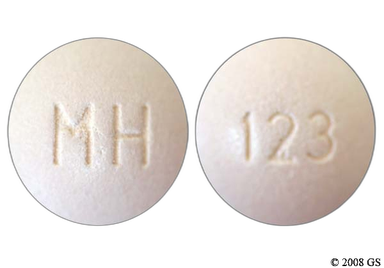
Cafergot (ergotamine / caffeine) is used to treat cluster headaches and migraines in adults. It's available as a tablet that's taken by mouth, as well as a suppository that's inserted into the rectum. Typically, you take a dose as soon as you feel a headache coming on. But there's a limit to how many doses you can take each week because taking this medication too often can lead to serious side effects, such as vomiting and numbness. Brand name Cafergot is discontinued.

Cafergot (ergotamine / caffeine) is a combination of two medications. Ergotamine (an ergot derivative) and caffeine (a nonselective PDE inhibitor) tighten blood vessels and calm certain parts of the brain to relieve the pain of your headaches.
| Common Brands | Migergot, Cafergot |
|---|---|
| Drug Class | Ergot derivative / PDE inhibitor, nonselective |
| Controlled Substance Classification | Not a controlled medication |
| Generic Status | Lower-cost generic available |
| Availability | Prescription only |

The following side effects may get better over time as your body gets used to the medication. Let your healthcare provider know immediately if you continue to experience these symptoms or if they worsen over time.
Contact your healthcare provider immediately if you experience any of the following.
Side effects that you should report to your care team as soon as possible:
Side effects that usually do not require medical attention (report to your care team if they continue or are bothersome):




Cafergot (ergotamine / caffeine) can cause some serious health issues. This risk may be even higher for certain groups. If this worries you, talk to your doctor or pharmacist about other options.
 Certain medications can raise the levels of Cafergot (ergotamine / caffeine) in your body. Higher levels can make your blood vessels too narrow and affect blood flow to your brain (which can cause a stroke) or hands and feet (which can cause tissue death). Don't take Cafergot (ergotamine / caffeine) with protease inhibitors (which are usually used for HIV) or macrolide antibiotics, such as erythromycin (Ery-Tab) or clarithromycin. There are several other medications that have the potential to raise Cafergot (ergotamine / caffeine) levels in your body. Examples of these include nefazodone (Serzone), fluoxetine (Prozac), and metronidazole (Flagyl). Let your healthcare team and pharmacist know all of the medications that you take, so they can make sure your medications are safe to take together. Get medical help right away if you have pain in your hands or feet, numbness, coldness, or if you're pale in color. Call 911 if you have any symptoms of a stroke, such as weakness on one side of your body, slurred speech, and drooping face.
In some rare cases, people have experienced fibrosis (scarring) in their stomach, lungs, or heart after taking Cafergot (ergotamine / caffeine). Take Cafergot (ergotamine / caffeine) only as needed. If you find that you need to take this medication every day, talk to your care team about alternative treatment options for your headaches.
Cafergot (ergotamine / caffeine) tablets contain yellow #5 dye, which is also known as tartrazine. Although rare, tartrazine can cause allergic reactions, such as airway tightening and difficulty breathing. Talk to your healthcare professional or pharmacist if you have an allergy to tartrazine or yellow dye.

 Tablet
| Dosage | Quantity | Price as low as | Price per unit |
|---|---|---|---|
| 1mg/100mg | 30 tablets | $206.55 | $6.89 |


Contraindications are specific health conditions or situations in which a person should not take a medication due to safety concerns. If you have any of the following conditions or if any of the following apply to you, let your healthcare provider know because Cafergot (ergotamine / caffeine) will not be safe for you to take.




Prescription savings
Stop paying too much for your prescriptions. Compare prices, get pharmacy coupons, and save up to 80%.Resources
About GoodRx
 Find expert answers to your health questions so you can make the best decisions for yourself and your family.
Health conditions
Medications & treatment
Access & affordability
Well-being
Medication discounts

Ergotamine/Caffeine isn't available over the counter; ask your healthcare professional if this medication is right for you, and they can write you a prescription for it.
Research suggests that caffeine helps relieve pain from headaches by tightening blood vessels in the brain. In addition, it's thought that caffeine help the body better absorb ergotamine, as well as other pain medications. So when caffeine is combined with ergotamine, you'll experience greater pain relief from ergotamine without needing to take a higher dose. This lowers your risk of serious side effects from ergotamine, such as nausea, numbness, and weakness.
No, don't take Ergotamine/Caffeine during pregnancy because there's a risk that it can cause harm to your unborn baby. Talk with your obstetrician gynecologist (Ob-Gyn) provider about what's safe for you to take for your headaches during pregnancy.
An older study comparing oral sumatriptan (Imitrex) and oral Ergotamine/Caffeine showed that more people experienced headache relief from sumatriptan (Imitrex) than from Ergotamine/Caffeine 2 hours after the dose. In addition, sumatriptan (Imitrex) eased pain more quickly than Ergotamine/Caffeine. But people who took Ergotamine/Caffeine experienced less repeat headaches after 2 days, compared to those who took sumatriptan (Imitrex). Talk with your healthcare professional about the best headache treatment for you.
Ask your primary care provider if it's appropriate for you to take Ergotamine/Caffeine and ibuprofen (Advil). While there's no major interaction between these medications, it doesn't mean this combination is appropriate for everyone. For example, taking higher doses of ibuprofen (Advil) can raise your risk of nausea and high blood pressure, which are also side effects of Ergotamine/Caffeine.
You're unlikely to experience rebound headaches if you take Ergotamine/Caffeine as prescribed. Rarely, people have reported rebound headaches after stopping Ergotamine/Caffeine, especially if they've been taking this medication more often than recommended over a longer period of time. Talk with your primary care provider if you're concerned about rebound headaches.
Ergotamine/Caffeine doesn't usually make people feel drowsy or sleepy, especially since it contains caffeine. Talk to your provider if you experience drowsiness from this medication.
