



Appetite Stimulants: 9 Medications That Make You Want to Eat
Appetite stimulants like megestrol can help promote weight gain. People with certain health conditions may use appetite stimulants to meet nutritional needs.
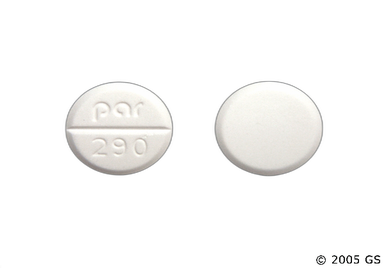
Megestrol oral suspension is an appetite enhancer used to treat low appetite, cachexia (wasting), or unexplained significant weight loss in adults with acquired immunodeficiency syndrome (AIDS). It works by boosting your appetite and helping with weight gain. The usual dose is 625 mg to 800 mg taken by mouth every day. Common side effects include diarrhea, erectile dysfunction, and rash. The brand name Megace ES has been discontinued, but the generic version is still available.

Megestrol oral suspension is a progestin, which is a man-made form of the natural hormone progesterone. It's not exactly clear how it works, but it seems to help with appetite and weight gain.
| Common Brands | Megace ES |
|---|---|
| Drug Class | Progestin |
| Controlled Substance Classification | Not a controlled medication |
| Generic Status | Lower-cost generic available |
| Availability | Prescription only |

The following side effects may get better over time as your body gets used to the medication. Let your healthcare provider know immediately if you continue to experience these symptoms or if they worsen over time.
Contact your healthcare provider immediately if you experience any of the following.
Along with their needed effects, progestins used in high doses sometimes cause some unwanted effects such as blood clots, heart attacks, and strokes, or problems of the liver and eyes. Although these effects are rare, some of them can be very serious and cause death. It is not clear if these problems are due to the progestin. They may be caused by the disease or condition for which progestins are being used.
The following side effects may be caused by blood clots. Although not all of these side effects may occur, if they do occur they need immediate medical attention.
Get emergency help immediately if any of the following side effects occur:
Check with your doctor as soon as possible if any of the following side effects occur:
More common
Changes in vaginal bleeding (increased amounts of menstrual bleeding occurring at regular monthly periods, lighter vaginal bleeding between menstrual periods, heavier vaginal bleeding between regular monthly periods, or stopping of menstrual periods)
symptoms of blood sugar problems (dry mouth, frequent urination, loss of appetite, or unusual thirst)
Rare
For megestrol—During chronic treatment
Backache
dizziness
filling or rounding out of the face
irritability
mental depression
nausea or vomiting
unusual decrease in sexual desire or ability in men
unusual tiredness or weakness
Some side effects may occur that usually do not need medical attention. These side effects may go away during treatment as your body adjusts to the medicine. Also, your health care professional may be able to tell you about ways to prevent or reduce some of these side effects. Check with your health care professional if any of the following side effects continue or are bothersome or if you have any questions about them:
More common
Abdominal pain or cramping
bloating or swelling of ankles or feet
blood pressure increase (mild)
dizziness
drowsiness (progesterone only)
headache (mild)
mood changes
nervousness
pain or irritation at place of injection site
swelling of face, ankles, or feet
unusual or rapid weight gain
Less common
breast pain or tenderness
brown spots on exposed skin, possibly long-lasting
loss or gain of body, facial, or scalp hair
loss of sexual desire
trouble in sleeping
Not all of the side effects listed above have been reported for each of these medicines, but they have been reported for at least one of them. All of the progestins are similar, so any of the above side effects may occur with any of these medicines.
After you stop using this medicine, your body may need time to adjust. The length of time this takes depends on the amount of medicine you were using and how long you used it. During this period of time check with your doctor if you notice the following side effect:
Delayed return to fertility
stopping of menstrual periods
unusual menstrual bleeding (continuing)
Other side effects not listed may also occur in some patients. If you notice any other effects, check with your healthcare professional.
Call your doctor for medical advice about side effects. You may report side effects to the FDA at 1-800-FDA-1088.




Megestrol oral suspension can cause some serious health issues. This risk may be even higher for certain groups. If this worries you, talk to your doctor or pharmacist about other options.
While taking megestrol oral suspension, there have been reports of blood clots, including deep vein thrombosis (DVT), which is a clot in the leg, and pulmonary embolism (PE), which is a clot in the lungs. Call your prescriber right away if you notice symptoms like leg swelling, chest pain, or trouble breathing.
Animal studies show megestrol oral suspension can cause harm to an unborn baby, including low birth weight, fewer live births, and changes in male fetal development. While there isn’t enough information to know how it affects human pregnancies, it's best not to take megestrol oral suspension if you’re pregnant or planning to become pregnant.
If you can become pregnant, your prescriber will likely do a pregnancy test before starting treatment. It's also recommended that you use birth control while taking this medication. Tell your prescriber right away if you become pregnant while using megestrol oral suspension.
Taking megestrol oral suspension for a long time can affect your adrenal glands, which help your body handle stress. Some people have developed Cushing's syndrome (too much steroid hormone) or adrenal insufficiency (not enough steroid hormone). This can happen while you're taking the medication or even after stopping. Watch for signs like low blood pressure, nausea, vomiting, dizziness, or weakness, especially if you're sick or having surgery. Tell your prescriber right away if you have any of these symptoms — they might need to do tests or give you another medication to help.
Taking megestrol oral suspension for a long time can raise your blood sugar levels, which can lead to diabetes or make existing diabetes worse. Let your prescriber know if you have a history of high blood sugar or notice symptoms like frequent thirst, frequent urination, excessive hunger, or weakness.


Although certain medicines should not be used together at all, in other cases two different medicines may be used together even if an interaction might occur. In these cases, your doctor may want to change the dose, or other precautions may be necessary. When you are taking any of these medicines, it is especially important that your healthcare professional know if you are taking any of the medicines listed below. The following interactions have been selected on the basis of their potential significance and are not necessarily all-inclusive.
Using medicines in this class with any of the following medicines is not recommended. Your doctor may decide not to treat you with a medication in this class or change some of the other medicines you take.
Using medicines in this class with any of the following medicines is usually not recommended, but may be required in some cases. If both medicines are prescribed together, your doctor may change the dose or how often you use one or both of the medicines.


Contraindications are specific health conditions or situations in which a person should not take a medication due to safety concerns. If you have any of the following conditions or if any of the following apply to you, let your healthcare provider know because Megestrol oral suspension will not be safe for you to take.




Prescription savings
Stop paying too much for your prescriptions. Compare prices, get pharmacy coupons, and save up to 80%. Find expert answers to your health questions so you can make the best decisions for yourself and your family.
Health conditions
Medications & treatment
Access & affordability
Medication discounts


Megace ES can be considered a high risk medication in people with certain conditions, such as a history of blood clots or pregnancy. It's also used carefully in older adults, who might be more sensitive to the medication due to age-related changes in liver, kidney, or heart function. Be sure to discuss your full medical history with your prescriber so they can determine if this medication is safe for you.
It can take about 4-10 days for Megace ES to fully leave your system. This timeframe is based on the medication's half-life, which can vary from person to person. Talk to your prescriber if you're concerned about how long this medication stays in your body.
You might start feeling more hungry soon after starting Megace ES. But it can take 3 to 4 weeks to see weight gain. Continue taking this medication every day as directed by your prescriber.
Megace ES can raise the risk of blood clots, especially during the first 3 months of treatment. Talk to your prescriber about your risk of developing a blood clot and what symptoms to watch out for. A blood clot in the leg (deep vein thrombosis or DVT) might cause swelling, redness, warmth, or pain in one leg. A blood clot in the lungs (pulmonary embolism or PE) can cause chest pain, shortness of breath, fast heartbeat, or coughing up blood. Get medical help right away if you notice any of these symptoms.
Yes, Megace ES can help you gain weight by making you feel more hungry. In studies, people that took the medication for 12 weeks were much more likely to gain at least 5 pounds compared to those who took the placebo. Speak to your prescriber if you have questions about weight gain while taking this medication.
Ask your prescriber about whether it's ok to take mirtazapine (Remeron) with Megace ES. These medications are not known to interact with each other, but your prescriber can review your full medical history and make sure it’s safe for you to take them together.
Both Megace ES and dronabinol (Marinol) are prescription medications used to treat low appetite and weight loss in adults with AIDs, but they work differently. Dronabinol (Marinol) is a cannabinoid, while Megace ES is a progestin. Dronabinol (Marinol) is also used to treat nausea and vomiting from cancer treatments, and it's a controlled substance. Talk to your prescriber to learn more about the differences between these two medications.
Don't stop taking Megace ES suddenly without talking to your prescriber first. This medication can cause hormone changes, and your body might need time to adjust. Stopping too quickly might lead to withdrawal symptoms like loss of appetite, stomach pain, and muscle weakness. If you've been taking this medication for a long time, your prescriber might recommend slowly lowering your dose before stopping it completely.
