Lumvoa
Lumvoa (veligrotug or veligrotug-vyze) is a medication that treats thyroid eye disease in adults. It works as an insulin-like growth factor-1 receptor inhibitor to help with symptoms like eye discomfort and swelling. Lumvoa (veligrotug) is given as an intravenous (IV) infusion into a vein every 3 weeks by a healthcare professional. Full treatment is a total of 5 infusions. Common side effects include muscle spasms, headaches, ear discomfort, and infusion reactions.


What is Lumvoa (veligrotug)?
What is Lumvoa (veligrotug) used for?
How Lumvoa (veligrotug) works
Lumvoa (veligrotug) is an insulin-like growth factor-1 receptor (IGF-1R) inhibitor. It blocks IGF-1R, a protein that plays a role in tissue growth.
In thyroid eye disease, there are higher levels of IGF-1R than normal in the tissues around the eyes. This leads to more tissue buildup around the eyes, causing symptoms like eye bulging, eyelid swelling, and double vision.
By blocking IGF-1R, Lumvoa (veligrotug) can help reduce symptoms associated with thyroid eye disease.
Drug facts
| Common Brands | Lumvoa |
|---|---|
| Drug Class | Insulin-like growth factor-1 receptor inhibitor |
| Controlled Substance Classification | Not a controlled medication |
| Generic Status | No lower-cost generic available |
| Availability | Prescription only |

Side effects of Lumvoa (veligrotug)
The following side effects may get better over time as your body gets used to the medication. Let your healthcare provider know immediately if you continue to experience these symptoms or if they worsen over time.
Common Side Effects
- Muscle spasms (40%)
- Unusual menstrual patterns (irregular or lack of periods, severe cramping, bleeding between periods; 29%)
- Headache (17%)
- Hearing difficulties (ringing in the ears, trouble hearing; 15%)
- High blood sugar (13%)
- Fatigue (13%)
- Diarrhea (11%)
- Ear discomfort (ear pressure, clogged ear, ear popping; 10%)
Less Common Side Effects
- Nausea
- Common cold symptoms
- Dry skin
- High blood pressure
- Increase in creatinine phosphokinase levels
- Hair loss
- Breaking nails
Lumvoa (veligrotug) serious side effects
Contact your healthcare provider immediately if you experience any of the following.
- Hearing difficulties, including hearing loss: trouble hearing, hearing an echo of your voice or breathing in your ears, ringing sound in ears
- Inflammatory bowel disease (IBD): diarrhea, blood in stool, bright red blood when wiping, water in toilet looks reddish, stomach pain or cramps, feeling a stronger need to have a bowel movement
The following Lumvoa (veligrotug) side effects have also been reported
Side effects that you should report to your care team as soon as possible:
- Allergic reactions—skin rash, itching, hives, swelling of the face, lips, tongue, or throat
- Hearing loss
- High blood sugar (hyperglycemia)—increased thirst or amount of urine, unusual weakness or fatigue, blurry vision
- Infusion reactions—chest pain, shortness of breath or trouble breathing, feeling faint or lightheaded
- Sudden need to have a bowel movement that is difficult to delay, stool leakage
- Sudden or severe stomach pain, bloody diarrhea, fever, nausea, vomiting
Side effects that usually do not require medical attention (report these to your care team if they continue or are bothersome):
- Dry skin
- Ear discomfort
- Fatigue
- Headache
- Irregular menstrual cycles or spotting
- Muscle spasms
- Ringing in ears

Pros and cons of Lumvoa (veligrotug)
Pros
- Given every 3 weeks
- Only need a total of 5 doses for full treatment
- Can reduce swelling of the eyes and vision changes
Cons
- Given as an infusion into a vein in the arm, which can be inconvenient
- May cause muscle spasms
- May cause changes in hearing, including hearing loss

Pharmacist tips for Lumvoa (veligrotug)

- Lumvoa (veligrotug) is given as an IV infusion every 3 weeks by a healthcare professional. It’s given at a clinic or infusion center.
- To help keep track of your Lumvoa (veligrotug) infusions and changes to your treatment, you can use the Lumvoa treatment chart. If you miss an infusion, contact your prescriber about rescheduling.
- Before each Lumvoa (veligrotug) infusion, eat a well-balanced, nutritious meal and drink plenty of water. You can bring a bag with water, snacks, and something for entertainment. This can help make you feel more comfortable and help pass the time during the infusion.
- Your first Lumvoa (veligrotug) infusion will take at least 45 minutes. If you have side effects during the infusion, your later infusions will continue to take at least 45 minutes. If you don’t have any issues during your first infusion, your later infusions can take less time (at least 30 minutes).
- Lumvoa (veligrotug) may sometimes cause an infusion reaction during or shortly after the infusion. Signs to look out for include fever, headache, chills, and fatigue. If you feel unwell during your infusion, let your care team know.
- If you have an infusion reaction to Lumvoa (veligrotug), your care team can slow the infusion so it’s given over a longer period of time to help with symptoms. They can also give you a corticosteroid, antihistamine, and a fever reducer to help. Your care team might also give you these medications before your next infusion to reduce the risk of another infusion reaction occurring.
- Lumvoa (veligrotug) may cause hearing difficulties. This can include ringing in the ears, trouble hearing clearly, or even hearing loss. Contact your prescriber if you experience any changes in your hearing during treatment.
- If you can become pregnant, use birth control throughout your Lumvoa (veligrotug) treatment and for 6 months after your last dose. This is important because Lumvoa (veligrotug) may harm a developing baby during pregnancy. If you think you may be pregnant, let your prescriber know right away.

Risks and warnings for Lumvoa (veligrotug)
Lumvoa (veligrotug) can cause some serious health issues. This risk may be even higher for certain groups. If this worries you, talk to your doctor or pharmacist about other options.
Infusion reactions
Lumvoa (veligrotug) can cause infusion reactions. This can happen during an infusion or shortly after. Infusion reactions are typically mild-to-moderate in severity. Signs can include increased blood pressure, fever, headache, chills, and fatigue.
If you notice these signs during your Lumvoa (veligrotug) infusion, let your care team know how you’re feeling. They can slow down your infusion to help with symptoms. They can also offer a corticosteroid, antihistamine, or a fever reducer for relief. They might give you these medications before your next infusions to lower the chance of another infusion reaction.
Inflammatory bowel disease (IBD) flare-up
- Risk factors: History of IBD (Crohn’s disease or ulcerative colitis)
Lumvoa (veligrotug) can cause or worsen inflammatory bowel disease (IBD). This can include Crohn’s disease or ulcerative colitis. Watch for diarrhea, bloody stool, bright red blood when wiping, stomach pain or cramps, or a sudden need to have a bowel movement. If this happens, tell your prescriber so they can check for gut problems.
High blood sugar
- Risk factors: History of diabetes | High blood sugar
Lumvoa (veligrotug) may cause an increase in blood sugar. This has happened in people with or without a history of diabetes or high blood sugar. Before starting Lumvoa (veligrotug), tell your prescriber if you have diabetes or high blood sugar. Also let them know about any diabetes medications you’re taking. Your prescriber will need to make sure your blood sugar is controlled before starting Lumvoa (veligrotug).
Before every Lumvoa (veligrotug) infusion, your care team will check your blood sugar to monitor for high levels. They’ll also continue to check every so often during treatment. If you have high blood sugar at any time, your care team will give you medication to control your blood sugar if needed. They’ll also continue to monitor your blood sugar after your treatment with Lumvoa (veligrotug) ends.
Hearing difficulties, including hearing loss
Lumvoa (veligrotug) may cause serious hearing difficulties or loss. Sometimes, this may be permanent. Contact your prescriber if you experience any hearing changes, such as a ringing sound or trouble hearing.
Risk of harm to a developing baby during pregnancy
Based on how Lumvoa (veligrotug) works, it can affect how an unborn baby grows and develops during pregnancy. This may cause harm to the baby. Because of this risk, Lumvoa (veligrotug) shouldn’t be used during pregnancy.
If you can become pregnant, your prescriber will likely have you take a pregnancy test before starting Lumvoa (veligrotug). It’s recommended to start reliable birth control before starting treatment. Continue using birth control throughout treatment and for 6 months after your last dose of Lumvoa (veligrotug). If you think you may be pregnant, contact your prescriber right away.

Lumvoa (veligrotug) dosage
Typical dosage for Lumvoa (veligrotug)
How much Lumvoa (veligrotug) you receive is based on your weight. Your prescriber will use your weight to calculate an appropriate dose for you.
The typical dose is a 10 mg/kg IV infusion that's given into a vein every 3 weeks. A full course of treatment includes a total of 5 infusions.

What are alternatives to Lumvoa (veligrotug)?

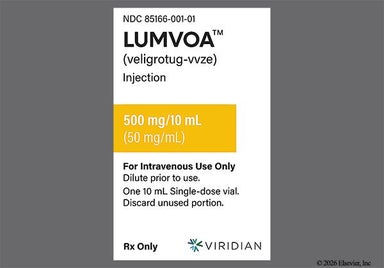
Lumvoa (veligrotug) images