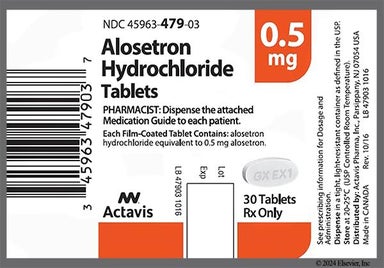
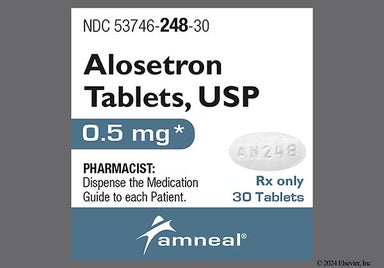
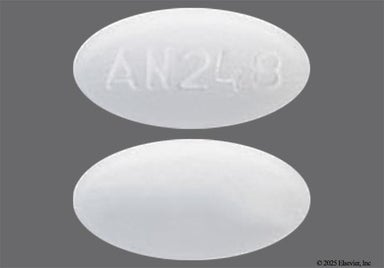
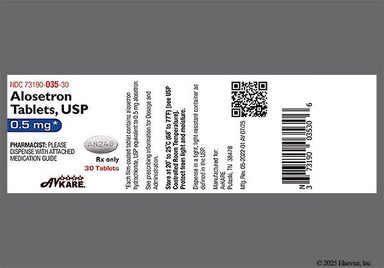
Alosetron (Lotronex) is a serotonin antagonist. It's used to treat severe irritable bowel syndrome with diarrhea (IBS-D) in adult females. But alosetron (Lotronex) isn't a first-choice option and is typically only prescribed when other treatments haven't worked well. Alosetron (Lotronex) comes as tablets that are taken by mouth, typically twice a day. Some common side effects include constipation, stomach pain, and nausea. It's available under the brand name Lotronex and as a lower-cost generic.
Alosetron (Lotronex) is a selective serotonin 5-HT3 antagonist. It works by blocking serotonin (a signaling protein) from binding to its receptors the gut that are involved in pain and secretions. This helps ease stomach discomfort, pain, and diarrhea.
The following side effects may get better over time as your body gets used to the medication. Let your healthcare provider know immediately if you continue to experience these symptoms or if they worsen over time.
Contact your healthcare provider immediately if you experience any of the following.
Along with its needed effects, a medicine may cause some unwanted effects. Although not all of these side effects may occur, if they do occur they may need medical attention.
Check with your doctor immediately if any of the following side effects occur:
More common
Get emergency help immediately if any of the following symptoms of overdose occur:
Symptoms of overdose
Clumsiness, unsteadiness, trembling, or other problems with muscle control or coordination
convulsions (seizures)
difficulty breathing
shakiness and unsteady walk
withdrawn or socially detached behavior
Some side effects may occur that usually do not need medical attention. These side effects may go away during treatment as your body adjusts to the medicine. Also, your health care professional may be able to tell you about ways to prevent or reduce some of these side effects. Check with your health care professional if any of the following side effects continue or are bothersome or if you have any questions about them:
Less common
Bleeding after bowel movement
full or bloated feeling
pressure in the stomach
swelling of abdominal or stomach area
uncomfortable swelling around rectal area
Incidence not known
Headache
skin rash
Other side effects not listed may also occur in some patients. If you notice any other effects, check with your healthcare professional.
Call your doctor for medical advice about side effects. You may report side effects to the FDA at 1-800-FDA-1088.
Alosetron (Lotronex) is currently only FDA approved for females with IBS-D. Research shows that alosetron (Lotronex) can help manage symptoms of IDS-D in females, but the results for males are more mixed. Some research suggests that alosetron (Lotronex) can help males with IBS-D, while other studies show that it doesn't really make a difference in their symptoms. Talk with your healthcare team if you have more questions about alosetron (Lotronex).
Alosetron (Lotronex) isn't FDA-approved for males. Based on current evidence, experts only recommend for females who have severe IBS-D.
In several 3-month long studies, females who took alosetron (Lotronex) for severe IBS-D reported firmer stools, less bowel movements per day, and less frequent urges to have a bowel movement, compared to females who took placebo. In addition, a longer study that lasted 11 months showed that more females who took alosetron (Lotronex) experienced relief from pain, discomfort, and other IBS-D symptoms compared to females who took placebo.
Alosetron (Lotronex) doesn't work right away for diarrhea, like loperamide (Imodium A-D) or other "as-needed" medications. You might notice improvement in your IBS symptoms within the first week of starting alosetron (Lotronex). But it can take up to a month to see the full benefits of this medication. If you still don't feel improvement in your symptoms after a month of treatment, talk to your prescriber about raising the dose or changing to a different medication.
No, you can't take alosetron (Lotronex) if you have Crohn's disease. Talk to your gastroenterologist about alternative treatment options.
Alosetron (Lotronex) interacts with many medications. For example, you can't take alosetron (Lotronex) with fluvoxamine, a medication used to treat obsessive-compulsive disorder (OCD). This is because fluvoxamine raises the levels of alosetron (Lotronex) in the body and puts you at higher risk for constipation and other serious gut-related problems. Share a list of your current medications with your care team so they can help you check for potential interactions.
Studies suggest that alosetron (Lotronex) doesn't interact with birth control pills. However, diarrhea (such as from IBS) can sometimes affect how well medications are absorbed. This includes birth control pills. Talk to your healthcare professional about how diarrhea can affect how well your birth control method is working for you.
Alosetron (Lotronex) can cause some serious health issues. This risk may be even higher for certain groups. If this worries you, talk to your doctor or pharmacist about other options.
Constipation is one of the more common side effects of alosetron (Lotronex). If left untreated, constipation can lead to serious complications, including gut block. To lower the risk of constipation, your prescriber will have you take the lowest dose of alosetron (Lotronex) needed to treat your condition. If you experience constipation with alosetron (Lotronex), your prescriber will ask you to stop treatment. Depending on your condition, your prescriber might ask you to restart alosetron (Lotronex) once the constipation gets better, or ask you to consider other treatment options.
Though rare, some people who took alosetron (Lotronex) have also reported ischemic colitis, a potentially life-threatening condition where there isn't enough blood flow to the intestines. Symptoms of ischemic colitis include bloating, bloody stools or diarrhea, and worsening stomach pain. Stop taking alosetron (Lotronex) and get medical help right away if you develop symptoms of ischemic colitis. You won't be able to take alosetron (Lotronex) if you experience ischemic colitis.
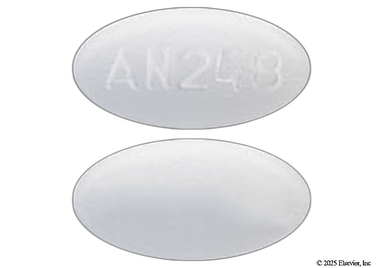
| Dosage | Quantity | Price as low as | Price per unit |
|---|---|---|---|
| 0.5mg | 60 tablets | $77.48 | $1.29 |
| 1mg | 60 tablets | $126.70 | $2.11 |
Adults: The typical starting dose is 0.5 mg by mouth two times a day. After a month of treatment, your prescriber might raise your dose to 1 mg two times a day, if needed.
Although certain medicines should not be used together at all, in other cases two different medicines may be used together even if an interaction might occur. In these cases, your doctor may want to change the dose, or other precautions may be necessary. When you are taking this medicine, it is especially important that your healthcare professional know if you are taking any of the medicines listed below. The following interactions have been selected on the basis of their potential significance and are not necessarily all-inclusive.
Using this medicine with any of the following medicines is not recommended. Your doctor may decide not to treat you with this medication or change some of the other medicines you take.
Using this medicine with any of the following medicines is usually not recommended, but may be required in some cases. If both medicines are prescribed together, your doctor may change the dose or how often you use one or both of the medicines.
Using this medicine with any of the following medicines may cause an increased risk of certain side effects, but using both drugs may be the best treatment for you. If both medicines are prescribed together, your doctor may change the dose or how often you use one or both of the medicines.
Contraindications are specific health conditions or situations in which a person should not take a medication due to safety concerns. If you have any of the following conditions or if any of the following apply to you, let your healthcare provider know because Alosetron (Lotronex) will not be safe for you to take.