Jaypirca
Jaypirca (pirtobrutinib) is a targeted therapy called Bruton’s tyrosine kinase (BTK) inhibitor. It's used to treat certain types of blood cancers, like mantle cell lymphoma (MCL) and chronic lymphocytic leukemia (CLL). It’s not a first-choice medication for these cancers, but it might be an option for people who had already tried at least 2 other anticancer treatments. Jaypirca (pirtobrutinib) is convenient because it’s a tablet that you take by mouth daily. Some of the more common side effects of this medication include lower blood cell counts, tiredness, and muscle pain.


What is Jaypirca (pirtobrutinib)?
What is Jaypirca (pirtobrutinib) used for?
- Mantle cell lymphoma (MCL) after at least two previous treatments, including a BTK inhibitor
- Chronic lymphocytic leukemia (CLL) and small lymphocytic leukemia (SLL) after at least two previous treatments, including a BTK inhibitor
How Jaypirca (pirtobrutinib) works
There’s a pathway inside some cells called the Bruton tyrosine kinase pathway, that sends signals that tell cells to grow and divide. This pathway is particularly active in B-cell cancers, such as mantle cell lymphoma (MCL) and chronic lymphocytic leukemia (CLL).
Jaypirca (pirtobrutinib) is a Bruton’s tyrosine kinase (BTK) inhibitor. It blocks a specific protein in the Bruton tyrosine kinase pathway so that the cancer cells can’t grow or spread as well.
Drug facts
| Common Brands | Jaypirca |
|---|---|
| Drug Class | Bruton tyrosine kinase (BTK) inhibitor |
| Controlled Substance Classification | Not a controlled medication |
| Generic Status | No lower-cost generic available |
| Availability | Prescription only |

Side effects of Jaypirca (pirtobrutinib)
The following side effects may get better over time as your body gets used to the medication. Let your healthcare provider know immediately if you continue to experience these symptoms or if they worsen over time.
Common Side Effects
- Lower blood cell counts (up to 42%)
- Higher serum creatinine (30%)
- Tiredness (29%)
- Muscle pain (27%)
- Diarrhea (19%)
- Electrolyte changes in blood (up to 19%)
- Swelling (18%)
- Higher liver enzymes (up to 17%)
- Trouble breathing (17%)
- Infection (16%)
- Bruising (16%)
Note: Side effects listed were reported by people who took Jaypirca for MCL
Less Common Side Effects
- Rash
- Numbness
- Cough
- Constipation
- Fever
- Joint pain
- Nausea
- Stomach pain
- Bleeding
- Dizziness
Jaypirca (pirtobrutinib) serious side effects
Contact your healthcare provider immediately if you experience any of the following.
- Serious infections: fever, chills, cough, muscle aches, very fast heartbeat, severe tiredness
- Serious bleeding: bruising that won't go away or bleeding that's difficult to stop, nosebleeds, blood in urine, blood in stool
- Serious heart problems: irregular heartbeat, lightheadedness, passing out
- Severe liver problems: tiredness, nausea, vomiting, stomach pain or tenderness, weight loss, dark urine, yellowing of the whites of the eyes or skin
The following Jaypirca (pirtobrutinib) side effects have also been reported
Side effects that you should report to your care team as soon as possible:
- Allergic reactions—skin rash, itching, hives, swelling of the face, lips, tongue, or throat
- Bleeding—bloody or black, tar-like stools, vomiting blood or brown material that looks like coffee grounds, red or dark brown urine, small red or purple spots on skin, unusual bruising or bleeding
- Heart rhythm changes—fast or irregular heartbeat, dizziness, feeling faint or lightheaded, chest pain, trouble breathing
- Infection—fever, chills, cough, sore throat, wounds that don't heal, pain or trouble when passing urine, general feeling of discomfort or being unwell
- Liver injury—right upper belly pain, loss of appetite, nausea, light-colored stool, dark yellow or brown urine, yellowing skin or eyes, unusual weakness or fatigue
- Low red blood cell level—unusual weakness or fatigue, dizziness, headache, trouble breathing
Side effects that usually do not require medical attention (report these to your care team if they continue or are bothersome):
- Bone, joint, or muscle pain
- Cough
- Diarrhea
- Fatigue

Pros and cons of Jaypirca (pirtobrutinib)
Pros
- Taken by mouth, so good for people who don’t like needles
- Taken once daily
- Doesn’t typically cause hair loss
Cons
- Interacts with some medications
- Raises your risk of bleeding
- Can raise your risk for serious infections

Pharmacist tips for Jaypirca (pirtobrutinib)

- You should swallow Jaypirca (pirtobrutinib) tablets whole. Do not crush, cut, or chew them. You can take this medication with or without food.
- If you miss a dose of Jaypirca (pirtobrutinib) by more than 12 hours, skip it and start over with your next scheduled dose.
- Let your oncology team know if you need any type of surgical procedure, such as having a tooth pulled or a biopsy, while you’re taking Jaypirca (pirtobrutinib). Because Jaypirca (pirtobrutinib) can raise your risk of bleeding, your care team might recommend you pause Jaypirca (pirtobrutinib) for a few days before and after your procedure.
- Taking Jaypirca (pirtobrutinib) can raise your risk of infections. This is because this medication can lower white blood cell count, which can weaken your immune system. If you do get sick, your body will have a harder time fighting it off. You can help prevent infections by washing your hands often, avoiding crowds, and washing raw fruits and vegetables thoroughly before eating them.
- Tell your oncology team before you start any new medications while you’re taking Jaypirca (pirtobrutinib). There are some medications that you should avoid taking with Jaypirca (pirtobrutinib) because they might affect the level of Jaypirca (pirtobrutinib) in your body, which can affect how well the medication works or affect your risk of side effects.
- Ask your oncology team about the best way to handle and throw away Jaypirca (pirtobrutinib) safely. Anticancer medications can be harmful to people who handle or come in contact with them. Store Jaypirca (pirtobrutinib) in a safe place away from children and pets.
- We don’t know if Jaypirca (pirtobrutinib) passes into human milk, but this medication could cause harm to a nursing infant. Because of this risk, you should avoid breastfeeding while taking Jaypirca (pirtobrutinib) and for 1 week after the last dose.

Risks and warnings for Jaypirca (pirtobrutinib)
Jaypirca (pirtobrutinib) can cause some serious health issues. This risk may be even higher for certain groups. If this worries you, talk to your doctor or pharmacist about other options.
Serious infection
Some people taking Jaypirca (pirtobrutinib) have developed serious infections, including pneumonia and sepsis. Sometimes, the infections can be life-threatening. To lower the risk of serious infections, your oncologist might prescribe antivirals or antibiotics during treatment and ask you to get certain vaccinations before starting Jaypirca (pirtobrutinib). If you do get sick, your oncologist might lower your dose or ask you to stop taking Jaypirca (pirtobrutinib). If you have any symptoms of infection such as fever, chills, or weakness, contact your oncology team right away.
Serious bleeding
- Risk factors: Surgery or procedure
Jaypirca (pirtobrutinib) can cause bleeding. The most common symptom is bruising. But rarely, some people have experienced serious bleeding in areas like the brain or gut. You’re at higher risk for bleeding if you’re taking blood thinner medications. Let your oncologist know if you need any type of surgical procedure while you’re taking Jaypirca (pirtobrutinib) because they might recommend you pause the medication for a few days before and after the procedure to prevent bleeding. If you do experience a bleed or bruising that doesn’t go away, your oncologist might lower your dose or ask you to stop taking Jaypirca (pirtobrutinib). If you have any bruising, nosebleeds, blood in your urine or blood in your stool, contact your oncology team right away.
Lower blood cell count
People taking Jaypirca (pirtobrutinib) may develop lower blood cells in their body, including your white blood cells (WBCs), red blood cells (RBCs), and platelets. This can raise your risk for certain problems, such as serious infections, anemia, and bleeding. Your oncologist will monitor your blood cell counts very closely while you’re taking Jaypirca (pirtobrutinib). If your blood cell counts drop too low, then your oncologist might lower your dose or ask you to stop taking Jaypirca (pirtobrutinib). If you have any unexpected bruising, bleeding, or you feel very tired, contact your oncology team right away, since these can be signs of lower blood cell counts.
Heart rhythm changes
- Risk factors: High blood pressure | Heart rhythm problems
Rarely, people taking Jaypirca (pirtobrutinib) experienced heart rhythm changes including atrial fibrillation and atrial flutter. Symptoms include abnormal heart beat, feeling dizzy, passing out, and trouble breathing. If you experience any of these, contact your oncology team right away. You might need to pause Jaypirca (pirtobrutinib) while they look into it.
Risk of new cancers
Though uncommon, some people who took Jaypirca (pirtobrutinib) later developed a new cancer, including skin cancers or breast cancers. Make sure you protect your skin from the sun by using sunscreen and clothes that protect your skin. If appropriate, ask your oncology team to show you how to perform self breast exams to check for breast cancer. Your oncologist will monitor you for new cancers, but you should let them know if you notice any changes in your breast or skin.
Liver problems
Though rare, some people who took Jaypirca (pirtobrutinib) developed serious liver problems. Your oncology team will order blood tests to check your liver health. If so, they might ask you to pause or stop taking Jaypirca (pirtobrutinib) altogether. Tell your care team right away if you notice symptoms of liver problems, including tiredness, stomach pain, and yellowing of the skin or whites of the eye.
Harm to unborn baby
Jaypirca (pirtobrutinib) hasn’t been studied in human pregnancy, but based on animal studies and the way the medication works, it can cause harm to an unborn baby. If you’re a female able to have babies, your oncologist might ask you to take a pregnancy test before you start treatment to make sure you’re not pregnant. You should use effective birth control while taking Jaypirca (pirtobrutinib) and for 1 week after the last dose. If you become pregnant while taking Jaypirca (pirtobrutinib), contact your oncology team right away.

Jaypirca (pirtobrutinib) dosage
Typical dosage for Jaypirca (pirtobrutinib)
The usual dose of Jaypirca (pirtobrutinib) is 200 mg by mouth once a day.
Your dose might be different if you have kidney problems or if you’re taking medications that might interact with Jaypirca (pirtobrutinib).

What are alternatives to Jaypirca (pirtobrutinib)?

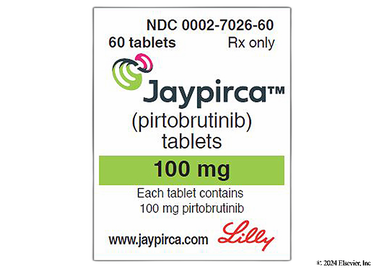
Jaypirca (pirtobrutinib) images




