Key takeaways:
Common Jardiance (empagliflozin) side effects include urinary tract infections (UTIs) and fungal (yeast) infections of the genitals. These can typically be treated with antibiotics or antifungals.
Jardiance can also make you have to urinate (pee) more often than usual. Taking your dose in the morning can help prevent you from waking up to pee overnight.
More serious Jardiance side effects include dehydration, low blood glucose (sugar), and serious infection. Ketoacidosis (too much acid in the blood) is also possible but rare.
Save on related medications
Jardiance (empagliflozin) is a commonly prescribed medication for several health conditions. If you have chronic kidney disease (CKD), heart failure, or Type 2 diabetes, you may take Jardiance. But how safe is it? And what Jardiance side effects should you know about?
Jardiance side effects at a glance
Jardiance side effects can range from mild to severe. Thankfully, serious side effects are rare.
Common or mild Jardiance side effects include:
Urinary tract infections (UTIs)
Genital fungal (yeast) infections
Urinating (peeing) more than usual
Upper respiratory tract infections, such as the common cold
Raised cholesterol
Nausea
Joint pain
Rare but serious Jardiance side effects include:
Low blood glucose (sugar)
Serious genital infections
Serious UTIs, including kidney infections
Dehydration
Ketoacidosis (too much acid in the blood)
Below is a more detailed list of 10 Jardiance side effects you should be aware of. Keep in mind that these aren’t the only possible side effects you could experience — just some of the most notable.
1. Urinary tract infections
Jardiance treats Type 2 diabetes by helping remove extra sugar through your urine. In turn, this lowers the amount of sugar in your bloodstream. But because bacteria and other germs are attracted to sugar, it can put you at risk for UTIs.
Most of these infections are mild and can be treated with antibiotics. But if left untreated, UTIs can lead to severe complications, such as kidney infections. Contact a healthcare professional if you have symptoms of a UTI, such as:
Pain or burning when you pee
Frequent and urgent need to pee
Waking up overnight to pee
Pelvic pain
Blood in your urine
It’s important to note that in Jardiance’s clinical trials for Type 2 diabetes, this side effect was also seen in a similar number of people taking a placebo (a pill with no medicine in it). This is because people with diabetes have a higher risk of UTIs than people without diabetes, regardless of what medication they’re taking. So, some experts question how much the medication actually raises the risk of UTIs.
2. Genital infections
Another common Jardiance side effect is fungal (yeast) infections on or around the genitals. Vaginal yeast infections tend to happen most often. But genital yeast infections in men can also happen around the penis and scrotum.
Similar to UTIs, the extra sugar in your urine can attract fungi and bacteria to the external genitals. Most of these infections are mild and easily treated with antifungal or antibiotic medications. Cleaning your genital area regularly can help prevent infections.
Rarely, a life-threatening infection of the male and female genitals, called Fournier’s gangrene, can also occur. This infection causes fever and swollen or painful genital tissues. It can also cause skin in those areas to peel off. This could require surgery to remove and repair, along with antibiotics.
3. Urinating more often
Because Jardiance gets rid of extra sugar through the kidneys, you may urinate more. You may notice yourself going to the bathroom more often. Some people also report they wake up to urinate more than usual overnight. It’s recommended to take your dose in the morning to help lower the need to urinate at night.
Because Jardiance may make you urinate more often, it can lower your level of body fluids. This level may be even lower if you take other medications that make you urinate more, such as diuretics (water pills). You may become thirsty as a result.
It’s important to stay hydrated to help prevent too much fluid loss. But if you have heart failure, double-check how much fluid you should be drinking with your healthcare team first.
4. Upper respiratory tract infections
People in Jardiance’s clinical trials occasionally reported upper respiratory tract infections (URTIs). Symptoms of a URTI include runny or stuffy nose, sneezing, or sore throat. Common examples include the common cold and sinus infections. These infections should be mild and resolve on their own.
Slightly more people taking the 25 mg dosage of Jardiance reported URTIs compared to those taking the 10 mg dosage. But a similar number of people taking a placebo also reported them.
Regardless of cause, if you develop symptoms of a URTI, follow your usual self-care routine for when you’re sick. Getting enough rest and staying hydrated are great places to start. You can also ask your prescriber or pharmacist whether over-the-counter cold medications would be safe for you to take.
If you’re not feeling better within about a week, contact your healthcare team for next steps. You should also reach out to them if your symptoms worsen or are severe. This isn’t a typical Jardiance side effect.
5. High cholesterol
In some people, Jardiance can make their cholesterol go up — in particular, LDL (low-density lipoprotein, or “bad cholesterol”). Clinical trials found that higher doses of Jardiance were linked to higher LDL levels. Your prescriber should monitor your cholesterol while taking Jardiance to make sure this isn't an issue for you.
There are steps you can take at home to help promote healthy cholesterol levels:
Increase your dietary fiber intake.
Eat foods high in omega-3 fatty acids, such as salmon, walnuts, and soybeans.
Try to exercise more in a way that feels comfortable for you.
Limit the amount of alcohol you drink.
Take steps to quit smoking or vaping (if applicable to you).
6. Joint pain
Joint pain is a possible side effect of many medications. Joint pain with Jardiance is uncommon, but it’s still possible. A similar number of people taking a placebo in clinical trials also reported joint pain. So Jardiance may or may not be causing this symptom.
If you notice joint pain after you start the medication, let your prescriber know. They may suggest some trying gentle exercises or applying heat or ice packs to painful areas. They might also recommend topical pain relief creams, gels, or patches to help.
7. Nausea
Nausea is a listed side effect for many medications and can interfere with your routine. While not common, nausea is a possible Jardiance side effect.
If you find Jardiance makes you nauseated, try taking your dose with food. Food won’t affect how Jardiance works and may help lessen nausea.
8. Low blood sugar
Jardiance should help lower your blood sugar if you have Type 2 diabetes. But, in some cases, it could lower your blood sugar too much (hypoglycemia).
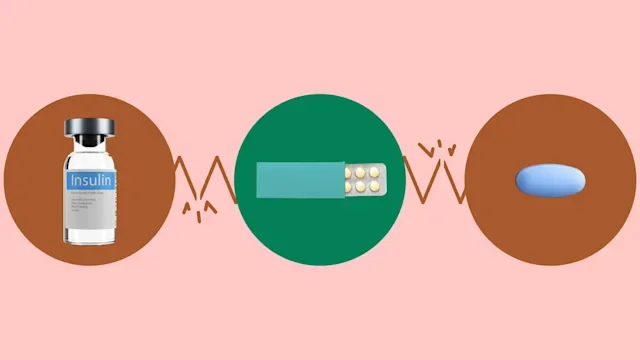
On its own, Jardiance has a low risk of causing hypoglycemia. But your risk may be higher if you’re also taking other diabetes medications that affect your body’s insulin levels. Examples of these medications include insulin and sulfonylureas, such as glipizide.
You should review when and how to treat hypoglycemia with your diabetes care team. Quick treatment can help prevent serious complications. If you experience hypoglycemia more frequently after starting Jardiance, let your prescriber know. They may adjust one or more of your medications.
9. Dehydration
As mentioned above, Jardiance can lower your amount of body fluids. This is typically mild, but in rare cases it can lead to dehydration. This may then cause low blood pressure, which could make you feel faint or pass out.
Dehydration from Jardiance could also lead to kidney damage in rare cases. Your diabetes care team should monitor your kidney function while taking Jardiance to watch for signs of this serious side effect.
10. Ketoacidosis
Jardiance has been found to cause ketoacidosis (too much acid in the blood) in some cases. This is a serious condition that could be deadly.
This was mainly seen in people with Type 1 diabetes taking Jardiance — not Type 2 diabetes. Nonetheless, it could still happen. Ketoacidosis is a medical emergency.
Common symptoms of ketoacidosis include:
Thirst
Dry mouth
Tiredness
Vomiting
Stomach pain
Fruity-smelling breath
Trouble breathing
Confusion
If you believe you’re experiencing ketoacidosis, get medical help right away or call 911. If left untreated, this situation can become life threatening.
Frequently asked questions
UTIs and genital yeast infections are the most common side effects of Jardiance. Yeast infections are more common among women. But it’s possible for men to experience them too.
If you’re having symptoms of a UTI or yeast infection, contact your prescriber. You’ll likely need to take an antibiotic or antifungal medication.
Jardiance affects many organs in the body. But it primarily works in the kidneys to remove extra sugar from your blood. Depending on why you’re taking Jardiance, your kidney function may play a role in whether you can take it.
There isn’t any single thing you need to completely avoid while taking Jardiance. But there are foods, drinks, and medications that you may need to adjust or limit. These include:
High-sugar foods
Alcohol
Foods high in salt
Diuretics
Insulin
Sulfonylureas
Glinides
Lithium (Lithobid)
Share a list of all medications and supplements you take with your prescriber and pharmacist. They can tell you if you can safely combine them with Jardiance. And consider discussing your regular diet with your prescriber or a dietitian. If needed, they can help you make changes that’ll support your overall health goals.
UTIs and genital yeast infections are the most common side effects of Jardiance. Yeast infections are more common among women. But it’s possible for men to experience them too.
If you’re having symptoms of a UTI or yeast infection, contact your prescriber. You’ll likely need to take an antibiotic or antifungal medication.
Jardiance affects many organs in the body. But it primarily works in the kidneys to remove extra sugar from your blood. Depending on why you’re taking Jardiance, your kidney function may play a role in whether you can take it.
There isn’t any single thing you need to completely avoid while taking Jardiance. But there are foods, drinks, and medications that you may need to adjust or limit. These include:
High-sugar foods
Alcohol
Foods high in salt
Diuretics
Insulin
Sulfonylureas
Glinides
Lithium (Lithobid)
Share a list of all medications and supplements you take with your prescriber and pharmacist. They can tell you if you can safely combine them with Jardiance. And consider discussing your regular diet with your prescriber or a dietitian. If needed, they can help you make changes that’ll support your overall health goals.
The bottom line
The most common Jardiance (empagliflozin) side effects include urinary tract infections and genital yeast infections. It can also make you urinate (pee) more often than usual. Mild side effects can typically be managed at home or easily treated. But some Jardiance side effects, such as low blood glucose (sugar) and dehydration, can be serious. So, let your healthcare team know if you think you may be experiencing them.

Why trust our experts?




References
Aggarwal, A., et al. (2019). High prevalence of genital mycotic infections with sodium-glucose co-transporter 2 inhibitors among Indian patients with type 2 diabetes. Indian Journal of Endocrinology and Metabolism.
Boehringer Ingelheim Pharmaceuticals. (2025). Jardiance- empagliflozin tablet, film coated [package insert]. DailyMed.
National Organization for Rare Disorders. (2024). Fournier gangrene.