



Corlanor: A Medication for Heart Failure
Corlanor (ivabradine) is a medication that slows your heart rate. It’s sometimes used off-label for tachycardia and POTS. Get info on dosing, side effects, and cost here.
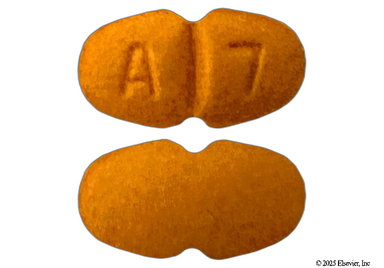
Corlanor (ivabradine) is a medication that's taken by mouth to treat certain types of heart failure in adults and children ages 6 months and older. Doses are typically taken twice a day with food. Corlanor (ivabradine) is an HCN channel blocker and is the only medication available on the market in its drug class. While the medication has very few side effects, it won't reverse or cure your heart condition.

Corlanor (ivabradine) is a hyperpolarization-activated cyclic nucleotide-gated channel blocker, or HCN channel blocker for short. It works by blocking specific channels within your heart to slow the electrical activity in your heart. As a result, your heart rate slows down. This can help put less stress on the heart in people with heart failure.
| Common Brands | Corlanor |
|---|---|
| Drug Class | HCN channel blocker |
| Controlled Substance Classification | Not a controlled medication |
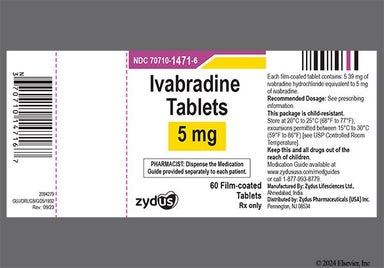
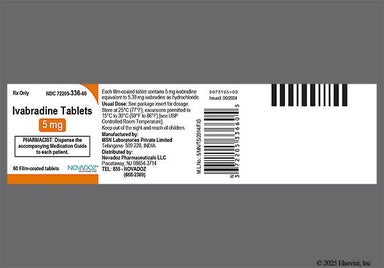
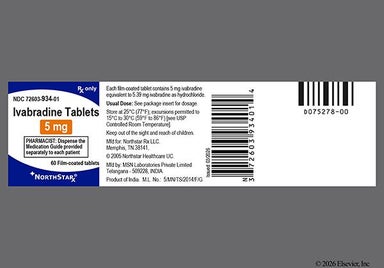
| Generic Status | Lower-cost generic available |
| Availability | Prescription only |

The following side effects may get better over time as your body gets used to the medication. Let your healthcare provider know immediately if you continue to experience these symptoms or if they worsen over time.
Contact your healthcare provider immediately if you experience any of the following.
Side effects that you should report to your care team as soon as possible:
Side effects that usually do not require medical attention (report to your care team if they continue or are bothersome):



More tips for Corlanor (ivabradine) oral solution:

Corlanor (ivabradine) can cause some serious health issues. This risk may be even higher for certain groups. If this worries you, talk to your doctor or pharmacist about other options.
Based on animal studies, Corlanor (ivabradine) might cause harm to unborn babies when it's taken during pregnancy. Be sure to use a reliable method of birth control while you're taking Corlanor (ivabradine) to prevent pregnancy. Talk to your provider right away if you become pregnant.
Corlanor (ivabradine) can raise your risk of developing a heart rhythm problem called atrial fibrillation (also known as AFib). In addition to having an irregular heart rhythm, this problem can raise your risk of complications, such as blood clots that can potentially lead to stroke or heart attack. You'll need to have your heart checked regularly for AFib while you're taking Corlanor (ivabradine). Let your provider know if you ever feel lightheaded, short of breath, or feel your heart racing with chest pressure.
Corlanor (ivabradine) can slow down your heart rate. If your heart rate is too slow, you can develop serious heart rhythm conditions. Make sure you're checking your heart rate and blood pressure at home as instructed by your provider. Let your provider know if you ever feel dizzy or extremely tired. Also tell your provider if you have a very low heart rate or low blood pressure.


Contraindications are specific health conditions or situations in which a person should not take a medication due to safety concerns. If you have any of the following conditions or if any of the following apply to you, let your healthcare provider know because Corlanor (ivabradine) will not be safe for you to take.




Prescription savings
Stop paying too much for your prescriptions. Compare prices, get pharmacy coupons, and save up to 80%.Resources
About GoodRx
 Find expert answers to your health questions so you can make the best decisions for yourself and your family.
Health conditions
Medications & treatment
Access & affordability
Well-being
Medication discounts

No, Corlanor isn't a beta blocker. Similar to beta blockers, Corlanor slows down your heart rate to help manage heart failure. But it does so in a different way.
It takes about 30 hours for most of Corlanor to leave your body after a single dose. This is based on its half-life, which is a measure of how long it takes for the amount of medication in your body to be cut in half.
Weight gain wasn't a reported side effect during studies of people taking Corlanor. If you've gained weight, it could be a sign of worsening heart failure. Talk to your provider about how often you should check your weight and when to call if you've gained too much.
Some research suggests that Corlanor might be able to lower blood pressure. But more research is needed to confirm this effect. Keep in mind that people who have very low blood pressure shouldn't take Corlanor; this might be because of its potential of lower blood pressure.
Everyone has a slightly different reaction to Corlanor, and it depends on what your heart rate is before you start taking this medication. At recommended doses, Corlanor typically lowers heart rate by 10 beats per minute (bpm). The goal of therapy is to lower the resting heart rate to between 50 and 60 beats per minute in adults and to lower the resting heart rate by 20% in children.
Corlanor raises the risk for atrial fibrillation (AFib), which is a type of abnormal heart rhythm. Your provider will check your heart rhythm regularly. Get medical help or contact your provider right away if you notice your heart racing, have shortness of breath or chest discomfort, or feel more tired than usual.
Don't stop taking Corlanor without talking to your provider first. Otherwise, this could cause your heart failure to get worse, which could lead to hospitalization or death.
Don't expect Corlanor to work right away. It takes time for the medication to get absorbed into your bloodstream (usually about 2 hours). In addition, Corlanor is typically taken long-term to help manage heart failure in the long-run.
