gefitinib
Gefitinib (Iressa) is an EGFR inhibitor used to treat non-small cell lung cancer (NSCLC). It’s only used when the tumor has a specific mutation in the EGFR gene, which can be detected with a certain test. Gefitinib (Iressa) is convenient to take because you take it by mouth, but it can have some side effects such as acne-like rash and diarrhea.


What is Gefitinib (Iressa)?
What is Gefitinib (Iressa) used for?
- Metastatic non-small cell lung cancer (NSCLC) with specific EGFR mutations
How Gefitinib (Iressa) works
Some NSCLC cancers are caused by changes in the EGFR gene. Gefitinib (Iressa) targets and blocks certain proteins from attaching to a specific receptor called EGFR. When gefitinib (Iressa) blocks EGFR, cancer cells can’t grow and spread as well.
Drug facts

Side effects of Gefitinib (Iressa)
The following side effects may get better over time as your body gets used to the medication. Let your healthcare provider know immediately if you continue to experience these symptoms or if they worsen over time.
Common Side Effects
- Rash, acne, and other skin reactions (47%)
- Labs suggesting liver irritation (38-40%)
- Build up of protein in the urine (35%)
- Diarrhea (29%)
- Nausea (18%)
- Vomiting (14%)
- Weakness (17%)
- Lower appetite (17%)
Less Common Side Effects
- Nail changes
- Mouth sores
- Dry, red, or itchy eyes
- Fever
- Dry mouth
- Hair loss
- Itching, swelling, and other symptoms of allergic reactions
- Kidney changes
Gefitinib (Iressa) serious side effects
Contact your healthcare provider immediately if you experience any of the following.
- Serious lung problems: sudden cough, fever, and difficulty breathing.
- Damage to the gut: fevers, chills, nausea, vomiting, feeling bloated, intense stomach pain
- Serious skin reactions: painful blisters, skin wounds, peeling skin
- Serious liver problems: upper stomach pain, yellow skin, yellow around the whites of the eyes
The following Gefitinib (Iressa) side effects have also been reported
Side effects that you should report to your care team as soon as possible:
- Allergic reactions—skin rash, itching, hives, swelling of the face, lips, tongue, or throat
- Dry cough, shortness of breath or trouble breathing
- Eye pain, redness, irritation, or discharge with blurry or decreased vision
- Liver injury—right upper belly pain, loss of appetite, nausea, light-colored stool, dark yellow or brown urine, yellowing skin or eyes, unusual weakness or fatigue
- Redness, blistering, peeling, or loosening of the skin, including inside the mouth
- Severe or prolonged diarrhea
- Stomach pain that is severe, does not go away, or gets worse
Side effects that usually do not require medical attention (report to your care team if they continue or are bothersome):

Pros and cons of Gefitinib (Iressa)
Pros
- Only taken once a day
- Taken by mouth, so good for people who don’t like needles
- Works in a more specific, targeted way than traditional chemotherapy
- Recommended treatment option for patients with NSCLC and certain EGFR mutations
- Can be taken with or without food
Cons
- Commonly causes acne-like skin rash on the face and body
- Need to separate from heartburn medications by 6 to 12 hours
- Can cause ongoing, severe diarrhea
- Can't take during pregnancy or breastfeeding

Pharmacist tips for Gefitinib (Iressa)

- Ask your provider about starting medications to prevent the acne-like rash as soon as you start gefitinib (Iressa), as this can help lessen the severity of the rash
- Taking heartburn medications like omeprazole (Prilosec) or antacids with gefitinib (Iressa) at the same time can cause gefitinib (Iressa) to not work as well in treating your cancer. If you need to take a heartburn medication, let your provider or pharmacist know. They might recommend that you separate your heartburn medication from gefitinib (Iressa) by 6 to 12 hours, depending on what kind you're taking, to avoid this interaction.
- If you have difficulty swallowing solids, let your provider know. They can give you instructions on how to make an oral solution from your gefitinib (Iressa) tablet. Typically, you can drop the gefitinib (Iressa) tablet in 4-8 ounces of water in a cup and stir for about 15 minutes. Immediately drink the liquid. Then, swirl the cup with another 4-8 ounces of water and drink again.
- Sometimes, taking gefitinib (Iressa) can cause your liver to become irritated. Most of the time, you won't feel any noticeable symptoms. But your provider can see signs of this through blood tests. Make sure you continue to get regular blood tests while you're taking gefitinib (Iressa) so your provider can check your liver health and make sure it's still safe for you to keep taking this medication. If you have stomach pain, yellowish skin, or yellow around the whites of your eyes, call your provider right away.
- Don't breastfeed if you're taking gefitinib (Iressa). Animal studies suggest the medication can pass into breast milk. Because of the risk of harm to the nursing infant, it’s best to avoid nursing if you’re taking gefitinib (Iressa).
- Ask your provider about the best way to handle and throw away gefitinib (Iressa) safely. Anticancer medications can be harmful to people who handle or come in contact with them. You should store the medication up and away, so children and pets won’t be able to reach it.

Common questions about Gefitinib (Iressa)
No. There are many types of mutations (genetic change) that have been found to cause NSCLC. But these mutations are very different from one another, and have different treatments. For example, Alecensa (alectinib) is another oral medication used for NSCLC, but only in people with change in the ALK gene. Gefitinib (Iressa) is only recommended to be used if you have a specific EGFR mutation. Before you start treatment for NSCLC, your provider will test to see what specific genetic mutations your tumor has to help decide what kind of treatment would be best for you.
You should take gefitinib (Iressa) as instructed by your provider. How long you take gefitinib (Iressa) depends on several factors, such as how well the medication is working to treat your cancer and how well you tolerate the side effects. Your provider will determine how well gefitinib (Iressa) is working based on if your symptoms improve and based on scan results, which are usually done every 2-4 months. Most of the common side effects, like rash and diarrhea, can be managed with other medications. But your provider might consider stopping or pausing gefitinib (Iressa) for you if you experience rare but serious side effects, such as damage in the gut. Don’t stop taking gefitinib (Iressa) without first discussing it with your provider.
People who take gefitinib (Iressa) commonly develop rash as a side effect. For most people, the rash starts out as an acne-like rash on their face, upper chest, and back and dry, flaky skin on their scalp. Your provider might give you creams or other medications to help treat the rash. The rash usually starts within the first month of taking gefitinib (Iressa). You might start to notice the rash getting better around 2 months after starting the medication. This acne-like rash is common and usually not life threatening, and is different from another skin rash that is rare but dangerous called Stevens-Johnson syndrome. If you develop severe blisters or large parts of your skin start peeling, get medical help right away.
Some medications can interact with gefitinib (Iressa) and cause it to not work well to treat your cancer, while other medications make it more likely for you to experience side effects from gefitinib (Iressa), like rash. For example, you should try not to take medications for heartburn, like proton-pump inhibitors (PPIs) or antacids, because they can prevent gefitinib (Iressa) from working well. If you must take these medications, it’s recommended to separate PPIs from gefitinib (Iressa) by 12 hours and separate antacids or histamine-2 antagonists, like famotidine (Pepcid AC), from gefitinib (Iressa) by 6 hours. Your provider or pharmacist will review all the medications that you’re taking before you start gefitinib (Iressa) to make sure there aren’t any interactions.
Talk with your provider if you’re pregnant or thinking about becoming pregnant. Gefitinib (Iressa) hasn’t been well-studied in human pregnancies, but animal studies show that gefitinib (Iressa) might cause harm to an unborn baby. If you’re a female who's able to have babies, you should use birth control while taking gefitinib (Iressa) and for at least two weeks after the last dose. Let your provider know right away if you become pregnant while taking gefitinib (Iressa).

How to save using GoodRx


Risks and warnings for Gefitinib (Iressa)
Gefitinib (Iressa) can cause some serious health issues. This risk may be even higher for certain groups. If this worries you, talk to your doctor or pharmacist about other options.
Serious lung problems
Though rare, some people taking gefitinib (Iressa) have experienced a serious lung problem called interstitial lung disease (ILD). Talk to your provider right away if you experience sudden or worsening cough, trouble breathing , and fever. You might have to pause or stop gefitinib (Iressa) while your provider figures out the cause.
Serious liver problems
Risk factor: History of liver problems
Your doctor will monitor your liver health on a regular basis when you start gefitinib (Iressa). This is because some people taking gefitinib (Iressa) have shown higher levels of liver enzymes on their blood tests, which can suggest liver problems. Most people don’t feel any noticeable symptoms when this happens, so it’s important to keep up with your lab work regularly. If your liver enzyme level keeps going up, your provider might ask you to pause or stop the gefitinib (Iressa) while they look into it. If you have noticeable symptoms of liver problems, such as stomach pain, yellowish skin, or yellow around the whites of your eyes, call your provider right away.
Tears in the lining of your gut
Risk factor: History of stomach ulcers or other gut problems | Taking certain medications that can raise your risk for stomach tears, like aspirin or ibuprofen (Advil)
While very rare, gefitinib (Iressa) can cause tears in the lining of the stomach, intestines, or bowel (gastrointestinal perforation). Seek medical help right away if you experience sudden or severe stomach pain, fever, chills, nausea, or vomiting. If you develop a tear in the lining of your gut, you’ll have to stop taking gefitinib (Iressa).
Severe diarrhea
Though not common, some people taking gefitinib (Iressa) have had severe diarrhea that is difficult to stop. Let your provider know if you have severe diarrhea (more than 7 bowel movements more than what’s normal for you in one day) or diarrhea that continues for two weeks because they might tell you to pause or stop taking gefitinib (Iressa). Your provider might also give you tips on how to manage less severe diarrhea at home with over-the-counter medications, like loperamide (Imodium-AD), and by eating bland foods and drinking lots of fluids.
Eye problems
Gefitinib (Iressa) can cause unusual eyelash growth, eyelid swelling, swelling of the tissue around your eyes, and dry eyes. Tell your provider if you have any vision changes while taking gefitinib (Iressa) because you might need to pause or stop taking this medication.
Serious skin problems
Mild rashes are common and usually not serious for people taking gefitinib (Iressa). But rarely, this medication can also cause serious skin problems, including severe skin reactions or infections that can be life-threatening, such as Stevens-Johnson syndrome. Tell your provider right away if you develop painful blisters, skin wounds, or peeling skin as these are signs of a serious skin reaction that need immediate medical attention.
Harm to unborn baby
Based on animal studies, gefitinib (Iressa) might harm an unborn baby or raise the risk for miscarriage (pregnancy loss). Because of these risks, if you’re a female who can get pregnant, you should use birth control while taking gefitinib (Iressa) and for two weeks after the last dose. Let your provider know right away if you become pregnant while taking gefitinib (Iressa).

Gefitinib (Iressa) dosage
Typical dosage for Gefitinib (Iressa)
The usual dose of gefitinib (Iressa) is 250 mg by mouth once a day.

What are alternatives to Gefitinib (Iressa)?

News about Gefitinib (Iressa)


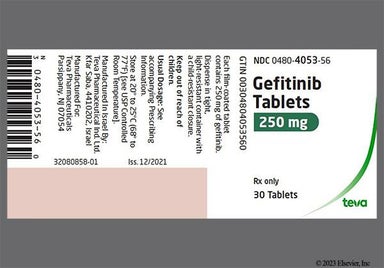
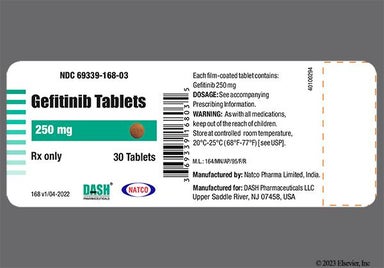
Gefitinib (Iressa) images