



How Much Is Nexplanon Without Insurance?
Without insurance, Nexplanon can cost more than $1,000 per implant, which prevents pregnancy for up to 5 years. Find out ways to save on Nexplanon.
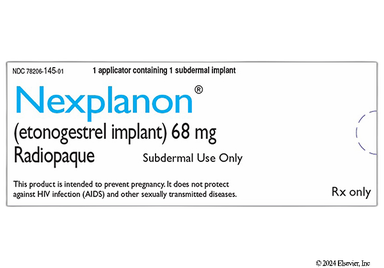
Nexplanon (etonogestrel) is an implant placed in your arm to prevent pregnancy. It's a type of long-acting birth control that can prevent pregnancy for up to 5 years after insertion. It's one of the most effective forms of birth control available. Nexplanon (etonogestrel) only contains one type of hormone, a progestin called etonogestrel. The most common side effects include headaches and irregular vaginal bleeding (e.g., longer periods, spotting).

The Nexplanon (etonogestrel) implant slowly releases etonogestrel, which is a progestin (a lab-made form of progesterone). It works to prevent pregnancy in a few ways.
| Common Brands | Nexplanon |
|---|---|
| Drug Class | Progestin |
| Controlled Substance Classification | Not a controlled medication |
| Generic Status | No lower-cost generic available |
| Availability | Prescription only |

The following side effects may get better over time as your body gets used to the medication. Let your healthcare provider know immediately if you continue to experience these symptoms or if they worsen over time.
Contact your healthcare provider immediately if you experience any of the following.
Along with its needed effects, a medicine may cause some unwanted effects. Although not all of these side effects may occur, if they do occur they may need medical attention.
Check with your doctor or nurse immediately if any of the following side effects occur:
More common
Breast pain
chills
general feeling of discomfort or illness
headache
joint pain
loss of appetite
muscle aches and pain
shivering
sweating
trouble sleeping
unusual tiredness or weakness
vomiting
Less common
Bleeding, blistering, burning, coldness, discoloration of the skin, feeling of pressure, hives, infection, inflammation, itching, lumps, numbness, pain, rash, redness, scarring, soreness, stinging, swelling, tenderness, tingling, ulceration, or warmth at the insertion site
blurred vision or other changes in vision
breast discharge
breast enlargement
burning feeling while urinating
difficult or painful urination
difficulty with breathing
difficulty with swallowing
dizziness
headache, severe and throbbing
lumps in the breasts
nervousness
noisy breathing
painful or tender cysts in the breasts
pounding in the ears
puffiness or swelling of the eyelids or around the eyes, face, lips, or tongue
shortness of breath
slow or fast heartbeat
stomach or pelvic discomfort, aching, or heaviness
swelling of the hands, ankles, feet, or lower legs
tightness in the chest
Rare
Collection of blood under the skin at the insertion site
deep, dark purple bruise at the insertion site
Some side effects may occur that usually do not need medical attention. These side effects may go away during treatment as your body adjusts to the medicine. Also, your health care professional may be able to tell you about ways to prevent or reduce some of these side effects. Check with your health care professional if any of the following side effects continue or are bothersome or if you have any questions about them:
More common
Back pain
blemishes on the skin, pimples
body aches or pain
crying
depersonalization
discouragement
dysphoria
ear congestion
euphoria
feeling sad or empty
hoarseness
increased clear or white vaginal discharge
increased weight
irregular bleeding cycle
irritability
itching of the vagina or genital area
light vaginal bleeding between regular menstrual periods
loss of interest or pleasure
loss of voice
mental depression
pain, cramps, or heavy menstrual bleeding
pain during sexual intercourse
pain or tenderness around the eyes and cheekbones
paranoia
quick to react or overreact emotionally
rapidly changing moods
stomach pain
tender, swollen glands in the neck
thick, white vaginal discharge with no odor or with a mild odor
trouble concentrating
voice changes
Less common
Abnormal ejaculation
abnormal or decreased touch sensation
belching
bone pain
burning feeling in the chest or stomach
decreased interest in sexual intercourse
difficulty having a bowel movement
difficulty with moving
dull ache or feeling of pressure or heaviness in the legs
excess air or gas in the stomach or intestines
feeling of vaginal pressure
feeling of warmth
hair loss or thinning of the hair
inability to have or keep an erection
increased appetite
increased hair growth on the forehead, back, arms, and legs
indigestion
itching skin near damaged veins
lack or loss of strength
loss in sexual ability, desire, drive, or performance
muscle cramping or stiffness
passing gas
pelvic pain
redness of the face, neck, arms, and occasionally upper chest
redness, swelling in the ear, or earache
sleepiness or unusual drowsiness
stomach bloating and cramping
swollen joints
tenderness in the stomach area
vaginal burning or pain
Other side effects not listed may also occur in some patients. If you notice any other effects, check with your healthcare professional.
Call your doctor for medical advice about side effects. You may report side effects to the FDA at 1-800-FDA-1088.




Nexplanon (etonogestrel) can cause some serious health issues. This risk may be even higher for certain groups. If this worries you, talk to your doctor or pharmacist about other options.
 It's important for Nexplanon (etonogestrel) to be put in and taken out properly and safely. If it isn't, it can raise the risk of problems, including pain, bleeding, or infection. Improper insertion can also make the implant not work well, raising the chance of an unplanned pregnancy. If the implant is placed too deep, it can damage nearby muscles, tissues, or blood vessels. Rarely, a deeply placed implant can move to another part of the body.
Because of these risks, Nexplanon (etonogestrel) is only available through a Risk Evaluation and Mitigation Strategies (REMS) program. This safety program is called the Nexplanon REMS. Healthcare professionals must be registered in this program and get special training. It makes sure they're trained to insert and remove the implant safely and properly. This helps lower the risk of complications from the procedure.
Nexplanon (etonogestrel) is placed just under the skin, so you should always be able to feel it in your arm. If you can't feel it at any time, call your care team right away. Use a backup birth control method, like condoms, until a healthcare professional checks that the implant is in the right place. If it isn't, the healthcare professional will need to remove it.
Nexplanon (etonogestrel) can commonly cause a change from your normal menstrual bleeding patterns. This can include absent periods, spotting, or longer or shorter periods. If you're worried about any menstrual cycle changes, talk to your prescriber. Most of the time, the type of periods you have during the first 3 months after getting the implant inserted will stay the same while the implant is in place.
If you happen to get pregnant while using Nexplanon (etonogestrel), there's a small chance that the pregnancy might be ectopic. This means that the fertilized egg has attached outside of the womb. Ectopic pregnancies have a risk of complications. Call your prescriber if you have serious pain in your stomach area so they can check for ectopic pregnancy.
Nexplanon (etonogestrel) can raise the risk of ovarian cysts, or small sacs of fluid in the ovary. Ovarian cysts rarely cause problems and tend to go away without any treatment. But call your prescriber if you have unexplained pelvic pain, serious pain in your stomach area, or bloating. These could be signs of an ovarian cyst that need to get checked out.
Combination birth control containing estrogen and progestin have been linked to blood clots. The risk is small, but blood clots can be very dangerous. They can lead to a heart attack, stroke, or pulmonary embolism (blood clot in the lungs). Nexplanon (etonogestrel) only has a progestin. It's not clear if it has the same risk for blood clots as combination birth control.
To be safe, tell your prescriber about your medical history, including any past blood clots. They can make sure Nexplanon (etonogestrel) is safe for you. You shouldn't get the implant within 3 weeks of delivering a baby because the risk of clots is higher then. If you're planning to have surgery that needs bed rest for recovery, ask the surgeon if you should get the implant removed first.
Call 911 or get emergency help right away if you have any signs of a blood clot. Look out for pain in your legs or arms, chest pain, sudden severe headaches, trouble breathing, or sudden changes in vision or speech. If a blood clot happens, you should get Nexplanon (etonogestrel) removed right away.
Experts aren't sure if combination birth control raises the risk of breast cancer or cervical cancer. But some cancers can be sensitive to the hormones found in birth control.
If you have had breast cancer or have a family history with it, talk to your prescriber before using Nexplanon (etonogestrel). They can help you choose a birth control option that might be safer for you. Remember to do monthly breast self-exams and tell your care team if you notice any changes.
Call your prescriber right away if you notice yellow skin or eyes, pain in the upper right part of your stomach, or dark urine. These might be signs of liver problems. If this happens, you should get Nexplanon (etonogestrel) removed right away so your care team can check out what's going on. It's not clear if Nexplanon (etonogestrel) can raise the risk of liver tumors. People who have liver problems or liver cancer shouldn't use Nexplanon (etonogestrel).
If you have high blood pressure, talk to a healthcare professional before Nexplanon (etonogestrel). This is important if you have blood pressure that isn’t under control or within blood pressure goals.
Your care team might ask you to check your blood pressure regularly to make sure it doesn’t get unusually high. If it stays higher than usual, tell your care team. Also call them right away if you notice changes in your vision, headache, a racing heart, or flushing. These can be signs of seriously high blood pressure.
Nexplanon (etonogestrel) can raise your blood sugar levels. It can also raise your cholesterol levels. If you have a history of having high blood sugar or high cholesterol levels, let your care team know. They might need to check your levels more often to make sure they don’t get unusually high while you're using Nexplanon (etonogestrel).
Some people might gain some weight while using Nexplanon (etonogestrel). In studies, this weight gain wasn't too significant. It's also not clear if the weight gain is from the implant itself or other reasons. Keep track of your weight while using Nexplanon (etonogestrel). If you're gaining weight too much too fast, talk to your care team. They can discuss with you about ways to manage your weight and other birth control options if needed.
Studies suggest that combination birth control might slightly raise the risk of gallbladder problems. It's not clear if there's a similar risk with Nexplanon (etonogestrel).
To be safe, tell your provider if you’ve had gallbladder problems before. Get medical help if you have symptoms of gallbladder problems while using Nexplanon (etonogestrel). Watch for yellow skin or eyes, chills, nausea or vomiting with severe pain in the upper right part of your stomach, dark urine, or light-colored stools. Your care team can check your gallbladder.
Let your care team know if you have any vision changes after starting Nexplanon (etonogestrel). If so, you might need to have your vision checked by an eye specialist.
Nexplanon (etonogestrel) wears off quickly after it's removed. Most people start ovulating again within 2 weeks of removal. This means you can become pregnant during your first menstrual cycle without the implant. To keep preventing pregnancy, be sure to switch to another birth control or use a backup method (e.g., condoms, diaphragms) as soon as the implant is removed.

Nexplanon (etonogestrel) is placed under the skin of your upper arm by a trained healthcare professional at their office. Once it's in place, it can prevent pregnancy for up to 5 years.

Although certain medicines should not be used together at all, in other cases two different medicines may be used together even if an interaction might occur. In these cases, your doctor may want to change the dose, or other precautions may be necessary. When you are receiving this medicine, it is especially important that your healthcare professional know if you are taking any of the medicines listed below. The following interactions have been selected on the basis of their potential significance and are not necessarily all-inclusive.
Using this medicine with any of the following medicines is not recommended. Your doctor may decide not to treat you with this medication or change some of the other medicines you take.
Using this medicine with any of the following medicines is usually not recommended, but may be required in some cases. If both medicines are prescribed together, your doctor may change the dose or how often you use one or both of the medicines.
Using this medicine with any of the following medicines may cause an increased risk of certain side effects, but using both drugs may be the best treatment for you. If both medicines are prescribed together, your doctor may change the dose or how often you use one or both of the medicines.

Contraindications are specific health conditions or situations in which a person should not take a medication due to safety concerns. If you have any of the following conditions or if any of the following apply to you, let your healthcare provider know because Nexplanon (etonogestrel) will not be safe for you to take.









Prescription savings
Stop paying too much for your prescriptions. Compare prices, get pharmacy coupons, and save up to 80%. Find expert answers to your health questions so you can make the best decisions for yourself and your family.
Health conditions
Medications & treatment
Access & affordability
Medication discounts

Nexplanon is long acting and can prevent pregnancy for up to 5 years. If you want to keep using the implant for birth control, you'll need to get it removed after 5 years and get a new one put in. A trained healthcare professional will help remove the old implant and replace it with a new one.
If Nexplanon is placed within 5 days of starting your period, it will start to work right away to prevent pregnancy. This means you won't need to use a backup birth control method, like condoms. If it's placed after day 5 of your period, use a backup method for the first 7 days after the implant gets inserted. If you're switching from another birth control method, ask your prescriber about when Nexplanon will start working. Also ask if you need backup protection at first.
Nexplanon is one of the most effective methods of birth control available. It's over 99% effective, meaning that fewer than 1 out of every 100 people gets pregnant while using this medication for 1 year. Pregnancy is more likely to happen if your implant isn't in the correct position. Call your care team if you can't feel your implant on the inside of your upper arm. This can be a sign that the implant isn't in a right place for it to work.
A trained healthcare professional will place Nexplanon under the skin of the inner side of your upper arm. They'll insert the implant with a needle using an applicator. They might numb the insertion area beforehand to lessen any pain. The procedure should take a few minutes.
You can get Nexplanon removed at any time within 5 years after it was placed. A trained healthcare professional will help remove the implant at their office. They'll first put some numbing medication around the area where the implant was inserted. Then, they'll make a small cut there and gently remove the implant with forceps. After it's removed, they'll close your wound and place a bandage over the area. While you can remove the top bandage after 24 hours, you'll need to keep the wound closure adhesive on for 3 to 5 days.
In studies, some people who used Nexplanon had some weight gain as a side effect. People gained an average of 3 pounds after having the implant in place for 1 year and 4 pounds after 2 years of insertion. A small group of people stopped using Nexplanon because of weight gain. But it's unclear whether the weight gain was caused by the implant or other reasons. If you do gain weight, it could be because your body is holding onto water and you might feel bloated. If you've gained a lot of weight since you started using Nexplanon, tell your prescriber.
Acne is one of the most common side effects of Nexplanon. Most acne caused by this medication is mild and can be treated with over-the-counter products. If your acne gets severe or bothers you too much, let your care team know so you can discuss alternatives.
How soon you can get pregnant after you get Nexplanon removed can be different for everyone. But it's possible for some people to get pregnant as soon as 1 week after removal. If you're not sure whether you want to get pregnant after getting the implant removed, make sure to use a condom or another birth control method.
