





From Constipation to Taste Changes: 6 Iron Supplement Side Effects and How to Manage Them
Read on to learn about the side effects of iron supplements, such as nausea and constipation, and how to manage them.

Iron is a mineral supplement that's taken by children and adults to prevent or treat low iron levels. Sometimes, a provider might only recommend iron supplements for a period of time, like during pregnancy. Iron supplements come in many forms, such as ferrous sulfate and ferrous gluconate, that differ in how much iron they contain and dosing. Iron supplements are also available in various formulations, such as gummies, slow-release tablets, or liquid solutions. Some side effects of iron supplements include constipation and nausea.

Iron is a supplement. Your body needs iron to make healthy red blood cells, which are needed to carry oxygen to all parts of the body. Iron also helps your body make a protein that gives oxygen to your muscles. Iron supplements raise the level of iron in the body when you don't have enough.
| Common Brands | FeroSul, Ferate, Ferretts, Iferex 150, Slow Fe |
|---|---|
| Drug Class | Iron supplement |
| Controlled Substance Classification | Not a controlled medication |
| Generic Status | Lower-cost generic available |
| Availability | Over-the-counter |

The following side effects may get better over time as your body gets used to the medication. Let your healthcare provider know immediately if you continue to experience these symptoms or if they worsen over time.
Side effects that you should report to your care team as soon as possible:
Side effects that usually do not require medical attention (report to your care team if they continue or are bothersome):




Iron supplements can cause some serious health issues. This risk may be even higher for certain groups. If this worries you, talk to your doctor or pharmacist about other options.
 Keep iron supplements away and out of reach of children to prevent them from accidentally taking it. Accidental overdose with medications containing iron is a leading cause of fatal (deadly) poisoning in children under 6 years old. Symptoms of iron overdose include severe stomach pain, vomiting, and diarrhea. If you suspect that you or your child has accidentally overdosed on iron supplements, get emergency medical help or contact the poison control center at 1-800-222-1222 right away.


Contraindications are specific health conditions or situations in which a person should not take a medication due to safety concerns. If you have any of the following conditions or if any of the following apply to you, let your healthcare provider know because Iron supplements will not be safe for you to take.
















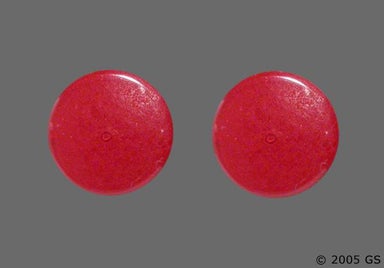



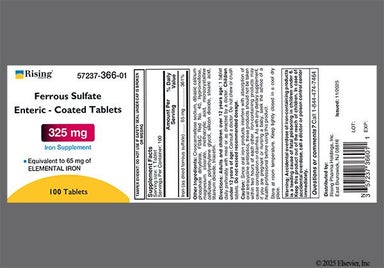
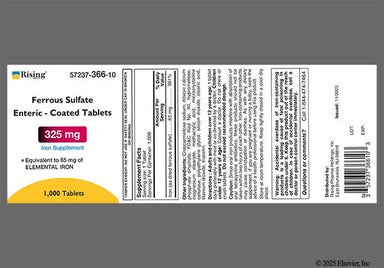


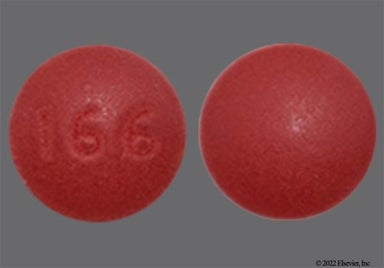
Prescription savings
Stop paying too much for your prescriptions. Compare prices, get pharmacy coupons, and save up to 80%. Find expert answers to your health questions so you can make the best decisions for yourself and your family.
Health conditions
Medications & treatment
Access & affordability
Medication discounts

Ask your provider if you're not sure whether you need to take Ferrous Sulfate. They can check your iron level through blood work to see if its within a healthy range. Not everyone needs Ferrous Sulfate. Many people get enough iron through the foods that they eat such as meat, dark leafy vegetables, and cereal. But if you're not able to get enough iron through foods, your provider will ask you to start an iron supplement. Sometimes, your provider might ask you to start taking Ferrous Sulfate if you're pregnant or if you have heavy menstrual periods because your body will need more iron during these times.
Your body absorbs oral Ferrous Sulfate best if you take it on an empty stomach. But if you experience stomach-related side effects from your iron supplement, taking it with food can help. Always double check the label for your specific iron product to find out the exact directions. Ferrous Sulfate come in many forms, such as tablets, gummies, and liquid solutions. You might need to take your dose once to a few times a day, depending on which formulation of iron (e.g., ferrous sulfate, ferrous gluconate) you're taking.
There might be several reasons why your body isn't absorbing Ferrous Sulfate well. One reason is that you might have a medical condition that affects absorption, such as celiac disease. Another reason is that you're taking your iron supplement with other medications or foods that affect iron absorption. For example, calcium-containing antacids, or the calcium in milk or yogurt can make it difficult for your body to absorb iron. It's best separate iron from these medications or foods to prevent this interaction. If you think your body isn't absorbing iron supplements well, talk with your provider and they can try to help you figure out the cause.
Typically, your body should start to respond to Ferrous Sulfate within a week. You might need to wait 2 to 4 weeks to see your hemoglobin levels go up on lab results. You might start to notice certain symptoms of low iron levels, such as weakness and tiredness, improve during this time. But it might take longer for your hemoglobin levels and symptoms to fully recover. If your provider asked you to start Ferrous Sulfate, they might ask you to go for blood draws regularly to see how your body is responding to the medication.
Your provider will tell you how much iron you need to take based on your health conditions and blood test results. For examples, people who are pregnant or who have heavy menstrual periods need more iron than people who aren't pregnant or who don't have heavy periods. In addition, your dose of iron supplement can differ depending on which form of iron you're taking (e.g., ferrous sulfate, ferrous gluconate). This is because these different iron forms contain different amounts of elemental iron, which refers to how much iron your body can absorb. If you're not sure how much iron to take, check in with your provider.
Yes, Ferrous Sulfate can cause constipation as a side effect. To prevent constipation, make sure to drink enough water to stay hydrated. If needed, ask your provider whether a stool softener is appropriate for you.
Ferrous Sulfate can affect how certain medications get absorbed into your body, so let your provider know all of the medications you currenly take or plan to take. Certain antibiotics (like tetracycline) should be separated from Ferrous Sulfate by at least 2 hours. Antacids (like calcium carbonate) can also lower the amount of iron that gets absorbed, so you should take Ferrous Sulfate a few hours before or after antacids. Other medications that can interfere with Ferrous Sulfate include levodopa, levothyroxine, lansoprazole (Prevacid), omeprazole (Prilosec), and calcium supplements.
Ferrous sulfate, ferrous gluconate, and ferrous fumarate are types of iron salt formulations called ferrous salts. These forms are most commonly recommended, because they are better absorbed than other forms of iron (e.g., ferric). These ferrous salts differ in the amount of elemental iron they contain (how much iron your body actually absorbs). Ask a pharmacist to help compare the different types of iron and figure out how much elemental iron each ferrous salt form contains.
