Key takeaways:
Humira (adalimumab) is a biologic medication that treats several autoimmune conditions. It reduces inflammation by blocking a protein called tumor necrosis factor (TNF). Most Humira interactions raise the risk of serious infection due to a weakened immune system.
Humira interacts with other TNF inhibitors, such as Enbrel (etanercept). It also interacts with several other biologics, such as Rituxan (rituximab), and Janus kinase (JAK) inhibitors, such as Rinvoq (upadacitinib).
You should avoid live vaccines while receiving Humira. But inactivated vaccines, such as your yearly flu shot, are still recommended. Reviewing your medication list with your healthcare team before starting Humira can help them prevent or manage any potential interactions.
Save on related medications
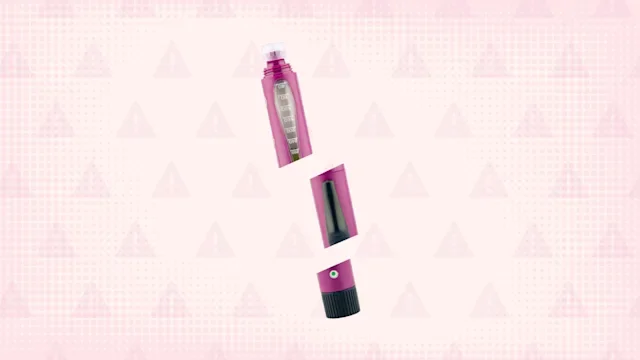
Humira (adalimumab) is an injectable biologic medication that’s FDA approved to treat several autoimmune disorders. These include rheumatoid arthritis, psoriatic arthritis, and Crohn’s disease.
Humira is a tumor necrosis factor (TNF) inhibitor. By blocking TNF (a protein involved in inflammation), Humira helps relieve symptoms in the joints, skin, and gut. It also helps lower the risk of your condition worsening over time.
While Humira is effective for treating many conditions, there are a few things to know before taking it. Understanding potential drug interactions can help you safely use the medication. The main concern with Humira interactions is that some medications can raise the risk of side effects, including the risk of infections. Here’s what you should know.
Humira interactions at a glance
There are several Humira interactions to be aware of, including:
Other TNF inhibitors, such as Enbrel (etanercept)
Methotrexate
Rituxan (rituximab)
Orencia (abatacept)
Kineret (anakinra)
Janus kinase (JAK) inhibitors, such as Olumiant (baricitinib)
Other immunosuppressants (medications that reduce the activity of your immune system), such as corticosteroids
Live vaccines, such as the measles, mumps, and rubella (MMR) vaccine
This isn’t a complete list of all possible Humira interactions. Sharing your up-to-date medication list with your healthcare team — including all prescription and OTC medications, vitamins, and supplements — can help them identify and manage any interactions in advance. You should also check in before making any changes to your medications or starting anything new.
Below, we cover seven notable Humira interactions in greater detail.
1. Other TNF inhibitors, such as Enbrel (etanercept)
Humira interacts with other TNF inhibitors, such as Enbrel. All TNF inhibitors carry a risk of serious infections. That’s because blocking TNF helps reduce inflammation, but it also weakens the immune system. This means your body may have a harder time fighting off infections.
It’s not recommended to use more than one TNF inhibitor at a time. Combining multiple TNF blockers can raise the risk of serious infection. You may also experience other new or worsening side effects with little added benefit.
To help avoid taking duplicate or overlapping TNF blockers, be sure to update your prescriber and pharmacist on your recent and current medications before starting Humira.
2. Rituxan (rituximab)
Rituxan is a biologic medication that treats certain types of cancer, autoimmune disorders, and other health conditions. Combining Rituxan and Humira can raise your risk of serious infections. What’s more, there’s no added benefit to receiving both medications. So it’s best to avoid this combination.
3. Orencia (abatacept)
Orencia is another injectable biologic medication. It’s used for certain autoimmune disorders and to prevent graft-versus-host disease after a stem cell or bone marrow transplant.
It’s recommended to avoid combining Humira and Orencia, which treat similar conditions. As with other Humira interactions, this combination can raise your risk of serious infections.
4. Kineret (anakinra)
Kineret is another biologic medication that interacts with Humira. Receiving Kineret and a TNF blocker such as Humira can raise your risk of serious infection. These medications treat some of the same health conditions. But your prescriber will typically choose one or the other, not both at the same time.
5. JAK inhibitors, such as Rinvoq (upadacitinib)
JAK inhibitors treat many of the same conditions as Humira. Examples include Olumiant, Rinvoq (upadacitinib) and Xeljanz (tofacitinib). The combination of JAK inhibitors and Humira raises the risk of serious infection.
Avoid taking a JAK inhibitor while receiving Humira. If you’re switching from one to the other, your care team should guide you on how to do so safely.
6. Live vaccines
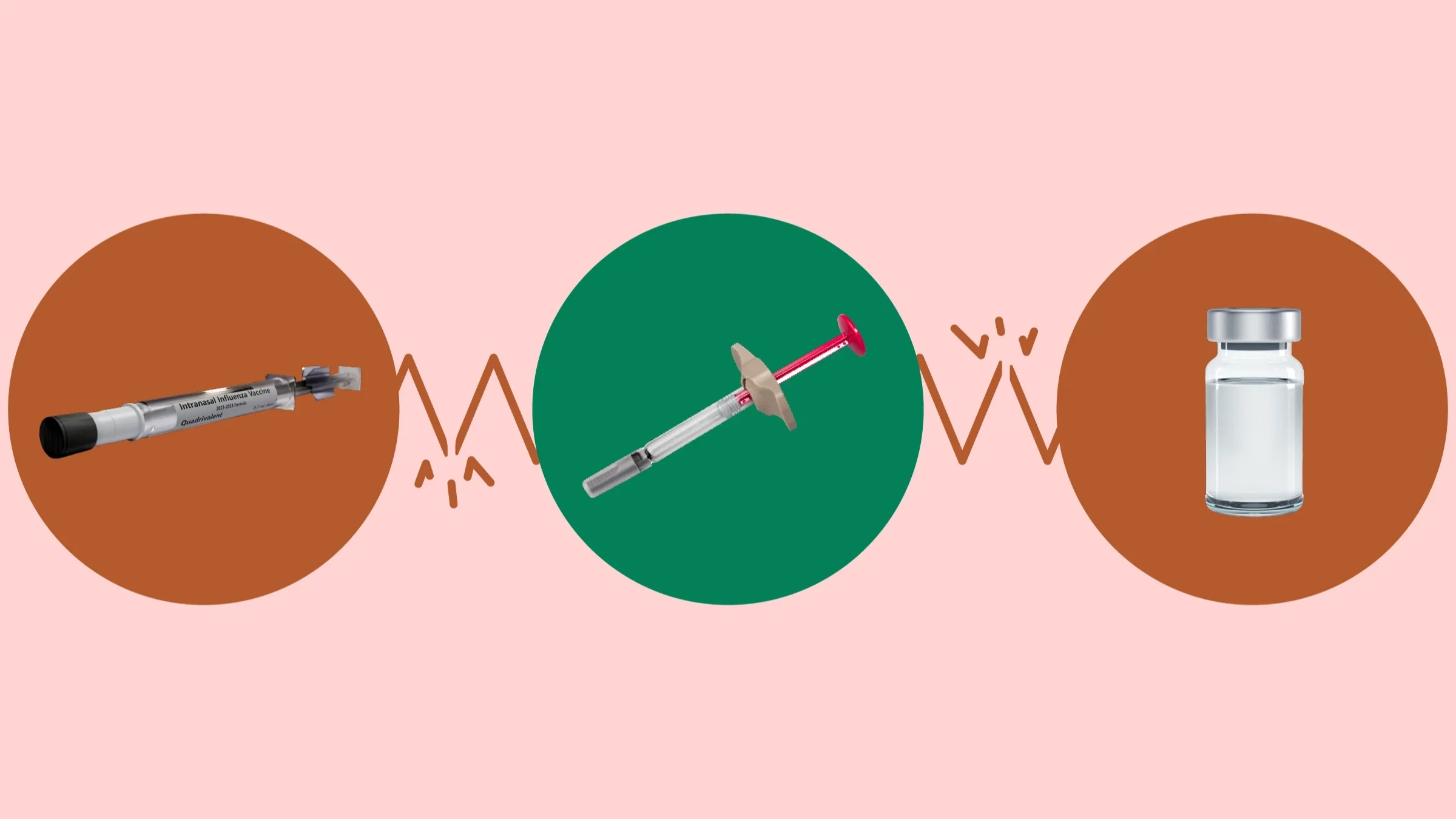
Live vaccines contain a live but weakened virus. You should avoid live vaccines while you’re receiving Humira. This combination hasn’t been well studied, so experts don’t know if it’s safe or effective. And there’s a concern that live vaccines could be riskier for people without a fully functioning immune system. Examples of live vaccines include:
Measles-mumps-rubella (MMR) vaccine
Nasal spray flu vaccine (FluMist)
Varicella (chickenpox) vaccine
It’s best to receive all of your necessary vaccines, including live vaccines, before starting Humira. Your healthcare team can help ensure you’re up to date with any vaccines before your first dose.
Good to know: Humira doesn’t interact with vaccines that aren't live (inactivated vaccines). These vaccines may be less effective because of Humira’s impact on the immune system. But you still can (and should) safely receive inactivated vaccines, such as the COVID-19 vaccine and your yearly flu shot, while receiving Humira.
7. Methotrexate
Methotrexate is an anti-inflammatory medication approved to treat many of the same conditions as Humira. Methotrexate slows down the removal of Humira from the body. This can raise Humira levels in the body, which may lead to more side effects, such as headaches and skin rashes.
It’s common to use both methotrexate and Humira even though they interact. That’s because the benefits of the combination outweigh the risks for many people. But if you’re getting started with this combination, watch for new or worsening side effects. If you notice anything unusual or bothersome, be sure to tell your prescriber.
Good to know: As with methotrexate, other nonbiologic immunosuppressants can interact with Humira. But your prescriber may still recommend them if the risks outweigh the benefits. Common examples include corticosteroids and sulfasalazine (Azulfidine). If you’re taking Humira with one of these medications, keep a close eye out for signs and symptoms of an infection, and let your prescriber know right away if they occur.
Frequently asked questions
While Humira doesn’t directly interact with alcohol, it’s a good idea to limit alcohol use during treatment. Heavy drinking can weaken your immune system, which may further raise the risk of infections. Alcohol may also worsen inflammation and other symptoms of your autoimmune disorder, which can make it harder for Humira to work. Talk to your healthcare team about any questions or concerns about drinking alcohol while receiving Humira.
You shouldn’t receive Humira if you’ve had an allergic reaction to any of its ingredients. It’s also best to discuss the risks versus benefits of Humira with your healthcare team if you have a history of cancer, serious infections (including tuberculosis and hepatitis B), or central nervous system disorders. Your prescriber will help determine whether Humira is a safe treatment option based on your medical history and other medications you’re taking.
We don’t have any direct studies on Humira interactions with herbal supplements. But some supplements, such as glucosamine, can weaken your immune system, making infections more likely. And supplements such as echinacea and elderberry can ramp up immune system activity, which could interfere with Humira’s effectiveness. So it’s best to check with your healthcare team before adding any supplements to your treatment regimen.
While Humira doesn’t directly interact with alcohol, it’s a good idea to limit alcohol use during treatment. Heavy drinking can weaken your immune system, which may further raise the risk of infections. Alcohol may also worsen inflammation and other symptoms of your autoimmune disorder, which can make it harder for Humira to work. Talk to your healthcare team about any questions or concerns about drinking alcohol while receiving Humira.
You shouldn’t receive Humira if you’ve had an allergic reaction to any of its ingredients. It’s also best to discuss the risks versus benefits of Humira with your healthcare team if you have a history of cancer, serious infections (including tuberculosis and hepatitis B), or central nervous system disorders. Your prescriber will help determine whether Humira is a safe treatment option based on your medical history and other medications you’re taking.
We don’t have any direct studies on Humira interactions with herbal supplements. But some supplements, such as glucosamine, can weaken your immune system, making infections more likely. And supplements such as echinacea and elderberry can ramp up immune system activity, which could interfere with Humira’s effectiveness. So it’s best to check with your healthcare team before adding any supplements to your treatment regimen.
The bottom line
Most Humira (adalimumab) interactions raise the risk of serious infection from a weakened immune system. Humira interacts with other medications in its class, such as Enbrel (etanercept). It also interacts with other biologic medications, such as Rituxan (rituximab), and Janus kinase (JAK) inhibitors, such as Rinvoq (upadacitinib). Avoid combining these medications with Humira.
You should also avoid live vaccines while receiving Humira. But inactivated vaccines, such as your yearly flu shot, are still recommended. Humira also interacts with methotrexate. But the benefits of this combination often outweigh the possible risks. Reviewing your medication list with your healthcare team before starting Humira can help them prevent or manage any potential interactions.

Why trust our experts?




References
AbbVie. (2025). Humira- adalimumab [package insert].
Centers for Disease Control and Prevention. (2024). Altered immunocompetence.
Centers for Disease Control and Prevention. (2024). Preventing infections in cancer patients: Know the signs and symptoms of infection.
Ma, L. (2002). Immunosuppressive effects of glucosamine. Journal of Biological Chemistry.
National Institutes of Health. (2025). Dietary supplements for immune function and infectious diseases. Office of Dietary Supplements.
Nellore, A. (2025). IDSA 2025 guidelines on the use of vaccines for the prevention of seasonal COVID-19, influenza, and RSV infections in immunocompromised patients. Infectious Diseases Society of America.
U.S. Department of Health and Human Services. (2022). Vaccine types.
Van Huizen, A., et al. (2024). Quantifying the effect of methotrexate on adalimumab response in psoriasis by pharmacokinetic–pharmacodynamic modeling. Journal of Investigative Dermatology.