Hemiclor
Hemiclor (chlorthalidone) is used to treat high blood pressure in adults. It's a type of diuretic, or also known as a water pill. This medication is taken by mouth once a day. Side effects include needing to urinate more, dizziness, and changes in electrolyte levels.


What is Hemiclor (chlorthalidone)?
What is Hemiclor (chlorthalidone) used for?
How Hemiclor (chlorthalidone) works
Hemiclor (chlorthalidone) is a thiazide-like diuretic, which is a type of water pill. It works in the kidneys to remove extra water and certain electrolytes from your body. You urinate out the extra water and electrolytes. This helps lower your blood pressure.
Drug facts
| Common Brands | Hemiclor |
|---|---|
| Drug Class | Thiazide-like diuretic |
| Controlled Substance Classification | Not a controlled medication |
| Generic Status | No lower-cost generic available |
| Availability | Prescription only |
More on Hemiclor (chlorthalidone) essentials


Side effects of Hemiclor (chlorthalidone)
The following side effects may get better over time as your body gets used to the medication. Let your healthcare provider know immediately if you continue to experience these symptoms or if they worsen over time.
Common Side Effects
- Urinating more
- Dizziness
- Headache
Less Common Side Effects
- Nausea
- Vomiting
- Diarrhea
- Constipation
- Stomach cramps
- Muscle spasm
- Weakness
- Skin that's sensitive to the sun
- Rash
Hemiclor (chlorthalidone) serious side effects
Contact your healthcare provider immediately if you experience any of the following.
- Allergic reaction: trouble breathing; swelling of the mouth, tongue, or throat; rash; hives
- Kidney problems: not urinating as often as usual, feeling tired, confusion
- Abnormal electrolyte levels: very thirsty, tired, weak, confused, muscle cramps or pain, muscle twitching, nausea, vomiting, fast heartbeat
More on Hemiclor (chlorthalidone) side effects

The following Hemiclor (chlorthalidone) side effects have also been reported
Along with its needed effects, a medicine may cause some unwanted effects. Although not all of these side effects may occur, if they do occur they may need medical attention.
Check with your doctor immediately if any of the following side effects occur:
Incidence not known
Abdominal or stomach pain
black, tarry stools
bleeding gums
blistering, peeling, or loosening of the skin
blood in the urine or stools
blurred vision
burning, crawling, itching, numbness, prickling, "pins and needles", or tingling feelings
chills
clay-colored stools
cold sweats
confusion
cough or hoarseness
coughing up blood
darkened urine
difficulty having a bowel movement (stool)
dizziness, faintness, or lightheadedness when getting up suddenly from a lying or sitting position
fast heartbeat
flushed, dry skin
fruit-like breath odor
general feeling of tiredness or weakness
headache
increased hunger
increased thirst
increased urination
indigestion
itching or skin rash
joint pain, stiffness, or swelling
loss of appetite
lower back or side pain
pain in the joints or muscles
painful or difficult urination
pains in the stomach, side, or abdomen, possibly radiating to the back
pinpoint red spots on the skin
red, irritated eyes
red skin lesions, often with a purple center
redness, soreness or itching skin
sores, ulcers, or white spots on the lips or in the mouth
sores, welting, or blisters
sugar in the urine
sweating
swelling of the feet or lower legs
swollen glands
tightness in the chest
troubled breathing
unpleasant breath odor
unusual bleeding or bruising
unusual tiredness or weakness
unusual weight loss
vomiting
vomiting of blood
yellow eyes or skin
Some side effects may occur that usually do not need medical attention. These side effects may go away during treatment as your body adjusts to the medicine. Also, your health care professional may be able to tell you about ways to prevent or reduce some of these side effects. Check with your health care professional if any of the following side effects continue or are bothersome or if you have any questions about them:
Incidence not known
Cramping
decreased interest in sexual intercourse
feeling of constant movement of self or surroundings
inability to have or keep an erection
increased sensitivity of the skin to sunlight
loss in sexual ability, desire, drive, or performance
redness or other discoloration of the skin
restlessness
sensation of spinning
severe sunburn
weakness
Other side effects not listed may also occur in some patients. If you notice any other effects, check with your healthcare professional.
Call your doctor for medical advice about side effects. You may report side effects to the FDA at 1-800-FDA-1088.

Get your GoodRx coupon

Pros and cons of Hemiclor (chlorthalidone)
Pros
- Only taken once a day
- One of the first-choice blood pressure medications
- Dose can be adjusted based on how well it's working for you
- Can take alone or with other blood pressure medications
Cons
- Can make you urinate more
- Can cause electrolyte changes and raise blood sugar
- Might not be the best option if you have an allergy to "sulfa drugs"
- Not FDA approved for children

Pharmacist tips for Hemiclor (chlorthalidone)

- Take Hemiclor (chlorthalidone) with a meal. It's best to take it earlier in the day. This medication makes you urinate more. Taking it later in the evening might make you have to get up more often to go to the bathroom overnight.
- Hemiclor (chlorthalidone) can make you feel dizzy when you first start taking it or after your dose gets raised. Get up slowly and hold onto something strong to help prevent falls. Tell your care team if the dizziness is severe or doesn't go away.
- It's a good idea to limit or avoid drinking alcohol while taking Hemiclor (chlorthalidone). Alcohol can make side effects like dizziness worse. This might make it more likely for you to accidentally hurt yourself, like with a fall. Talk to your care team about your drinking habits and how to take this medication safely.
- Check your blood pressure regularly at home. Jot down your measurements and bring your log to your appointments. This helps your prescriber see how well Hemiclor (chlorthalidone) is working. If needed, they can make changes to your treatment plan to keep your blood pressure under control.
- Make sure to go to all of your lab appointments while taking Hemiclor (chlorthalidone). This medication might affect your kidneys, electrolyte levels, and cholesterol levels. Blood tests help your care team check that the medication is still safe for you.
- Your skin can become more sensitive to the sun while taking Hemiclor (chlorthalidone). This can make that you might get sunburned more easily. Use sunscreen and wear protective clothing when you go outside, even on cloudy days or in the winter.
More on Hemiclor (chlorthalidone) tips


Risks and warnings for Hemiclor (chlorthalidone)
Hemiclor (chlorthalidone) can cause some serious health issues. This risk may be even higher for certain groups. If this worries you, talk to your doctor or pharmacist about other options.
Kidney injury
- Risk factors: History of kidney problems | Heart failure | Dehydration
Diuretics like Hemiclor (chlorthalidone) make your body lose extra fluids. Sometimes, this can lead to kidney injury. The risk might be higher if you have kidney problems, heart failure, or dehydration.
You might need occasional blood tests done while taking Hemiclor (chlorthalidone). This helps your prescriber check that your kidneys are okay during treatment. Tell your care team right away if you urinate less than usual, have swelling in your legs, or feel very weak or confused. These can be signs of kidney problems.
Abnormal electrolyte levels
Hemiclor (chlorthalidone) works in your kidneys to help your body get rid of extra water and electrolytes. This can change the levels of electrolytes in your body. It can cause low sodium, potassium, magnesium, or chloride levels. It might also cause high calcium levels.
You might need regular blood tests while taking Hemiclor (chlorthalidone) to check your electrolyte levels. If your levels are abnormal, your care team can help manage this problem.
Let your care team know if you feel very thirsty, tired, weak, or confused. Also tell them if you have muscle cramps, muscle twitching, nausea, vomiting, or a fast heartbeat. These can be signs of electrolyte problems, and you might need a blood test to check.
Higher blood sugar
- Risk factors: Diabetes
Hemiclor (chlorthalidone) might raise your blood sugar levels. Be aware of the signs of high blood sugar, which can include dry mouth, feeling very thirsty, needing to urinate more often, and headaches. If you have these symptoms while taking this medication, let your care team know.
If you have diabetes, tell your prescriber. They might want you to check your blood sugar more often while taking Hemiclor (chlorthalidone). Let your diabetes care team know if your blood sugar stays higher than usual. They might need to make changes to your treatment plan to control your blood sugar better.
Higher cholesterol and triglyceride levels
Hemiclor (chlorthalidone) might raise your cholesterol levels. It might also raise the levels of a type of fat called triglycerides. You might need blood tests done periodically while taking this medication. This can help make sure your cholesterol levels stay in the normal range.
Risk of gout
- Risk factors: History of gout
Hemiclor (chlorthalidone) can raise the uric acid levels in your body. This can cause or worsen gout in certain people. Tell your prescriber if you have a history of gout. Let your care team know if your joints swell, get red, or hurt while taking this medication.
Caution use in people with liver problems
Tell your prescriber if you have a history of liver problems. Hemiclor (chlorthalidone) should be used with caution in people with liver problems. This medication can cause changes to your fluid and electrolyte levels. Even small changes to these levels can possibly raise the risk of hepatic coma, which is serious.

Hemiclor (chlorthalidone) dosage
 Tablet
| Dosage | Quantity | Price as low as | Price per unit |
|---|---|---|---|
| 12.5mg of | 30 tablets | $35.15 | $1.17 |
Typical dosage for Hemiclor (chlorthalidone)
The typical starting dose is 12.5 mg or 25 mg by mouth once daily. Depending on how well the medication works, your prescriber can adjust your dose. The maximum dose is 100 mg once daily.

Interactions between Hemiclor (chlorthalidone) and other drugs
More on Hemiclor (chlorthalidone) interactions
Although certain medicines should not be used together at all, in other cases two different medicines may be used together even if an interaction might occur. In these cases, your doctor may want to change the dose, or other precautions may be necessary. When you are taking this medicine, it is especially important that your healthcare professional know if you are taking any of the medicines listed below. The following interactions have been selected on the basis of their potential significance and are not necessarily all-inclusive.
Using this medicine with any of the following medicines is usually not recommended, but may be required in some cases. If both medicines are prescribed together, your doctor may change the dose or how often you use one or both of the medicines.
- Aceclofenac
- Acemetacin
- Acetyldigoxin
- Amtolmetin Guacil
- Arsenic Trioxide
- Aspirin
- Bepridil
- Bromfenac
- Bufexamac
- Celecoxib
- Choline Salicylate
- Clonixin
- Deslanoside
- Desmopressin
- Dexibuprofen
- Dexketoprofen
- Diclofenac
- Diflunisal
- Digitalis
- Digitoxin
- Digoxin
- Dipyrone
- Dofetilide
- Droperidol
- Droxicam
- Etodolac
- Etofenamate
- Etoricoxib
- Felbinac
- Fenoprofen
- Fepradinol
- Feprazone
- Flecainide
- Floctafenine
- Flufenamic Acid
- Flurbiprofen
- Ibuprofen
- Indomethacin
- Ketanserin
- Ketoprofen
- Ketorolac
- Levomethadyl
- Lithium
- Lornoxicam
- Loxoprofen
- Lumiracoxib
- Meclofenamate
- Mefenamic Acid
- Meloxicam
- Metildigoxin
- Morniflumate
- Nabumetone
- Naproxen
- Nepafenac
- Niflumic Acid
- Nimesulide
- Nimesulide Beta Cyclodextrin
- Oxaprozin
- Oxyphenbutazone
- Parecoxib
- Phenylbutazone
- Piketoprofen
- Piroxicam
- Proglumetacin
- Propyphenazone
- Proquazone
- Rofecoxib
- Salicylic Acid
- Salsalate
- Sodium Salicylate
- Sotalol
- Sulindac
- Tenoxicam
- Tiaprofenic Acid
- Tolfenamic Acid
- Tolmetin
- Valdecoxib
Using this medicine with any of the following medicines may cause an increased risk of certain side effects, but using both drugs may be the best treatment for you. If both medicines are prescribed together, your doctor may change the dose or how often you use one or both of the medicines.
- Aminolevulinic Acid
- Gossypol
- Licorice
- Warfarin

How much does Hemiclor (chlorthalidone) cost?
$35.15

Hemiclor (chlorthalidone) contraindications
Contraindications are specific health conditions or situations in which a person should not take a medication due to safety concerns. If you have any of the following conditions or if any of the following apply to you, let your healthcare provider know because Hemiclor (chlorthalidone) will not be safe for you to take.
- Not making urine (not urinating)
- Allergy to "sulfa drugs"

What are alternatives to Hemiclor (chlorthalidone)?

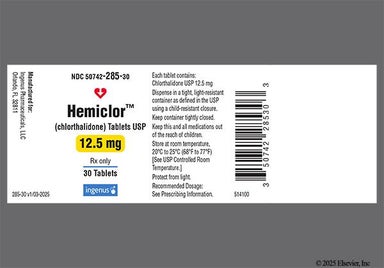
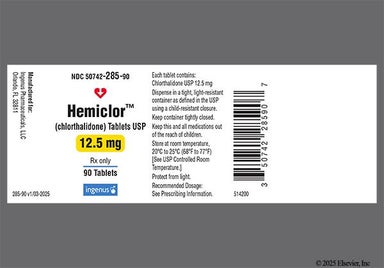
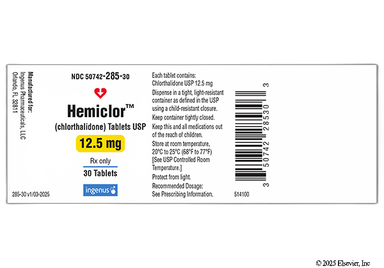
Hemiclor (chlorthalidone) images