Key takeaways:
In a national survey of 1,500 women in the U.S., half reported hot flashes or night sweats, but only about 7% reported currently using hormone therapy for menopause symptoms.
Women with higher incomes or at least a 4-year college degree had about twice the odds of using hormone therapy as those in the comparison groups.
Social circles also mattered. Women who said their peers used hormone therapy had 3.4 times the odds of using it themselves, even after researchers accounted for income, education, and symptoms.
Cost affected menopause care in several ways. About 1 in 5 respondents delayed or avoided care because of cost, and about 1 in 10 cut back on essential expenses to afford treatment.
A new study from GoodRx Research and scholars at the University of Southern California examines the question: Beyond symptoms, what other factors are associated with hormonal treatment patterns for menopause? Published in the Journal of Women’s Health, the survey found differences linked to income, education, and reported peer use, alongside signs that cost can affect access to care.
Menopausal hormone therapy was once widely used to treat vasomotor symptoms like hot flashes and night sweats. But use dropped sharply after early findings from the Women’s Health Initiative raised concerns about its potential health risks. Between 1999 and 2020, hormone therapy use in the U.S. fell from nearly 27% to under 5%.
Researchers have since gained a more accurate and detailed understanding of its benefits and risks. Current guidelines describe hormone therapy as the most effective treatment for symptoms and health risks associated with menopause. For women younger than 60 or within 10 years of menopause onset, its benefits generally outweigh its risks. Yet use remains low.
Half of respondents reported hot flashes or night sweats, but few used hormone therapy
The researchers surveyed 1,500 women in the U.S. in February 2025. Participants were eligible if a healthcare professional had told them they were in perimenopause or menopause. Women ages 45 to 54 could also participate, even if they hadn’t received a diagnosis. The survey asked about their symptoms, the treatments they used, what their peers used, and barriers to care. The results were weighted to better reflect the overall U.S. population.
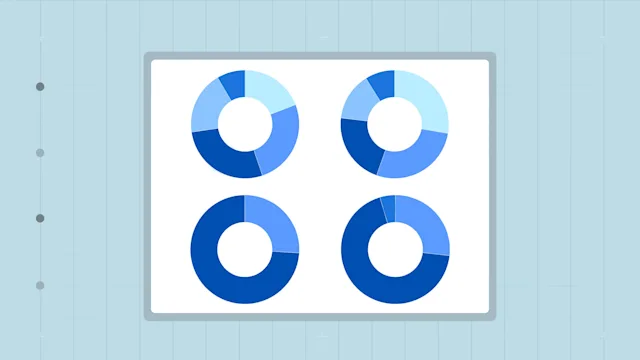
Menopause symptoms often extended beyond hot flashes and night sweats. Respondents also commonly reported changes in sleep, weight, mood, and memory, as the chart below shows.
Despite this symptom burden, only about 7% reported currently using hormone therapy. Even among women who reported hot flashes or night sweats — the symptoms hormone therapy most effectively treats — only about 1 in 10 reported using it.
That discrepancy reflects a broader finding of the study: Symptoms alone didn’t explain who used hormone therapy. Even though some women report not taking hormone therapy due to medical contraindications, this was a less common reason.
Income, education, and reported peer use were also associated with treatment choices.
Supplements and lifestyle approaches were common
About 23% of respondents reported using lifestyle strategies to manage menopause symptoms. The most common were aerobic exercise, strength training, and yoga or Pilates. Physical activity has broad health benefits, but evidence shows that exercise isn’t as effective as hormone therapy for hot flashes and night sweats.
Another 23% of respondents used supplements or over-the-counter (OTC) products despite the fact that these products:
Posed a significant cost burden: Nearly half of respondents who used supplements said these products were at least somewhat difficult to afford. About 18% said they spent $50 to $100 per month on supplements.
Aren’t recommended: Supplements may feel more accessible or “natural,” but the evidence on their benefits for menopause varies widely. The Menopause Society doesn’t recommend dietary supplements for treating hot flashes or night sweats.
It’s possible that the preference for lifestyle strategies is because women managing menopause may be dealing with more than hot flashes. Self-care strategies like exercise and yoga may help with other changes, such as poor sleep or mood, even though they haven’t been shown to reliably relieve hot flashes or night sweats.
The supplement findings raise a different concern — that nearly half of users were spending a significant amount of money on these products, despite limited evidence that they help with hot flashes or night sweats.
Income and education were strongly connected to hormone therapy use
The survey found that socioeconomic factors were associated with differences in hormone therapy use:
Household income: Women with household incomes over $100,000 had more than twice the odds of using hormone therapy compared to women with incomes under $20,000.
Education: Women with at least a 4-year college degree were about twice as likely to use hormone therapy compared to women with less education.
These differences remained even after the researchers accounted for whether participants had hot flashes or night sweats, suggesting that symptom burden alone didn’t explain who used hormone therapy.
What peers do may influence treatment choices
One of the study’s most notable findings involved the influence of social circles. Women who said their peers used hormone therapy were 3.4 times more likely to use it themselves. In contrast, women whose peers used mind-body approaches — like mindfulness, cognitive behavioral therapy, or hypnosis — were 63% less likely to use hormone therapy.
Given the design in the study, it can’t discern if peer behavior caused women to use or avoid hormone therapy. Still, the association was substantial and remained after researchers accounted for other factors, including income, education, and symptoms.
Only a small percentage who were not using treatment identified family, friends, or social media as their main reason. That leaves open the possibility that peers shape which treatments feel familiar or worth asking about, even when women don’t identify peers as a direct influence. While more research is needed to confirm how that influence works, it seems clear that it is a contributing factor.
Barriers to treatment
Most respondents said menopause information was easy to find, and many felt confident that they understood their symptoms. But finding menopause information and being able to act on it are different things. The survey raises questions about the role of clinician conversations and affordability in turning information into actionable treatment decisions.
Among respondents who weren’t taking prescription medication, supplements, or OTC products for menopause:
23% said a healthcare professional had never recommended menopause treatment
Less than 4% said cost was their main reason for not using treatment.
35% reported that their symptoms were manageable without medication.
These responses reflect one primary reason per respondent, rather than every barrier they may have faced.
Affordability may affect care even when it isn’t the main reason someone goes without treatment. About 1 in 5 respondents said they had delayed or avoided menopause care because of cost. And about 1 in 10 said they had cut back on essential expenses to afford treatment. Among those using prescription medication for menopause, 42% described the cost as at least “somewhat burdensome.”
Concerns about health risks also affected treatment decisions. Among women who weren’t using menopause treatment, 11% cited concerns about breast cancer or blood clots. The survey didn’t ask where those concerns came from. But it’s possibly a lasting echo of older research, underscoring the importance of clear, personalized information about treatment risks and benefits.
The bottom line
Hormone therapy is an effective, guideline-supported option for many women with bothersome hot flashes or night sweats, yet only about 7% of respondents in this national survey reported using it. The findings suggest that menopause treatment decisions are shaped by factors beyond symptoms — like clinician guidance, income, education, and social circles.
The findings point to a broader challenge in menopause care: Treatment choices may reflect the resources and conversations available to women, as well as their symptoms and preferences. Understanding where cost and other barriers enter that decision is a step toward making evidence-based care more accessible to all.

Why trust our experts?



References
Iyer, T. K., et al. (2024). Recent trends in menopausal hormone therapy use in the US: Insights, disparities, and implications for practice. JAMA Health Forum.
Orrange, S., et al. (2026). Peer, social, and structural influences on hormone therapy use in menopause: A U.S. population survey. Journal of Women’s Health.
The North American Menopause Society. (2022). The 2022 hormone therapy position statement of the North American Menopause Society. Menopause.
The North American Menopause Society. (2023). The 2023 nonhormone therapy position statement of the North American Menopause Society. Menopause.
Writing Group for the Women’s Health Initiative Investigators. (2002). Risks and benefits of estrogen plus progestin in healthy postmenopausal women: principal results from the Women’s Health Initiative randomized controlled trial. JAMA.
Yang, L., & Toriola, A. T. (2024). Menopausal hormone therapy use among postmenopausal women. JAMA Health Forum.