Key takeaways:
Jules Kaden Black says she’s had weight issues all her life.
She was never a fan of the body mass index (BMI) scale — which categorizes people’s body fat based on height and weight but doesn’t consider other factors.
After losing weight and gaining it back — partly because of her medical conditions — Jules has learned to accept herself in the body she has.
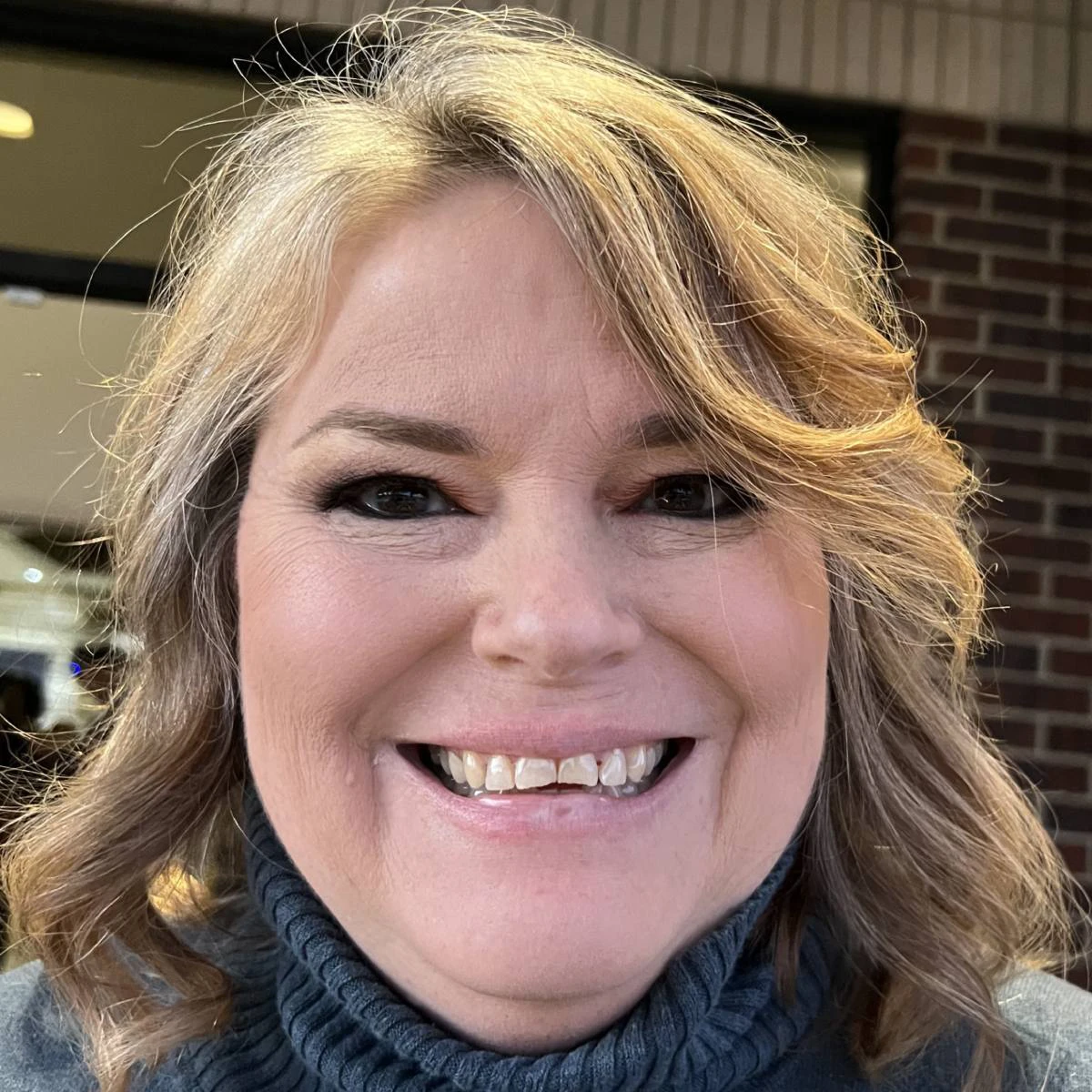
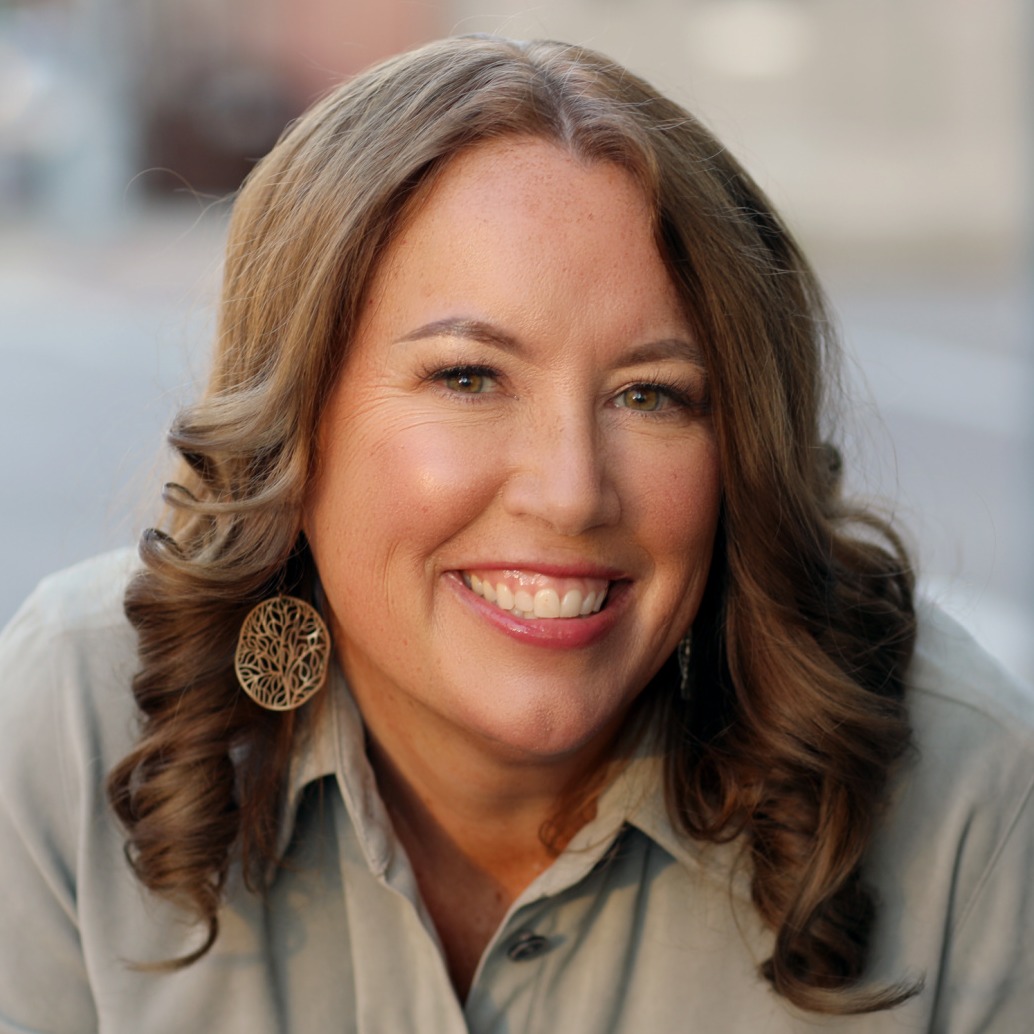
After dealing with weight and health conditions all her life, Julie Kaden Black of Nashville — who goes by Jules — has finally accepted her size. But it’s been a rocky journey to get there.
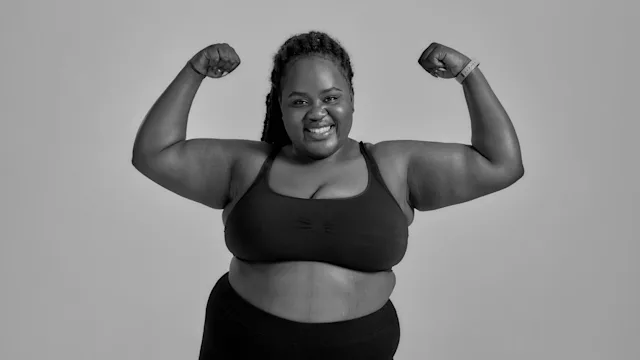
“I actually think I’m beautiful,” says Jules, an online content creator who focuses on lifestyle and fashion. “I’m not hating myself when I look in the mirror.”
Jules, now 29, says she was always “bigger than everyone else.” She started gaining weight around 8 years old, and though doctors ran many tests, nothing came up. She remembers pressure from diet culture even as a young girl.
“I was always on a diet,” she recalls. “It wasn’t exactly frowned upon for 12-year-olds to have Weight Watchers meetings.”
In fifth grade, Jules lost about 20 lbs on Quick Weight Loss She also lost some weight when she did Weight Watchers later on. And since her mother was a leader in the business, that was their go-to program.

As she headed into her teen years, her weight issues worsened. Her body mass index (BMI) score — which categorizes people’s body fat based on height and weight but doesn’t consider any other factors — crushed her. It told her she was obese. Combined with the angst of adolescence, she says her self-esteem suffered.
“BMI is cruel,” she says. “I was thinking, ‘I’m obese? I don’t think I’m obese.’ It was coming from every direction, so of course you’re going to believe that.”
When Jules began college in 2013, she started having mental health issues — partially from anxiety related to her father entering an assisted-living facility at a young age. She says she thinks her hormones became out of whack, leading to weight gain. During her freshman year alone, she gained 100 lbs. She felt ashamed about the dramatic change in weight.
“I gained that weight, and instead of figuring out why that happened to me, I ignored it,” she says.

Read more like this
Explore these related articles, suggested for readers like you.




PCOS and insulin resistance contributed to weight gain
When Jules met her future husband, Chris, and got engaged in 2019, she got serious about losing weight so she could feel and look her best for her wedding. She started tracking her food intake, drinking a lot of water, and working out 6 days a week.
Yet, to her puzzlement and frustration, the scale did not go down. In fact, despite these healthy lifestyle changes, Jules actually gained 7 lbs. Her weight reached 306 lbs, which was her heaviest.

“The math was not adding up,” Jules says. “I needed help. You can’t imagine the things I was saying to myself. I couldn’t lose weight. I was mean to myself.”
She went to her gynecologist, who suspected that Jules might have polycystic ovarian syndrome (PCOS), a hormone imbalance. The doctor said she was a textbook case for both PCOS and insulin resistance — both conditions that can cause weight gain. Bloodwork confirmed that diagnosis in 2019.
That’s when Jules realized that her weight was about more than her diet and exercise choices.
“I went from, ‘This is happening to me because I’m not doing enough,’ to ‘This is happening to me because I’m sick and I probably have been for a long time,’” she says.
Her doctor prescribed her metformin — a medication that helps with blood sugar management and is sometimes used to help weight loss — and birth control pills. Jules followed a low-carb diet for insulin resistance.
She lost 11 lbs in one week, and went on to lose about 80 lbs. Then, her weight loss came to a screeching halt. Despite clean eating and good fitness habits, the weight just stopped coming off. Jules says she felt defeated.
“It was this vicious cycle I was stuck in,” she says. “I was working so hard.”
She went to her doctor, who checked her for thyroid disease. In early 2021, Jules got a diagnosis of Hashimoto’s disease, an autoimmune condition where your immune system attacks the thyroid gland.
Accepting that she may never be thin
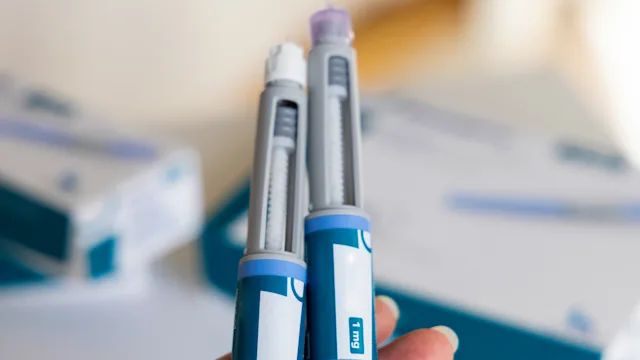
Recently, Jules’ doctor prescribed her Mounjaro (tirzepatide), a weekly injectable medication used along with diet and exercise to help with weight loss. After 3 weeks of taking it, Jules didn’t lose any weight.

She has accepted that, although living a healthy lifestyle is important, she will always be on the heavier side. Therapy has helped her reach this point.
“I am accepting that I will always live in a larger body. But I am not accepting that I am not my healthiest self,” says Jules, who now weighs 257 lbs. “I’m never going to be a size small. That’s not ever going to be a goal of mine.”
Jules does not count calories, and she says her healthiest and most balanced is when she is listening to her body and “eating intuitively.” She aims to get 30 g of protein with each meal, and she is working up the gumption to go back to the gym. She says she will probably start with yoga or Pilates and work her way up to a boot camp program she has done in the past.
Health still is a top priority for her, even though reaching an unattainable size is off the table.
“I’m not anti-weight loss,” she says. “I’m all about really doing it in a healthy and sustainable way.”
But Jules has written off the BMI scale — which some call overly simplistic and misleading because it does not give the full picture of health. She posts on social media about body positivity and fashion that will flatter a person’s figure no matter their size.
“I put away the negative talk,” she says. “Not to say I don’t have bad days — of course I do.”
For people who deal with negative body image and the inability to reach their ideal weight, Jules offers this advice:
Surround yourself with affirming sources on social media.
Forgive yourself for the negative self-talk.
Be kind to yourself.
Come prepared for a doctor’s appointment with detailed information, like logs of what you’ve been eating.
“My advice to everybody is to advocate for yourself, always,” she says. “We know our bodies best.”

Why trust our experts?