Key takeaways:
A healthy sex life looks different for everyone. What matters most is whether your experiences feel safe, comfortable, consensual, and satisfying to you.
Changes in libido, arousal, and sexual satisfaction are common and can be influenced by stress, hormones, relationships, medications, and overall health.
Many sexual health concerns are treatable through at-home changes, therapy, or pelvic floor physical therapy. Other treatments include sexual wellness devices or medications.
You don’t have to wait until symptoms become severe to seek help.
A healthy sex life looks different for everyone. There’s no “right” amount of sex to have, no universal level of desire, and no single definition of sexual satisfaction. What matters most is how you feel physically and emotionally.
According to the World Health Organization (WHO), sexual health is more than just an absence of disease. It includes physical, emotional, mental, and social well-being related to sexuality. That means feeling safe, respected, and comfortable in your sexual experiences — whether you’re sexually active or not.
That said, sex can feel pretty complicated sometimes, partially because sexual health and libido are affected by so many different things. Factors include your physical body, your feelings and emotions, and even your culture and environment.
In this guide, we’ll help you better understand what goes into a healthy sex life, as well as how to take action if there are things you’d like to change.
But first, a few definitions:
Libido: This is your interest in sexual activity or sexual thoughts. Libido naturally changes over time.
Arousal: This is your body’s physical and emotional response to sexual stimulation.
Orgasm: This is the physical and emotional climax of sexual excitement.
And just one additional note: This guide uses anatomy-based language in some sections for medical clarity. All the same, we know that people’s bodies (and genitals) come in all shapes and sizes, and we want to emphasize that all women are welcome here.
Quiz: Am I asexual?
What is considered a healthy sex life?
There’s a wide range of normal when it comes to sex.
Some people want sex often. Others rarely do. Some enjoy partnered sex, while others prefer masturbation or aren’t interested in sexual activity at all.
A healthy sex life is less about frequency and more about whether your experiences feel:
Safe
Consensual
Comfortable
Pleasurable
Emotionally positive
Common sexual concerns for women
Many women experience changes in sexual desire, arousal, or satisfaction at some point in life.

Read more like this
Explore these related articles, suggested for readers like you.




Changes in sexual health and libido are common during:
Pregnancy and postpartum
Major stress
Relationship changes
Chronic illness
But problems with libido in women peak between ages 40 and 60, related to perimenopause and menopause. In fact, about 40% of premenopausal women worldwide report having experienced challenges with their sex life.
Common sexual concerns for women include:
Low libido: You may feel less interested in sex than you used to be — or less interested than you’d like to be. Low libido affects about one-third of women worldwide
Trouble with arousal: You may have difficulty becoming physically aroused, including vaginal dryness or reduced sensitivity.
Difficulty reaching orgasm: Some women have trouble reaching orgasm or feel less satisfied during sexual activity.
Pain during sex: Pain or discomfort during sexual activity is very common. Almost 3 in 4 women will experience it over their lifetime.
Emotional distress related to sex: Stress, anxiety, body image concerns, or relationship challenges can affect sexual experiences and satisfaction.
These issues often overlap, and there’s usually more than one contributing factor.
What affects women’s sexual health and libido?
There are many things that can affect your sex life: your mental and physical health, your emotions, and even your lifestyle. Your sex life is also influenced by past experiences, cultural beliefs and messages, and your current and past relationships. All of these things can influence how you think about and experience sex.
Here are just some of the many different factors that can affect your sex life.
Physical causes
Here are some physical causes of low libido:
Hormonal changes (like pregnancy or menopause)
Chronic conditions like diabetes or heart disease
Gynecological conditions that cause pelvic or genital pain
Neurologic and psychological disorders
Fatigue or poor sleep
Alcohol or substance use
Mental and emotional factors
Stress, anxiety, and depression, as well as body image concerns, can all affect sexual desire and satisfaction. Past sexual trauma or negative experiences may also play a role.
Relationship and social factors
Relationship conflict and poor communication can influence how you experience sex, as can your cultural expectations and religious beliefs.
Medications
Medications can affect your libido too. Examples include:
Antidepressants
High blood pressure medications
Hormonal medications
Psychiatric medications
Cancer medications
How are sexual health concerns diagnosed?
If changes in your sex life are bothering you, a healthcare professional can help identify possible causes.
During the appointment, your primary care provider or OB-GYN may ask you some questions about your sex life. Though these questions may seem personal, they help the healthcare professional understand you as a whole person.
For example, they may want to know more about:
Your sexual history and current sexual practices
Your gender identity and sexual orientation
Any symptoms you have, like pain or other physical symptoms
What birth control (if any) you currently use
Any other medications you take
If you could be pregnant, or are in menopause transition
If you’ve recently been exposed to a sexually transmitted infection (STI)
Stress and mental health
Relationship concerns
Your primary care provider may also suggest tests to help rule out any physical problems that could be affecting your sex life:
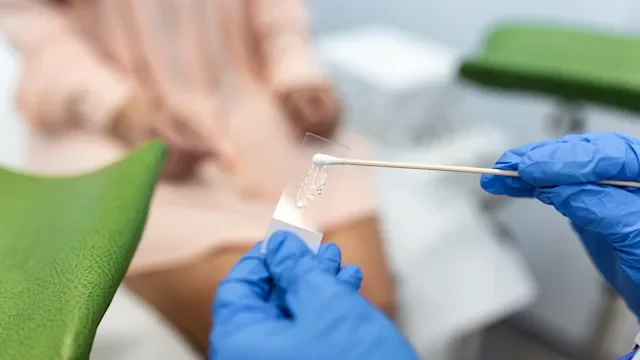
A physical exam (including a pelvic exam)
Lab or urine tests
STI testing
This might seem like a lot. That’s because sexual health is closely connected to both physical and emotional well-being. So the diagnosis often looks at the whole picture — not just one symptom.
Ways to improve sexual health and libido
Dealing with a problem in your sex life can be hard — both mentally and physically. But fortunately, there are many options for treatment. Treatment depends on the cause of your symptoms. Often, small changes can make a meaningful difference.
And, in some cases, you may be recommended to work with a specialist, such as:
A pelvic floor physical therapist
A mental health therapist
A sex therapist
A menopause specialist
Lifestyle changes and at-home strategies
Here are some lifestyle changes you can try:
Use (more) lubricant: A water-based or silicone-based lubricant can help with dryness. This can increase arousal and pleasure — and decrease pain — during sex.
Get creative: The human brain is hardwired to like novelty (new things) — including when it comes to sex. In fact, there’s evidence that desire and arousal decrease over time if you’re in a monogamous relationship. Consider introducing novelty by experimenting with new sexual positions or activities, reading or watching erotica, or experimenting with sex toys.
Fantasize: Thinking about sex can help with libido and arousal, and it may actually increase testosterone levels, a hormone that’s related to sexual function and satisfaction.
Masturbate: Masturbation is common. By some estimates, over 75% of women in the U.S. do it. What’s more, masturbation may help to improve sexual problems. It also increases blood flow to the genital area, which can help to keep vaginal tissue healthy, especially after menopause.
Try using a vibrator: Vibrators are sex toys that can be used on your body to help with sexual arousal or orgasm. Vibrators come in all shapes and sizes, and they’re designed for all genders and body types.
Try using a comfort or support device: Positioners, spacers, and supports can all help you control your body’s position and movements during sex. These can be especially helpful for people who experience pain during sex or who have a disability.
Limit smoking and excessive alcohol: Cigarette smoking can decrease blood flow to your genitals and interfere with sexual arousal and orgasm. When it comes to alcohol, 1 or 2 drinks can help with arousal. But excessive alcohol use can get in the way of sexual arousal and orgasm.
Focus on stress and sleep: Stress and fatigue commonly affect libido and arousal.
Exercise: Physical activity can reduce stress, increase stamina, and enhance well-being, all of which can help to improve your sex life.
Therapy and professional support
If you’d like to work with a professional, there are also many options:
Pelvic floor physical therapy: A pelvic floor therapist is a licensed physical therapist who focuses on your pelvic floor muscles, ligaments, and tissues. All of these parts of your body work together to support your internal organs, control your bowels and bladder, and contribute to sexual arousal and orgasm. The therapist uses a combination of physical techniques to help ease pain and restore normal functioning.
Sex therapy: A sex therapist is a trained mental health professional with knowledge about sex and relationships. Sex therapy can help individuals or couples work through communication problems, anxiety, low desire, or emotional barriers around sex. Your sex therapist may suggest activities for you to do at home, like sensate focus exercises.
Sexological bodywork: Sexological bodywork is similar to pelvic floor physical therapy, but with more of an integrative approach. In addition to hands-on physical techniques, sexological bodyworkers educate their clients about sex, arousal, and orgasm.
Sexual wellness devices
Sexual wellness devices are medical devices that can help with physical arousal, as well as comfort and enjoyment during sex.
Examples include:
Vaginal dilators (trainers): Vaginal dilators are medical devices that slowly train the vagina to relax with penetration. This can help to treat pain during sex and to reduce sex-related anxiety.
Eros therapy device: The Eros is an FDA-approved medical device used to treat female arousal disorder (FAD). It uses a small vibrating vacuum that increases blood flow to the clitoris, increasing sensation and improving sexual satisfaction.
Kegel exercisers: These are devices used to strengthen your pelvic floor muscles. They can help to improve muscle tone in your genital area, which can help with arousal and orgasm.
Though they’re available without prescription, they’re often used under the guidance of a trained health professional, such as:
OB-GYN
Pain specialist
Sex therapist
Physical therapist
Medications and medical treatments
For some women, medications are another way to support a healthy sex life. Medications aren’t usually the first step for improving sexual health and libido. But for some women — especially when symptoms are persistent or distressing — prescription treatments may help.
Below are some examples of medications.
Vaginal estrogen
Vaginal estrogen is a form of menopausal hormonal therapy (MHT) — also known as hormone therapy or hormone replacement therapy (HRT). MHT works mainly in the vaginal tissues. It uses much lower doses of estrogen than MHT you take as pills.
It helps vaginal dryness and discomfort related to menopause, which improves libido and sexual pleasure.
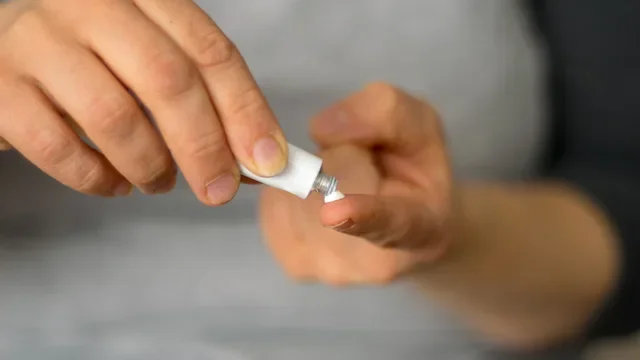
Vaginal estrogen comes in the form of creams and inserts that go directly into the vagina. Options include:
Estrogen-like medications
Some non-estrogen medications may also help improve vaginal comfort and sexual function after menopause.
Here are some examples:
Prasterone (Intrarosa) is a vaginal insert that contains dehydroepiandrosterone (DHEA), a natural hormone that helps produce estrogen.
Ospemifene (Osphena), an FDA-approved oral medication for vaginal dryness and painful sex related to menopause. It encourages healthy tissue growth in the vagina, decreasing pain during sex and improving satisfaction.
Testosterone therapy
In some cases, low-dose testosterone applied to the skin may help improve sexual desire. However, testosterone for low libido in women is considered an off-label treatment in the U.S. Side effects can include:
Acne
Hair growth
Voice changes
Cholesterol changes
Addyi (flibanserin)
Addyi is an FDA-approved medication for hypoactive (low) sexual desire (HSDD) in pre and postmenopausal women. Addyi is a pill that you take daily.
In clinical trials, women taking Addyi had minimal improvement in libido. And they had a small increase in the number of satisfying sexual events per month.
But taking Addyi comes with a risk of side effects like:
Dizziness
Sleepiness
Nausea
Fatigue
There’s also a risk of dangerously low blood pressure when you take Addyi with alcohol. Most experts don’t recommend Addyi for low libido, given the small benefit and significant downsides.
Bremelanotide (Vyleesi)
Vyleesi is another FDA-approved medication for HSDD in premenopausal women. The main difference is that Vyleesi is an injection that you use only when needed — instead of daily. You take it 45 minutes before planned sexual activity.
In clinical trials, women using Vyleesi had increased sexual desire — but only by a very small amount. Side effects can include nausea, vomiting, and temporary increases in blood pressure — but only when taking the medication.
When should you talk to a healthcare professional about your sex life?
If changes in your sex life are causing frustration, relationship strain, or emotional distress, it may help to talk with a healthcare professional.
Consider seeking care if you have:
Ongoing pain during sex
Sudden changes in libido
Vaginal dryness that affects comfort
Difficulty with arousal or orgasm
Sexual concerns affecting your mood or relationships
You don’t need to wait until symptoms become severe to ask for help.
If you already have a primary care provider, or an OB-GYN, they can be a great place to start. It’s OK to make an appointment just to talk about sex, or to bring up your concerns at your next well-woman exam (usually every 2 to 5 years). Primary care providers and OB-GYNs commonly treat and discuss sexual health concerns and can help pinpoint possible medical or emotional contributors.
And don’t forget to keep in mind regular testing for STIs, even if you’re in a long-term, partnered relationship. Many STIs can have few or no symptoms, and some can go undetected for years. Your healthcare team can help you decide which tests are right for you, based on your relationship status, frequency of sexual activity, and number of partners.
Discussing sex with your healthcare team
If you feel shy or embarrassed about discussing your sex life with a healthcare professional, you’re not alone: Many women feel the same way. But the truth is, most healthcare professionals welcome the opportunity to talk with you about sex. From their perspective, sex is just another part of your overall health.
Here are some tips that can help you prepare for your appointment:
Do some research ahead of time, to help you understand your body and your concerns.
Keep track of your symptoms before the appointment.
Before the appointment, write down the questions and concerns you’d like to discuss.
Take a list of your medications and/or supplements with you to the appointment.
Consider bringing a support person (or your partner) with you to the visit.
When talking with your healthcare team, be as specific as possible about what you’re experiencing.
Ask questions, especially if the healthcare professional uses words or phrases that you don’t understand.
Don’t end the visit until you feel like you understand — and agree with — the treatment plan.
Frequently asked questions
For many women, libido and sexual activity fluctuate over time. There’s some evidence that many women have a midlife dip in libido, peaking between ages 55 and 64. But this dip seems to be heavily influenced by other mental and physical health problems, as well as poor communication in sexual relationships. And, in another study of 800 older women, sexual satisfaction, arousal, and orgasm actually increased with age, even though libido was lower.
Sildenafil (Viagra) is a prescription medication used to treat erection problems in men, by improving blood flow to the penis. It’s sometimes used “off-label” (not FDA approved) for female sexual disorders. But it has a high rate of side effects, like headache and flushing.
Some supplements are marketed to improve sexual health and libido, but the scientific evidence is limited for many of them.
A few supplements with some research behind them include:
L-arginine
Chasteberry
Ginseng
Maca
Red clover
Dehydroepiandrosterone (DHEA)
Some of these — particularly ginseng and maca — may be more helpful for women experiencing menopause-related changes in sexual desire.
But “natural” doesn’t always mean safe. Supplements can cause side effects and interact with medications or medical conditions. That’s why it’s important to talk with a healthcare professional before starting any new supplement.
An asexual person is someone who doesn’t feel sexual attraction toward other people. They’re generally not interested in being sexually intimate with others, though they may enjoy solo sexual activities like masturbation. People who are asexual may also be attracted to others and have romantic relationships. Asexuality is a totally normal sexual identity, just like being heterosexual, demisexual, or other types of sexual orientation.
Sex can be healthy for women in many ways. Research suggests sexual activity may support:
Stress relief
Sleep
Intimacy
Overall well-being
But healthy sexuality looks different for everyone, and people can have fulfilling lives with or without partnered sex. And sex should never feel physically painful, emotionally distressing, or pressured.
For many women, libido and sexual activity fluctuate over time. There’s some evidence that many women have a midlife dip in libido, peaking between ages 55 and 64. But this dip seems to be heavily influenced by other mental and physical health problems, as well as poor communication in sexual relationships. And, in another study of 800 older women, sexual satisfaction, arousal, and orgasm actually increased with age, even though libido was lower.
Sildenafil (Viagra) is a prescription medication used to treat erection problems in men, by improving blood flow to the penis. It’s sometimes used “off-label” (not FDA approved) for female sexual disorders. But it has a high rate of side effects, like headache and flushing.
Some supplements are marketed to improve sexual health and libido, but the scientific evidence is limited for many of them.
A few supplements with some research behind them include:
L-arginine
Chasteberry
Ginseng
Maca
Red clover
Dehydroepiandrosterone (DHEA)
Some of these — particularly ginseng and maca — may be more helpful for women experiencing menopause-related changes in sexual desire.
But “natural” doesn’t always mean safe. Supplements can cause side effects and interact with medications or medical conditions. That’s why it’s important to talk with a healthcare professional before starting any new supplement.
An asexual person is someone who doesn’t feel sexual attraction toward other people. They’re generally not interested in being sexually intimate with others, though they may enjoy solo sexual activities like masturbation. People who are asexual may also be attracted to others and have romantic relationships. Asexuality is a totally normal sexual identity, just like being heterosexual, demisexual, or other types of sexual orientation.
Sex can be healthy for women in many ways. Research suggests sexual activity may support:
Stress relief
Sleep
Intimacy
Overall well-being
But healthy sexuality looks different for everyone, and people can have fulfilling lives with or without partnered sex. And sex should never feel physically painful, emotionally distressing, or pressured.
The bottom line
A healthy sex life doesn’t look the same for everyone. Sexual health and libido naturally change over time. Both are influenced by the normal ups and downs of life — like stress, relationships, hormones, medications, and overall health. Occasional changes are common. But it’s worth paying attention to ongoing pain, low desire, difficulty with arousal or orgasm, or emotional distress around sex. This is especially true if these issues are affecting how you feel about yourself, your life, or your relationship.
The good news is that many sexual health concerns are treatable, and support is available. Treatments can include lifestyle changes, improved communication, and therapy, in addition to medical care or a combination of approaches. Remember: You deserve a sex life that feels safe, comfortable, and satisfying to you.

Why trust our experts?



References
American College of Obstetricians and Gynecologists. (2024). When sex is painful.
Armstrong, C. (2011). ACOG guideline on sexual dysfunction in women. American Family Physician.
Association of Certified Sexological Bodyworkers. (n.d.). What is sexological bodywork?
Cornell Health. (2019). Sensate focus.
DailyMed. (2024). Yuvafem- estradiol tablet.
DailyMed. (2025). Imvexxy- estradiol insert.
El Kak, F., et al. (2026). Sexual health framing sexual medicine: Toward a more humanistic framework. Sexual Medicine Reviews.
Emling, S. (2017). Older women more likely to lose interest in sex. AARP.
Eros Therapy. (n.d.). Experience the benefits of Eros-therapy.
Goldey, K., et al. (2011). Sexy thoughts: Effects of sexual cognitions on testosterone, cortisol, and arousal in women. Hormones and Behavior.
International Society for Sexual Medicine. (n.d.). What are vaginal dilators?
International Society for Sexual Medicine. (n.d.). What happens during sex therapy?
International Society for Sexual Medicine. (n.d.). What is pelvic floor physical therapy?
Jaspers, L., et al. (2016). Efficacy and safety of flibanserin for the treatment of hypoactive sexual desire disorder in women: A systematic review and meta-analysis. JAMA Internal Medicine.
Jurado, A. R., et al. (2020). The use of natural products for the treatment of female sexual dysfunction: A systematic review of randomized clinical trials. Advances in Sexual Medicine.
Kingsberg, S., et al. (2019). Female sexual health: Barriers to optimal outcomes and a roadmap for improved patient-clinician communications. Journal of Women’s Health.
MedlinePlus. (2025). Physical exam frequency.
Morton, H., et al. (2014). Role of partner novelty in sexual functioning: A review. Journal of Sex & Marital Therapy.
National Coalition for Sexual Health. (2016). This is how often you need to get tested for STDs, based on your relationship status.
Planned Parenthood. (n.d.). Arousal.
Planned Parenthood. (n.d.). Is masturbation healthy?
Planned Parenthood. (n.d.). Orgasm disorder.
Planned Parenthood. (n.d.). Sexual orientation.
Planned Parenthood. (n.d.). What are sex toys?
Planned Parenthood. (n.d.). What is a pelvic exam?
ScienceDaily. (2012). Sexual satisfaction in women increases with age.
Shin, J., et al. (2017). Ospemifene: A novel option for the treatment of vulvovaginal atrophy. Journal of Menopausal Medicine.
Simon, J. A., et al. (2019). Long-term safety and efficacy of bremelanotide for hypoactive sexual desire disorder. Obstetrics and Gynecology.
Tenga Co. Ltd. (2018). World's largest masturbation survey uncovers how traditional views of masculinity prevent men from having fulfilling sex lives & relationships. PR Newswire.
Weiss, R. V., et al. (2019). Testosterone therapy for women with low sexual desire: A position statement from the Brazilian Society of Endocrinology and Metabolism. Archives of Endocrinology and Metabolism.
World Health Organization. (n.d.). Sexual health.