Sexual Health Center


No matter your gender, orientation, or sexual activities — your sexual health is part of who you are. But what is sexual health?
Sexual health is definitely more than just being free of sexually transmitted diseases (STDs). It’s about your overall sexual well-being. According to the World Health Organization (WHO), this means being able to safely choose whatever sexual activities you enjoy — without being forced or experiencing violence or discrimination. Sexual health also means feeling good about sex physically, emotionally, and socially.
Sexual health depends on your ability to access clear, trustworthy information. Here at GoodRx you’ll find articles that help you understand your sexuality, your body, and your reproductive health. We can also help you understand where to get care and how to stay healthy and safe no matter what sexual activities you do (or don’t) enjoy.


Problems with sex usually fall into one of these five categories:
Libido (desire) problems: This is when you feel less interested in sex than you would like.
Arousal problems: This is when you have problems getting physically “turned on” before or during sex.
Orgasm problems: This is when you don’t feel satisfied with the quality or frequency of your orgasms.
Problems caused by medications or illnesses: These are problems with libido, arousal, or orgasm that are caused by a medical problem or a medication side effect.
Sexually transmitted infections: These are infections that are passed through oral sex, anal sex, genital sex, or kissing.
A lot of different things can cause problems with sex. And that’s why we have a range of information that can help you get to the root of your problem. We’ve got you covered on dozens of individual topics that affect your sex life.
Our health centers for women, men, and LGBTQIA+ folks have details about common sexual problems.
Some sexual health problems affect the male reproductive system. This includes problems with the penis, testicles, and prostate. Understanding male anatomy — and the health problems that can affect it — can help you keep your equipment in working order.
Here are some common sexual health problems in men:
Premature ejaculation
Delayed or absent ejaculation or orgasm
Retrograde ejaculation
Erectile dysfunction
Pain or discomfort during sex
Low libido
Erectile dysfunction (ED) is especially common, affecting 1 in 5 men throughout their lifetime. We’ve got everything you need to understand ED, including answers to these questions:
Can taking medication cause ED?
Is there a cure for ED?
Some sexual health problems affect female bodies. These problems might be caused by changes in your body, hormones, or medical conditions. Or they might be the result of aging or life changes like pregnancy and menopause.
Some of the common problems women face include:
Painful vaginal muscle spasms (vaginismus)
Pain during sex
Low libido
Challenges with sex during and after menopause
We’ve got evidence-based information for you on these topics and more, so you can enjoy a healthy sex life at any age.
Sexually transmitted diseases (STDs, also called “sexually transmitted infections” or STIs) are caused by viruses, bacteria, and parasites that spread through sexual activity.
STDs can affect any age or gender. They pass between people during oral sex, anal sex, genital sex, and kissing.
Common STDs include:
Human papillomavirus (HPV)
Genital herpes (HSV-1 and HSV-2)
If you’re sexually active with anyone besides yourself, it’s a great idea to understand which STDs are out there. That way you can protect yourself, your partner(s), and get testing and treatment when needed.
Here are just some of the questions we can answer for you:
Can I get tested for STDs at home without seeing a doctor?
You’ve tested positive for an STD — now what?
Yes. Many medications can affect your sexual health. Some medications can make your sex drive go down. Others can make it go up. And certain medications can even make it harder for you to have an orgasm or to have and maintain an erection.
Ready to learn more about how your medications affect your sexual health?
Here are some of the topics we cover:
Which antidepressants are the least likely to cause erection problems?
What to do if antidepressants are ruining your sex drive
Yes. Your mental and physical health can definitely affect your sex life. Health problems like diabetes can directly affect your sexual organs. Other times, treatment for a medical problem can affect your sexual health. And mental health and sex are closely intertwined.
When a problem pops up, it’s good to know where to turn for information — especially if you’re dealing with a mental or physical health problem and a sexual concern. We can help you get answers to your questions, with topics like:
Can a large prostate affect my sex life?
Can using marijuana cause sexual problems?
Can you be addicted to sex?
Will prostate cancer affect your sex life?
How to treat diabetes caused by erectile dysfunction
Do you need treatment for low testosterone?
A guide to dealing with infertility
Coming to terms with childhood trauma
Recognizing and treating body dysmorphia
No matter your gender, if you’re sexually active with someone who is able to get pregnant, it’s important to know about birth control (contraception). Knowing the facts can help you make choices that are best for you and your partner(s).
If you don’t want to start a pregnancy, you have a lot of choices. These include:
Intrauterine devices (IUDs)
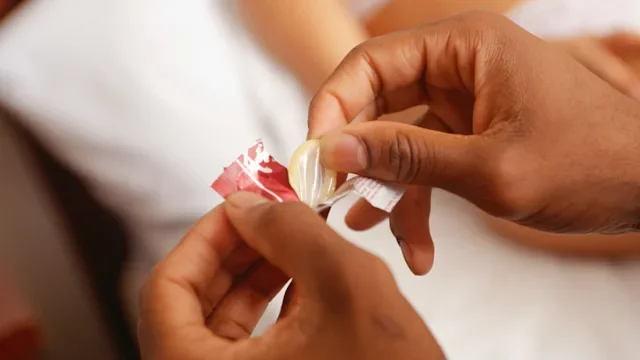
Barrier methods, like condoms and diaphragms
Surgical methods, including vasectomy or tubal ligation/removal
With so many options, it can be hard to choose. That’s why we have resources to guide you, including:
Which birth control is most affordable?
What’s the female condom?
Where can I get free condoms or birth control?
How much does a vasectomy cost?
Implants versus IUDs: Which is better?
We can also help you know what to do if your birth control method fails:
What to do if a condom breaks during sex
What is emergency contraception (Plan B)?
Do I need a prescription for Plan B?
Does Plan B have side effects?
Dealing with a problem in your sex life can be hard — both mentally and physically. Fortunately, there are many options for treatment. These treatments can be helpful for everything from mild and moderate symptoms to more severe sexual disorders.
Treatments for sexual health problems include:
Medication
Talk therapy
Physical therapy
Physical and mental health management
Medication review, including stopping any medications that are causing sexual problems (be sure to consult with your healthcare provider)
The right treatment depends on your needs and your preferences. Talk to your healthcare provider if you’re concerned about your sex life, especially if you’ve been struggling with symptoms for more than a few months.
We also have information that can help you understand the treatment options, including:
How can I overcome premature ejaculation?
Can taking Zoloft help with premature ejaculation?
Can certain foods help me feel more turned on?
How can I help someone with a sex addiction?
Top tips for dealing with antidepressant sexual side effects
Can you treat menopause symptoms with natural remedies?
In some cases, it can be helpful to work directly with a sexual health professional. These are professionals who have special training in anatomy, sex, and sexual relationships.

Prescription savings
Stop paying too much for your prescriptions. Compare prices, get pharmacy coupons, and save up to 80%. Find expert answers to your health questions so you can make the best decisions for yourself and your family.
Health conditions
Medications & treatment
Access & affordability
Medication discounts