Key takeaways:
A healthy weight for older adults is higher than it is for younger people. Too much weight loss may lead to weak bones and other health problems.
Losing weight without trying may be a sign of an illness or a sign that an older person isn’t getting enough nutritious foods.
Nutrition, exercise, and social support are important for older adults to maintain a weight that’s in a healthy range and keep their muscles strong.
Every stage of life brings change, including changes in our bodies. Many people live big, full lives well into their older years. But some may find they’re doing so in a smaller body.
For some, losing a few pounds without trying may seem like a welcome surprise at first. But weight loss when you’re older doesn’t always mean the same thing for your health as it did when you were younger. So, when is weight loss in older adults a reason for concern?
Is it normal for older adults to lose weight?
It depends. If you or a loved one is working to find a more comfortable weight through nutrition and exercise, you’re probably on the right track. But losing weight without trying or losing more weight than expected probably isn’t a good thing.
Search and compare options
It helps to know what changes in your body as you age:
Metabolism slows down around age 60. This means your body uses energy more slowly.
Muscle mass decreases. You tend to lose muscle as you age.
Body fat shifts. Body fat tends to settle more around your belly. This process begins a little earlier for women than it does for men.
If you eat about the same amount and stay just as active, a slower metabolism often leads to weight gain. So if you’re losing weight instead, there are a few possible reasons:
A medical condition is using up extra calories.
You aren’t eating enough to keep their weight steady.
You’re losing muscle.
Losing 5% or more of your usual weight within 6 to 12 months — especially without trying — may mean that something more serious is going on. And even if there isn’t, too much weight loss in older adults can lead to other health problems.
What causes unexplained weight loss in older adults?
Maybe your weight is changing faster than you expect. Or you may be concerned about an older family member or friend. Here are some causes of unexplained weight loss in older adults.
Cancer
Unexplained weight loss is a common early sign of cancer. Often, people who lose weight from cancer lose more muscle than fat. This can lead to feeling tired and weak.
Problems with digestion
The digestive system changes with age. These changes can happen anywhere from your mouth to your rectum. They can affect how much you eat and how well your body absorbs nutrients.
Changes in your digestive system that are common with increasing age include:
Dental cavities or dentures that don’t fit well
Weaker chewing muscles
Less saliva
Trouble swallowing
Slower movement of food from your stomach to your intestines
Intestine problems like diverticulosis or diverticulitis

Read more like this
Explore these related articles, suggested for readers like you.


Other chronic conditions
Weight loss can also happen with other chronic health conditions. People with heart failure often lose muscle mass, which results in weight loss. The same thing can happen if you have:
Chronic lung disease like chronic obstructive pulmonary disease (COPD)
Autoimmune diseases like rheumatoid arthritis and lupus
Endocrine conditions like thyroid problems or adrenal insufficiency
Infectious diseases like tuberculosis or human immunodeficiency virus (HIV)
Medication effects
Some medications are meant to help you find a more comfortable weight. But other medications can lead to weight loss by accident. As you get older and develop more health conditions, you may need to take more medications.
Medication side effects that could lead to weight loss include:
Changes in smell or taste
Not feeling hungry
Dry mouth
Trouble swallowing
Feeling sick to your stomach
Depression and dementia
Most older adults aren’t depressed. But depression becomes more common if you have more health problems or feel isolated. Not eating enough may be a symptom of depression, especially as you get older.
Weight loss is also a common sign of dementia. Sometimes it happens even before memory problems appear. Some reasons for weight loss in dementia include:
Forgetting to eat or not wanting to eat
Repetitive actions, like wandering, that use more energy
Changes in taste and smell
Swallowing problems
Changes in hormones and metabolism
Social factors
Where and how you live affects your nutrition, weight, and every aspect of your health. For some older adults, social factors may affect how much and what kinds of food you eat.
If an older adult is losing weight and you don’t know why, it can be helpful to think about:
How much social support they have and whether they’re eating alone
Limited income that affects food options
Living with a caregiver or in an environment that gives less control over food choices
Trouble getting to a grocery store
Mobility or thinking challenges that make it harder to prepare food
Living in a community with limited access to nutritious food
What is a healthy weight range for older adults?
A healthy weight for older adults is a little different than it is for younger people. Knowing your body mass index (BMI) is one place to start. Older adults with a BMI between 25 and 27 tend to have the fewest health complications. This range is higher than the recommended BMI for younger adults.
But BMI alone won’t tell you how much of your weight is muscle or fat. Knowing your waist size can give you more information. A waist size of less than 35 inches for women and less than 40 inches for men is recommended.

When is weight loss in older adults a problem?
Most people reach their highest weight around age 60. After age 70, many people lose small amounts of weight. But experts say that for older adults, losing 5% or more of your body weight is cause for concern.
If you notice weight loss, try to look at the big picture. Slowly losing small amounts of weight because of exercise or diet changes is a good sign. But losing weight without trying always needs a closer look.
The first step is to figure out how much weight was lost, and over what period of time. If you’re not sure, another way to gauge it is to think about how clothes are fitting. Or you can ask family members or friends if they’ve noticed changes.
Then, talk with a healthcare professional about other symptoms like:
Changes in thinking or memory
Mood changes
Feeling tired, weak, dizzy, or short of breath
Changes in bowel habits or appetite
Less muscle strength
Trouble doing usual activities
New body pains
A physical exam is the next step in finding out what’s going on. Blood tests, urine tests, and sometimes imaging exams like X-rays can provide even more information.
Risks of weight loss in older adults
Weight loss is concerning in older adults because it can point to a serious medical condition. Losing weight (especially muscle) can also increase the risk of:
Osteoporosis (fragile bones) and fractures
Decreased function and independence
Decreased immune function
But it’s also linked to worse long-term outcomes. Research has found that weight loss and a low BMI is linked to an increased risk of death for older adults. There’s also an increase in all major causes of death, including cancer and cardiovascular disease.
What is the best way for an older adult to gain weight?
The following steps can help you or a loved one know if they’re in a healthy weight range for their age.
Gather a team
If you or a loved one needs to gain weight, it’s best to understand why the weight was lost in the first place. Along with family and friends, having the right support team can make a big difference. This healthcare team may include:
Physicians and nurses
A dietician or nutritionist
Dentists
Pharmacists
Social service professionals
Occupational, physical, or speech therapists
Community support organizations
Know your goal
Everyone’s calorie needs are different, but typical ranges can be a good starting point.
For women age 60 and older:
Not active: about 1,600 calories a day
Moderately active: around 1,800 calories a day
Very active: 2,000 to 2,200 calories a day
For men age 60 and older:
Not active: 2,000 to 2,200 calories a day
Moderately active: 2,200 to 2,400 calories a day
Very active: 2,400 to 2,600 calories a day
Focus on nutrition
A nutritionist may be helpful for some people, especially those with certain health conditions like diabetes or cancer. But there are also some tips that can help anyone trying to gain weight in a healthy way:
Try foods with healthy fats, like avocados, nut butter, and olive oil.
Eat small, frequent meals — especially if you feel full sooner than you used to.
Drink plenty of fluids to help with digestion.
Add healthy snacks between meals, like nuts, cheese, fruits, or veggies.
Stay connected with family and friends. Eat meals with other people when you can.
Try adding spice or flavor enhancers if your sense of taste or smell isn’t what it used to be.
Choose nutritious soups or stews if you have trouble chewing.
Ask your healthcare team about any medication side effects.
Look into programs like Meals on Wheels, especially if it’s hard to get to the store or cook.
For some serious health conditions, a healthcare professional may recommend medications to boost appetite. They might also recommend high-calorie or multinutrient supplements. But it’s usually better to focus on getting the right foods and assistance in place.
Take care of your muscles
Don’t forget about the importance of your muscles. Muscle loss can be especially dangerous as you get older. A good goal for older adults is to get at least 1.2 g to 2 g of protein for every kilogram of body weight each day.
Good protein sources include:
Lean meat, poultry, and seafood
Eggs
Nuts, seeds, and soy
Beans and lentils
Ancient grains like barley and quinoa
Cheese and Greek yogurt
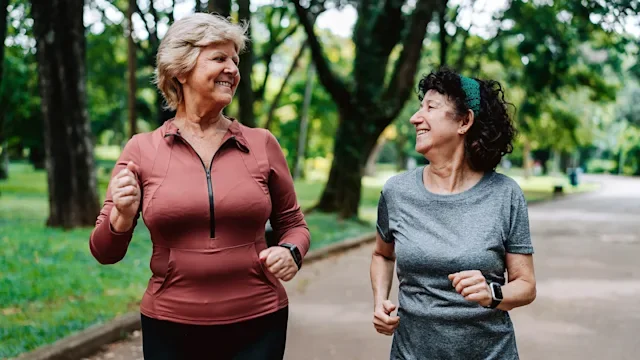
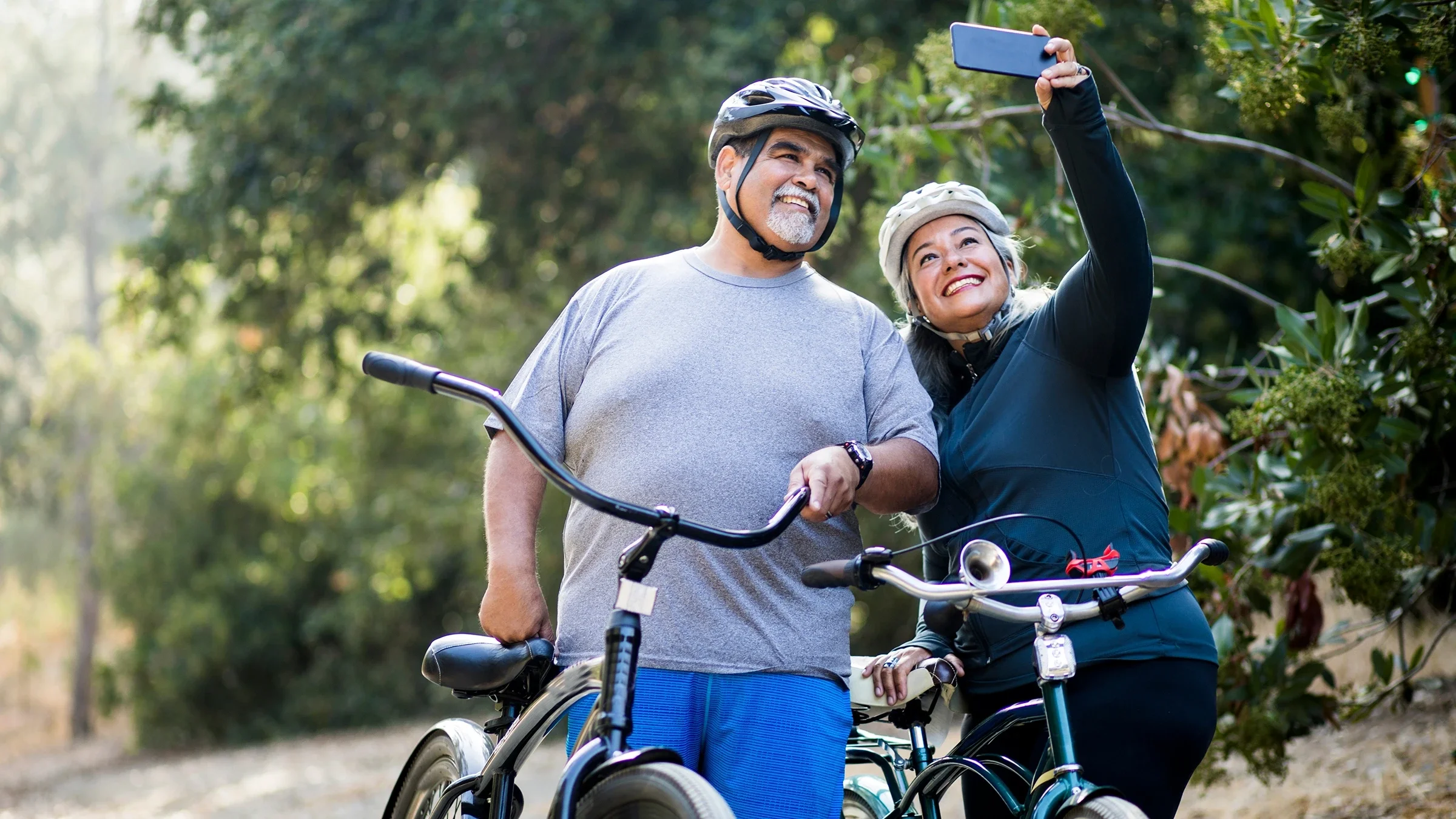
Physical activity is also an important part of keeping your muscles strong. Stay active by walking, dancing, lifting weights, or getting out in nature.
Experts recommend the following each week:
At least 150 minutes of heart-pumping activity
At least 2 days of muscle-strengthening activities like lifting weights
The bottom line
A little weight loss can sometimes help with conditions that are common in older adults — like diabetes and high blood pressure. But as you get older, weight loss isn’t necessarily a good thing. Too much weight loss can lead to risks like fragile bones and a weak immune system. And losing weight without trying could be a sign of an underlying medical condition.
If you or a loved one is getting older and having concerns about weight loss or weight gain, bring it up with your healthcare professional. They can help make sure you’re in a healthy weight range for your age.

Why trust our experts?


References
Alibhai, S. M. H., et al. (2005). An approach to the management of unintentional weight loss in elderly people. Canadian Medical Association Journal.
Baum, J. I., et al. (2016). Protein consumption and the elderly: What is the optimal level of intake? Nutrients.
Bloom, I., et al. (2017). Influences on diet quality in older age: The importance of social factors. Age and Ageing.
Centers for Disease Control and Prevention. (2024). Depression and aging.
Franx, B. A. A., et al. (2019). Weight loss in patients with dementia: Considering the potential impact of pharmacotherapy. Drugs and Aging.
Gaddey, H. L., et al. (2021). Unintentional weight loss in older adults. American Family Physician.
Gill, L. E., et al. (2017). Weight management in older adults. Current Obesity Reports.
Hussain, S. M., et al. (2023). Associations of change in body size with all-cause and cause-specific mortality among healthy older adults. JAMA Network Open.
Kvamme, J. M., et al. (2011). Body mass index and mortality in elderly men and women: The Tromsø and HUNT studies. Journal of Epidemiology and Community Health.
MedlinePlus. (2024). Body mass index.
National Institute of Diabetes and Digestive and Kidney Diseases. (2018). Symptoms & causes of adrenal insufficiency & Addison’s disease.
National Institute of Diabetes and Digestive and Kidney Diseases. (2019). Healthy tips for older adults.
National Institute on Aging. (2022). Maintaining a healthy weight.
National Institute on Aging. (2025). 5 tips for choosing healthier foods as you age.
Ni, J., et al. (2020). Cancer cachexia: Definition, staging, and emerging treatments. Cancer Management and Research.
Pontzer, H., et al. (2021). Daily energy expenditure through the human life course. Science.
Rémond, D., et al. (2015). Understanding the gastrointestinal tract of the elderly to develop dietary solutions that prevent malnutrition. Oncotarget.
Soto, M. E., et al. (2022). Interconnection between cardiac cachexia and heart failure—protective role of cardiac obesity. Cells.
Veronese, N., et al. (2019). Effect of nutritional supplementations on physical performance and muscle strength parameters in older people: A systematic review and meta-analysis. Ageing Research Reviews.
Wolpin, B. (2024). Study suggests that unintentional weight loss is a signal to see a doctor. Dana-Farber Cancer Institute.