Key takeaways:
Scarlet fever is an illness people may develop if they have a Streptococcus infection, like strep throat.
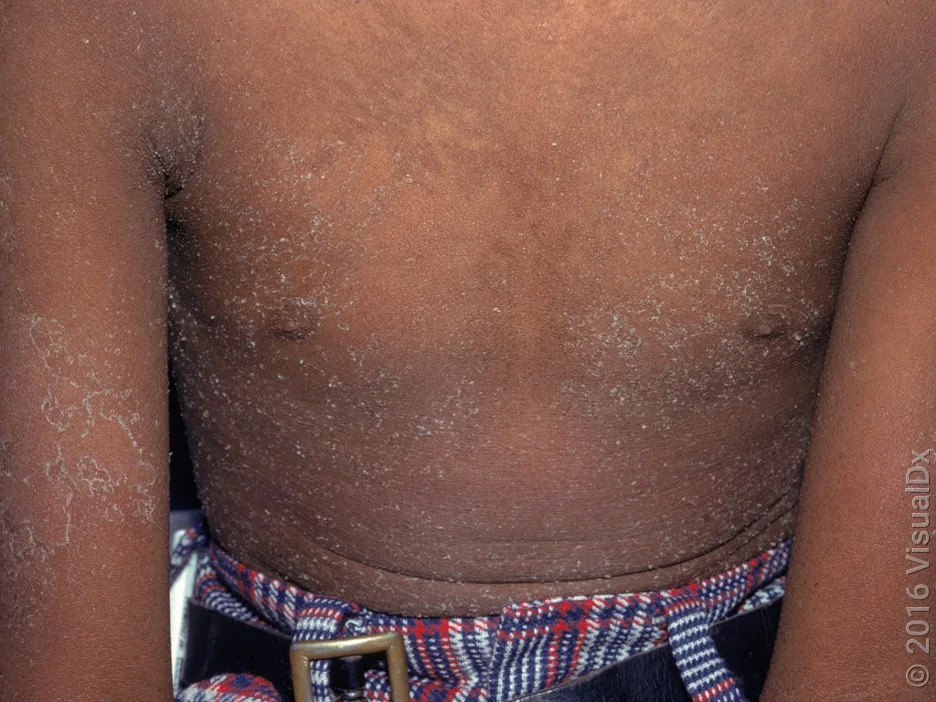
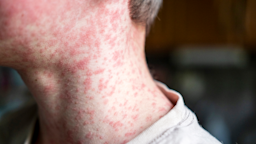
People with scarlet fever develop a red, itchy, sandpaper-textured rash called “scarlatina.”
Antibiotics can cure Streptococcus infections and prevent complications like rheumatic fever.
You may recognize the term “scarlet fever” from books and movies. There’s no shortage of heroes coming down with scarlet fever in older stories, from “Little Women” to “The Velveteen Rabbit” and “Frankenstein.”
Outbreaks of scarlet fever were extremely common when these stories were written. And, after decades of quiet, studies show that scarlet fever is making a comeback. Let’s take a look at what you can do to keep yourself and your children protected from scarlet fever.
What causes scarlet fever (scarlatina)?
Scarlet fever, also called scarlatina, is an illness caused by the bacteria Streptococcus pyogenes.
Streptococcus releases a toxin into the bloodstream when it causes an infection. When the immune system fights off this toxin, it creates an inflammatory response. This inflammatory response is what creates the symptoms of scarlet fever.
People who develop scarlet fever always have a Streptococcus infection, usually strep throat. But you don’t need to have strep throat to develop scarlet fever. Any Streptococcus infection can lead to scarlet fever, including impetigo and cellulitis.
What are the symptoms of scarlet fever?
The symptoms of scarlet fever include:
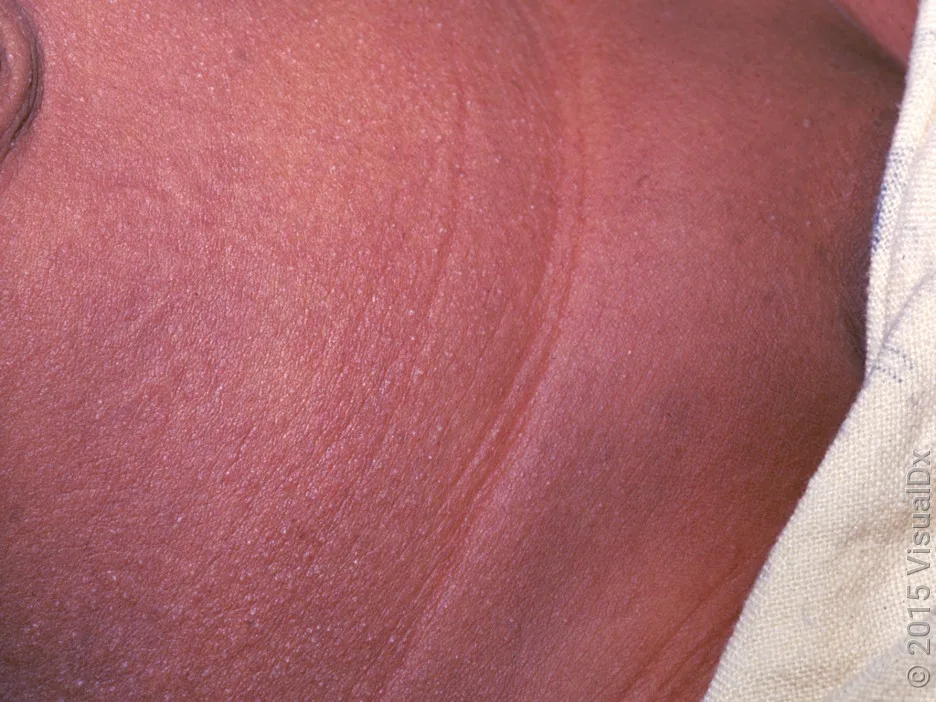
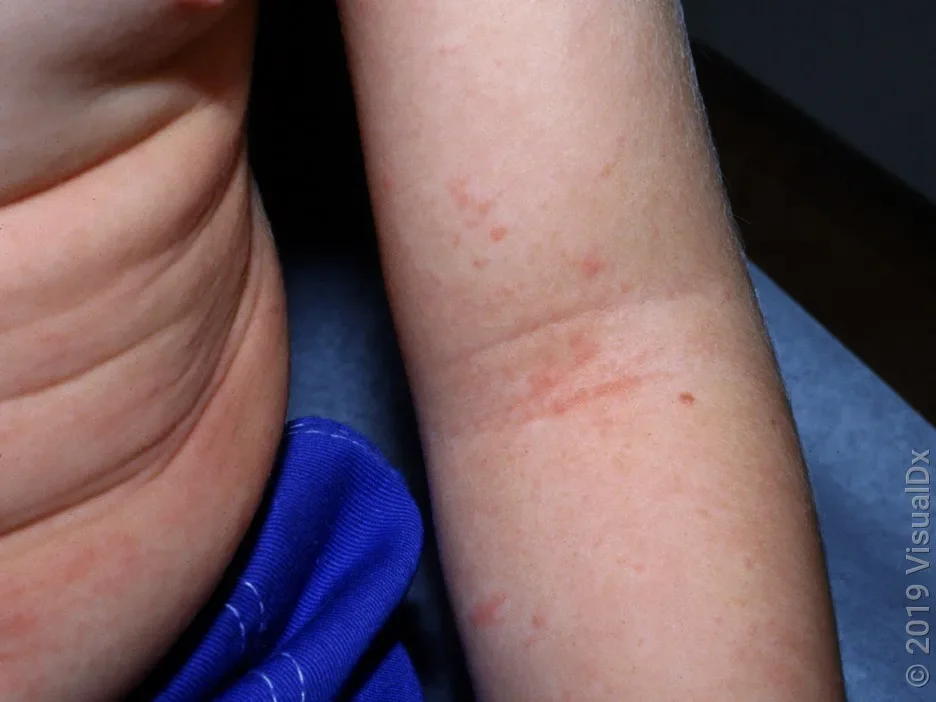
Scarlatiniform rash: Scarlet fever causes a very distinctive rash. It appears as small, raised spots that start in the groin or armpit and spread to other parts of the body. The spots can be red, violet, or brown. The rash feels rough to the touch and is often referred to as a “sandpaper rash.” It usually starts 2 or 3 days after someone gets exposed to Streptococcus. As the infection heals, the rash goes away and patches of skin peels off, usually after about 1 week.
Strawberry tongue: When someone gets scarlet fever, their tongue might become swollen and bright red. This is sometimes called “strawberry tongue.” Their cheeks might also look flushed.
Pastia’s lines: Some people develop red lines in their arms and groin.
Fever: As expected from the name, people with scarlet fever usually have a fever. They also usually have symptoms related to their underlying Streptococcus infection. This might include sore throat or swollen neck lymph nodes.
What does scarlet fever (scarlatina) rash look like?
Here are some pictures of scarlatina in different skin tones so you can see what it looks like.


How do you diagnose scarlet fever?
A healthcare professional may be able to diagnose scarlet fever with a physical exam. They’ll also ask you questions about when and on what part of the body the rash started. This is to make sure your experience matches the pattern of scarlet fever.
A healthcare professional will also ask to do a rapid strep test or throat culture. Strep throat is the most common infection associated with scarlet fever, so a positive strep test can help confirm the diagnosis.
Who is at risk of developing scarlet fever?
Children ages 5 through 15 are most likely to develop scarlet fever. That’s because Streptococcus can spread easily from person to person, especially in places like schools.
Adults can get scarlet fever too. Adults are more likely to get scarlet fever if they:
Have children ages 5 to 15
Work with children or have frequent contact with children
Work in crowded places, like daycare centers and schools

Read more like this
Explore these related articles, suggested for readers like you.


Scarlet fever rarely happens in children younger than 3 years old.
How do you treat scarlet fever?
To treat scarlet fever, you’ll need to get rid of the Streptococcus infection. There are very effective antibiotic treatments that can cure Streptococcus infections, including:
You’ll need to take the medication once or twice a day for 5 to 10 days.
Beyond antibiotics, there are some home remedies that can help you manage the symptoms. The scarlatina rash can be itchy, especially as it starts to heal and peel. Emollients and oatmeal baths can help relieve the itchy feeling.
Your primary care provider may also recommend acetaminophen (Tylenol) or ibuprofen (Advil, Motrin) to help with fever and sore throat.
Is scarlet fever serious?
Before antibiotics, scarlet fever was a very serious condition. People became very sick and many children died. Once antibiotics were discovered, outbreaks of scarlet fever became less frequent. Recently, outbreaks have increased, which might be because Streptococcus is changing and becoming more infectious.
But antibiotics still work against Streptococcus. So, with treatment, scarlet fever is no longer a deadly illness.
Scarlet fever complications
Without treatment, people can still become very sick with scarlet fever and develop complications, like:
Ear or sinus infections
Throat abscess
Blood infections
Arthritis
Kidney disease
Scarlet fever can also increase the risk of developing rheumatic fever. Rheumatic fever is the most serious complication of scarlet fever. It’s a medical condition that affects the heart, brain, and joints. People with rheumatic fever can develop permanent heart damage.
If you think you or a family member might have scarlet fever, get medical attention right away. Starting antibiotics early can prevent these serious complications.
How can you prevent scarlet fever?
There’s no vaccine for scarlet fever, but there are still things you can do to protect yourself and others. If you or your child has scarlet fever:
Stay home from work or school for at least 24 hours after starting antibiotic treatment.
Cover your mouth with your elbow or tissue when you cough or sneeze.
Wash your hands frequently with soap and water.
Do not share items, like cups or towels.
Frequently asked questions
Yes, the bacteria Streptococcus that causes scarlet fever is contagious. Scarlet fever can spread through respiratory droplets, like when you cough or sneeze. You can also get it if you share contaminated items. Streptococcus can also be spread if you touch the skin of a person with a skin infection like impetigo.
A rash from scarlet fever usually lasts about 1 week. But the rash can peel for up to several weeks after that. This peeling is most common around the toes, fingertips, and groin.
Yes, the bacteria Streptococcus that causes scarlet fever is contagious. Scarlet fever can spread through respiratory droplets, like when you cough or sneeze. You can also get it if you share contaminated items. Streptococcus can also be spread if you touch the skin of a person with a skin infection like impetigo.
A rash from scarlet fever usually lasts about 1 week. But the rash can peel for up to several weeks after that. This peeling is most common around the toes, fingertips, and groin.
The bottom line
Scarlet fever is a condition that can develop when a person has strep throat. It causes a sandpaper-textured, red rash all over the body. Without treatment, scarlet fever can lead to serious health conditions like rheumatic fever. Antibiotics can prevent these complications and cure scarlet fever.

Why trust our experts?




Images used with permission from VisualDx (www.visualdx.com).
References
Basetti, S., et al. (2017). Scarlet fever: A guide for general practitioners. London Journal of Primary Care.
Centers for Disease Control and Prevention. (2024). About rheumatic fever.
Centers for Disease Control and Prevention. (2024). About scarlet fever.
Centers for Disease Control and Prevention. (2024). Clinical guidance for scarlet fever.
Centers for Disease Control and Prevention. (2024). Symptoms of scarlet fever.
Centers for Disease Control and Prevention. (2024). Testing for strep throat or scarlet fever.
Gale, A. H. (1945). A century of changes in the mortality and incidence of the principal infections of childhood. Archives of Disease in Childhood.
HealthyChildren.org. (2022). Scarlet fever in children.
Lamagni, T., et al. (2018). Resurgence of scarlet fever in England, 2014–16: A population-based surveillance study. The Lancet Infectious Diseases.
NHS Inform. (2023). Scarlet fever. National Health Service.
Pardo, S., et al. (2023). Scarlet fever. StatPearls.
Swedlund, A. C., et al. (2003). Scarlet fever epidemics of the nineteenth century: A case of evolved pathogenic virulence? Human Biologists in the Archives: Demography, Health, Nutrition and Genetics in Historical Populations.
Wessels, M. R. (2016). Pharyngitis and scarlet fever. Streptococcus pyogenes: Basic biology to clinical manifestations.