Key takeaways:
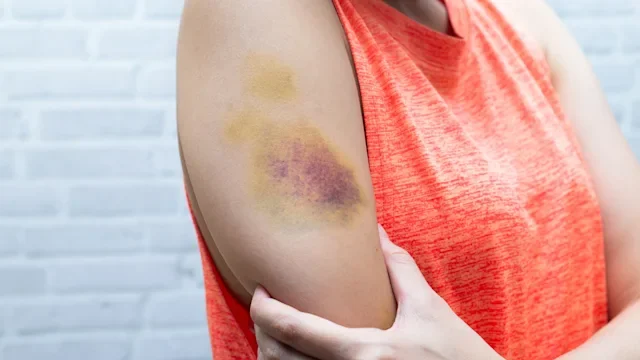
Petechiae are tiny reddish-brown spots that can suddenly appear on your skin. They’re the result of bleeding under the skin when small blood vessels break.
Petechiae themselves aren’t dangerous. But they’re often a sign of an underlying medical problem, which could be serious.
Petechiae usually get better on their own. Treatment is usually aimed at resolving the underlying illness that led to the rash.
Petechiae on your skin can be alarming. These tiny red spots show up when small blood vessels break and bleed under your skin. They’re not always a cause for concern, but they can point to a serious underlying condition. So it’s important to figure out what’s going on.
Usually, there’s an identifiable cause for petechiae. If you develop new spots on your skin, your healthcare team can help find the reason for your skin changes.
What are petechiae?
Petechiae are tiny, pinprick-sized red dots on the surface of your skin. They aren’t itchy or painful. Petechiae appear when small blood vessels bleed underneath your skin. This usually happens when your capillaries — the smallest blood vessels in your skin — are damaged.
Petechiae are less than 2 mm in size, about the size of the tip of a crayon. They may appear in a group and look like a rash on your skin. On darker skin tones, petechiae may appear brown or purple in color.
What do petechiae look like?
Petechiae don’t typically cause symptoms other than looking like tiny blood spots on your skin. They’re usually flat, not raised or bumpy. On rare occasions, they can be tender to the touch. But in general, petechiae aren’t painful.
The most common areas where petechiae appear include the:
Arms
Legs
Torso
Inside of the mouth
Eyelids
Another feature of petechiae is that they don’t blanch. This means the spots don’t fade or turn white when you press down on them. This can help tell the difference between petechiae and other common skin disorders, like viral rashes and hives.
What causes petechiae?
There are quite a few things that can play a role in the small blood vessel damage that causes petechiae. Some common petechiae causes include:
Vitamin deficiency: Not getting enough vitamins and minerals (malnutrition) can raise the risk of petechiae. Low vitamin C and vitamin K are two of the most common vitamin deficiencies linked to petechiae. Low vitamin K often occurs in newborns, but it’s sometimes associated with malnutrition. Some of the best vitamin K foods include leafy greens and cruciferous vegetables.
Infections (bacterial and viral): Infections can cause blood vessel damage that leads to petechiae. Infections linked to petechiae include infectious mononucleosis (usually on the roof of the mouth) and influenza (the flu). Petechiae is also linked to respiratory syncytial virus (RSV) and fifth disease (parvovirus B19). Measles, mumps, and rubella can also cause petechiae. Bacterial infections that can cause petechiae include Streptococcal infections (like strep throat), bacterial meningitis, and Rocky Mountain spotted fever.
Blood disorders: Many blood disorders that cause petechiae involve issues with platelets. Platelets are the blood cells that form clots and stop bleeding. Blood disorders that can cause petechiae include leukemia, idiopathic thrombocytopenic purpura, and splenomegaly (enlarged spleen). Other blood disorders may include Fanconi’s anemia, hemolytic uremic syndrome, and disseminated intravascular coagulation.
Vasculitis: Vasculitis, or blood vessel inflammation, can cause petechiae. This can occur with autoimmune diseases like systemic lupus erythematosus, medications, or infections. Vasculitis is a serious condition that needs treatment to avoid severe organ damage.
Seizures: Seizures can cause involuntary convulsions and damage small blood vessels. Petechiae can occur with seizures, and when they do, they often appear around the eyes and eyelids. Interestingly, both seizures and some medications used to treat seizures cause petechiae.
Medications: Adverse reactions to medication can also lead to bleeding from small blood vessels. Medications that can trigger petechiae include seizure medications (like valproic acid and phenytoin), blood thinners (like warfarin and heparin), and anti-inflammatory medications (like aspirin). Penicillin, quinine, and furosemide can also lead to petechiae.
Trauma: This can include accidental trauma, such as falls or car accidents. Coughing, vomiting, or straining for extended periods of time can also cause petechiae. Petechiae can also occur from intentional injury. In children, petechiae along with unexplained bruises may be a sign of possible physical abuse.
Are there petechiae treatment options?
Petechiae don’t typically need specific treatment. That’s because they’re usually a symptom of another condition. They can resolve on their own within 2 to 3 days, but could last 1 to 2 weeks.
If the petechiae are the result of a medical condition, they’ll go away when the underlying medical issue is treated. For example, if you have petechiae because of poor nutrition, improving your diet may help clear them. If a medication reaction is the cause, stopping your medication will treat them.
Can you prevent petechiae?
You can’t prevent all the potential underlying causes of petechiae. But there are some things within your control. For example, you can follow a balanced diet to make sure you get enough important vitamins, including vitamins C and K. Staying up to date on vaccines can also help prevent viral infections that can lead to petechiae. This includes vaccines for the flu, RSV, and MMR (measles, mumps, and rubella).

Read more like this
Explore these related articles, suggested for readers like you.


When should you get medical attention?
You should always contact your primary care provider if you have petechiae. They can help you figure out the source of your skin changes. This is important because sometimes a serious medical condition causes petechiae.
Serious causes of petechiae often have other symptoms to look out for. Get medical attention right away if you notice petechiae along with:
Fevers
Unexplained weight loss
Change in alertness
Extreme fatigue
Sudden high blood pressure
Fast heart rate
Swollen lymph nodes
Are petechiae life-threatening?
Petechiae alone aren’t life-threatening. And many times, there’s no reason to worry about petechiae. But in some cases, they can be a sign of a serious, life-threatening medical condition. That’s why it’s important to let your primary care provider know if you notice these skin changes.
Some life-threatening causes of petechiae can include:
Leukemia
Vasculitis
Endocarditis (bacterial infection of the heart)
Is it petechiae, purpura, or cherry angioma?
There are different types of blood vessel abnormalities that people sometimes mistake for petechiae. These abnormalities are grouped by the size of the blood vessel affected:
Petechiae involve damage to the smallest blood vessels, called capillaries.
Purpura are broken vessels that involve larger and medium-sized blood vessels. The spots on your skin tend to be larger. Purpura are usually 4 mm to 10 mm in size, about the size of a popcorn kernel to the length of a staple.
Cherry angiomas are small, noncancerous tumors made up of small blood vessels. A cherry angioma usually looks like a tiny red spot or mole. Because they’re similar in size, people sometimes mistake cherry angiomas for petechiae. But a cherry angioma will blanch and lose its color when you apply pressure.
Frequently asked questions
Gonorrhea that has spread to other parts of your body can sometimes lead to a petechiae rash. Human immunodeficiency virus (HIV) can indirectly cause petechiae by lowering the number of platelets in your blood.
But in general, petechiae aren’t a common symptom of gonorrhea or other sexually transmitted diseases (STD).
Petechiae are fairly common in older adults. This may be due to medications that raise the risk of petechiae, more fragile blood vessels, or health conditions that make bleeding more likely.
Iron deficiency (lack of iron) isn’t likely to cause petechiae on its own. But your platelets may not clump together as well as they normally do when you don’t have enough iron. This can make it harder for your blood to clot and stop bleeding. This effect usually isn’t severe enough to cause petechiae on its own. So, if you have iron deficiency and petechiae, your healthcare team will want to figure out the underlying cause.
Gonorrhea that has spread to other parts of your body can sometimes lead to a petechiae rash. Human immunodeficiency virus (HIV) can indirectly cause petechiae by lowering the number of platelets in your blood.
But in general, petechiae aren’t a common symptom of gonorrhea or other sexually transmitted diseases (STD).
Petechiae are fairly common in older adults. This may be due to medications that raise the risk of petechiae, more fragile blood vessels, or health conditions that make bleeding more likely.
Iron deficiency (lack of iron) isn’t likely to cause petechiae on its own. But your platelets may not clump together as well as they normally do when you don’t have enough iron. This can make it harder for your blood to clot and stop bleeding. This effect usually isn’t severe enough to cause petechiae on its own. So, if you have iron deficiency and petechiae, your healthcare team will want to figure out the underlying cause.
The bottom line
Petechiae can be alarming when they appear on your skin. In many cases, they’re nothing to worry about and resolve on their own. But sometimes, they can appear as a symptom of an underlying medical condition. So, don’t ignore them. Contact your doctor’s office if you notice sudden skin changes. They can help you figure out the proper diagnosis and provide treatment if needed.

Why trust our experts?


References
Bhardwaj, A., et al. (2023). Editor’s pick: Drug-induced thrombocytopenic purpura: A systematic review and meta-analysis of case reports. EMJ Allergy & Immunology.
Blank, J. A., et al. (2021). Arthritis-dermatitis syndrome: A case of disseminated gonococcal infection with petechial skin rash. Journal of General Internal Medicine.
Centers for Disease Control and Prevention. (2024). About Rocky Mountain spotted fever.
Chapple, D. (2015). More than just a bruise: Recognizing child physical abuse. BC Medical Journal.
Daley, S. F., et al. (2026). Vitamin K deficiency in neonates and adults. StatPearls.
Dikme, O., et al. (2018). Seizure-induced petechial rash on the cheeks. Journal of Emergency and Trauma Care.
McGrath, A., et al. (2023). Petechiae. StatPearls.
MedlinePlus. (n.d.). Fanconi anemia.
MedlinePlus. (2025). Purpura.
Mokhtar, G. M., et al. (2015). Alterations of platelet functions in children and adolescents with iron-deficiency anemia and response to therapy. Platelets.
Nakagawa, H., et al. (2021). Infectious mononucleosis with eyelid edema and palatal petechiae. The Korean Journal of Internal Medicine.
Qadeer, H. A., et al. (2023). Cherry hemangioma. StatPearls.
ScienceDirect. (n.d.). Petechia.
Seifer, C. M., et al. (2020). Petechiae, purpura, and a pandemic: A recipe for scurvy. Cureus.
Thomas, A. E., et al. (2016). Purpuric and petechial rashes in adults and children: Initial assessment. The BMJ.
Zhang, L., et al. (2023). Periorbital petechiae after emesis in a young woman. Canadian Medical Association Journal.