Key takeaways:
Some people attract mosquitoes because of things they can’t change — like their blood type or how much heat they give off.
Your diet doesn’t affect how likely you are to get bitten by mosquitoes.
There are ways you can make yourself less appealing to mosquitoes, like wearing light-colored clothing and using insect repellent.
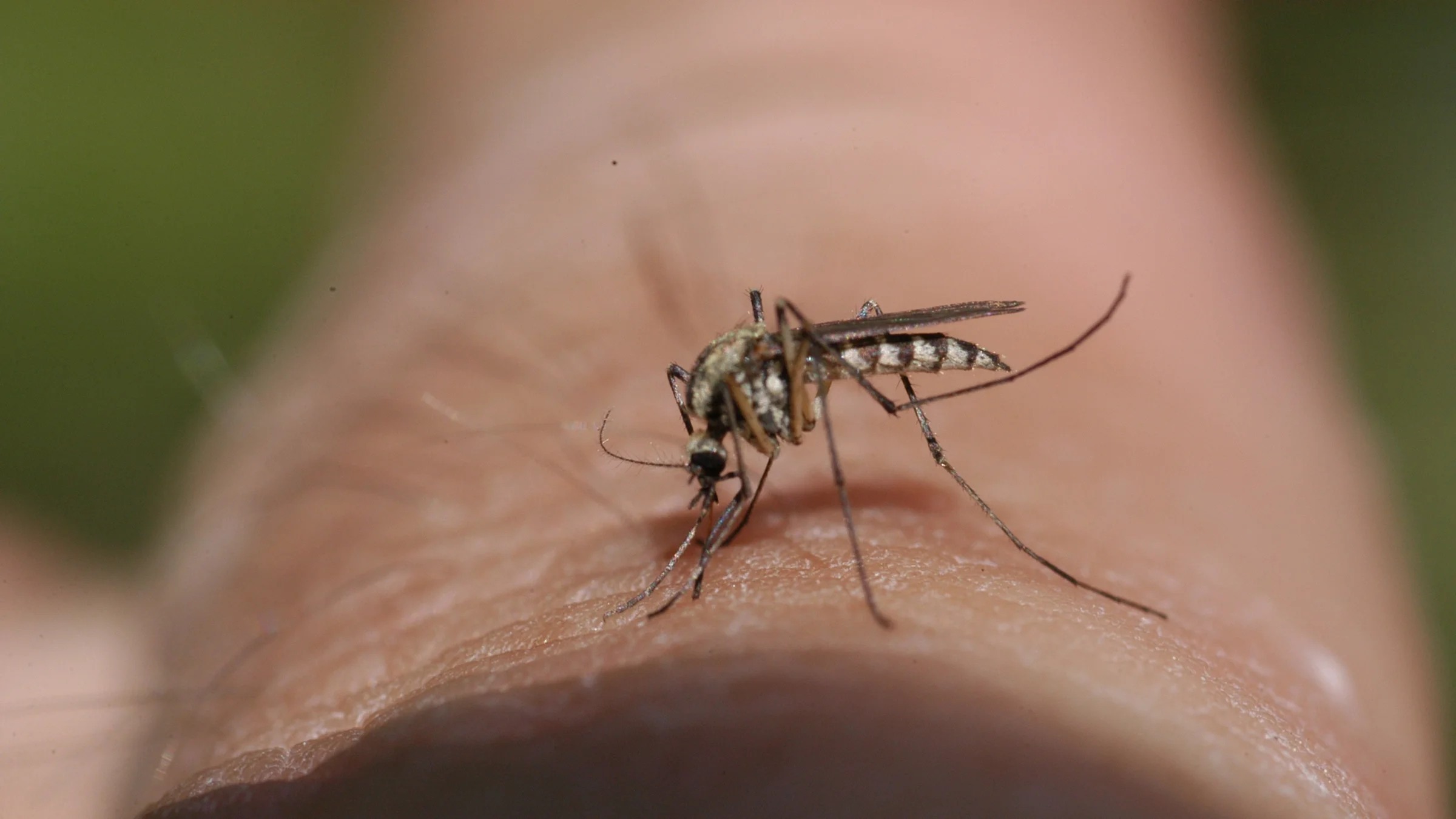
Do you know someone who always seems to get bitten by mosquitoes? Or maybe it’s you, and you always wonder, “Why do mosquitoes bite me so much?” Research shows that some people really are “mosquito magnets.”
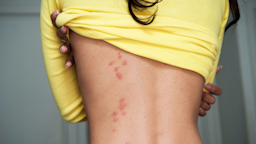
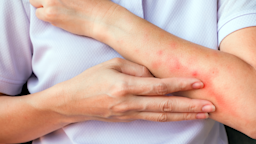
No one wants to attract a mosquito’s attention. Mosquito bites aren’t just irritating. They can get infected and cause more serious symptoms. And mosquitoes can spread illnesses like West Nile virus, dengue fever, or malaria to humans through bites.
Here are nine reasons you might be attracting mosquitoes — and what you can do about it.
Search and compare options
1. Carbon dioxide
It may sound scary, but you’re attracting mosquitoes just by breathing. With every exhale, you give off carbon dioxide (CO2). And mosquitoes know that where there’s CO2, there are people to bite. In fact, sensing CO2 seems to be the first thing to alert mosquitoes that a meal is close by. Next, they use senses like smell, vision, and heat sensing to find humans.
2. Body odor
Mosquitoes can “smell” you. When you sweat, your body gives off chemicals, including carboxylic acid, ammonia, and lactic acid. Each person releases a different amount of these chemicals. And some people give off just the right amount of each one — creating an irresistible perfume that attracts mosquitoes. So, maybe you’ve wondered, “What attracts mosquitoes?” Well, the answer just might be your own sweat.
There’s nothing you can do to change how much of these chemicals you give off when you sweat. Things like deodorant won’t change your body’s natural metabolism.
3. Body temperature
Mosquitoes are “heat seeking,” which means they’re drawn to body heat. Experts have found that mosquitoes can detect even small differences in temperature. If you have a higher body temperature (like during exercise), you may find yourself the target of nearby mosquitoes.
4. Blood type
People with certain blood types are more likely to get bitten by mosquitos. There’s research showing that people with Type O blood are more likely to get bites from Aedes aegypti mosquitoes (a common mosquito in the U.S.).
On the other hand, people with Type A blood tend to be less desirable targets for these pests. So, if you’ve been asking, “Why do mosquitoes bite me and not my husband?” — it turns out that your blood type could be the answer.

Can chemical-free bug sprays keep mosquitoes away? Yes, here are some natural mosquito repellents that really work.
Not sure how to get rid of itchy mosquito bites? These remedies can help soothe the itch.
Yes, DEET can be used on kids. Find out how to safely apply this mosquito repellent on kids.
5. Diet
For years, researchers have been trying to figure out if a person’s diet can make them more likely to attract mosquitoes. It turns out your diet doesn’t really affect your chances of getting mosquito bites. But there are possible exceptions — like bananas.
One small study suggests that eating bananas makes you more attractive to mosquitoes. But these studies weren’t strong enough for researchers to say you should stop eating bananas to decrease your risk of getting bitten. So don’t throw out that banana just yet.
6. Clothing color
Mosquitoes may also be influenced by the colors you wear. A recent study showed that orange and red colors attract mosquitoes. This same study showed that mosquitoes weren’t quite as interested in green and blue colors. There’s also evidence that mosquitoes are more attracted to people when they wear darker colors.
Read more like this
Explore these related articles, suggested for readers like you.

There’s no color that can make you “invisible” to mosquitoes. But lighter colors, especially light blue and green, seem to attract less attention from mosquitoes.
7. Pregnancy
Studies show that you’re much more likely to attract mosquitoes when you’re pregnant. Pregnancy increases your metabolism. And increased metabolism means you’re giving off more carbon dioxide and heat — two mosquito magnets.
8. Skin bacteria
Believe it or not, the bacteria living on your skin can influence how likely you are to get bitten by mosquitoes. These bacteria help break down sweat and produce body odors — some of which are more appealing to mosquitoes than others. Studies have shown that people with certain skin bacteria may be more attractive to mosquitoes. So, if you’re always the one getting bitten, your skin’s microbiome might be part of the reason.
9. Alcohol consumption
If you’ve ever felt like mosquitoes love you more after a drink, you might be onto something. Research shows that drinking alcohol — especially beer — can make you more attractive to mosquitoes. One study found that people who drank beer were bitten more often than when they weren’t drinking beer. So, while that cold beer might hit the spot, it could also make you a mosquito magnet.
How to prevent mosquito bites
Like humans, mosquitoes want to work smarter, not harder. They’ll get their meal from the easiest possible source. So, while you can’t control your blood type or the chemical makeup of your sweat, you can learn how to keep mosquitoes away. Here are a few tips.
1. Eliminate standing water around your home
Mosquitoes lay their eggs in standing water. You can help control the mosquito population near you by getting rid of places for water to accumulate. This can reduce the number of adult mosquitoes in an area by as much as 70%.
2. Cover your skin
Wear long sleeves and pants whenever possible. The less skin you expose, the harder it is for mosquitoes to bite you. You can get a mosquito bite through clothing, but you’re less likely to get bitten if you’re wearing clothes.
3. Choose the right time of day to be outside
Mosquitoes are more active during certain times of the day — the hours right before sunset and early morning before the sun has fully risen. So, if you’re going for a run or working outdoors, try not to do it during peak feeding times.
4. Wear light-colored clothing
Mosquitoes are attracted to darker colors. Swap out dark outfits for lighter colors to help avoid detection.
5. Use mosquito repellent
Mosquito repellent makes you less appealing to mosquitoes. The most effective insect repellents have DEET. You want to apply DEET to both exposed skin and clothes. Bracelets or wristbands (even those containing DEET) don’t keep mosquitoes away.
When used correctly, DEET is approved by the Environmental Protection Agency (EPA). If you prefer not to use DEET-based repellent, some good options that are also approved by the EPA are:
Para-menthane-diol (PMD)
Picaridin
You can even try making your own homemade mosquito repellent. You can try some essential oils that repel mosquitoes and other natural options, like:
Citronella
Oil of lemon eucalyptus
6. Decorate with plants that repel mosquitoes
Some studies have shown that essential oils derived from basil and marigold can repel mosquitoes. But there’s not much evidence that adding these plants to your garden will drive away mosquitoes.
How to treat mosquito bites
Mosquito bites are annoying. But the good news is there are plenty of ways to soothe the itch and help your skin heal faster. Here’s a quick breakdown of what works.
1. Wash with soap and water
Start simple. Cleaning the bite with soap and water helps prevent infection, especially if you’ve been scratching.
2. Apply an ice pack
Cold compress helps reduce swelling and numbs the area. Wrap ice in a cloth so you’re not applying it directly to your skin. Apply ice for 10 to 15 minutes at a time before taking a break.
3. Use anti-itch creams
Over-the-counter (OTC) hydrocortisone cream or calamine lotion can calm the skin and reduce inflammation. You can use these a few times a day as needed to stop the itch.
3. Take an oral antihistamine
If the itching is intense and lotions don’t work, an oral antihistamine like diphenhydramine (Benadryl) or loratadine (Claritin) can help block the body’s itch response from the inside out.
4. Try natural remedies
Some natural remedies have anti-inflammatory properties and may offer relief for mild symptoms. Good ones to try for soothing the skin include:
Oatmeal baths
Aloe vera
Honey
Just make sure you’re not allergic to any of these before putting them on your body.
5. Avoid scratching
It’s hard to avoid scratching a mosquito bite. But scratching can lead to broken skin and cause an infection. If you’re having a hard time resisting, try covering the bite with a bandage.
6. Watch for signs of infection
If the bite gets redder, more swollen, or starts oozing, it could be infected. In that case, it’s time to check in with a healthcare professional.
Frequently asked questions
Adult female mosquitoes bite because they need blood to make eggs. But their primary food source is actually flower nectar.
Redness and bumps from mosquito bites generally last a few days. But the itching may last up to 7 to 10 days.
No body wash will guarantee you won’t get bitten by mosquitoes. However, some products may decrease how attracted they are to you. Body washes that contain ingredients like citronella, eucalyptus, or lemon oil can provide a mild repellent effect. Keep in mind, though, that the effect is temporary. So pairing the body wash with a dedicated mosquito repellent is your best bet for long-lasting protection.
Most mosquito bites are harmless and just cause temporary itching and swelling. And getting bit by lots of mosquitos at once isn’t necessarily dangerous either. But that doesn’t mean that mosquito bites aren't sometimes dangerous. Some mosquitoes carry serious diseases like:
Malaria
Dengue fever
West Nile virus
Zika
If you’re frequently in areas where these diseases are common, it’s important to take precautions like using repellents or wearing protective clothing.
Adult female mosquitoes bite because they need blood to make eggs. But their primary food source is actually flower nectar.
Redness and bumps from mosquito bites generally last a few days. But the itching may last up to 7 to 10 days.
No body wash will guarantee you won’t get bitten by mosquitoes. However, some products may decrease how attracted they are to you. Body washes that contain ingredients like citronella, eucalyptus, or lemon oil can provide a mild repellent effect. Keep in mind, though, that the effect is temporary. So pairing the body wash with a dedicated mosquito repellent is your best bet for long-lasting protection.
Most mosquito bites are harmless and just cause temporary itching and swelling. And getting bit by lots of mosquitos at once isn’t necessarily dangerous either. But that doesn’t mean that mosquito bites aren't sometimes dangerous. Some mosquitoes carry serious diseases like:
Malaria
Dengue fever
West Nile virus
Zika
If you’re frequently in areas where these diseases are common, it’s important to take precautions like using repellents or wearing protective clothing.
The bottom line
Some people are mosquito magnets: They’re more likely to get bitten by mosquitoes. Some things that make you more attractive to mosquitoes include your blood type, body temperature, and how much ammonia you give off in your sweat. There’s nothing you can do to change these things. But you can still take steps to make yourself less attractive to mosquitoes. You can prevent mosquito bites by keeping your skin covered, wearing light-colored clothing, and using an EPA-approved mosquito repellent, like DEET.

Why trust our experts?




References
Acree, F., Jr., et al. (1968). L-Lactic acid: A mosquito attractant isolated from humans. Science.
Alberto, D. A. S., et al. (2022). The olfactory gating of visual preferences to human skin and visible spectra in mosquitoes. Nature Communications.
Ali, A., et al. (2016). Chemical composition and biting deterrent activity of essential oil of Tagetes patula (marigold) against Aedes aegypti. Natural Product Communications.
American Academy of Allergy Asthma & Immunology. (2025). Take a bite out of mosquito stings.
Ansell, J., et al. (2002). Short-range attractiveness of pregnant women to Anopheles gambiae mosquitoes. Transactions of The Royal Society of Tropical Medicine and Hygiene.
Asadollahi, A., et al. (2019). Effectiveness of plant-based repellents against different Anopheles species: A systematic review. Malaria Journal.
Breakthrough Action+Research. (n.d.). Remove standing water.
Centers for Disease Control and Prevention. (2024). About mosquito bites.
Centers for Disease Control and Prevention. (2024). About mosquitoes in the United States.
Centers for Disease Control and Prevention. (2024). Mosquito-borne diseases in workers.
Centers for Disease Control and Prevention. (2025). Mosquitoes, ticks and other arthropods.
Cumberland County, New Jersey. (n.d.). Mosquito facts - 29 things you didn't know about mosquitoes.
Fradin, M. S., et al. (2002). Comparative efficacy of insect repellents against mosquito bites. The New England Journal of Medicine.
Greppi, C., et al. (2020). Mosquito heat-seeking is driven by an ancestral cooling receptor. Science.
Havlicek, J., et al. (2006). The effect of meat consumption on body odor attractiveness. Chemical Senses.
Lefèvre, T., et al. (2010). Beer consumption increases human attractiveness to malaria mosquitoes. PLoS One.
McMeniman, C. J., et al. (2014). Multimodal integration of carbon dioxide and other sensory cues drives mosquito attraction to humans. Cell.
Mizejewski, D. (2025). What purpose do mosquitoes serve? National Wildlife Federation.
Nararak, J., et al. (2016). Avoidance behavior to essential oils by Anopheles minimus, a malaria vector in Thailand. Journal of the American Mosquito Control Association.
National Institutes of Health. (2022). Skin compounds associated with attractiveness to mosquitoes.
Paskewitz, S., et al. (2018). Impact of consumption of bananas on attraction of Anopheles stephensi to humans. Insects.
Prasadini, M., et al. (2019). Blood feeding preference of female Aedes aegypti mosquitoes for human blood group types and its impact on their fecundity: Implications for vector control. American Journal of Entomology.
Public Health Department. (n.d.). What you need to know: Mosquitoes love standing water. County of San Luis Obispo
Qiu, Y. T., et al. (2006). Interindividual variation in the attractiveness of human odours to the malaria mosquito Anopheles gambiae. Medical and Veterinary Entomology.
Shirai, Y., et al. (2004). Landing preference of Aedes albopictus (Diptera: Culicidae) on human skin among ABO blood groups, secretors or nonsecretors, and ABH antigens. Journal of Medical Entomology.
The Rockefeller University. (2015). Mosquitoes are tuned to seek out temperatures that match warm-blooded hosts.
van Breugel, F., et al. (2015). Mosquitoes use vision to associate odor plumes with thermal targets. Current Biology.
Verhulst, N. O., et al. (2010). Differential attraction of malaria mosquitoes to volatile blends produced by human skin bacteria. PLoS One.