Key takeaways:
“Blue spaces” are areas with visible water. They include rivers, lakes, and the ocean. It can also include smaller water sources like streams, ponds, and even small fountains.
Living near water, or even just visiting it, is linked to many health benefits, including improved mood, lower stress, and being more likely to engage in physical activity.
Before living near or spending time near water, it's important to consider potential drawbacks, such as air quality, noise levels, sun exposure, and water safety.
It’s no surprise to most people that “blue spaces” — areas with water — are popular hangouts. Most people think about oceans, lakes, and rivers when they think about blue spaces. But you might be surprised to learn that just about any place with access to water can count as a blue space, including streams, ponds, and fountains.
Many people find it relaxing to be near water. But did you know there might be health benefits to blue spaces? Whether you spend a weekend at a nearby lake or live by a river or the sea, being near water can be good for your health.
Let’s take a closer look at what the research has to say so far.
Search and compare options
3 health benefits of living near water
There’s some evidence that living near water may be good for your physical and mental health. Here are three potential benefits:
1. Improved mood
Blue spaces may help with rest and relaxation. In research studies, people who visited blue spaces a lot said they had lower levels of mental distress, and decreased symptoms of depression. Spending time in blue spaces might also help to decrease stress and lower anxiety.
2. Increased socializing
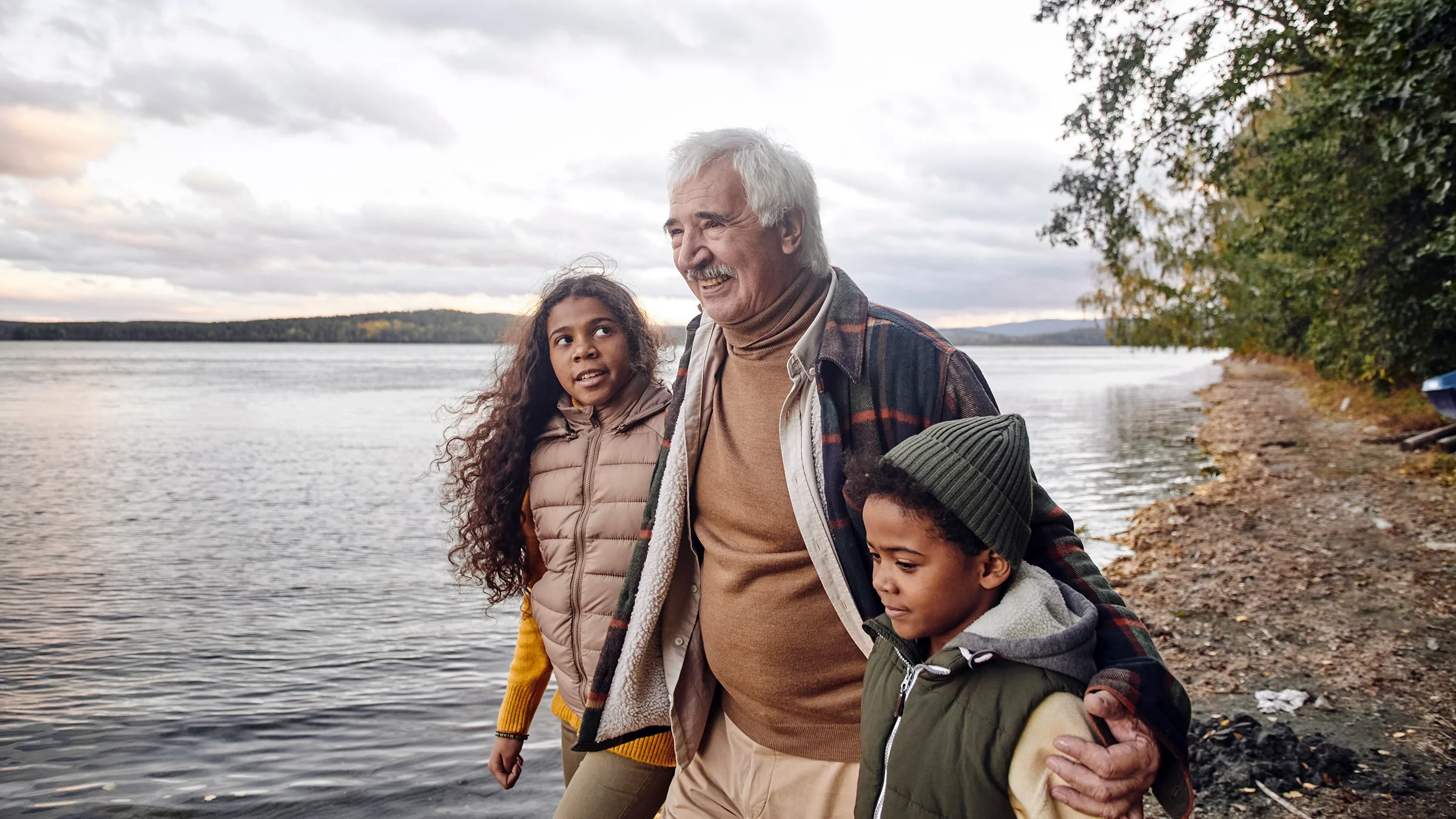
Exposure to blue spaces also seems to promote social interactions — which are good for your physical and mental health. Blue spaces provide a gathering location, which encourages neighbors to get to know and interact with one another.
Being with other people can potentially decrease loneliness, which is linked to many different health conditions including:
3. More physical exercise
Blue spaces can help adults be more physically active. Remember, exercise isn’t only for your body. Physical health has well-established mental health benefits too.

Read more like this
Explore these related articles, suggested for readers like you.


Blue spaces create a pleasant backdrop for walking or for people to gather to play team sports. Many people also enjoy using water for active hobbies like:
Swimming
Boating
Water-skiing
Can you still get benefits from visiting water?
Yes. Even if you don’t have immediate access to water where you live, visiting blue spaces can still improve your health and well-being. There’s even some evidence that visiting blue spaces may even provide more mental benefits than living in them.
Visiting water from time to time can have benefits like:
Decreased stress: Individuals who visited blue spaces reported positive well-being and less distress, just like people who live near the water.
Enhanced connectedness with nature: Visiting blue spaces can help you feel connected to nature, which can boost your mental health.
Increased physical activity: There’s also evidence that visiting blue spaces can encourage people to be more physically active — which, as we mentioned above, is great for both your mental and physical health.
It’s also possible that just looking at photos of blue spaces can have a benefit. In one small research study, viewing images of blue spaces seemed to promote a positive body image. Body image can have a major impact on your mental health.
What are the best types of blue spaces?
It’s not clear. So far, most of the research studies have only been on the general benefits of blue spaces. We don’t really know yet whether any one type of water source is better than another.
The truth is, each type of blue space may offer its own benefits and experiences. And the advantages of living near water might also differ depending on your personal preferences. For example, the ocean features calming waves, but a lake can provide recreational activities like water sports.
Precautions to consider before spending time near water
Blue zones can come with some possible risks. It’s important to also take steps to protect yourself near water.
Here are a few things to keep in mind:
Drowning risk: When you’re near water, safety is essential. Drowning incidents often take place in large bodies of water, according to the CDC. But keep in mind: Small children can drown in as little as 1 to 2 inches of water.
Poor air quality and high pollution: Sea breezes can disperse pollution. This is more of a concern with urban blue spaces, like ports for diesel-powered shipping.
Increased noise: Moving water increases noise levels. You might hear more talking, shouting, or loud boating noises near blue spaces.
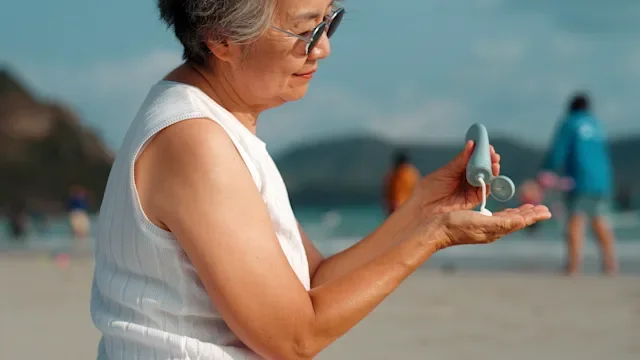
Sun exposure: Water reflects sunshine, so ultraviolet (UV) rays can be stronger and potentially more harmful in blue spaces. This can put you at risk for skin damage and skin cancer. Wearing sunscreen and protective clothing can protect against these effects.
The bottom line
There’s evidence that blue spaces can have positive effects on your mental and physical health. Some of the advantages of spending time near water include reduced stress and better mood. Being near water can lead to increased physical activity and socialization, too. And even if you don’t live in or near a blue space, visiting water can still have benefits.
Keep in mind that blue spaces can come with risks too, like pollution, water hazards, and increased UV exposure. There’s also a need for further research on blue spaces, including studies to link specific bodies of water to their respective benefits.

Why trust our experts?




References
American Academy of Pediatrics. (2023). Drowning prevention for curious toddlers: What parents need to know.
Britton, E., et al. (2020). Blue care: A systematic review of blue space interventions for health and wellbeing. Health Promotion International.
Centers for Disease Control and Prevention. (2024). Drowning facts.
Georgiou, M., et al. (2021). Mechanisms of impact of blue spaces on human health: A systematic literature review and meta-analysis. International Journal of Environmental Research and Public Health.
Georgiou, M., et al. (2021). This is how urban 'blue spaces' can improve our health. World Economic Forum.
Reed, P. (2022). Physical activity Is good for the mind and the body. Office of Disease Prevention and Health Promotion.
Rygal, N., et al. (2021). Simulated nature and positive body image: A comparison of the impact of exposure to images of blue and green spaces. Body Image.
Stieger, S., et al. (2022). The impact of nature exposure on body image and happiness: An experience sampling study. International Journal of Environmental Health Research.
Tan, L. Y., et al. (2021). The right mix: Residential urban green-blue space combinations are correlated with physical exercise in a tropical city-state. Urban Forestry & Urban Greening.
White, M., et al. (2021). Associations between green/blue spaces and mental health across 18 countries. Scientific Reports.
White, M., et al. (2020). Blue space, health and well-being: A narrative overview and synthesis of potential benefits. Environmental Research.