Maybe your idea of fun is gathering 27 of your closest friends for a rambunctious dinner party complete with high-energy card games and music thumping in the background. Or perhaps you’d rather sit at home, in the peace and quiet of your lonesome, with a bowl of air-popped popcorn, a Jane Austen novel, and a cat at your feet.
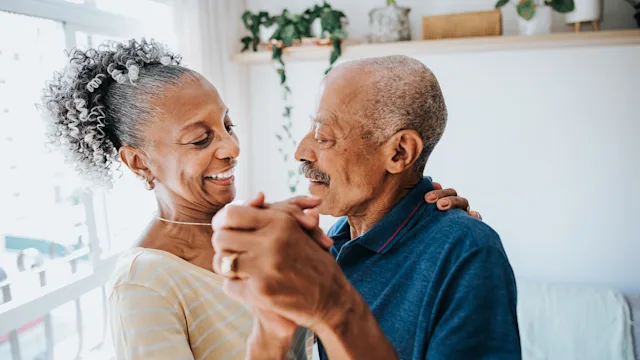
Regardless of which scenario sounds ideal to you, science knows the truth that may unite introverts and extroverts once and for all: Everyone benefits from human connection. Although everyone may require different amounts of interaction, researchers have found a number of ways that socializing benefits physical and emotional health.
References
Kelly, M.E., et al. (2017). The impact of social activities, social networks, social support and social relationships on the cognitive functioning of healthy older adults: a systematic review. Systematic Reviews.
Mora-Ripoll, R. (2010). The therapeutic value of laughter in medicine. Alternative Therapies in Health and Medicine.
Sörman, D.E., et al. (2015). Social relationships and risk of dementia: a population-based study. International Psychogeriatrics.
Umberson, D., et al. (2010). Social relationships and health: a flashpoint for health policy. Journal of Health and Social Behavior.
Webber, M., et al. (2017). A review of social participation interventions for people with mental health problems. Social Psychiatry and Psychiatric Epidemiology.

Why trust our experts?



Search and compare options