Key takeaways:
Ticks are small parasitic insects that bite humans and animals to feed on blood.
Some ticks carry infections that they can pass on through bites.
To treat a tick bite, remove the tick and wash the area immediately to reduce your risk of infection.
To help prevent tick bites, use insect repellent, avoid heavily wooded or grassy areas, and wear long sleeves and pants while hiking and camping.
During warmer times of the year, many people enjoy being outdoors. In some parts of the country, outdoor activities like walking the dog, hiking, or camping can put you at risk of getting a tick bite.
Here, we’ll cover tick bite treatment, including what to do if you think you’ve been bitten and steps you can take to prevent future bites.
What are ticks?
Ticks are small parasites that feed on blood from humans and animals. The person or animal a tick bites is called a host.
Search and compare options
When a tick bites, it attaches to the skin and can feed for hours or even days. They’re very small, so most people don’t feel the bite. Many bites go unnoticed until the tick swells from feeding and becomes large enough to spot.
Where are ticks most common?
Different types of ticks live in different parts of the country. The type of tick varies by region, but ticks can be found in all states. The brown dog tick, which commonly bites dogs but can also bite humans, can be found everywhere in the U.S.
In general, tick bites seem to be most common in the Northeast and least common in the South Central U.S.
Tick bite complications
The main concern with tick bites is that they can spread disease. Ticks can become infected with bacteria, viruses, or parasites and pass them from one host to another. These infections are called tick-borne diseases.
Common tick-borne diseases
Some tick-borne diseases are more common in certain parts of the country. For example, Lyme disease is common in the Northeast, mid-Atlantic, and Upper Midwest. It’s less common in other parts of the U.S.
Common tick-borne diseases include:
But before you panic, remember that not all ticks carry disease. And getting a tick bite doesn’t mean you’ll be infected with a tick-borne disease.
Whether a tick transmits a disease depends on a few different factors, such as:
The type of tick
The geographic location of where you were bitten
How many ticks in the area carry disease
How long the tick stays attached to your body

Read more like this
Explore these related articles, suggested for readers like you.

Because of these factors, the actual risk of infection may be quite low, even in areas where a particular disease is common. For example, the risk of getting Lyme disease after a tick bite is about 2% — and this is the most common tick-borne disease.
What are symptoms of a tick bite?
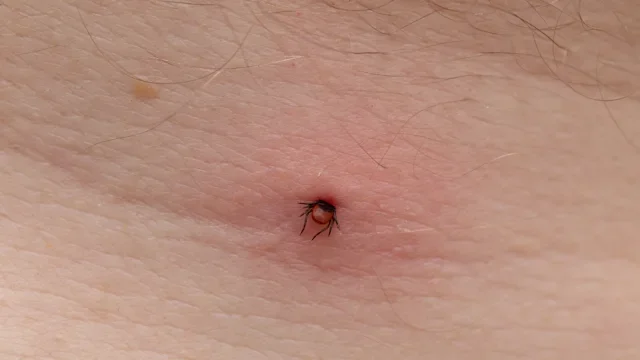
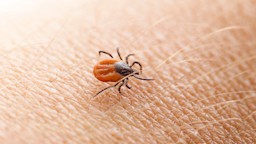
The clearest sign of a tick bite is seeing a tick still attached to your skin. Ticks are small, dark brown bugs that can be easy to miss. After feeding, they can grow two to three times larger, which makes them easier to spot.
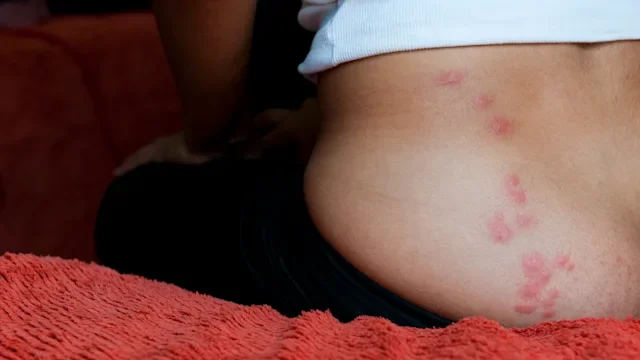
Ticks usually fall off on their own after a few days. Once they detach, you may notice a firm, red, itchy bump at the site of the bite, like any other bug bite. This isn’t a sign of a tick-borne disease. It’s just your body’s reaction to the tick’s saliva.
Symptoms of common tick-borne diseases in the U.S.
If you get a tick-borne illness, symptoms typically appear around a week later. Symptoms can vary and affect your whole body, not just the bite area.
Common symptoms include:
But there’s a wide range of symptoms, depending on the type of tick and type of infection. The timeline can also vary from person to person. Depending on the illness, some symptoms may appear within a few days, while others can take a few weeks.
Symptoms can range from mild to life-threatening, so early recognition and treatment matter.
Overview and pictures of tick-borne illnesses
Here’s an overview of the different symptoms associated with common tick-borne illnesses, starting with Lyme disease.
Keep in mind: It’s possible to have more than one tick-borne disease at the same time. These lists also don’t include every possible symptom. When in doubt, get checked by a healthcare professional.
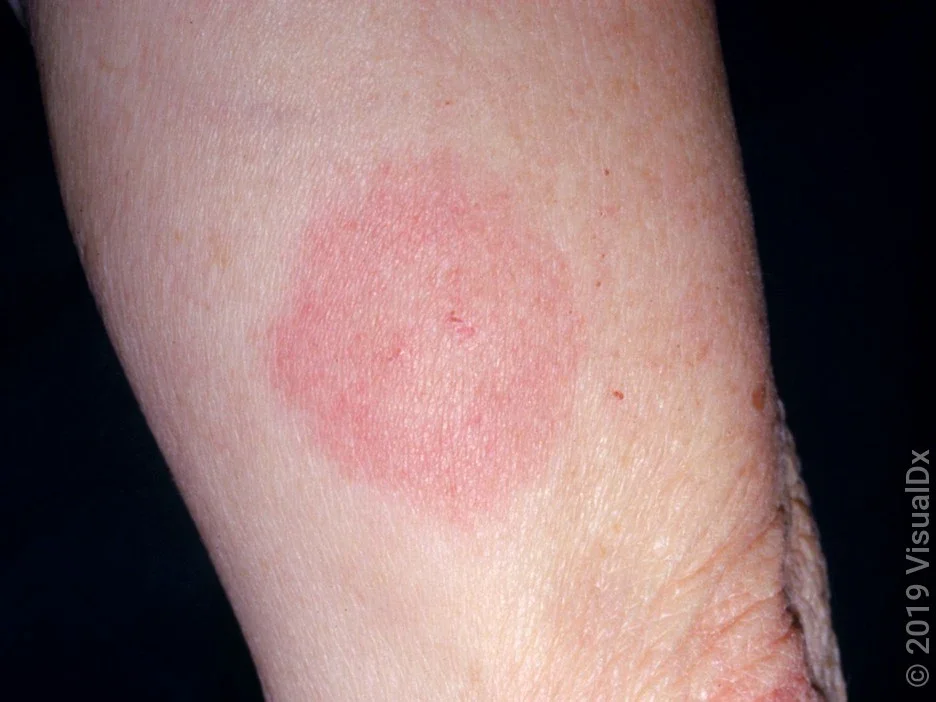
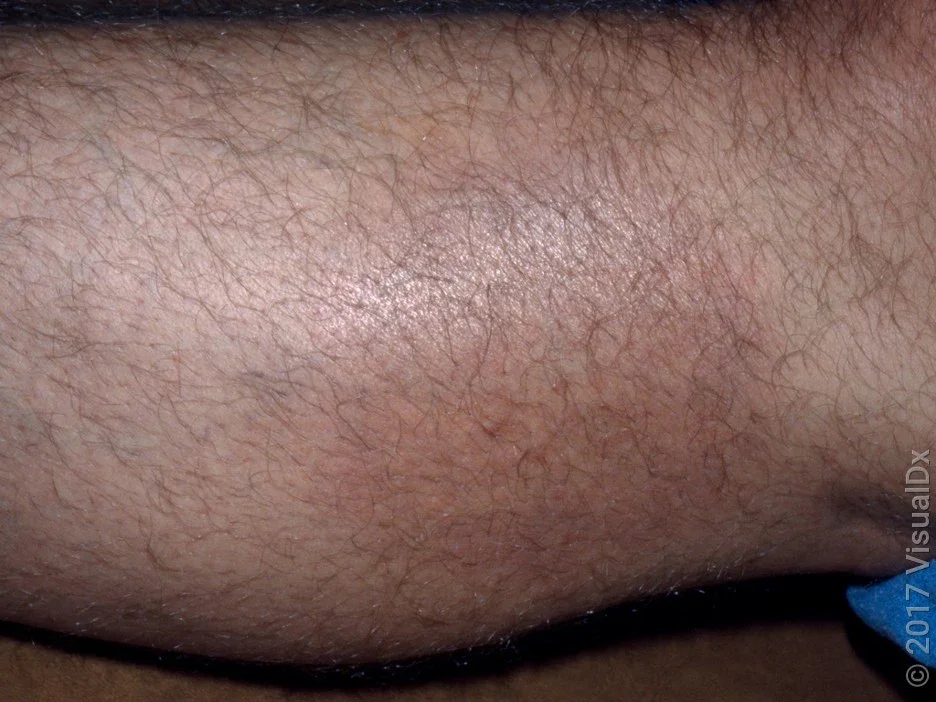
Lyme disease
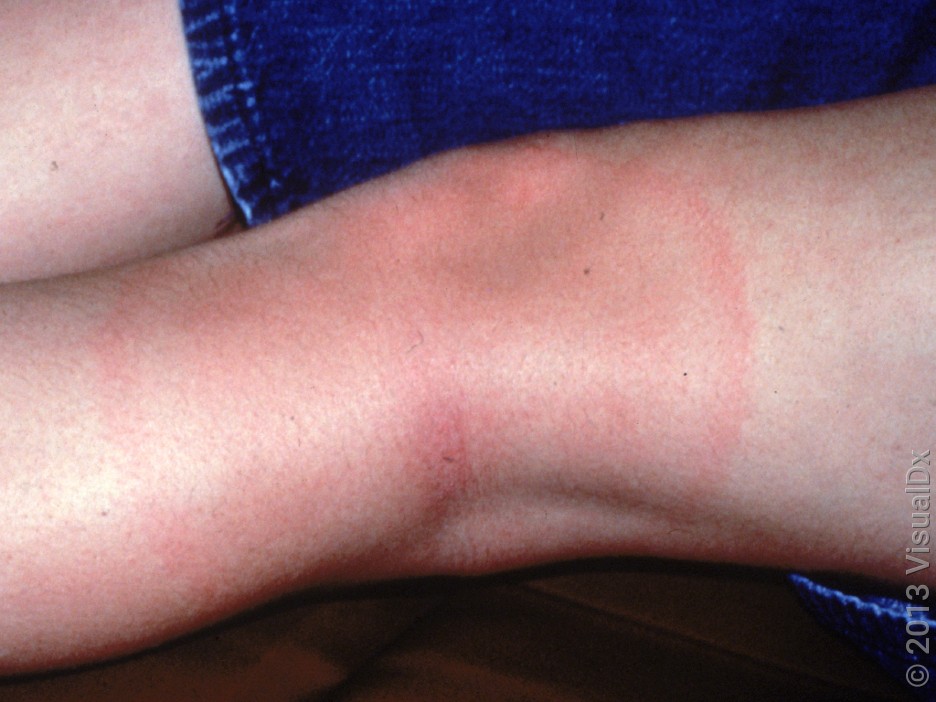
Lyme disease is the most common tick-borne illness in the U.S. and can affect your skin, joints, heart, and nervous system:
Symptoms usually start 3-30 days after a tick bite.
An oval- or ring-shaped rash is very common, but it doesn’t always happen.
Fever, headache, body aches, and joint pain are also common.
If untreated, other symptoms may develop later.
Anaplasmosis
Anaplasmosis is caused by the bacteria Anaplasma phagocytophilum. Initial symptoms can be similar to the flu:
Symptoms usually start 5-14 days after a tick bite.
Common symptoms include fever, headache, body aches, rash, nausea, vomiting, and diarrhea.
Babesiosis
Babesiosis is caused by a parasite that can infect your red blood cells:
Symptoms can start between 1-9 weeks after a tick bite.
Common symptoms include fever, fatigue, headache, body aches, joint pain, gastrointestinal symptoms, and dark urine.
Some people may also get an enlarged liver or spleen, which can feel like fullness in your upper abdomen.
Rocky Mountain spotted fever
Rocky Mountain spotted fever is often the most severe tick-borne illness:
Symptoms start 1-4 days after a tick bite.
Early symptoms include high fever, severe headache, body aches, swelling of your eyes and hands, and gastrointestinal symptoms.
Later symptoms occur after 5 days and may include confusion, coma, respiratory failure, tissue damage, and organ failure.
Ehrlichiosis
Ehrlichiosis is another tick-borne illness caused by a bacteria and causes flu-like symptoms:
Symptoms usually start 5-14 days after a tick bite.
Symptoms include fever, headache, body aches, rash, gastrointestinal symptoms, and confusion.
How do you treat a tick bite?
If you have a tick attached to your skin, the first step in tick bite treatment is to remove it as soon as possible. Don’t wait for it to fall off on its own. The faster you remove the tick, the lower your risk of developing a tick-borne disease. After removal, wash the area carefully with soap and water.
How to safely remove a tick
To safely remove a tick, use small, fine-tipped tweezers. Grab the tick as close to the skin as possible. Then:
Pull up firmly with steady, even pressure. Don’t yank or twist.
Don’t squeeze or crush the tick’s body. This can force fluids into your skin and increase your risk of infection.
Once you’ve removed the tick, dispose of it by flushing it down the toilet, or putting it in alcohol, wrapping it in tape, and placing it in a sealed container. You may also want to take a photo of the tick in case you need to identify it later.
Don’t apply nail polish, lotion, petroleum jelly, or heat to remove the tick. These methods can force infected fluid into your skin.
Self-care for tick bites and rashes (after removal)
After you’ve removed the tick, check the area for any remaining parts. You may see a small black dot. If that’s the case, don’t worry. These are probably tick mouthparts. They don’t spread disease, and your body will usually push them out on its own.
Follow these steps to reduce your risk of a secondary skin infection:
Wash the area well with soap and water.
Pat with rubbing alcohol to disinfect your skin.
Apply an antibiotic ointment, like Polysporin or Neosporin.
Watch for signs of infection, including increasing redness, warmth, swelling, or yellow oozing.
Sometimes, tick bites can be itchy and uncomfortable. While there’s no specific cream for tick bites, these home remedies and over-the-counter (OTC) medications can help ease symptoms:
Ice or a cold pack
A local anesthetic spray with benzocaine
Monitor your symptoms for 30 days
After a tick bite, keep an eye on your health over the next month. Watch for a spreading rash, fever, headache, fatigue, or joint pain — even if the tick bite looks fine. Let your healthcare team know if you develop any of these symptoms.
When should I seek medical help for a tick bite?
If a tick stays attached for less than 36 hours, the risk of tick-borne disease is very low. If you see a tick on you:
Remove it right away.
Take a picture of the tick in case you need to show your healthcare team.
Monitor for symptoms.
If the tick was attached for longer than 36 hours, if you’re not sure how long it was attached, or if you develop symptoms, it’s a good idea to seek medical care.
Depending on where you live and the type of tick, some people may need preventative antibiotics after a tick bite. A photo of the tick can help your healthcare team assess your risk and decide on next steps.
Signs of an infection
You should also get medical advice for a tick bite if you have:
Increased pain, swelling, or pus draining from the bite site
A rash
Fever
Joint pain
Headache or body aches
Nausea, vomiting, or diarrhea
In rare situations, a person may develop a severe allergic reaction to a tick bite (called anaphylaxis). Seek emergency care immediately if you develop any of the following:
Chest pain
Shortness of breath
Fast heart rate
Feeling lightheaded or fainting
Hives and itching
What can you do to prevent tick bites?
There are steps you can take to reduce your risk of getting a tick bite. Ticks can be found year-round, but bites tend to be more common in warmer months.
While outside
Avoid heavily wooded or brushy areas with lots of leaves and tall grass. If you go hiking or camping:
Wear light-colored long sleeves and pants to make ticks easier to spot.
Tuck your shirt into your pants and your pants into your shoes.
Use insect repellent that contains DEET or permethrin on your clothes.
Back inside
After being outdoors:
Check for ticks while showering.
Check kids and pets carefully, too.
Dry your clothes on high heat to help remove any ticks on the fabric.
At home
Ticks aren’t just in the woods. They can be anywhere, including your own backyard.
The best way to protect yourself and your family is to know what to look for and to routinely check for ticks after spending time outdoors.
Frequently asked questions
No, not all tick bites need antibiotics. Preventative antibiotics may be recommended in certain higher-risk situations, like if:
The tick bite occurred in an area where Lyme disease is common
The tick was identified as a deer tick
The tick was engorged
If you get a tick bite, talk to your healthcare team about whether antibiotics make sense for you.
The treatment depends on why you’re taking the doxycycline.
For prevention after a high-risk bite, you may only need a single dose. If you’re treating an active infection (like erythema migrans), you’ll usually take it for 10 to 14 days. In some cases, you may need to take it longer if complications develop.
No, not all tick bites need antibiotics. Preventative antibiotics may be recommended in certain higher-risk situations, like if:
The tick bite occurred in an area where Lyme disease is common
The tick was identified as a deer tick
The tick was engorged
If you get a tick bite, talk to your healthcare team about whether antibiotics make sense for you.
The treatment depends on why you’re taking the doxycycline.
For prevention after a high-risk bite, you may only need a single dose. If you’re treating an active infection (like erythema migrans), you’ll usually take it for 10 to 14 days. In some cases, you may need to take it longer if complications develop.
The bottom line
In some parts of the country, ticks are part of outdoor life. They can spread disease, but with a little planning and care, you can lower your risk of tick bites. Even if you do get a tick bite, the overall risk of infection is low with proper tick bite treatment.
Check yourself, your kids, and your pets routinely after spending time outdoors. Learn what ticks look like, how to remove them, and what to do if symptoms develop. If you live in a region where ticks and tick-borne illnesses are common, reach out to your healthcare team if you have concerns after a bite.

Why trust our experts?




Images used with permission from VisualDx (www.visualdx.com)
References
Cornell College of Agriculture and Life Sciences. (n.d.). Ticks.
Centers for Disease Control and Prevention. (n.d.). Lyme disease.
Centers for Disease Control and Prevention. (n.d.). Lyme disease prophylaxis after tick bite.
Centers for Disease Control and Prevention. (2024). Lyme disease rashes.
Centers for Disease Control and Prevention. (2024). About anaplasmosis.
Centers for Disease Control and Prevention. (2024). About Babesiosis.
Centers for Disease Control and Prevention. (2024). About ehrlichiosis.
Centers for Disease Control and Prevention. (2024). About Rocky Mountain spotted fever.
Centers for Disease Control and Prevention. (2024). About ticks and tickborne diseases.
Centers for Disease Control and Prevention. (2024). Preventing tick bites.
Centers for Disease Control and Prevention. (2025). What to do after a tick bite.
Centers for Disease Control and Prevention. (2025). Where ticks live.
Hofhuis, A., et al. (2017). Predicting the risk of Lyme borreliosis after a tick bite, using a structural equation model. PLoS One.
Mass.gov. (n.d.). Lyme disease. Commonwealth of Massachusetts.
Schmitt, B. (n.d.). Tick bite. HealthyChildren.org.
Tick Research Lab of Pennsylvania. (n.d.). Deer tick.
Williams, A. L. (2021). Lyme disease: Updated recommendations from the IDSA, AAN, and ACR. American Family Physician.