Key takeaways:
Warts are common skin growths caused by a virus. They usually appear as rough skin bumps and are pretty easy to identify.
There are a few different types of warts, including common warts, plantar warts, and flat warts. Warts can look different depending on where they are on your body.
Most warts will go away on their own over time. But many people prefer to treat them to get rid of them faster.
Warts are common skin growths that can pop up anywhere on your skin. They usually affect children, but people of all ages can get them. Warts are harmless, and most don’t cause many symptoms.
But warts can look different depending on where they are on your body. And they can sometimes be hard to identify. Here are pictures to help you identify warts, so you can start treating them.
What are warts?
Warts are skin growths caused by the human papillomavirus (HPV). When the virus infects your skin, it causes the top layer of skin cells to grow faster than the surrounding skin. This creates a bump.
Search and compare options
Warts are contagious and can spread from person to person through direct skin contact. You can also get a wart after touching a surface that came in contact with a wart, like a towel or the floor. Some people are more likely to get warts than others, including:
Children and teenagers
People with a weakened immune system
Those with a cut or other skin damage
People who bite their nails or pick at their hangnails
Types of warts
There are a few different types of warts. Here are some of the most common types:
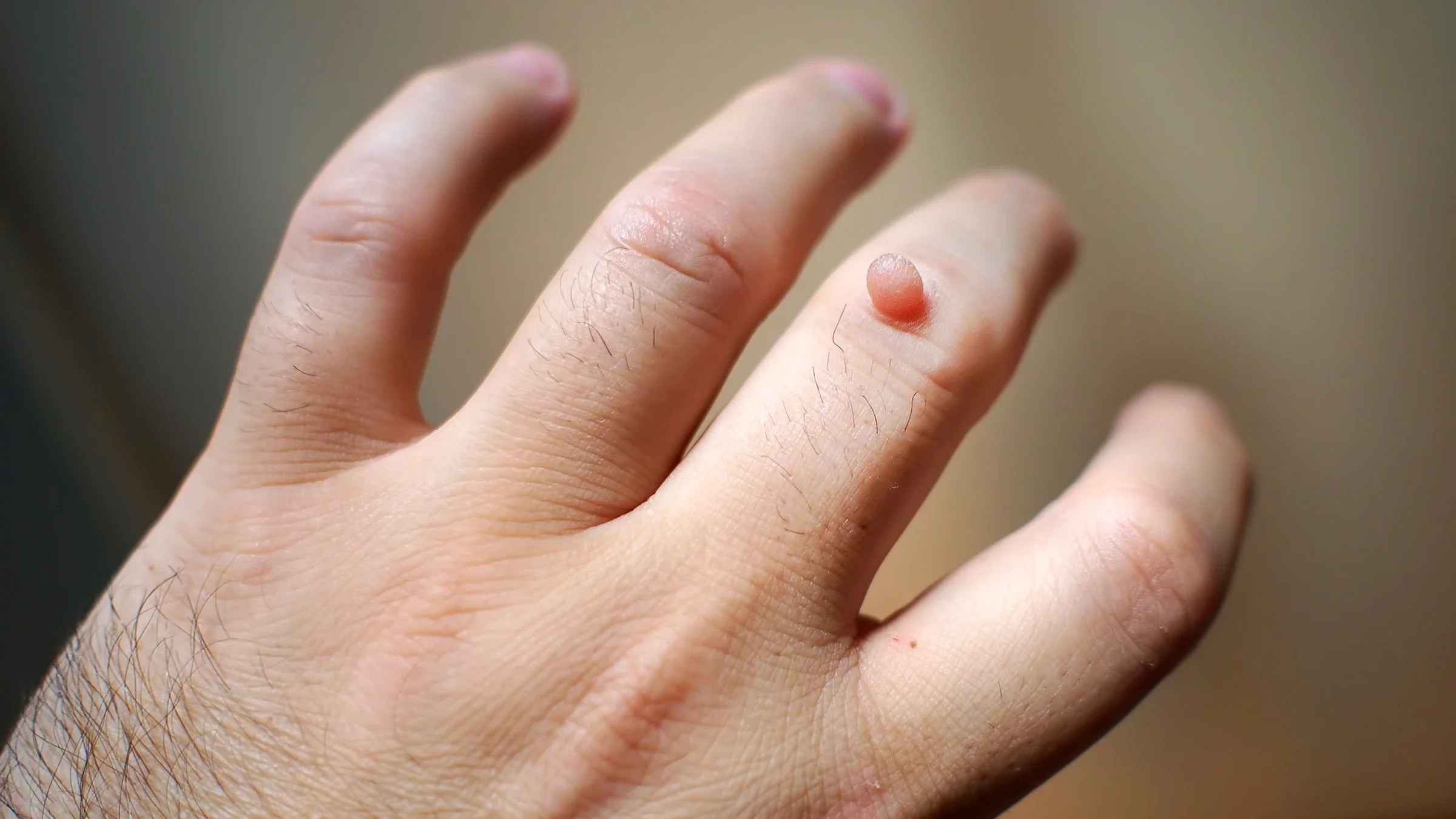
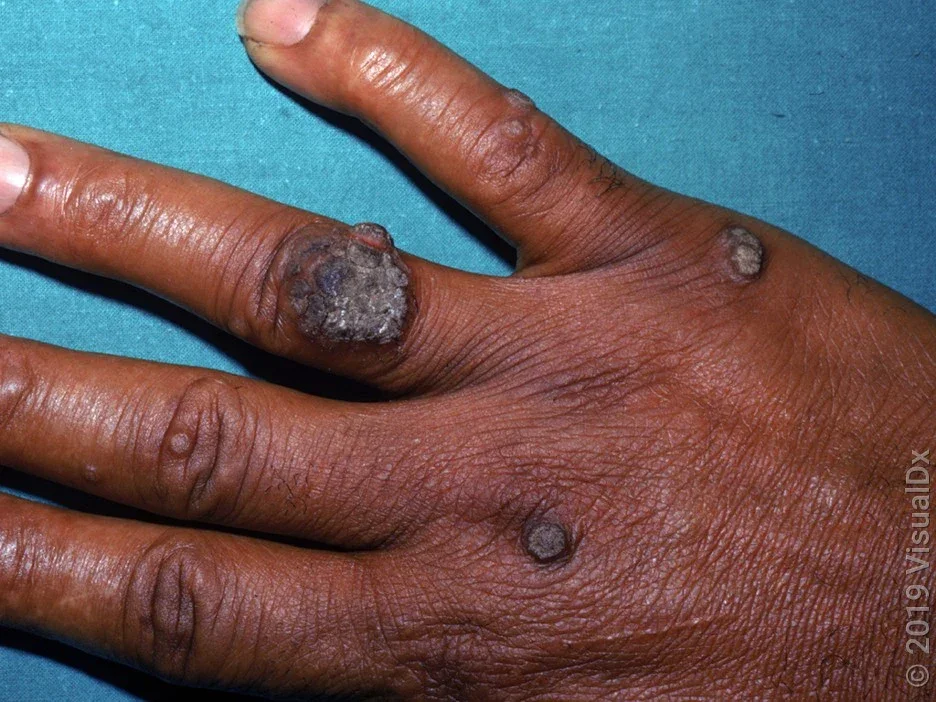
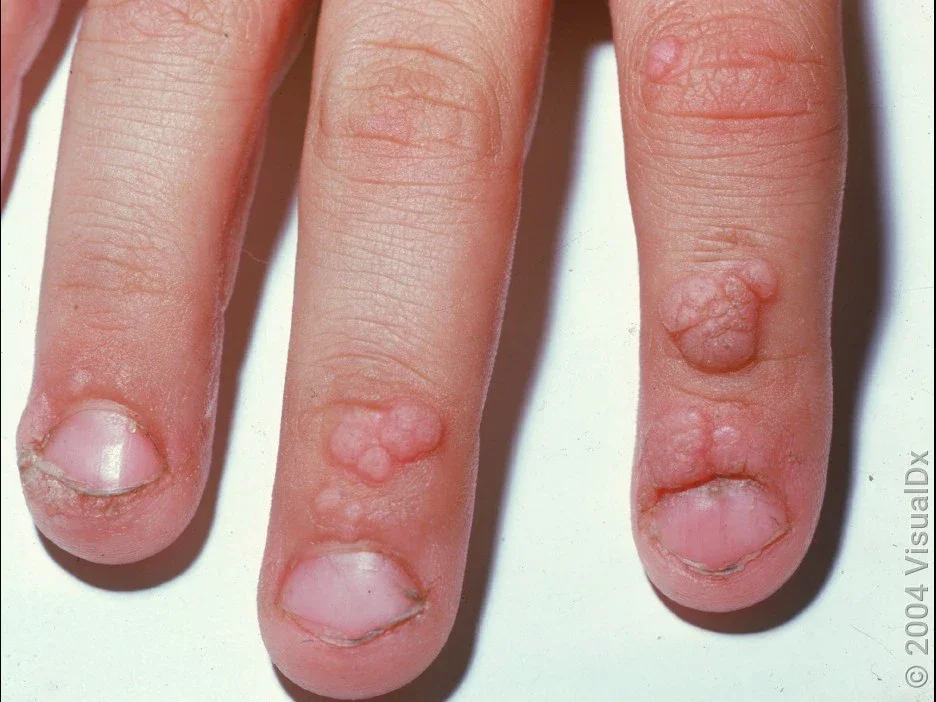
Common warts (verruca vulgaris) are raised and rough. They usually grow on the fingers and hands. You can have just one or develop several at the same time. They can also have tiny black or red dots, which are small blood vessels inside the wart.
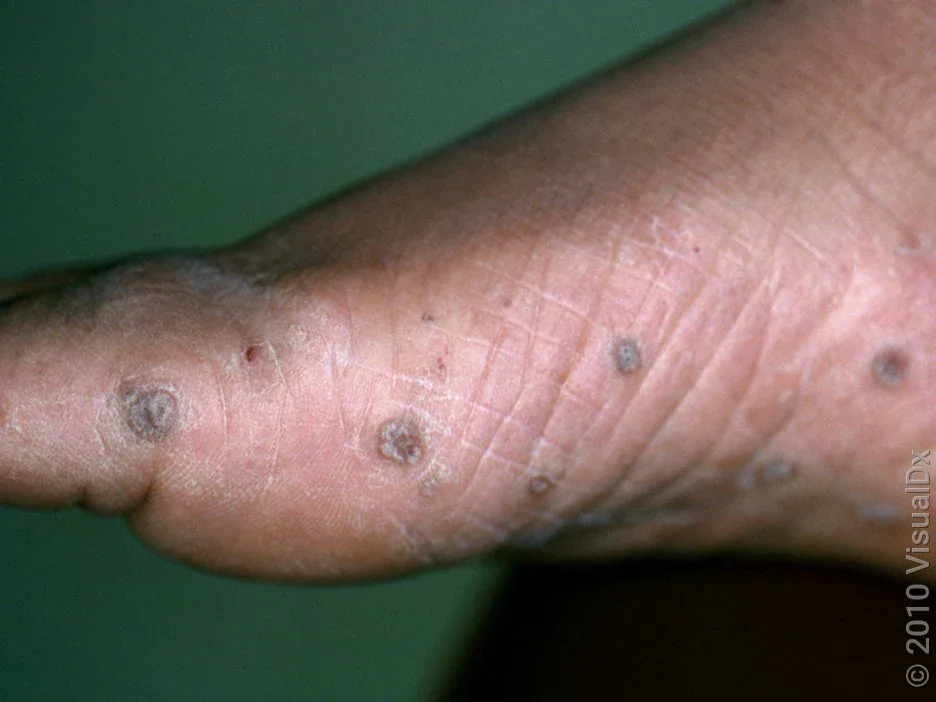
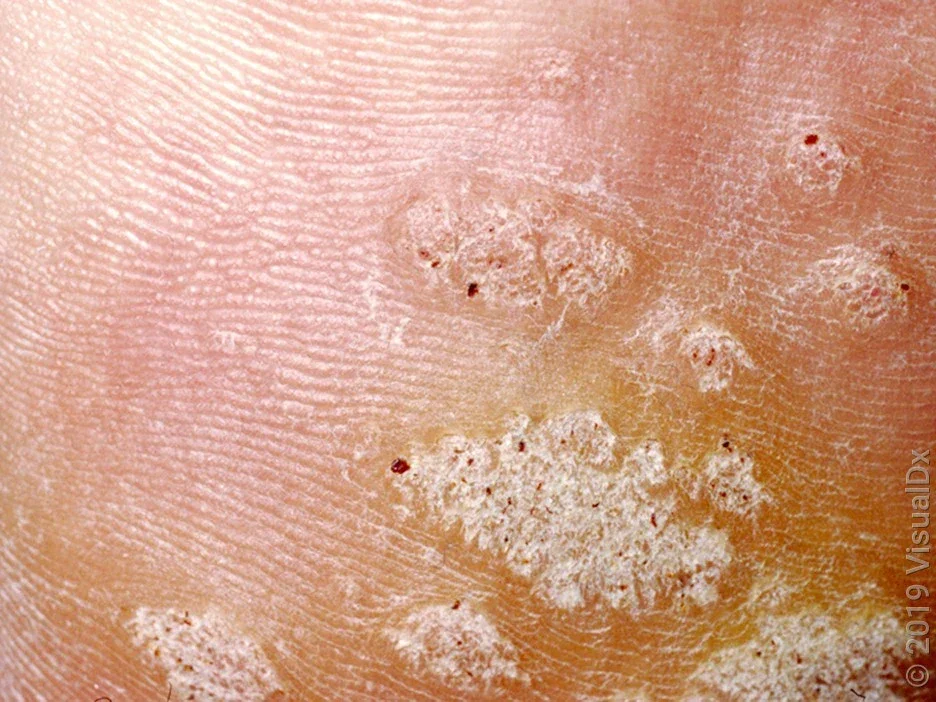
Foot warts (plantar warts) are flat and rough. They usually grow on the soles of your feet. Depending on where they are on your foot and how big they are, they can make walking painful. They tend to grow in clusters. Like common warts, they can have tiny black or red dots where the blood vessels are. Plantar warts can sometimes be mistaken for corns.
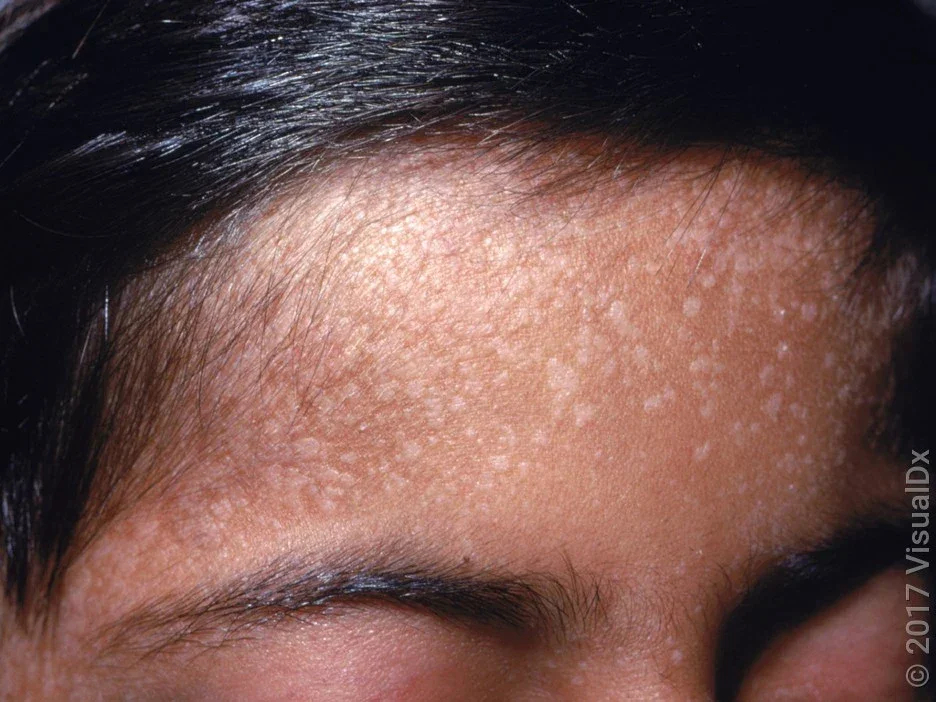
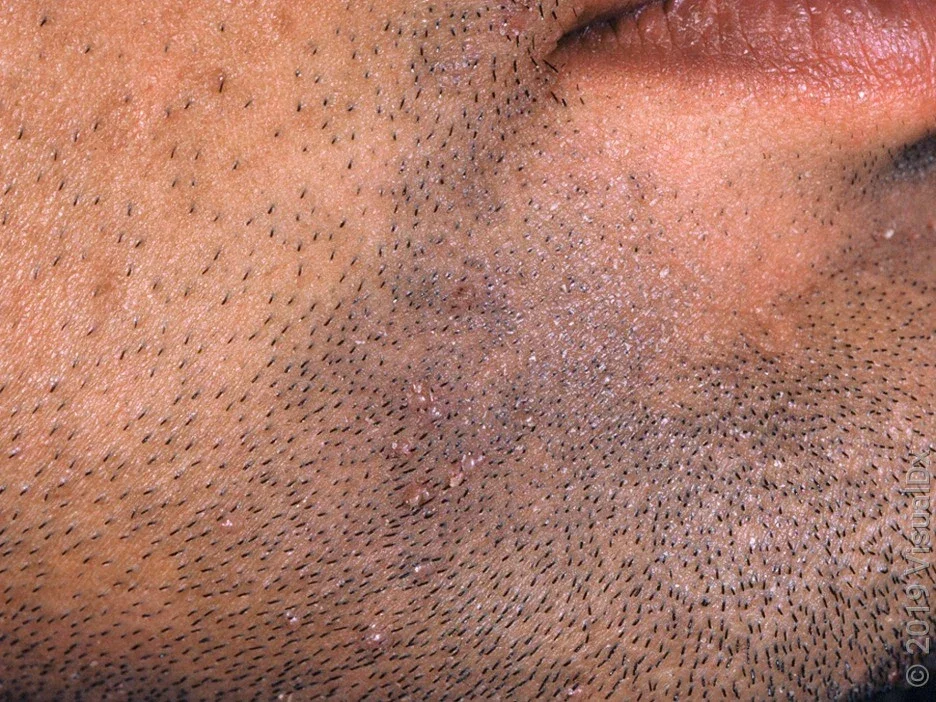
Flat warts are flat and smooth. They’re also smaller than other warts. They’re common on the face (especially in the beard area) and on the legs after shaving. They tend to appear by the dozen.
Filiform warts are long, skinny growths. They can look like common warts but with finger-like growths that grow out from your skin.
No matter what type of wart you have, its color can vary depending on your underlying skin tone. Warts can be any color, including white, pink, tan, and brown.
Pictures of warts
Here are some pictures of warts to help you identify the type of wart you may have.
Common warts pictures (verruca vulgaris)
Plantar wart pictures
Flat wart pictures
How do you treat warts?
There are many different ways to treat warts. Home remedies, like garlic and apple cider vinegar, may work for some people, but they aren’t backed by a lot of research.
For over-the-counter (OTC) options, look for medications that contain salicylic acid. These are available in gel, liquid, and patch forms. These medications are usually applied daily for best results.
For warts that are harder to get rid of, your dermatologist may use one or more of these stronger treatments:
Cantharidin liquid, which causes a blister to form under the wart
Freezing (cryotherapy) or scraping the wart
Removing it with a minor surgery
Laser treatment
Immunotherapy, which uses a cream to cause a mild allergic reaction around the wart

Read more like this
Explore these related articles, suggested for readers like you.


Can warts go away on their own?
Yes, warts can eventually go away on their own without treatment. For some people, this can take up to 2 years. Treating warts can help them go away faster, although you may still have to be patient.
Frequently asked questions
If your wart is causing significant symptoms, it may be time to get professional help. You should see a dermatologist or other medical care professional if your wart is:
Painful
Burning
Getting bigger
Not responding to treatment
Looks infected (has redness, discharge, or crusting)
Genital warts are a very common type of wart that spreads through skin-to-skin sexual contact. You can treat genital warts with prescription creams, like imiquimod or podofilox, that you apply yourself at home.
It’s also possible to have genital warts removed by a healthcare professional in their office by:
Freezing them
Burning them
Using a laser
Performing minor surgery
While treatment may remove the warts, it won’t get rid of the virus that causes them. That’s because there isn’t yet a cure for HPV infection. So genital warts can (and often do) come back after treatment.
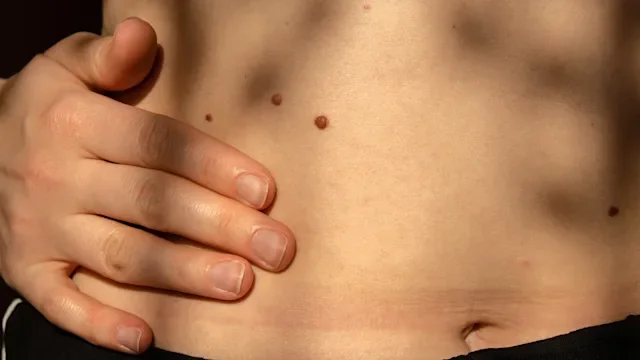
Warts are usually pretty easy to identify, but they can sometimes look similar to other skin growths, including moles or skin tags. Some types of skin cancer, including squamous cell carcinoma, can also look like warts. If you have a skin growth and you’re not sure what it is, it’s best to have it checked out by your dermatologist to get the right diagnosis.
Yes, warts can feel itchy. But not all warts will itch. In fact, most don’t have any symptoms at all.
If your wart is causing significant symptoms, it may be time to get professional help. You should see a dermatologist or other medical care professional if your wart is:
Painful
Burning
Getting bigger
Not responding to treatment
Looks infected (has redness, discharge, or crusting)
Genital warts are a very common type of wart that spreads through skin-to-skin sexual contact. You can treat genital warts with prescription creams, like imiquimod or podofilox, that you apply yourself at home.
It’s also possible to have genital warts removed by a healthcare professional in their office by:
Freezing them
Burning them
Using a laser
Performing minor surgery
While treatment may remove the warts, it won’t get rid of the virus that causes them. That’s because there isn’t yet a cure for HPV infection. So genital warts can (and often do) come back after treatment.
Warts are usually pretty easy to identify, but they can sometimes look similar to other skin growths, including moles or skin tags. Some types of skin cancer, including squamous cell carcinoma, can also look like warts. If you have a skin growth and you’re not sure what it is, it’s best to have it checked out by your dermatologist to get the right diagnosis.
Yes, warts can feel itchy. But not all warts will itch. In fact, most don’t have any symptoms at all.
The bottom line
Warts are common skin growths that are usually harmless. They’re most common in children and teenagers, but they can affect anyone at any age. There are a few different types of warts. Common warts affect your hands, plantar warts affect your feet, and flat warts affect the face or legs. Most warts go away on their own, but you may have to be patient. The best treatment for warts is salicylic acid, and this can help get rid of warts faster.

Why trust our experts?



Images used with permission from VisualDx (www.visualdx.com).
References
Ludmann, P., et al. (2025). Warts: Causes. American Academy of Dermatology Association.
Ludmann, P., et al. (2025). Warts: Diagnosis and treatment. American Academy of Dermatology Association.
Ludmann, P., et al. (2025). Warts: Signs and symptoms. American Academy of Dermatology Association.
Nguyen, J. K., et al. (2022). Cryotherapy. DermNet.