Key takeaways:
Caregiver burnout is a state of physical, mental, and emotional exhaustion that can happen when you’re taking care of someone.
If you’re a caregiver, it’s important to focus on self-care to help prevent burnout. This requires an intention to prioritize your own emotional and physical needs.
Caregiver support groups can help you financially and emotionally. You can find caregiver support groups through religious organizations, medical professionals, and online sources.
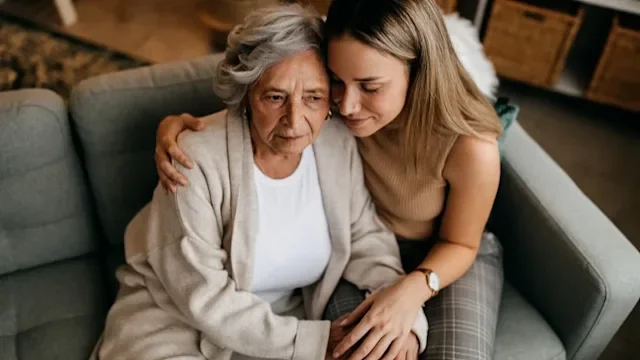
Caregiving can be a profound way to show love and compassion for another person. But caregiving has some downsides. It can feel like a job that never ends. If you’re caring for a loved one with declining health, you might feel added sadness and grief.
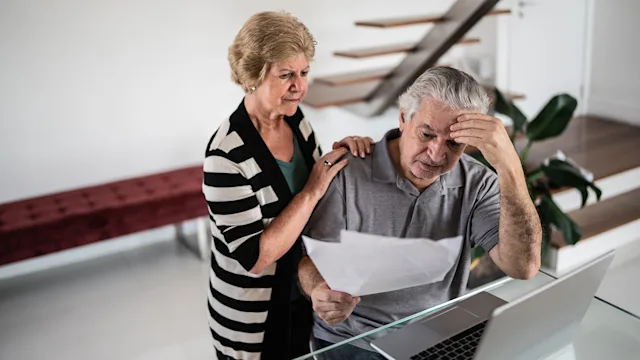
Caregiving can be an intense, demanding role, so it’s not a surprise that it can increase your risk for depression. The stress of caring for another person might end up leading to “caregiver burnout.” So it’s especially important for caregivers to practice another important type of caregiving — self-care.
What is caregiver burnout?
Burnout is a state of physical, mental, and emotional exhaustion. You can experience burnout at work, school, or in the home. Regardless of the setting, there are three common features of burnout:
Emotional exhaustion: People often describe emotional exhaustion in terms of feeling “drained” or “dried out.” You might feel more numb or less emotional. Other times you may feel more irritable and “touchy.”
Detachment: Detachment is a general sense of feeling less connected to others. You might feel less sympathetic for the one in your care. Some people describe detachment as feeling less human or “like a robot.”
Feeling of low personal accomplishment: People with burnout may feel like their role is no longer meaningful. You might feel a sense of failure in your role, like you’re never doing enough.
How do you know if you have caregiver burnout?
It’s natural to feel tired or stressed when you’re a caregiver. It’s a demanding role. But when someone gets to the point of burnout, it’s more than stress. Symptoms of caregiver burnout can include:
Feeling more tired than your normal, even after rest
Anger
Irritability, or having a “short fuse” compared with your usual threshold
Emotional numbness
Feelings of guilt
How can you practice self-care as a caregiver?
If you’re a caregiver, you may feel that there’s not a minute to devote to yourself. But when caregivers make a point to attend to their own needs, it can also help them to have the energy to care for another. There are a few things that seem to help many caregivers renew their emotional and physical energy.
Set time for you
Taking time away to recharge your batteries can help prevent and treat burnout. Think about what brings you joy. For example, art, reading, meditation, and sports are some common preferences.
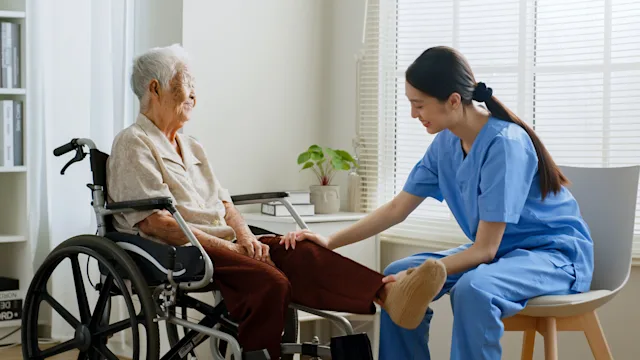
Ask others to take over so you can take a break. Friends and family can do this for you. Or you can hire a professional caregiver to provide respite care. Respite care gives you short-term relief from your caregiving job so you can focus on your own needs.
Exercise
Staying physically fit can help you as a caregiver in a number of ways. Exercise helps to maintain and improve strength and stamina. This is especially important for caregivers that need to give physical help to the person in their care. Exercise can also help you improve energy reserves and relieve stress. It can help boost your mood and protect against depression.

Read more like this
Explore these related articles, suggested for readers like you.
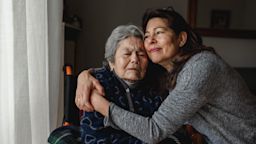


Connect with others
Many caregivers find it hard to make time for socializing. This can lead to feeling disconnected from friends and other family members. But strong social ties can help lower feelings of burnout.
Seek opportunities to connect with others. Consider talking with someone who’s also a caregiver. Support groups are a great place to find people who truly understand what you’re going through.
Make your health a priority
It can be difficult for busy caregivers to make time to prioritize health. Research shows that 1 in 4 caregivers report difficulty in taking care of their own health. For some, caretaking takes an even bigger toll. A similar number — 1 in 4 caregivers — feel that caregiving has made their health worse. This puts both the caregiver and those they care for at risk.
Like everyone, caregivers need to eat meals regularly and get enough sleep. Make time to go for an annual preventive visit and follow up as recommended with your medical professional. Talk with your medical professional if you’re feeling stressed, depressed, or in need of extra help.
Know your limits
It’s important to be in tune with your body and emotions as a caregiver. People may have different limits in what they feel they can handle. If you’re a caregiver, avoid comparing yourself with others. If you’re feeling stretched beyond what you can handle, get help. Remember that when it comes to caregiving, the only thing that no one else can provide but you, is you.
How can you get help as a caregiver?
Caregivers may need different types of help. The good news is that there are many resources designed to support caregivers and those who need care.
Financial help
You may need to take time away from work to focus on caregiving. The Family Medical and Leave Act (FMLA) allows eligible employees to take up to 12 unpaid weeks off of work to care for a family member. Some unpaid caregivers can also apply to be a paid caregiver through their state’s Medicaid program. State Medicaid programs can also provide funding to hire extra help in the home for those who qualify. Social workers often help caregivers with applying for these types of programs.
In-home support
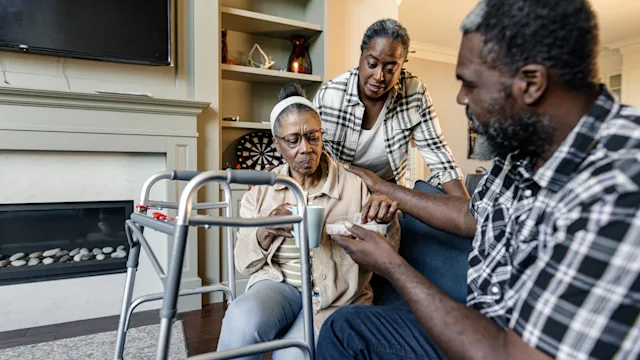
If you’re caring for someone in the home, there are several ways to get extra help at home. You can hire a professional caregiver, either through an agency or on your own. This can be an expensive option, but if you need help for only a few hours a week, it can be more affordable. You also may qualify for in-home support through your state’s Area Agency on Aging. A medical professional can evaluate if these types of medical services are needed and help with getting them started.
Exploring options outside the home
Sometimes it’s necessary to consider getting care outside the home. There are many options for care outside the home, including skilled nursing facilities, residential care facilities, or an assisted living community.
In many areas, a person that needs care can attend day care programs when their caregiver needs to be elsewhere. For older adults, geriatric care managers can help with looking at options for long-term care.
Where can I find caregiver support groups?
There are plenty of support-group options available for caregivers. Finding them isn’t hard, but making the initial connection can be difficult for caregivers to fit into their busy day. Here are some of the quickest ways to connect with support groups:
Disease-specific societies: There are organizations to support those living with or caring for someone with specific conditions — like Alzheimer’s, Parkinson’s disease, or cerebral palsy. These organizations may have educational materials online, and information for local meetups.
Medical professionals: You can reach out to your healthcare professional for help finding the right support options. Many medical offices and hospitals have support resources to share with patients and caregivers. Social workers can also help you connect with local support. You may be able to get a referral to a social worker through your healthcare professional.
Religious organizations: Religious organizations are also often in the know on the local resources for their members. Churches may have their own unique support groups and community outreach programs.
Community centers: Senior centers and other community-funded centers are another place to find support groups and other types of help. They often have printed materials to share about events going on in the center and elsewhere.
Online caregiver groups: There are some excellent organizations with websites designed solely to support caregivers. Some examples include the Caregiver Action Network, the National Alliance for Caregiving, and the Well Spouse Association.
The bottom line
Being the best caregiver means being a good caregiver for yourself, too. That can be hard to do when the work of caregiving gets demanding. Remember that you’re human and deserving of kindness, even from yourself.
With so many options to find help, it might feel overwhelming to start looking. It’s best to start somewhere rather than nowhere if you’re needing extra help. If you feel like caregiving is getting harder, the right time to get extra help is before you reach the point of burnout. If you feel you might already be at the point of burnout, and in need of immediate help, talk with a friend or your medical professional right away.

Why trust our experts?




References
Administration for Community Living. (2020). What is long-term care insurance?
Aging Life Care Association. (n.d.). What you need to know.
Family Caregiver Alliance. (2020). Hiring in-home help.
Gérain, P., et al. (2019). Informal caregiver burnout? Development of a theoretical framework to understand the impact of caregiving. Frontiers in Psychology.
Huang S. S. (2022). Depression among caregivers of patients with dementia: Associative factors and management approaches. World Journal of Psychiatry,
Kiger, P. (2022). Adult day care: What family caregivers need to know. AARP.
National Alliance for Caregiving. (2020). Caregiving in the U.S. 2020 report.
National Institute on Aging. (2023). What is respite care?
Ruisoto, P., et al. (2021) Social support mediates the effect of burnout on health in health care professionals. Frontiers in Psychology.
Saeed, S. A., et al. (2020). Depression and anxiety disorders: Benefits of exercise, yoga, and meditation. American Academy of Family Physicians.
U.S. Department of Labor. (2020). Family and Medical Leave Act (FMLA).
USA.gov. (2023). Get paid as a caregiver for a family member.