




Medications That Cause Dehydration: 9 Drugs That May Leave You Feeling Thirsty
Dehydration is a side effect of many medicines, and it can be serious. Medications that cause dehydration include diuretics, laxatives, and chemotherapy drugs.
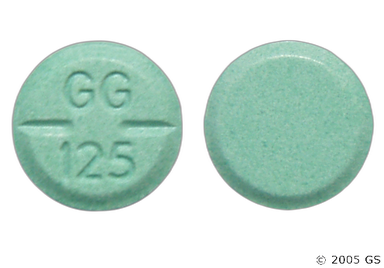
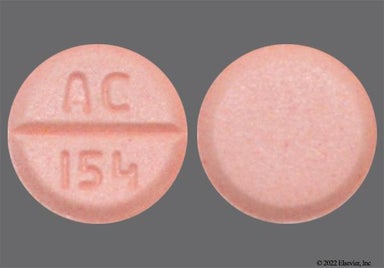
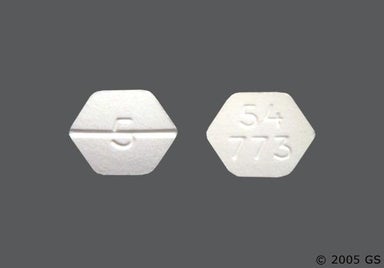
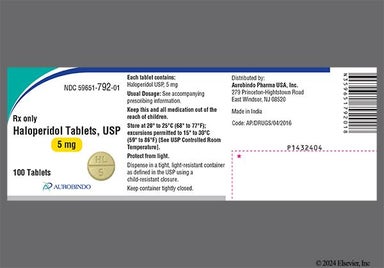
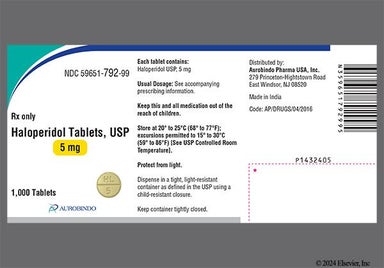
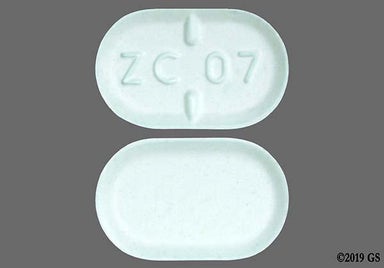
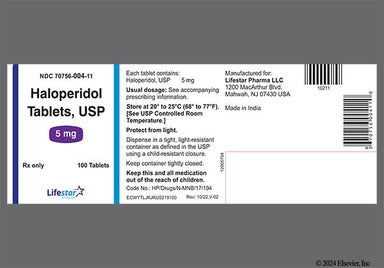
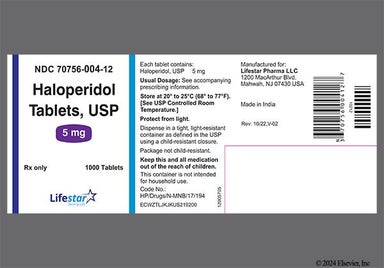
Haloperidol is a typical antipsychotic used to treat several behavioral and psychiatric conditions in adults and children. This medication is taken by mouth, typically 2 to 3 times per day. Side effects of haloperidol include sleepiness, dizziness, and dry mouth.

Haloperidol is a typical antipsychotic. It works by blocking the activity of dopamine, a chemical involved with mood and movement, in your brain. This leads to lower dopamine levels, which causes less hallucinations (seeing things that aren't there) and delusions (beliefs in things that aren't true).
| Common Brands | Haldol |
|---|---|
| Drug Class | First generation (typical) antipsychotic |
| Controlled Substance Classification | Not a controlled medication |
| Generic Status | Lower-cost generic available |
| Availability | Prescription only |

The following side effects may get better over time as your body gets used to the medication. Let your healthcare provider know immediately if you continue to experience these symptoms or if they worsen over time.
Contact your healthcare provider immediately if you experience any of the following.
Along with its needed effects, a medicine may cause some unwanted effects. Although not all of these side effects may occur, if they do occur they may need medical attention.
Check with your doctor immediately if any of the following side effects occur:
More common
Difficulty with speaking or swallowing
inability to move the eyes
loss of balance control
mask-like face
muscle spasms, especially of the neck and back
restlessness or need to keep moving (severe)
shuffling walk
stiffness of the arms and legs
trembling and shaking of the fingers and hands
twisting movements of the body
weakness of the arms and legs
Less common
Decreased thirst
difficulty in urination
dizziness, lightheadedness, or fainting
hallucinations (seeing or hearing things that are not there)
lip smacking or puckering
puffing of the cheeks
rapid or worm-like movements of the tongue
skin rash
uncontrolled chewing movements
uncontrolled movements of the arms and legs
Rare
Confusion
convulsions (seizures)
difficult or fast breathing
fast heartbeat or irregular pulse
fever (high)
hot, dry skin, or lack of sweating
increased blinking or spasms of the eyelid
increased sweating
loss of bladder control
muscle stiffness (severe)
muscle weakness
sore throat and fever
uncontrolled twisting movements of the neck, trunk, arms, or legs
unusual bleeding or bruising
unusual facial expressions or body positions
unusual tiredness or weakness
unusually pale skin
yellow eyes or skin
Incidence not known
Continuing nausea or vomiting
increase in the frequency of seizures
loss of appetite
swelling of the face
tiredness and weakness
Get emergency help immediately if any of the following symptoms of overdose occur:
Symptoms of overdose
Difficulty with breathing (severe)
dizziness (severe)
drowsiness (severe)
muscle trembling, jerking, stiffness, or uncontrolled movements (severe)
unusual tiredness or weakness (severe)
Some side effects may occur that usually do not need medical attention. These side effects may go away during treatment as your body adjusts to the medicine. Also, your health care professional may be able to tell you about ways to prevent or reduce some of these side effects. Check with your health care professional if any of the following side effects continue or are bothersome or if you have any questions about them:
More common
Blurred vision
changes in menstrual period
dryness of the mouth
swelling or pain in the breasts (in females)
unusual secretion of milk
Other side effects not listed may also occur in some patients. If you notice any other effects, check with your healthcare professional.
Call your doctor for medical advice about side effects. You may report side effects to the FDA at 1-800-FDA-1088.




Haloperidol can cause some serious health issues. This risk may be even higher for certain groups. If this worries you, talk to your doctor or pharmacist about other options.
 People 65 years and older with dementia sometimes have delusions and hallucinations (believing, seeing, or hearing things that aren't real). This is called dementia-related psychosis. Older people with dementia-related psychosis have a higher risk of death if they take medications like haloperidol. Because of this risk, haloperidol shouldn't be used in people 65 years and older with dementia-related psychosis. Let your provider know if you or someone you know has dementia before starting haloperidol.
 In addition, older patients with dementia-related psychosis treated with some antipsychotics had a higher risk of stroke. Seek medical help immediately if you experience sudden numbness in your face, arms, or legs (especially on one side of your body), or if you have sudden trouble speaking, seeing, walking, or understanding people.
Although rare, haloperidol can affect your heart rhythm by prolonging the time period from when the heart pumps and then relaxes. This is known as QT prolongation and it can be life-threatening. Your risk for QT prolongation is higher if you have any of the risk factors listed above. Depending on your risks for QT prolongation, your provider might check your heart rhythm from time to time with an electrocardiogram (EKG). People who were born with QT prolongation or have a history of arrhythmias should avoid taking haloperidol. If you feel your chest pounding, have trouble breathing, chest pain, or feel lightheaded while taking haloperidol, call 911 right away.
Antipsychotic medications like haloperidol can cause uncontrolled body movements, such as eye-twitching or lip-smacking. Your risk of this happening is more likely the longer you take medications like haloperidol and if you're taking a higher dose. If you have Parkinson's disease or certain types of dementia, your risk is higher and you shouldn't take haloperidol. These movement problems can become permanent. If you experience any uncontrolled movements and aren't able to stop them, talk to your provider right away.
Taking antipsychotic medications like haloperidol can cause a rare, but life-threatening condition called neuroleptic malignant syndrome (NMS). Symptoms include fever, sweating, stiff muscles, confusion, not aware of your surroundings, and fast or irregular heartbeat. If you experience any of these symptoms while taking haloperidol, seek medication attention as soon as possible. You provider will likely have you stop taking haloperidol and switch you to something else.
Haloperidol can make you tired, lower your blood pressure, or cause you to lose your balance, which can lead to falls and injuries. When standing from a sitting or lying position, make sure to get up slowly and hold onto something. If you have concerns, speak to your provider.
Some cases of bronchopneumonia, a type of infection in your lungs where your lungs get inflamed, have been reported after using antipsychotics like haloperidol. Your risk is higher if you're older in age, smoke, or have breathing problems. Seek medical attention immediately if you experience a fever, cough, or trouble breathing.
Though not common, haloperidol can lower your white blood cell counts, especially if they've been low previously from other conditions. This can raise your risk of serious infection. You'll need to get blood tests done regularly during the first few months of taking haloperidol so your provider can make sure your blood cell counts are in the normal range. If your blood counts drop too low, you'll likely need to stop taking haloperidol. If you develop any signs of infection, such as fever, tiredness, chills, cough, or trouble breathing, and they don't go away, contact your provider right away.
Haloperidol should only be used in pregnancy if the benefits outweigh the potential risks to your unborn baby. Newborn babies exposed to haloperidol during the third trimester of pregnancy are at a higher risk for side effects and withdrawal symptoms following delivery. Let your healthcare provider know if you're pregnant or plan to become pregnant while taking haloperidol.

 Bottle of oral concentrate
| Dosage | Quantity | Price as low as | Price per unit |
|---|---|---|---|
| 15ml of 2mg/ml | 1 bottle | $10.73 | $10.73 |
Haloperidol is available as tablets and a liquid. The dosing is the same for both the tablets and liquid.
Adults:
Children ages 3 to 12 years old (weight range of 15 kg to 40 kg):
Your provider will adjust the dose based on your or your child's response to the medication and if you're having side effects.

Although certain medicines should not be used together at all, in other cases two different medicines may be used together even if an interaction might occur. In these cases, your doctor may want to change the dose, or other precautions may be necessary. When you are taking this medicine, it is especially important that your healthcare professional know if you are taking any of the medicines listed below. The following interactions have been selected on the basis of their potential significance and are not necessarily all-inclusive.
Using this medicine with any of the following medicines is not recommended. Your doctor may decide not to treat you with this medication or change some of the other medicines you take.
Using this medicine with any of the following medicines is usually not recommended, but may be required in some cases. If both medicines are prescribed together, your doctor may change the dose or how often you use one or both of the medicines.
Using this medicine with any of the following medicines may cause an increased risk of certain side effects, but using both drugs may be the best treatment for you. If both medicines are prescribed together, your doctor may change the dose or how often you use one or both of the medicines.


Contraindications are specific health conditions or situations in which a person should not take a medication due to safety concerns. If you have any of the following conditions or if any of the following apply to you, let your healthcare provider know because Haloperidol will not be safe for you to take.











Prescription savings
Stop paying too much for your prescriptions. Compare prices, get pharmacy coupons, and save up to 80%. Find expert answers to your health questions so you can make the best decisions for yourself and your family.
Health conditions
Medications & treatment
Access & affordability
 Our monthly healthcare membership can help you save thousands on your prescription costs.
Resources

No, Haloperidol isn't a controlled substance because it doesn't have a risk of addiction, misuse, or dependence. Haloperidol is a typical antipsychotic medication.
No, Haloperidol isn't a narcotic. Narcotics typically refer to opioid medications. Haloperidol isn't an opioid pain medication; it's a typical antipsychotic medication.
How long it takes for Haloperidol to work depends on what condition you're taking it to treat and the dose your provider prescribes. A study showed that Haloperidol can start to work in about a week to treat bipolar mania, which is faster than some atypical antipsychotic medications. Another study showed that Haloperidol started to work in about 2 weeks for schizophrenia. A third study suggests that Haloperidol can work start to work in an 1 hour to treat more immediate agitation and aggression. Talk with your provider if you're not sure when you can expect Haloperidol to work.
How long Haloperidol stays in the body can differ depending on your dose and how long you've been taking it. Some studies suggest that if you've been taking Haloperidol regularly, traces of this medication can be found 2 weeks (sometimes longer) after you've stopped taking it. Keep in mind that this doesn't mean you'll continue to feel the effects of oral Haloperidol for 2 weeks after you've stopped the medication. Typically, you'll need to take Haloperidol 2 to 3 times a day in order for it to work well to treat your condition. Talk with your provider if you're not sure how long Haloperidol lasts.
Yes, sleepiness and drowsiness are common side effects of Haloperidol. For your safety, make sure to avoid driving or doing anything that requires concentration until you realize how this medication affects you. Also, avoid drinking alcohol because it can make sleepiness worse.
Yes, some people have reported gain weight after taking Haloperidol. But this side effect might be less common with Haloperidol compared to some other antipsychotics. A study showed that of the people who did gain weight while taking Haloperidol gained an average of 21 pounds after a year of treatment. To lower your risk for weight gain while taking Haloperidol, make sure to have a healthy diet and regular exercise routine. Contact your provider if you've noticed significant changes in your weight since starting Haloperidol.
If you're pregnant or breastfeeding, talk to your provider to discuss the risks and benefits of taking Haloperidol or other antipsychotic medications. Haloperidol hasn't been well-studied in pregnancy, but reports suggest that Haloperidol can cause birth defects if taken by mothers during pregnancy. In addition, Haloperidol isn't recommended during nursing because it can pass from mother to child through breast milk.
