



Narcan, Flumazenil, Protamine, and More: 9 Common Medication Reversal Agents
Reversal agents are drugs that counteract the effects of other medications. Learn more with this list of reversal agents and when to use them.
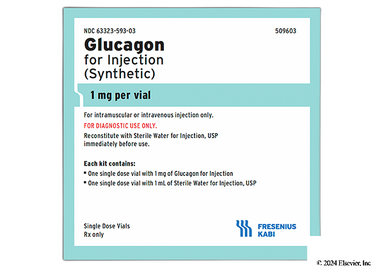
Glucagon (Glucagen) is an injectable medication that's used in an emergency to raise blood sugar in people with diabetes who are experiencing dangerously low blood sugar (hypoglycemia). You typically inject it either under the skin or into the muscle. Make sure you and your loved ones know how to give the medication correctly so everyone's prepared in case of an emergency.

Diabetes: Glucagon (Glucagen) contains glucagon, which is a natural hormone your body releases to raise blood sugar. When your blood sugar is too low, glucagon tells your body to release sugar stored in your liver into your bloodstream. When this happens, your blood sugar level goes up.
Imaging procedures (e.g. MRI or CT scan): Glucagon (Glucagen) works to relax the muscles in your stomach and intestines to slow down the movement in the gut. This allows the provider to take clearer pictures to help in diagnosis.
| Common Brands | GlucaGen |
|---|---|
| Drug Class | Anti-hypoglycemic |
| Controlled Substance Classification | Not a controlled medication |
| Generic Status | Lower-cost generic available |
| Availability | Prescription only |

The following side effects may get better over time as your body gets used to the medication. Let your healthcare provider know immediately if you continue to experience these symptoms or if they worsen over time.
Contact your healthcare provider immediately if you experience any of the following.
Along with its needed effects, a medicine may cause some unwanted effects. Although not all of these side effects may occur, if they do occur they may need medical attention.
Check with your doctor immediately if any of the following side effects occur:
Rare
blurred vision
chills
cold sweats
coma
confusion
cool, pale skin
dizziness
fast heartbeat
flushed, dry skin
fruit-like breath odor
headache
increased hunger
increased thirst
increased urination
nervousness
nightmares
seizures
shakiness
slurred speech
sweating
trouble breathing
unexplained weight loss
unusual tiredness or weakness
vomiting
Incidence not known
difficulty with swallowing
dizziness, faintness, or lightheadedness when getting up suddenly from a lying or sitting position
fast, pounding, or irregular heartbeat or pulse
lack or loss of strength
paleness of the skin
pounding in the ears
puffiness or swelling of the eyelids or around the eyes, face, lips, or tongue
sleepiness or unusual drowsiness
slow or fast heartbeat
tightness in the chest
Some side effects may occur that usually do not need medical attention. These side effects may go away during treatment as your body adjusts to the medicine. Also, your health care professional may be able to tell you about ways to prevent or reduce some of these side effects. Check with your health care professional if any of the following side effects continue or are bothersome or if you have any questions about them:
Other side effects not listed may also occur in some patients. If you notice any other effects, check with your healthcare professional.
Call your doctor for medical advice about side effects. You may report side effects to the FDA at 1-800-FDA-1088.




Glucagon (Glucagen) can cause some serious health issues. This risk may be even higher for certain groups. If this worries you, talk to your doctor or pharmacist about other options.
Don't use glucagon (Glucagen) if you have a rare tumor called pheochromocytoma. This is because glucagon (Glucagen) can trigger the release of certain hormones that can cause your blood pressure to become dangerously high. If you have this condition, ask your provider about safer ways to treat dangerously low blood sugar.
Avoid glucagon (Glucagen) if you have a type of tumor called insulinoma. Using glucagon (Glucagen) can trigger the tumor to release more insulin, which can put you at high risk for dangerously low blood sugar. If you have this tumor, your provider might suggest other ways to manage low blood sugar.
Severe allergic reactions to glucagon (Glucagen) are possible, including life-threatening reactions like facial swelling, shock, and anaphylaxis (closing of the throat). If you notice hives, rash, red skin, swelling of the lips or tongue, or difficulty breathing after using glucagon (Glucagen), get medical attention right away.
Glucagon (Glucagen) only works if you've been eating a healthy diet and your liver has already stored up enough sugar. It won't work well if you have constantly low blood sugar because of a poor diet, or if you have issues with your adrenal glands. Talk to your provider about how to treat low blood sugar if you have these conditions.
Because of the way glucagon (Glucagen) works, people with diabetes might experience high blood sugar (hyperglycemia) if this medication is used for imaging procedures. Also people with heart conditions might experience high blood pressure or a fast heart rate if this medication is used for imaging procedures. Your provider will monitor you for changes during the procedure and provide the appropriate treatment.


Although certain medicines should not be used together at all, in other cases two different medicines may be used together even if an interaction might occur. In these cases, your doctor may want to change the dose, or other precautions may be necessary. When you are taking this medicine, it is especially important that your healthcare professional know if you are taking any of the medicines listed below. The following interactions have been selected on the basis of their potential significance and are not necessarily all-inclusive.
Using this medicine with any of the following medicines is usually not recommended, but may be required in some cases. If both medicines are prescribed together, your doctor may change the dose or how often you use one or both of the medicines.


Contraindications are specific health conditions or situations in which a person should not take a medication due to safety concerns. If you have any of the following conditions or if any of the following apply to you, let your healthcare provider know because Glucagon (Glucagen) will not be safe for you to take.






Prescription savings
Stop paying too much for your prescriptions. Compare prices, get pharmacy coupons, and save up to 80%. Find expert answers to your health questions so you can make the best decisions for yourself and your family.
Health conditions
Medications & treatment
Access & affordability
Medication discounts


You should use Glucagon when you have a low blood sugar (hypoglycemia) emergency. This is when your blood sugar is very low and you aren't able to eat or drink something with sugar, and you might also need someone's help. Symptoms of low blood sugar include shakiness, dizziness, confusion, and fast heartbeat. Hypoglycemia is a severe and potentially life-threatening problem in people with diabetes, so knowing when and how to use Glucagon correctly is important. Make sure to always carry Glucagon with you at all times in case of an emergency.
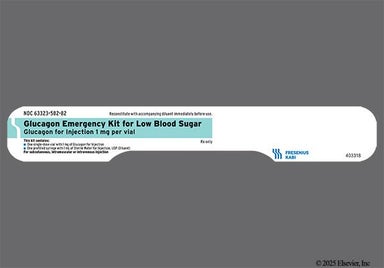
Make sure you review the Instructions for Use before you need to use it. Glucagon comes as a kit containing a vial with glucagon powder and a prefilled syringe containing the diluent (liquid) needed to mix the powder. After mixing the powder and diluent, the medication must be used right away or thrown away, don't save it for later. Inject Glucagon either under the skin or into the muscle of the buttocks, upper arm, or thigh.
Yes. Glucagon is also FDA approved to help providers look at your gut on certain imaging procedures. This helps with diagnosing stomach or intestinal problems. Glucagon is also used off-label to treat beta-blocker overdose and calcium channel blocker overdose for people that are hospitalized.
Based on a small number of studies, glucagon hasn't been shown to cause harm to pregnant mothers or unborn babies. But to be safe, always make sure to check with your provider before using Glucagon if you're pregnant.
There isn't much information about using glucagon while breastfeeding, but Glucagon isn't expected to harm the unborn baby even if they are exposed to it. This is because the unborn baby's gut will likely get rid of the medication before it causes any effect. But it's still important to discuss with your provider on whether or not using Glucagon while breastfeeding is safe for you.
