flecainide
Flecainide is a prescription antiarrhythmic medication used to prevent abnormal heart rhythms, including paroxysmal atrial fibrillation/flutter (PAF), paroxysmal supraventricular tachycardia (PSVT) and ventricular arrhythmias in adults and certain children. It comes as tablets that you take by mouth, typically two times a day, but your exact dose depends on your heart condition. Because it affects your heart rhythm, it requires regular heart monitoring. Common side effects include dizziness, vision changes, and shortness of breath.


What is Flecainide?
What is Flecainide used for?
- Prevention of paroxysmal supraventricular tachycardias (PSVT)
- Prevention of paroxysmal atrial fibrillation/flutter (PAF)
- Prevention of ventricular arrhythmias
How Flecainide works
Flecainide is an antiarrhythmic, specifically class IC. It works by slowing the flow of sodium into heart cells, which helps reduce abnormal electrical activity and stabilize the heart rhythm. This helps prevent or control fast or irregular heartbeats.
Drug facts

Side effects of Flecainide
The following side effects may get better over time as your body gets used to the medication. Let your healthcare provider know immediately if you continue to experience these symptoms or if they worsen over time.
Common Side Effects
- Dizziness (19%)
- Vision changes (16%)
- Shortness of breath (10%)
- Headache (10%)
- Nausea (9%)
- Tiredness (8%)
- Heart pounding (6%)
- Chest pain (5%)
- Weakness (5%)
- Tremor (5%)
- Constipation (4%)
- Swelling in the arms and legs (4%)
- Stomach pain (3%)
Less Common Side Effects
- Vomiting
- Diarrhea
- Poor appetite
- Fever
- Rash
- Double vision
- Tingling or numbness
- Sweating
- Fainting
- Sleepiness
- Ringing in the ears
- Anxiety
- Trouble sleeping
Flecainide serious side effects
Contact your healthcare provider immediately if you experience any of the following.
- Abnormal heart rhythm: chest pain, chest discomfort, palpitations, shortness of breath, fatigue, weakness, sweating
- Heart failure: shortness of breath, swelling, sudden weight gain, coughing or wheezing, fast heart rate
The following Flecainide side effects have also been reported
Along with its needed effects, a medicine may cause some unwanted effects. Although not all of these side effects may occur, if they do occur they may need medical attention.
Check with your doctor immediately if any of the following side effects occur:
More common
Difficult or labored breathing
dizziness, fainting, or lightheadedness
fast, irregular, pounding, or racing heartbeat or pulse
shortness of breath
tightness in the chest
Less common
Burning, crawling, itching, numbness, prickling, "pins and needles", or tingling feelings
fainting
feeling of warmth
increased sweating
partial or slight paralysis
redness of the face, neck, arms, and occasionally, upper chest
shakiness and unsteady walk
shakiness in the legs, arms, hands, or feet
swelling of the feet or lower legs
trembling or shaking of the hands or feet
unsteadiness, trembling, or other problems with muscle control or coordination
Rare
Arm, back, or jaw pain
black, tarry stools
bleeding gums
blood in the urine or stools
blurred vision
chest discomfort
chest tightness or heaviness
chills
confusion
convulsions
decrease in the frequency of urination
decrease in urine volume
difficulty in passing urine (dribbling)
difficulty with breathing
dizziness, faintness, or lightheadedness when getting up suddenly from a lying or sitting position
general feeling of discomfort or illness
headache
increased volume of pale, dilute urine
nervousness
noisy breathing
painful or difficult urination
pinpoint red spots on the skin
pounding in the ears
sensation of pins and needles
slow or fast heartbeat
sores, ulcers, or white spots on the lips or in the mouth
stabbing pain
sweating
swollen glands
thickening of bronchial secretions
troubled breathing
unusual bleeding or bruising
unusual tiredness or weakness
yellow eyes or skin
Some side effects may occur that usually do not need medical attention. These side effects may go away during treatment as your body adjusts to the medicine. Also, your health care professional may be able to tell you about ways to prevent or reduce some of these side effects. Check with your health care professional if any of the following side effects continue or are bothersome or if you have any questions about them:
More common
Blurred vision or seeing spots
Less common
Abdominal or stomach pain
acid or sour stomach
anxiety or mental depression
belching
continuing ringing or buzzing or other unexplained noise in the ears
feeling of constant movement of self or surroundings
general feeling of discomfort or illness
hearing loss
indigestion
lack or loss of strength
loss of appetite
sensation of spinning
sleepiness or unusual drowsiness
skin rash
stomach discomfort, upset, or pain
trouble with sleeping
unable to sleep
Rare
Bloated
change in color vision
change in taste
cracks in the skin
decreased awareness or responsiveness
decreased interest in sexual intercourse
difficulty seeing at night
difficulty with moving
excess air or gas in the stomach or intestines
eye pain or irritation
false or unusual sense of well-being
feeling of unreality
full feeling
hair loss or thinning of the hair
hives or welts
inability to have or keep an erection
increased sensitivity of the eyes to sunlight
itching skin
joint pain
lack of feeling or emotion
loss in sexual ability, desire, drive, or performance
loss of heat from the body
loss of memory
muscle aching or cramping
muscle pain or stiffness
passing gas
problems with memory
red, swollen skin
sense of detachment from self or body
severe sleepiness
swollen joints
swollen lips, mouth, or tongue
uncaring uncontrolled eye movements
Other side effects not listed may also occur in some patients. If you notice any other effects, check with your healthcare professional.
Call your doctor for medical advice about side effects. You may report side effects to the FDA at 1-800-FDA-1088.

Get your GoodRx coupon

Pros and cons of Flecainide
Pros
- Helps control and prevent abnormal heart rhythms
- Is a tablet taken by mouth
- Used in both adults and children
Cons
- Requires careful heart rhythm monitoring
- Generally for people with severe heart problems
- Not safe in people who had a recent heart attack

Pharmacist tips for Flecainide

- Flecainide is usually taken twice a day, but some children might need it three times a day. You can take it with or without food, but try to take it at the same times each day.
- If you’re being treated for ventricular arrhythmias, you’ll likely start flecainide in the hospital so your heart can be monitored for safety.
- Keep track of your appointments for your cardiologist and lab tests while taking flecainide. Tests like an electrocardiogram (ECG) and medication blood levels checks help your care team make sure the medication is working safely.
- Tell your care team right away if you feel dizzy, faint, short of breath, or notice a fast or irregular heartbeat while taking flecainide.
- Let your prescriber know right away if you notice signs of heart failure, such as fluid buildup in your legs or more trouble breathing when lying down.
- Flecainide can interact with other medications, especially those that affect heart rhythm. Make sure that your cardiologist knows about all the medications and supplements you take.

Common questions about Flecainide
Flecainide can help control abnormal heart rhythms, but like any medication, it also has risks. It changes the electrical activity in your heart, so taking too much or using it when you have certain heart problems can sometimes make heart rhythm worse or cause serious side effects. Because of this risk, flecainide carries a black box warning from the FDA. That’s why it’s usually prescribed by a cardiologist, and your heart rhythm and medication levels are checked regularly. Always take flecainide exactly as prescribed, and let your care team know right away if you feel dizzy, faint, short of breath, or notice a fast or irregular heartbeat.
Low blood pressure isn't a common side effect of flecainide. But low (and high) blood pressure was reported in less than 1% of people taking flecainide in clinical studies. Let your care team know if you notice symptoms of low blood pressure like lightheadedness, dizziness, or feeling like you might faint. They can check your blood pressure, or you can check it at home if you have a monitor, in case you need further care.
Flecainide doesn't typically cause people to gain more body fat. But if you develop swelling in your legs, ankles, or feet along with weight gain, it could be a sign of fluid buildup or heart problems that need medical attention. Let your cardiologist know if you notice sudden or unexplained weight gain so they can check for possible causes and adjust your treatment if needed.
No. Flecainide is a class IC antiarrhythmic medication, not a beta blocker. Both flecainide and beta blockers can help treat abnormal heart rhythms, but they do so in different ways.
The maximum recommended dose of flecainide for adults is 300 mg per day for PSVT and PAF, and 400 mg per day for ventricular arrhythmias. In children, the maximum dose is 200 mg/m² per day, regardless of age. Your cardiologist might recommend a lower dose if you have kidney problems or are also taking amiodarone. Typically, your flecainide dose will start low and be raised slowly, no more often than every 4 days, with close monitoring for side effects.
It takes about 3 to 4 days for most of flecainide to leave your body after a dose. This estimate is based on the medication's half-life. Even though it can stay in your system for several days, it's important to take flecainide exactly as prescribed to keep steady levels in your body so it can work properly to prevent heart rhythm problems.
Flecainide should be used very carefully with other antiarrhythmic medications, such as quinidine, verapamil, and disopyramide. In addition, amiodarone can double the amount of flecainide in your body, so your dose might need to be cut in half if the two are taken together. To be safe, always tell your care team about all medications you're taking before and during treatment with flecainide.

How to save using GoodRx


Risks and warnings for Flecainide
Flecainide can cause some serious health issues. This risk may be even higher for certain groups. If this worries you, talk to your doctor or pharmacist about other options.
Greater risk of death after recent heart attack
In a large study called the Cardiac Arrhythmia Suppression Trial (CAST), people who had a heart attack within the past 2 years and were treated with flecainide had a higher risk of death or serious heart problems than those who took a placebo. If you've had a heart attack, let your care team know before starting this medication. Your cardiologist will decide if flecainide is the safest and most best option for you.
New or worsening heart rhythm problems
- Risk factors: Long-term atrial fibrillation | Fast ventricular heartbeat | Exercise
Like other heart rhythm medications, flecainide can sometimes cause new or worse abnormal heart rhythms. These changes can range from a few extra heartbeats to dangerous fast rhythms that can be life-threatening.
Before starting flecainide, make sure your care team knows your full medical history. To help keep you safe, they’ll check your electrolyte levels and might order an electrocardiogram (ECG) to monitor your heart's electrical activity. If you experience chest pain or discomfort, a fast or irregular heartbeat, dizziness, or fainting, get medical help right away.
Heart failure
- Risk factors: Cardiomyopathy | Severe heart failure | Low ejection fraction
Flecainide can sometimes weaken your heart’s ability to pump blood and might cause or worsen heart failure. Your risk is higher if you already have cardiomyopathy, severe heart failure, or a low ejection fraction. If you have heart failure, you should only take this medication under the close supervision of your cardiologist. They might start you on a lower dose and adjust your other heart medications to help your heart work better.
Heart failure can develop within hours to months after starting flecainide, so tell your care team right away if you notice swelling in your legs, sudden weight gain, shortness of breath, or unusual tiredness. Your cardiologist might also order regular blood tests and heart monitoring to make sure your medication levels and heart function stay safe.
Slowed electrical signals through the heart
- Risk factors: Heart block | Sick sinus syndrome
flecainide can slow down the electrical signals that control your heartbeat. Your care team will regularly check your lab tests and ECG measurements to make sure your heart rhythm stays safe. If your heart’s signals slow down too much, your cardiologist might lower your dose or adjust your treatment. If you have a pacemaker, your cardiologist might adjust your settings to keep your heart beating properly. Get medical help right away if you notice a slow pulse, chest pain, weakness, dizziness, or fainting while taking this medication.
Fixing electrolyte levels
Having low or high potassium levels in your blood can affect how flecainide works and might change your heart rhythm. Before starting this medication, your care team will check your potassium levels to make sure they are in a healthy range. This helps the medication work safely and lowers your risk of heart rhythm problems.

Flecainide dosage


Interactions between Flecainide and other drugs
Although certain medicines should not be used together at all, in other cases two different medicines may be used together even if an interaction might occur. In these cases, your doctor may want to change the dose, or other precautions may be necessary. When you are taking this medicine, it is especially important that your healthcare professional know if you are taking any of the medicines listed below. The following interactions have been selected on the basis of their potential significance and are not necessarily all-inclusive.
Using this medicine with any of the following medicines is not recommended. Your doctor may decide not to treat you with this medication or change some of the other medicines you take.
- Bepridil
- Cisapride
- Dronedarone
- Levomethadyl
- Mesoridazine
- Pimozide
- Piperaquine
- Ritonavir
- Saquinavir
- Sparfloxacin
- Terfenadine
- Thioridazine
- Tipranavir
- Vernakalant
- Ziprasidone
Using this medicine with any of the following medicines is usually not recommended, but may be required in some cases. If both medicines are prescribed together, your doctor may change the dose or how often you use one or both of the medicines.
- Acecainide
- Ajmaline
- Alfuzosin
- Amiodarone
- Amisulpride
- Amitriptyline
- Amoxapine
- Anagrelide
- Apomorphine
- Aprindine
- Arbutamine
- Aripiprazole
- Aripiprazole Lauroxil
- Arsenic Trioxide
- Artemether
- Asenapine
- Astemizole
- Azimilide
- Azithromycin
- Bedaquiline
- Bendroflumethiazide
- Boceprevir
- Bretylium
- Buprenorphine
- Bupropion
- Buserelin
- Ceritinib
- Chloral Hydrate
- Chloroquine
- Chlorothiazide
- Chlorpromazine
- Chlorthalidone
- Ciprofloxacin
- Citalopram
- Clarithromycin
- Clofazimine
- Clomipramine
- Clozapine
- Cobicistat
- Crizotinib
- Cyclobenzaprine
- Dabrafenib
- Darifenacin
- Dasabuvir
- Dasatinib
- Degarelix
- Delamanid
- Delavirdine
- Desipramine
- Deslorelin
- Deutetrabenazine
- Dibenzepin
- Disopyramide
- Dofetilide
- Dolasetron
- Domperidone
- Donepezil
- Droperidol
- Duloxetine
- Efavirenz
- Encorafenib
- Enflurane
- Entrectinib
- Erythromycin
- Escitalopram
- Etravirine
- Fingolimod
- Fluconazole
- Fluoxetine
- Formoterol
- Foscarnet
- Fostemsavir
- Gatifloxacin
- Gemifloxacin
- Glasdegib
- Gonadorelin
- Goserelin
- Granisetron
- Halofantrine
- Haloperidol
- Halothane
- Histrelin
- Hydrochlorothiazide
- Hydroflumethiazide
- Hydroquinidine
- Hydroxychloroquine
- Hydroxyzine
- Ibutilide
- Iloperidone
- Imipramine
- Inotuzumab Ozogamicin
- Isoflurane
- Isradipine
- Ivabradine
- Ivosidenib
- Ketoconazole
- Lacosamide
- Lapatinib
- Lefamulin
- Lenvatinib
- Levofloxacin
- Lidocaine
- Lidoflazine
- Lofexidine
- Lorcainide
- Lumefantrine
- Macimorelin
- Mefloquine
- Methadone
- Metolazone
- Metronidazole
- Mifepristone
- Mirtazapine
- Moxifloxacin
- Nafarelin
- Nilotinib
- Norfloxacin
- Nortriptyline
- Octreotide
- Ofloxacin
- Ombitasvir
- Ondansetron
- Osilodrostat
- Osimertinib
- Oxaliplatin
- Ozanimod
- Paliperidone
- Panobinostat
- Paritaprevir
- Pasireotide
- Pazopanib
- Peginterferon Alfa-2b
- Pentamidine
- Pimavanserin
- Pirmenol
- Pitolisant
- Polythiazide
- Ponesimod
- Posaconazole
- Prajmaline
- Prilocaine
- Probucol
- Procainamide
- Prochlorperazine
- Promethazine
- Propafenone
- Protriptyline
- Quetiapine
- Quinidine
- Ranolazine
- Ribociclib
- Risperidone
- Selpercatinib
- Sematilide
- Sertindole
- Sertraline
- Sevoflurane
- Simeprevir
- Siponimod
- Sodium Phosphate
- Sodium Phosphate, Dibasic
- Sodium Phosphate, Monobasic
- Solifenacin
- Sorafenib
- Sotalol
- Spiramycin
- Sulfamethoxazole
- Sulpiride
- Sultopride
- Sunitinib
- Tacrolimus
- Tedisamil
- Telaprevir
- Telavancin
- Telithromycin
- Tetrabenazine
- Toremifene
- Trazodone
- Trichlormethiazide
- Triclabendazole
- Trifluoperazine
- Trimethoprim
- Trimipramine
- Triptorelin
- Vandetanib
- Vardenafil
- Vemurafenib
- Vinflunine
- Voclosporin
- Voriconazole
- Zolmitriptan
- Zotepine
- Zuclopenthixol
Using this medicine with any of the following medicines may cause an increased risk of certain side effects, but using both drugs may be the best treatment for you. If both medicines are prescribed together, your doctor may change the dose or how often you use one or both of the medicines.

How much does Flecainide cost?
$16.42

Flecainide contraindications
Contraindications are specific health conditions or situations in which a person should not take a medication due to safety concerns. If you have any of the following conditions or if any of the following apply to you, let your healthcare provider know because Flecainide will not be safe for you to take.
- Second- or third-degree heart block
- Heart not pumping enough blood (cardiogenic shock)

What are alternatives to Flecainide?

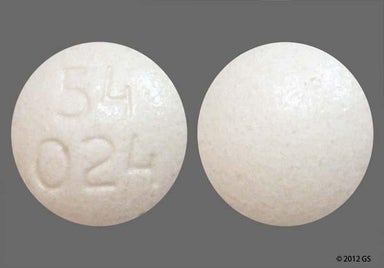
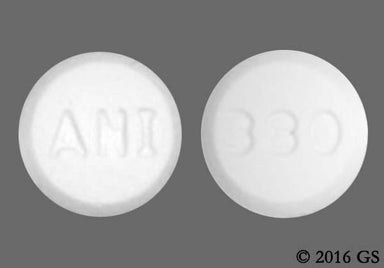
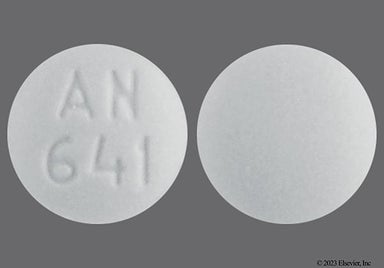
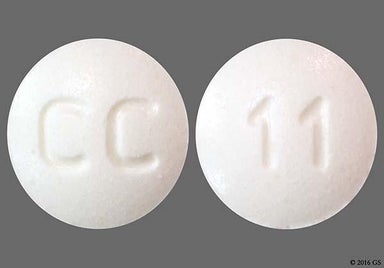
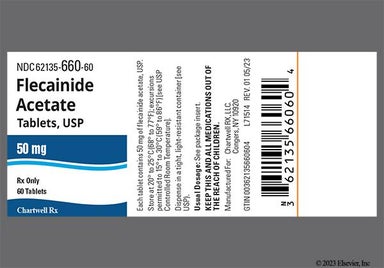
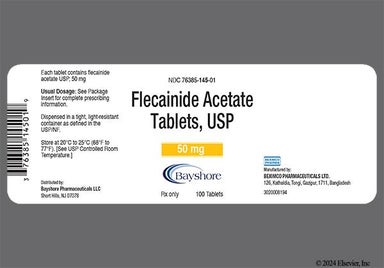
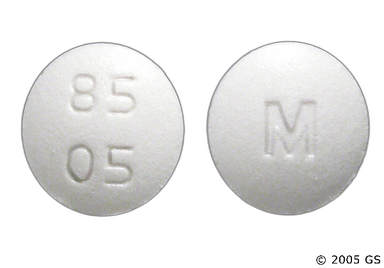
Flecainide images