Key takeaways:
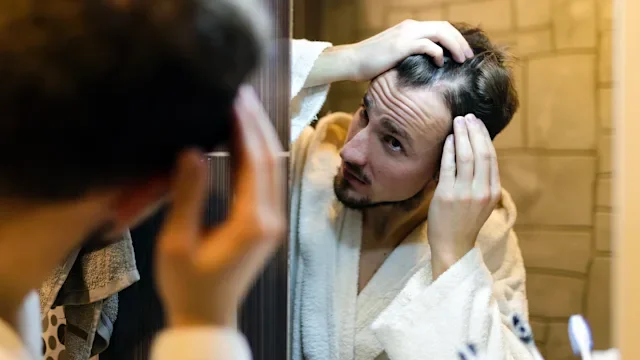
Finasteride (Proscar, Propecia) treats two medical conditions: benign prostatic hyperplasia (BPH) and androgenetic alopecia (male-pattern hair loss). Alcohol doesn’t directly interact with finasteride, but it can worsen some finasteride side effects.
Drinking alcohol regularly or in large amounts can also make it harder for finasteride to work. That’s because it may cause or worsen the conditions that finasteride treats. Talk to your prescriber about how much, if any, alcohol is OK for you based on your medical history.
Some evidence suggests that finasteride may reduce your desire to drink alcohol. But we need more research to draw any firm conclusions.
Save on related medications
Finasteride is a medication that’s used to treat two health conditions. It’s available as a 1 mg tablet for hair loss under the brand name Propecia. It also comes as a 5 mg tablet under the brand name Proscar to treat benign prostatic hyperplasia (BPH, an enlarged prostate).
If you’re taking finasteride, it’s likely that your prescriber and pharmacist will go over side effects to look out for and tips to get the most from your medication. But they may not cover what you should know about finasteride and alcohol. Read on to learn about alcohol’s effects on finasteride and how drinking alcohol may affect your treatment.
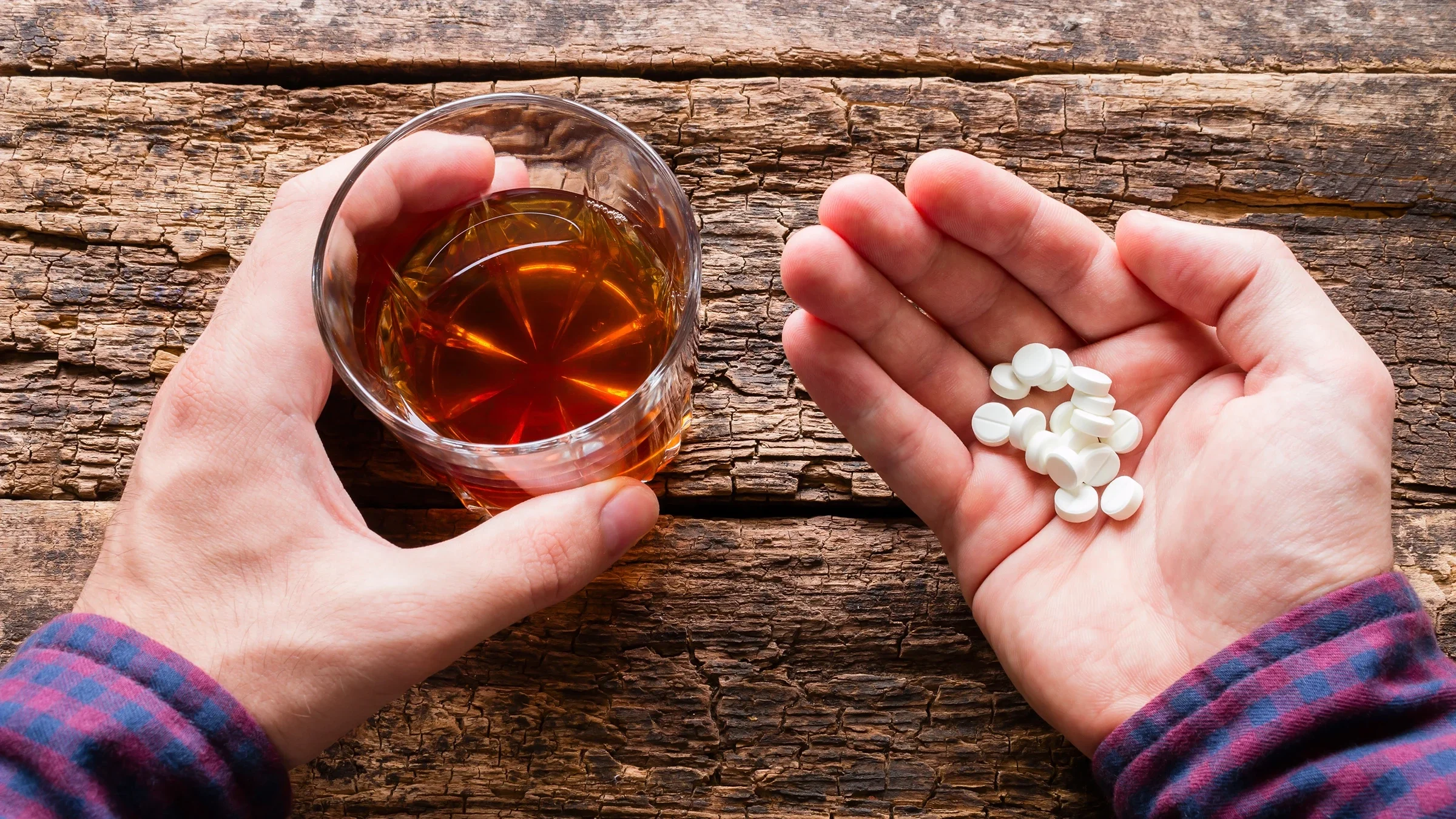
Does alcohol interact with finasteride?
There isn’t a direct interaction between finasteride and alcohol. But alcohol and finasteride can both cause side effects, such as erectile dysfunction, depression, and gynecomastia (enlarged breasts in males). So drinking alcohol with finasteride may make these side effects more likely. This is especially true if you drink alcohol regularly or in large amounts.
Can alcohol make finasteride less effective?
Alcohol likely won’t interfere with how finasteride works in your body. But it may worsen the underlying conditions that finasteride treats, which can make it less effective for you. Here’s what the research shows.
Alcohol and finasteride for BPH
Finasteride helps lower the risk of prostate cancer associated with BPH. But a large study found that finasteride didn’t lower the risk of prostate cancer in men who drank large amounts of alcohol. In fact, men who reported drinking more than seven drinks per week were 89% more likely to develop prostate cancer.
Heavy alcohol use is also associated with an increased risk of developing BPH and worsening of BPH symptoms. But interestingly, moderate alcohol use was associated with a lower risk of BPH and urinary symptoms than for those who reported heavy drinking or not drinking at all.
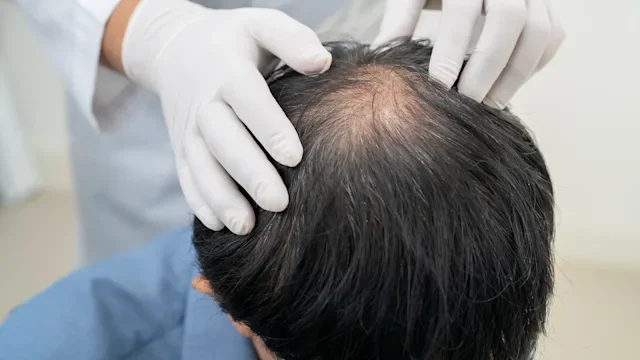
Alcohol and finasteride for hair loss
The relationship between alcohol and androgenic alopecia (male-pattern hair loss) is less clear.
Some studies show a link between drinking alcohol and a higher risk of hair loss. But others show that this link isn’t as strong as previously thought.
That being said, we do know that heavy drinking can lower the levels of important nutrients, such as folic acid and zinc, in your body. These nutrients play a role in hair growth and repair. So low levels can contribute to hair loss in some cases.
How much alcohol is safe to drink while taking finasteride?
No amount of alcohol is considered safe to drink, whether you’re taking finasteride or not. Even small amounts of alcohol can increase your risk of cancer and other health issues.
That being said, it’s likely fine to have an occasional drink while you’re taking finasteride. Just be sure to talk to your healthcare team first. They can look at your overall health and let you know how much, if any, alcohol is OK for you.
Does finasteride reduce your desire to drink?
Researchers believe that finasteride may lower your desire to drink alcohol by blocking the production of neurosteroids. These are a group of natural steroids in the body that affect brain function, including the desire for alcohol.
A small research study found that more than half of the participants reported drinking less alcohol during and after taking finasteride. But this study only included people who also reported persistent sexual side effects more than 3 months after stopping finasteride. So we need more research to know for sure whether finasteride can impact your desire to drink alcohol.
Frequently asked questions
You can take finasteride at any time of day, but you should be consistent with when you take it. So try to choose a time that works for your regular schedule. Keeping your finasteride bottle somewhere you’ll see it, such as near your coffee mugs or on your bedside table, can also help you remember to take it.
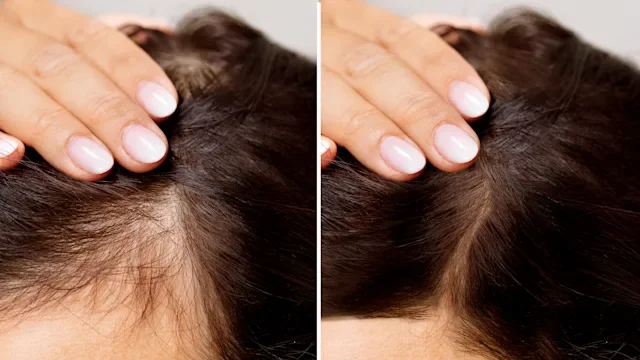
In most cases, you’ll stop losing hair within the first few months of taking finasteride for hair loss. But it can take 6 to 12 months for your hair to grow back. And it may take more than a year to see noticeable results for some people.
You can take finasteride at any time of day, but you should be consistent with when you take it. So try to choose a time that works for your regular schedule. Keeping your finasteride bottle somewhere you’ll see it, such as near your coffee mugs or on your bedside table, can also help you remember to take it.
In most cases, you’ll stop losing hair within the first few months of taking finasteride for hair loss. But it can take 6 to 12 months for your hair to grow back. And it may take more than a year to see noticeable results for some people.
The bottom line
Finasteride treats male-pattern hair loss under the brand name Propecia. It also treats benign prostatic hyperplasia (BPH) under the brand name Proscar. Alcohol doesn’t directly interact with finasteride. But it can worsen finasteride side effects, such as erectile dysfunction, depression, and gynecomastia (enlarged breasts in males).
Drinking alcohol regularly or in large amounts can also make it harder for finasteride to work. That’s because it may cause or worsen the conditions that finasteride treats. Talk to your prescriber about how much, if any, alcohol is OK for you based on your medical history.
Some evidence suggests that finasteride may reduce your desire to drink alcohol. But we need more research to draw any firm conclusions.

Why trust our experts?



References
Almohanna, H. M., et al. (2019). The role of vitamins and minerals in hair loss: A review. Dermatology and Therapy.
Gong, Z., et al. (2009). Alcohol consumption, finasteride and prostate cancer risk: Results from the Prostate Cancer Prevention Trial. Cancer.
Guo, E. L., et al. (2017). Diet and hair loss: Effects of nutrient deficiency and supplement use. Dermatology Practical & Conceptual.
Helms, C. M., et al. (2012). Neurosteroid influences on sensitivity to ethanol. Frontiers in Endocrinology.
Irwig, M. S. (2013). Decreased alcohol consumption among former male users of finasteride with persistent sexual side effects: A preliminary report. Alcoholism: Clinical and Experimental Research.
Macke, A. J., et al. (2022). Alcohol and prostate cancer: Time to draw conclusions. Biomolecules.
Ng, M., et al. (2024). Benign prostatic hyperplasia. StatPearls.
Noh, J.-W., et al. (2020). Association between lower urinary tract symptoms and cigarette smoking or alcohol drinking. Translational Andrology and Urology.
Thompson, I. M., et al. (2003). The influence of finasteride on the development of prostate cancer. The New England Journal of Medicine.
Yang, W. J., et al. (2024). Exploring the association between alcohol consumption and androgenic alopecia: A systematic review and meta-analysis. Alcohol and Alcoholism.
Zhang, J., et al. (2025). The association between alcohol consumption and the severity of male androgenic alopecia in Chinese participants: A single-center cross-sectional study. Journal of the American Academy of Dermatology.