




Can Allergies Cause Headaches?
Allergies may cause nasal inflammation that can lead to sinus headaches or trigger migraines. Learn the symptoms and treatment options for allergy headaches.
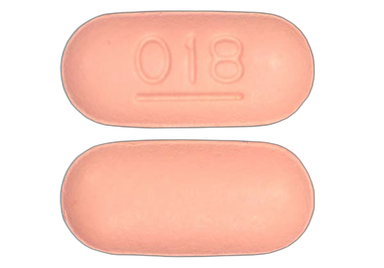
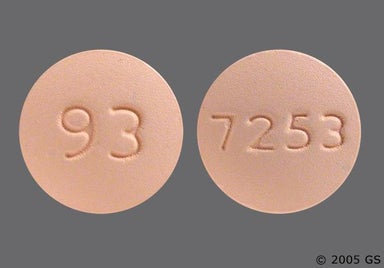
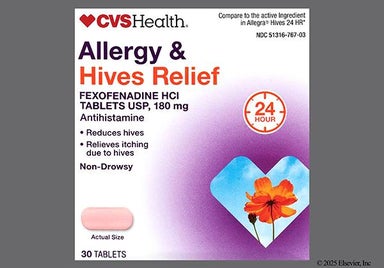
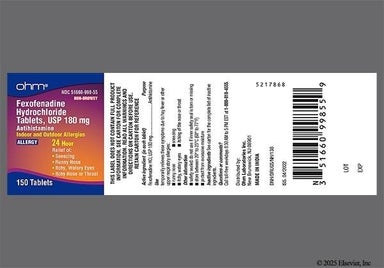
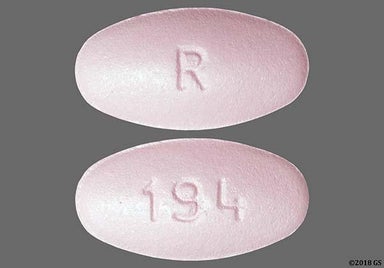
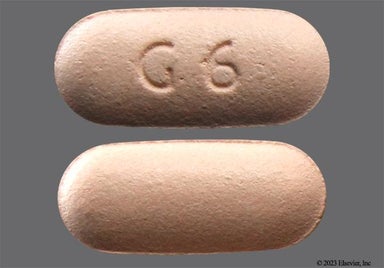
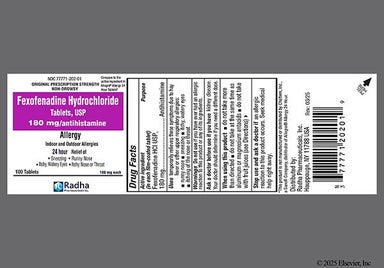
Fexofenadine (Allegra) is an antihistamine. It's used to ease symptoms of allergy and hives in adults and children. Fexofenadine (Allegra) can be found over the counter as a tablet, fast-melting tablet, and liquid. This medication is taken once or twice per day, depending on the formulation. Fexofenadine (Allegra) starts to work in about 2 hours and its effects can last up to 24 hours. Fexofenadine (Allegra) doesn't make you as drowsy compared to some other antihistamines, such as diphenhydramine (Benadryl). Other possible side effects of fexofenadine (Allegra) include headache and dry mouth.

Fexofenadine (Allegra) is a second-generation antihistamine. It blocks histamine, a natural chemical in your body that can cause allergy symptoms like itchiness, itchy eyes, or runny nose. By blocking histamine, fexofenadine (Allegra) helps relieve allergy symptoms.
| Common Brands | Allegra Allergy, Allegra Hives |
|---|---|
| Drug Class | Antihistamine |
| Controlled Substance Classification | Not a controlled medication |
| Generic Status | Lower-cost generic available |
| Availability | Over-the-counter |

The following side effects may get better over time as your body gets used to the medication. Let your healthcare provider know immediately if you continue to experience these symptoms or if they worsen over time.
Contact your healthcare provider immediately if you experience any of the following.
Side effects that you should report to your care team as soon as possible:
Side effects that usually do not require medical attention (report these to your care team if they continue or are bothersome):



For relieving itchiness from hives

Fexofenadine (Allegra) can cause some serious health issues. This risk may be even higher for certain groups. If this worries you, talk to your doctor or pharmacist about other options.
Fexofenadine (Allegra) and other antihistamines can be found in many over-the-counter products. Taking too much fexofenadine (Allegra) or using more than one medication containing an antihistamine (including products used on the skin) can lead to an accidental overdose. This can cause serious side effects, such as seizures, hallucinations, or even death.
To prevent an accidental overdose, read package labels carefully. If you're not sure if a product has an antihistamine, ask your pharmacist. Don't start any new medications while taking fexofenadine (Allegra) without talking to your HCP or pharmacist first. If you think you or your loved one has taken too much medication, get medical help right away or contact a Poison Control Center at 1-800-222-1222.
The fexofenadine (Allegra) orally disintegrating tablets contain phenylalanine, a component of the artificial sweetener aspartame. If you have a genetic condition called phenylketonuria (PKU), taking this form of the medication can be dangerous for you. Read the manufacturer's label on the fexofenadine (Allegra) product you have to see if there's a warning for people with PKU. Ask your pharmacist if you're not sure if a particular fexofenadine (Allegra) is safe for you. There are other formulations of the medication that might be safer for you.

 Tablet
| Dosage | Quantity | Price as low as | Price per unit |
|---|---|---|---|
| 12 hour | 60 tablets | $11.96 | $0.20 |
| 24 hour | 30 tablets | $8.28 | $0.28 |
Different formulations of fexofenadine (Allegra) have different dosing directions and age-cut offs. Make sure to follow the instructions on the manufacturer's label for specific directions for your product. Some examples include:
Fexofenadine oral suspension: Each 5 mL contains 30 mg of fexofenadine.
Fexofenadine orally disintegrating tablet












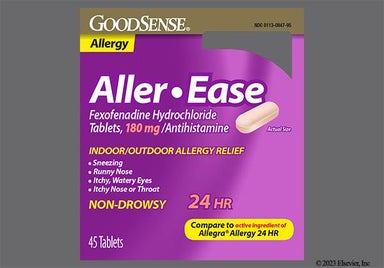
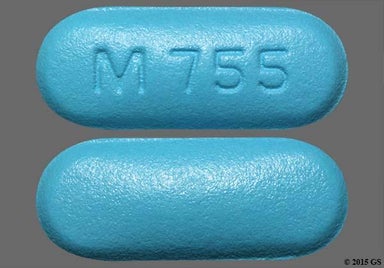
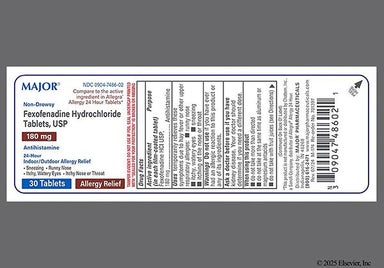
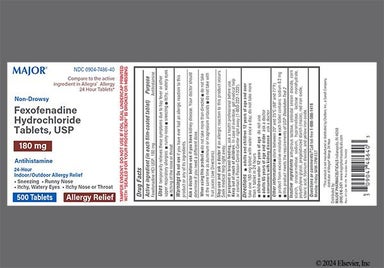
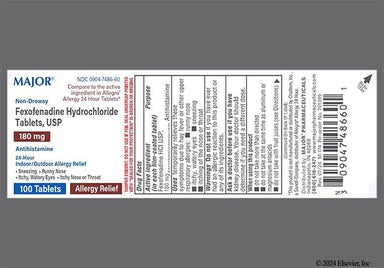
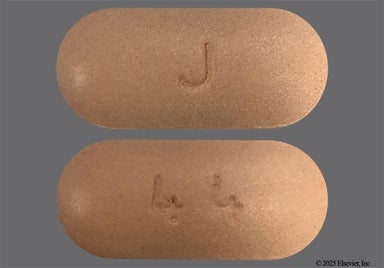
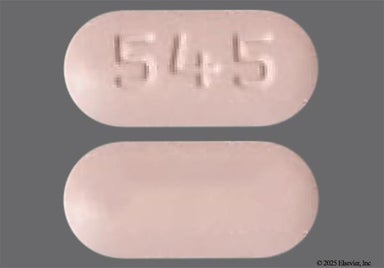
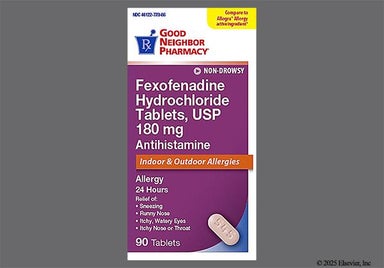
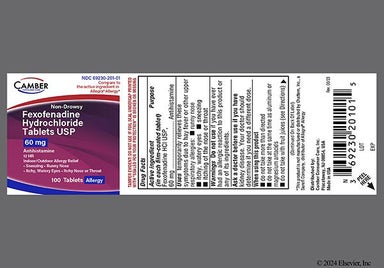
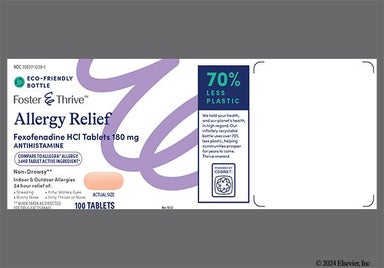
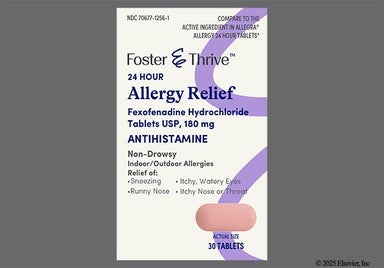
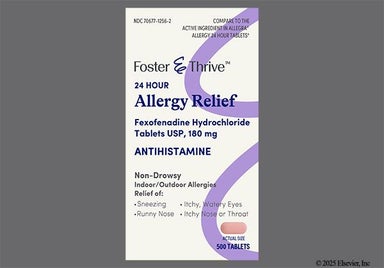
Prescription savings
Stop paying too much for your prescriptions. Compare prices, get pharmacy coupons, and save up to 80%. Find expert answers to your health questions so you can make the best decisions for yourself and your family.
Health conditions
Medications & treatment
Access & affordability
 Our monthly healthcare membership can help you save thousands on your prescription costs.
Resources

Fexofenadine takes about 2 hours to start working.
How long the side effects from Fexofenadine last hasn't been well-studied. But in general, most side effects are mild and can be managed with lifestyle changes. For example, the most common side effect of Fexofenadine is headache. One way to ease headache is by staying hydrated throughout the day. If appropriate, your primary care provider (PCP) might recommend an over-the-counter pain medication to help with the pain. Let your PCP know if any of the side effects are bothersome or don't get better over time. They might suggest a different medication to help with your allergy or hives.
Yes, it's possible for Fexofenadine to make you drowsy (sleepy). But drowsiness isn't as common with Fexofenadine as with some other antihistamines, like diphenhydramine (Benadryl). This is because Fexofenadine is a second-generation antihistamine that isn't as likely to cross into the brain compared to first-generation antihistamines. Let your primary care provider or pharmacist know if Fexofenadine is making you too drowsy to go about your day. They might ask you to consider other options.
Typically, the maximum dose of Fexofenadine ranges from 120 mg to 180 mg daily for adults, depending on which product you're taking. The maximum daily dose and age cut-off of Fexofenadine for children also differs depending on the product. Follow the instructions on the manufacturer's label for specific directions. But if your healthcare professional (HCP) prescribes a different dose than what's on the manufacturer's label, follow your HCP's instructions instead. Ask your pharmacist or HCP if you're not sure what dose of Fexofenadine you should take.
No, you should avoid taking Fexofenadine and diphenhydramine (Benadryl) together, unless instructed by your primary care provider. They're both antihistamines and taking them together raises your risk of side effects, such as drowsiness, dry mouth, and dizziness. If you want to switch from Fexofenadine to diphenhydramine (Benadryl), start diphenhydramine (Benadryl) at least 24 hours after your last Fexofenadine dose. Talk to your pharmacist or HCP if you have questions on which medication is right for you.
It depends on the Mucinex product. Mucinex is the brand name of multiple different combination medications with different ingredients. Some Mucinex products contain triprolidine, which is an antihistamine. You shouldn't take Fexofenadine with any other antihistamines. But if your Mucinex product doesn't have any antihistamines, it's likely that you can take it with Fexofenadine as long as you don't have other health conditions that make the combination unsafe. Ask your pharmacist if you're not sure if you can take a particular Mucinex product with Fexofenadine.
Fexofenadine and loratadine (Claritin) are both oral second-generation antihistamines that work well to treat allergies and have only minor differences. Among the second-generation antihistamines, Fexofenadine might be the least likely to cause sleepiness. In addition, both medications are available as tablets, orally disintegrating tablets, and liquid. But loratadine (Claritin) also come as chewable tablets. Discuss with your HCP or pharmacist about which antihistamine is best for you.
It's best to avoid drinking alcohol with antihistamines like Fexofenadine. Doing so raises your risk of drowsiness (sleepiness) and dizziness.
