Epidiolex
Epidiolex (cannabidiol) is used to treat seizures due to Lennox-Gastaut syndrome, Dravet syndrome, or tuberous sclerosis complex. It's available as an oral solution (liquid) that can be taken by people aged 1 year and older. The dosage is based on body weight and is taken by mouth twice a day. Potential side effects include drowsiness, diarrhea, and poor appetite. Epidiolex (cannabidiol) currently doesn't have a generic version available.


What is Epidiolex (cannabidiol)?
What is Epidiolex (cannabidiol) used for?
- Seizures due to Lennox-Gastaut syndrome, Dravet syndrome, or tuberous sclerosis complex
How Epidiolex (cannabidiol) works
Epidiolex (cannabidiol) is a cannabinoid (CBD). It's made from the Cannabis sativa plant (marijuana). The way it works to treat seizures isn't known, but it's thought to work on receptors in the brain to help calm brain cells down.
Drug facts
More on Epidiolex (cannabidiol) essentials


Side effects of Epidiolex (cannabidiol)
The following side effects may get better over time as your body gets used to the medication. Let your healthcare provider know immediately if you continue to experience these symptoms or if they worsen over time.
Common Side Effects
Lennox-Gastaut syndrome and Dravet syndrome
- Infection (40-41%)
- Drowsiness (23-25%)
- Poor appetite (16-22%)
- Diarrhea (9-20%)
- Higher liver enzymes (8-16%)
- Rash (7-13%)
- Feeling tired or weak (11-12%)
- Trouble sleeping (5-11%)
Tuberous sclerosis complex
- Diarrhea (31%)
- Higher liver enzymes (25%)
- Poor appetite (20%)
- Fever (19%)
- Vomiting (17%)
- Drowsiness (13%)
Less Common Side Effects
- Weight loss
- Stomach pain or discomfort
- Anger or aggression
- Drooling
- Low oxygen levels
- Low platelets
- Low red blood cells
- Stomach infection
- Trouble walking
- Runny nose
- Feeling annoyed more easily
Epidiolex (cannabidiol) serious side effects
Contact your healthcare provider immediately if you experience any of the following.
- Suicidal thoughts or actions
- Serious allergic reaction: trouble breathing, swelling of your face or tongue, hives, rash
- Liver damage: yellowing of the skin or eyes (jaundice), nausea, feeling tired, itching, diarrhea, tenderness on the right side of your stomach
More on Epidiolex (cannabidiol) side effects
The following Epidiolex (cannabidiol) side effects have also been reported
Side effects that you should report to your care team as soon as possible:
- Allergic reactions—skin rash, itching, hives, swelling of the face, lips, tongue, or throat
- Liver injury—right upper belly pain, loss of appetite, nausea, light-colored stool, dark yellow or brown urine, yellowing skin or eyes, unusual weakness or fatigue
- Thoughts of suicide or self-harm, worsening mood, feelings of depression
Side effects that usually do not require medical attention (report these to your care team if they continue or are bothersome):

Pros and cons of Epidiolex (cannabidiol)
Pros
- Treats seizures linked to rare conditions (LGS, DS, and TSC)
- Available as a liquid, which is helpful for people who have trouble swallowing pills
- Can be given to children as young as 1 year of age
- Not a controlled substance
Cons
- Can make you very sleepy
- Can cause serious changes in mood and behavior
- Stopping it suddenly can result in more frequent or longer seizures
- Might not be safe if you have liver problems

Pharmacist tips for Epidiolex (cannabidiol)

- Take Epidiolex (cannabidiol) with or without food, but be sure to take it the same way each time. Food can affect how much medication your body absorbs, so consistency is key to keeping steady levels of this medication in your body every day.
- Be sure to use the bottle adapter and medication dose syringe that Epidiolex (cannabidiol) comes with to measure out your dose. Don't use household teaspoons because they aren't accurate and might cause you to take the wrong amount of medication.
- Place the tip of the oral syringe against the inside of the cheek and gently push the plunger until all of Epidiolex (cannabidiol) is given. Don't forcefully push the plunger or aim the syringe to the back of the mouth because this can cause choking.
- When you're done using Epidiolex (cannabidiol), leave the adapter in place and screw the cap back on top. Clean the reusable syringe with warm, soapy water and allow it to air dry.
- Store Epidiolex (cannabidiol) at room temperature and throw away any unused medication after 12 weeks of opening it, even if there is leftover medication in the bottle.
- Epidiolex (cannabidiol) can cause sleepiness. Don't drive or do anything that requires you to be alert until you know how this medication affects you.
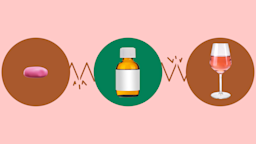
- Drinking alcohol or taking medications that make you sleepy while taking Epidiolex (cannabidiol) can make you more drowsy and less alert. It's best to speak with your prescriber before mixing these with Epidiolex (cannabidiol).
- Contact your care team right away if you notice any mood changes, trouble sleeping, or thoughts about suicide while taking Epidiolex (cannabidiol).
- Epidiolex (cannabidiol) can cause liver problems. It's important to follow up with your prescriber about regular blood tests while taking this medication to check your liver health. If you notice yellowing of the skin or eyes (jaundice), nausea, feeling tired, itching, diarrhea, tenderness on the right side of your stomach, call your prescriber right away.
- Epidiolex (cannabidiol) might affect the results of drug screenings. If you have a drug test planned, let your lab know that you're taking Epidiolex (cannabidiol).
- Stopping Epidiolex (cannabidiol) too quickly can cause withdrawal symptoms such as more frequent or longer seizures (status epilepticus). Instead, with your neurologist on a plan to stop taking Epidiolex (cannabidiol) in a safe way, by slowly lowering your dose.
More on Epidiolex (cannabidiol) tips

Common questions about Epidiolex (cannabidiol)
No. Epidiolex (cannabidiol) isn't a controlled substance. This medication hasn't been shown to cause misuse or dependence.
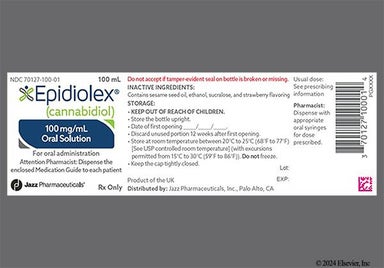
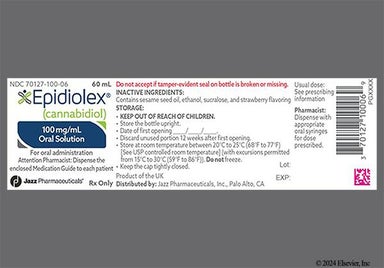
Each milliliter (mL) of Epidiolex (cannabidiol) contains 100 mg of cannabidiol (CBD).
Epidiolex (cannabidiol) can cause more seizures if you stop taking it suddenly. If you need to stop taking Epidiolex (cannabidiol), talk to your prescriber about a safe way to do so. They might recommend slowly lowering your dose before stopping completely to avoid more seizures.
Yes, Epidiolex (cannabidiol) requires a prescription from a healthcare professional. It isn't sold over the counter.
People taking Epidiolex (cannabidiol) to treat seizures associated with Lennox-Gastaut syndrome in clinical studies had up to 44% less seizures in a month compared to when they weren't taking the medication. In studies of people taking Epidiolex (cannabidiol) for seizures due to Dravet syndrome, seizures were lowered by 39% in a month of treatment. And Epidiolex (cannabidiol) was also shown to reduce seizures by 48% in people living with tuberous sclerosis complex.
There isn't enough information available to know if Epidiolex (cannabidiol) is safe to take during pregnancy. In animal studies, the medication harmed unborn babies. If you're pregnant or planning to get pregnant, it's best to speak with your neurologist before starting this medication. If you become pregnant while taking Epidiolex (cannabidiol), there are two pregnancy registries available that gather information about your health and your unborn baby's health. It's encouraged that you enroll in the North American Antiepileptic Drug (NAAED) Pregnancy Registry by calling 1-888-233-2334 or visiting the website, and the EPIDIOLEX Pregnancy Surveillance Program by calling 1-855-272-7158 or visiting the website.

How to save using GoodRx



Risks and warnings for Epidiolex (cannabidiol)
Epidiolex (cannabidiol) can cause some serious health issues. This risk may be even higher for certain groups. If this worries you, talk to your doctor or pharmacist about other options.
Liver damage
- Risk factors: Taking valproate or clobazam (Onfi) | High dose of Epidiolex (cannabidiol) | History of liver problems
Epidiolex (cannabidiol) can cause liver damage. Your risk is higher if you're taking valproate (e.g., valproic acid (Depakene), divalproex (Depakote)) or clobazam (Onfi) at the same time, taking a high dose of Epidiolex (cannabidiol), or if you have liver problems. Signs of liver problems can include dark urine, feeling tired, upset stomach or stomach pain, nausea, vomiting, or yellowing of skin or eyes. If you notice any of these symptoms, call your prescriber right away. Make sure you go to all of your lab appointments while taking Epidiolex (cannabidiol) so that your liver health can be checked regularly.
Drowsiness and sleepiness
- Risk factors: Taking with alcohol | Taking other medications that make you less alert
Epidiolex (cannabidiol) can lower your ability to focus, think, and react. Your risk is higher when drinking alcohol or taking other medications that make you drowsy or less alert (e.g., benzodiazepines, opioids). Be careful and avoid activities that require you to be alert, such as driving a car, until you know how this medication affects you. Generally, drowsiness is more common when first starting Epidiolex (cannabidiol) and can get better with continued treatment.
Suicidal thoughts or actions
Antiepileptic (antiseizure) medications like Epidiolex (cannabidiol) can raise your risk of suicide or thoughts of suicide. Watch for any new or worsening depression and any unusual changes in mood. Report anything concerning to your prescriber. If you have thoughts of hurting yourself, call 911 or get medical attention right away.
Severe allergic reaction
Although rare, Epidiolex (cannabidiol) can cause allergic reactions. Seek medical help if you experience hives, red skin, swelling in your body, or trouble breathing.
Withdrawal symptoms
- Risk factors: Stopping Epidiolex (cannabidiol) too fast
Epidiolex (cannabidiol) can cause withdrawal symptoms such as more frequent and longer seizures (status epilepticus). To lower this risk, make sure to work with your prescriber to stop Epidiolex (cannabidiol) slowly if you need to stop taking this medication.
More on Epidiolex (cannabidiol) warnings


Epidiolex (cannabidiol) dosage
Typical dosage for Epidiolex (cannabidiol)
Your dose depends on what condition you're taking Epidiolex (cannabidiol) for:
- Lennox-Gastaut syndrome (LGS) or Dravet syndrome (DS): The typical starting dose is 2.5 mg/kg of body weight by mouth twice daily. After one week, your neurologist might raise your dose to 5 mg/kg twice daily. The maximum dose is typically 10 mg/kg twice daily.
- Tuberous sclerosis complex (TSC): The typical starting dose is 2.5 mg/kg by mouth twice daily. Your neurologist will raise your dose slowly until you reach a maintenance dose of 12.5 mg/kg twice daily.
Your dose might differ if you have liver problems.
More on Epidiolex (cannabidiol) dosage


What are alternatives to Epidiolex (cannabidiol)?

News about Epidiolex (cannabidiol)





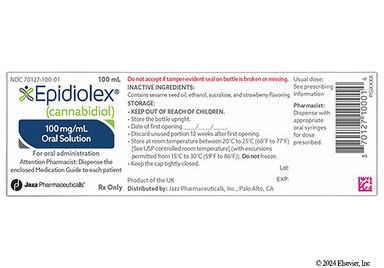
Epidiolex (cannabidiol) images