triamterene / hydrochlorothiazide
Maxzide (triamterene / hydrochlorothiazide) is made up of 2 different diuretics (water pills) used to treat high blood pressure and swelling (edema). This medication might be a good choice for someone whose potassium level is too low while taking hydrochlorothiazide on its own. The triamterene component can hep balance out the potassium loss. Maxzide (triamterene / hydrochlorothiazide) is taken by mouth, typically once daily. Some common side effects of this medication include headache, tiredness, and dizziness.


What is Maxzide (triamterene / hydrochlorothiazide)?
What is Maxzide (triamterene / hydrochlorothiazide) used for?
- High blood pressure
- Swelling
How Maxzide (triamterene / hydrochlorothiazide) works
Maxzide (triamterene / hydrochlorothiazide) is a combination medication:
-
Hydrochlorothiazide is a thiazide diuretic (water pill) that makes you urinate more. It works in your kidneys to remove extra water and certain electrolytes (like sodium and potassium), which helps lower your blood pressure and lessen swelling throughout your body.
-
Triamterene is a potassium-sparing diuretic (water pill). It also works in your kidneys to remove extra water and electrolytes, but it doesn't remove potassium from your body. This helps lower your blood pressure and swelling while preventing your blood potassium levels from dropping low.
Drug facts
| Common Brands | Maxzide, Maxzide-25 |
|---|---|
| Drug Class | Diuretic (water pill) |
| Controlled Substance Classification | Not a controlled medication |
| Generic Status | Lower-cost generic available |
| Availability | Prescription only |

Side effects of Maxzide (triamterene / hydrochlorothiazide)
The following side effects may get better over time as your body gets used to the medication. Let your healthcare provider know immediately if you continue to experience these symptoms or if they worsen over time.
Common Side Effects
- Headache
- Tiredness
- Dizziness
- Muscle cramps
Less Common Side Effects
- Dry mouth
- Blurred vision
- Nausea
- Vomiting
- Diarrhea
- Orthostatic hypotension - low blood pressure when you move from lying/sitting down to standing up
Maxzide (triamterene / hydrochlorothiazide) serious side effects
Contact your healthcare provider immediately if you experience any of the following.
- Serious skin reaction: fever, sore throat, skin pain, rash that spreads, blisters, peeling skin
- Dangerously high potassium levels: feeling that heart is racing, trouble breathing, chest pain, nausea, vomiting, weakness, tingling sensation
- High levels of acid in the blood (acidosis): confusion, fast heartbeat, feeling sick to your stomach, headache, tiredness
- Severe allergic reactions: severe rash, trouble breathing, closing of the throat
The following Maxzide (triamterene / hydrochlorothiazide) side effects have also been reported
Side effects that you should report to your care team as soon as possible:
- Allergic reactions—skin rash, itching, hives, swelling of the face, lips, tongue, or throat
- Dehydration—increased thirst, dry mouth, feeling faint or lightheaded, headache, dark yellow or brown urine
- Gout—severe pain, redness, warmth, or swelling in joints such as the big toe
- High potassium level—muscle weakness, fast or irregular heartbeat
- Kidney injury—decrease in the amount of urine, swelling of the ankles, hands, or feet
- Kidney stones—blood in the urine, pain or trouble passing urine, pain in the lower back or sides
- Low blood pressure—dizziness, feeling faint or lightheaded, blurry vision
- Sudden eye pain or change in vision, such as blurry vision, seeing halos around lights, vision loss
Side effects that usually do not require medical attention (report to your care team if they continue or are bothersome):
- Change in sex drive or performance
- Headache
- Upset stomach

Get your GoodRx coupon

Pros and cons of Maxzide (triamterene / hydrochlorothiazide)
Pros
- Great option if you need to take hydrochlorothiazide but have low potassium levels
- Can be taken by on its own or along with other blood pressure medications
- Conveniently combines two separate pills into one
- Available as a lower-cost generic form
- Can take with or without food
Cons
- Comes in fixed dosage strengths, so it's harder for your provider to adjust the doses of the individual medications
- No recommended in pregnancy
- Raises the risk of kidney stones in people who have had kidney stones
- Might cause an allergic reaction if you're allergic to sulfa medications
- Interacts with many other medications, some of which are available over-the-counter

Pharmacist tips for Maxzide (triamterene / hydrochlorothiazide)

- Maxzide (triamterene / hydrochlorothiazide) can make you urinate more often, so try to take the medication in the morning or afternoon. This effect can last for up to 12 hours, so take care to stay near a bathroom after your dose.
- Like many blood pressure medications, Maxzide (triamterene / hydrochlorothiazide) can cause dizziness the first few days you are taking it because your body isn't used to having lower blood pressure. Be careful when getting up from a lying down or seated position so you don't get too dizzy or fall.
- Avoid any task (e.g., driving or operating other machinery) that requires you to be alert until you know how you will respond to Maxzide (triamterene / hydrochlorothiazide). Side effects like dizziness and fainting are more common when you first start this medication or right after your provider raises your dose. Most people find these side effects get better or go away within a few weeks after starting Maxzide (triamterene / hydrochlorothiazide).
- Avoid using potassium supplements or salt substitutes that contain potassium while taking Maxzide (triamterene / hydrochlorothiazide) unless your healthcare provider or dietitian tells you to do so. This can cause high levels of potassium in your blood which can cause heart problems.
- Maxzide (triamterene / hydrochlorothiazide) makes your skin more sensitive to the sun and can cause you to sunburn more easily. This is also possible on overcast days and during the winter, so be sure to wear a hat and use a sunscreen with an SPF of at least 30 when you go outside.
- If any side effects (such as muscle cramps, diarrhea, changes in sexual performance) become too bothersome or makes it difficult to go about your day, please let your healthcare provider know. Together, you and your provider can decide if staying on Maxzide (triamterene / hydrochlorothiazide) is the best option to treat your condition.
- Make sure to tell your provider about your full medication history. If you have lupus, the hydrochlorothiazide in this medication can worsen your lupus or cause flares.
- It's very important to keep up with any regular blood tests your healthcare provider asks you to have done. This helps to makes sure Maxzide (triamterene / hydrochlorothiazide) isn't causing problems with your electrolytes or kidneys.

Risks and warnings for Maxzide (triamterene / hydrochlorothiazide)
Maxzide (triamterene / hydrochlorothiazide) can cause some serious health issues. This risk may be even higher for certain groups. If this worries you, talk to your doctor or pharmacist about other options.
High blood potassium levels
- Risk factors: Current kidney problems | Taking other medications that raise potassium levels| Taking potassium-based salt substitutes | Diabetes | Older adults
 Maxzide (triamterene / hydrochlorothiazide) can raise the level of potassium in your body. This can lead to serious, sometimes life-threatening, heart problems. You're at greater risk of having high potassium levels if you also have kidney problems, diabetes, or are taking other medications that raise potassium levels. Your healthcare provider will most likely order blood tests to check your potassium levels before you start Maxzide (triamterene / hydrochlorothiazide) and regularly throughout treatment to make sure your levels are within a safe range. If your levels are too high, your provider will likely switch you to a different medication. Let your provider know if you experience symptoms of high potassium levels, such as nausea, muscle weakness or tingling, and tiredness.
Fluid and electrolyte levels out of balance
- Risk factors: Kidney problems | Liver problems | Heart failure | Taking higher doses of Maxzide (triamterene / hydrochlorothiazide)
Maxzide (triamterene / hydrochlorothiazide) can affect the fluid and electrolyte levels in your body. Fluids and electrolytes are important in helping your body work properly. But when their levels are outside of their typical range, it can be dangerous. Let your provider know right away if you experience symptoms such as dizziness, weakness, muscle cramps, and fast heart rate.
Too much acid in the body (acidosis)
- Risk factors: Having a serious illness | Having higher potassium levels in the body
In rare cases, Maxzide (triamterene / hydrochlorothiazide) can cause too much acid to build up in your body. This can lead to problems with many organs in your body and can be life-threatening. Acid buildup is more likely to happen if you have a serious illness, such as sepsis. If you need to go to a hospital, always tell your healthcare providers you are taking Maxzide (triamterene / hydrochlorothiazide) so they can order blood tests to check for this rare but very serious side effect. Let your provider know if you experience symptoms of acid build up, such as tiredness or confusion.
Risk of coma (in people with serious liver problems)
- Risk factors: Liver problems
Let your provider know if you've any liver problems. In some very rare cases, Maxzide (triamterene / hydrochlorothiazide) can cause people with liver problems to go into a coma. If you notice a sudden bout of confusion, drowsiness, and tremors, talk to your healthcare provider right away, as these are the warning signs of a hepatic coma (a coma caused by liver damage). You will have to have a blood test done to check the health of your liver.
Severe allergic reactions
- Risk factors: History of sulfa allergies
There is a possibility that people with allergies to other sulfa-containing medications can experience similar allergic reactions (severe rash, trouble breathing) with the hydrochlorothiazide in Maxzide (triamterene / hydrochlorothiazide). Make sure you tell your healthcare provider if you have any medication allergies before you start taking Maxzide (triamterene / hydrochlorothiazide).
Gout
- Risk factors: History of gout | Family history of gout | Existing kidney problems
Maxzide (triamterene / hydrochlorothiazide) can raise uric acid levels in your body, which can cause or worsen gout. If you've had gout attacks before or you have problems with your kidneys, your risk is higher. Talk to your healthcare provider right away if you notice any of your joints become swollen, red, and painful.
Higher blood sugar levels
- Risk factors: Diabetes
Maxzide (triamterene / hydrochlorothiazide) might raise your blood sugars. If you have diabetes, be sure to check your blood sugar regularly. If you notice higher blood sugar readings than what's typical for you, please talk to your healthcare provider. Your provider might need to adjust your diabetes medications.
Vision problems (glaucoma)
- Risk factors: History of sulfa or penicillin allergies
Vision changes and/or eye pain can occur within hours to weeks of starting Maxzide (triamterene / hydrochlorothiazide) because of the hydrochlorothiazide. Tell your healthcare provider if you experience any vision changes or eye pain and stop the medication immediately. This can lead to permanent blindness if not treated right away.

Maxzide (triamterene / hydrochlorothiazide) dosage


How much does Maxzide (triamterene / hydrochlorothiazide) cost?

Maxzide (triamterene / hydrochlorothiazide) contraindications
Contraindications are specific health conditions or situations in which a person should not take a medication due to safety concerns. If you have any of the following conditions or if any of the following apply to you, let your healthcare provider know because Maxzide (triamterene / hydrochlorothiazide) will not be safe for you to take.
- Not able to urinate
- Kidney problems
- High potassium levels
- Taking with other medications that raise potassium (e.g., spironolactone, amiloride, or potassium supplements)

What are alternatives to Maxzide (triamterene / hydrochlorothiazide)?

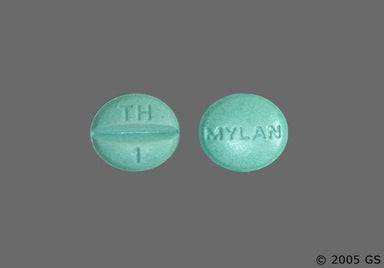
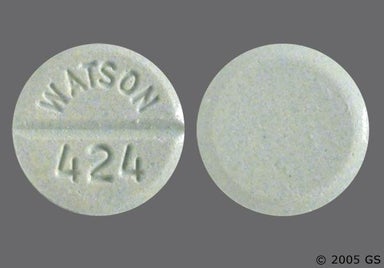
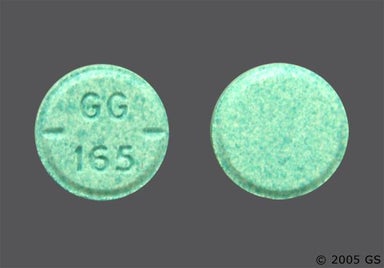
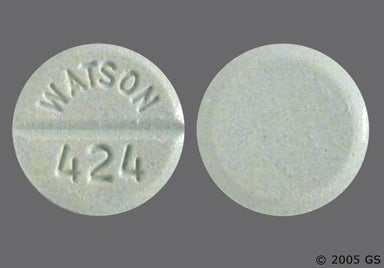
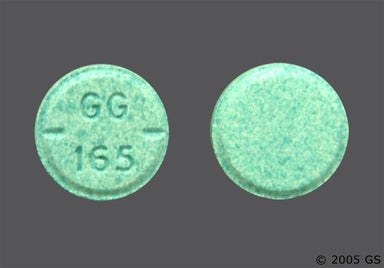
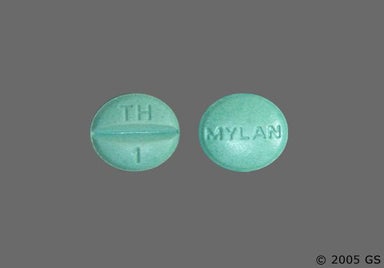
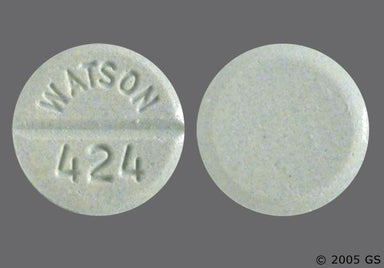
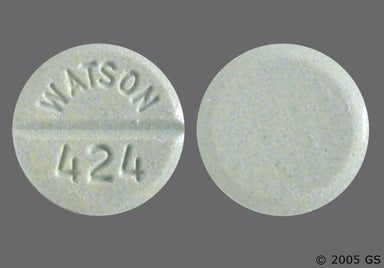
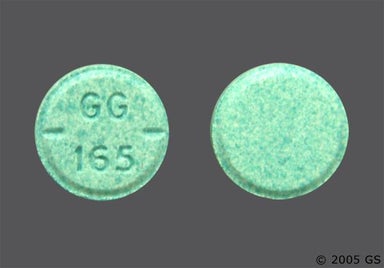
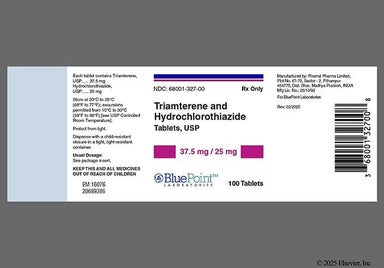
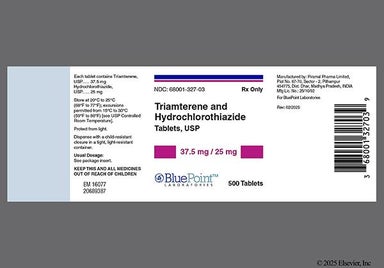
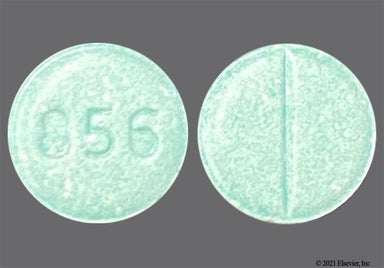
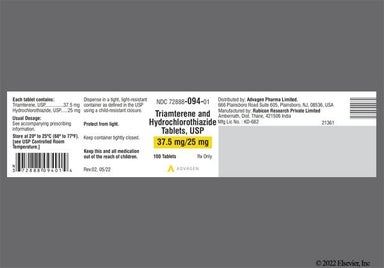
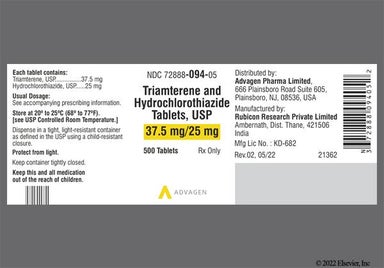
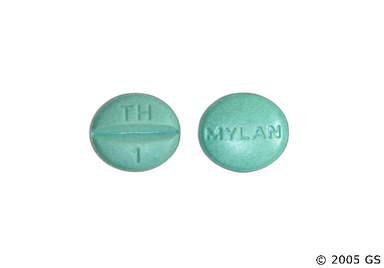
Maxzide (triamterene / hydrochlorothiazide) images