


Deeper GoodRx Discounts on Sildenafil, Oseltamivir, and More in April
For the month of April, GoodRx has found deeper discounts on drugs like prednisone, albuterol, and more at the major chain retail pharmacies.
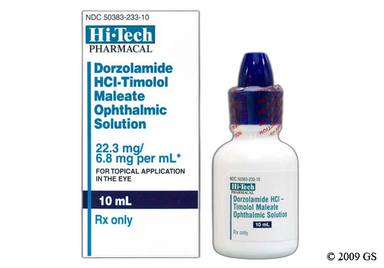
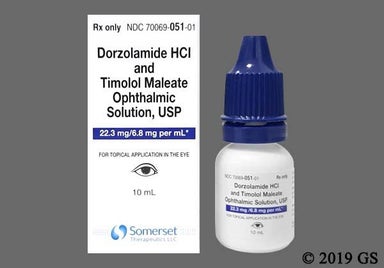
Cosopt is a combination ophthalmic drop (eye drop) medication that contains dorzolamide (a carbonic anhydrase inhibitor) and timolol (a beta blocker). It's used to lower eye pressure for certain people with glaucoma or high eye pressure. Typically, one drop of Cosopt (dorzolamide / timolol) is placed into the affected eye(s) twice a day. Common side effects of this medication include changes in taste, blurry vision, and itchy eyes. Cosopt (dorzolamide / timolol) is available as both brand name and generic medications. It comes in a multi-dose bottle, as well as single-use, preservative-free vials.

Cosopt (dorzolamide / timolol) is a combination of two medications that work together to lower eye pressure:
| Common Brands | Cosopt, Cosopt PF |
|---|---|
| Drug Class | Carbonic anhydrase inhibitor / Beta blocker |
| Controlled Substance Classification | Not a controlled medication |
| Generic Status | Lower-cost generic available |
| Availability | Prescription only |

The following side effects may get better over time as your body gets used to the medication. Let your healthcare provider know immediately if you continue to experience these symptoms or if they worsen over time.
Contact your healthcare provider immediately if you experience any of the following.
Along with its needed effects, a medicine may cause some unwanted effects. Although not all of these side effects may occur, if they do occur they may need medical attention.
Check with your doctor immediately if any of the following side effects occur:
More common
Blurred vision
burning or stinging of the eye (when medicine is applied)
feeling of something in the eye
itching of the eye
redness of the eye and lining of the eyelid
sensitivity of the eyes to light
Less common
Back, abdominal, or stomach pain
change in vision
coughing, shortness of breath, troubled breathing, tightness in the chest, or wheezing
discharge from the eye
dizziness
eye or eyelid pain, swelling, discomfort, or irritation
increased blood pressure
increased frequency of urination or painful urination
itching of the eyelid
seeing flashes or sparks of light
seeing floating spots before the eyes
swelling of lining of the eyelid
tiny bumps on lining of the eyelid
Rare
Blistering, peeling, or loosening of the skin
blood in the urine
blue lips, fingernails, or skin
chest pain or discomfort
chills
difficult or troubled breathing
fainting
headache or weakness, severe and sudden
irregular, fast or slow, or shallow breathing
joint or muscle pain
lightheadedness
mental depression
nausea or vomiting
pain, numbness, tingling, or burning feeling in the hands or feet
red, irritated eyes
red skin lesions, often with a purple center
shortness of breath
skin rash
slow or irregular heartbeat
sores, ulcers, or white spots in the mouth or on the lips
sweating
unusual tiredness or weakness
Get emergency help immediately if any of the following symptoms of overdose occur:
Some side effects may occur that usually do not need medical attention. These side effects may go away during treatment as your body adjusts to the medicine. Also, your health care professional may be able to tell you about ways to prevent or reduce some of these side effects. Check with your health care professional if any of the following side effects continue or are bothersome or if you have any questions about them:
More common
Bitter, sour, or unusual taste
Less common
crusting or scales on eyelid
dryness of the eyes
indigestion or upset stomach
stuffy or runny nose
tearing of the eye
Rare
Burning, crawling, itching, numbness, prickling, "pins and needles", or tingling feelings
Other side effects not listed may also occur in some patients. If you notice any other effects, check with your healthcare professional.
Call your doctor for medical advice about side effects. You may report side effects to the FDA at 1-800-FDA-1088.




Cosopt (dorzolamide / timolol) can cause some serious health issues. This risk may be even higher for certain groups. If this worries you, talk to your doctor or pharmacist about other options.
Cosopt (dorzolamide / timolol) contains timolol, which can rarely cause the vessels in your lung to tighten. This can make breathing difficult, especially in people with breathing problems, like asthma. This problem is very rare with Cosopt (dorzolamide / timolol) because it's used in your eyes and it's not absorbed into your blood in a large amount. To be safe, make sure your eye specialist knows about your full medical history before starting this medication. Your eye specialist will start you on the lowest dose possible that works well for you.
Taking beta blockers might lead to heart failure or worsen heart failure in people who already have it. This is because beta blockers can slow down your heart, which leads to your heart muscle not pumping as often.
Cosopt contains timolol, a beta blocker. It's unclear whether using a beta blocker eye drop carries the same risk of heart failure as taking an oral beta blocker. But there's a chance that people with heart failure might not be able to use Cosopt (dorzolamide / timolol) if their symptoms aren’t well-managed. Discuss with your eye specialist before starting Cosopt (dorzolamide / timolol) if you've a history of heart failure. Let your eye specialist know right away if you experience symptoms such as trouble breathing, tiredness, swelling in your body, or sudden weight gain. They might ask you to stop this medication
Severe allergic reactions to Cosopt (dorzolamide / timolol) are possible, including life-threatening reactions, like facial swelling and anaphylaxis. Let your eye specialist know if you have a sulfa allergy. If you notice hives, rash, swelling of the lips or tongue, or difficulty breathing after using Cosopt (dorzolamide / timolol), get medical attention right away.
Although rare, Cosopt (dorzolamide / timolol) can also cause serious skin reactions, such as Stevens-Johnson syndrome (SJS) and Drug Reaction with Eosinophilia and Systemic Symptoms (DRESS syndrome). If you notice changes in your skin, such as rash, blisters, skin reddening, or skin peeling, stop using Cosopt (dorzolamide / timolol) and get medical attention right away.
Taking oral beta blockers can make it difficult for you to identify some symptoms of low blood sugar, such as fast heartbeat or tremors. This means you might not be able to rely on all the typical symptoms of low blood sugar to warn you of a dangerous drop in your sugar levels. Sweating might be the only symptom not affected by taking Cosopt (dorzolamide / timolol).
Cosopt contains timolol, a beta blocker. But it's unclear whether timolol in eye drops will mask low blood sugar symptoms to the same degree as an oral beta blocker. If you've diabetes, speak with your endocrinologist about how often to monitor your blood sugar once you start Cosopt (dorzolamide / timolol).
If you have hyperthyroidism (overactive thyroid), don't suddenly stop taking Cosopt (dorzolamide / timolol) without first talking to your eye specialist. Doing so might lead to a condition called a "thyroid storm,” which include symptoms such as a high temperature, rapid heartbeat, and fainting. Get medical attention right away if you've these symptoms.
If you're planning to undergo a major surgery requiring anesthesia, tell your surgeon that you're using Cosopt (dorzolamide / timolol). Beta-blockers, such as timolol in Cosopt (dorzolamide / timolol), might raise the risk of side effects, such as changes in heartbeat or low blood pressure, from anesthesia. If you've been using it for a while, your surgeon might not ask you to stop it, but they'll need to monitor your heart closely during your procedure.
Cosopt (dorzolamide / timolol) contains dorzolamide, which raises the risk of cornea (the protective covering on the front of the eye) swelling. If you've ever been told that your cornea is thin or has a low number of cells, you might be at risk for this side effect. Talk to your eye specialist before starting Cosopt (dorzolamide / timolol).
Cosopt (dorzolamide / timolol) might cause or worsen inflammation of the eyes. Your risk of eye inflammation and infection is higher if you're using multiple-dose eye drops or have had an eye infection during treatment with this medication. Let your eye specialist know if you have symptoms of red, itchy, or painful eyes. Ask them if you should continue to use Cosopt (dorzolamide / timolol) while your eyes are inflamed. Consider using the preservative-free version of Cosopt (dorzolamide / timolol) if you've frequent eye infection.
Though extremely rare, some people using Cosopt (dorzolamide / timolol) have reported muscle weakness in or around the eyes that have led to droopy eyelids or double vision. Let your eye specialist know right away if you experience these symptoms.

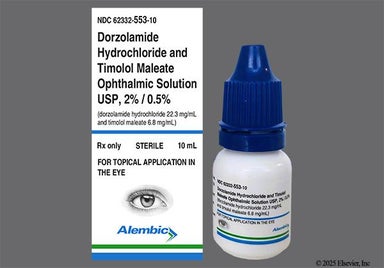
 Eye dropper
| Dosage | Quantity | Price as low as | Price per unit |
|---|---|---|---|
| 10ml of 2%/0.5% | 1 eye dropper | $16.03 | $16.03 |

Although certain medicines should not be used together at all, in other cases two different medicines may be used together even if an interaction might occur. In these cases, your doctor may want to change the dose, or other precautions may be necessary. When you are taking this medicine, it is especially important that your healthcare professional know if you are taking any of the medicines listed below. The following interactions have been selected on the basis of their potential significance and are not necessarily all-inclusive.
Using this medicine with any of the following medicines is usually not recommended, but may be required in some cases. If both medicines are prescribed together, your doctor may change the dose or how often you use one or both of the medicines.
Using this medicine with any of the following medicines may cause an increased risk of certain side effects, but using both drugs may be the best treatment for you. If both medicines are prescribed together, your doctor may change the dose or how often you use one or both of the medicines.


Contraindications are specific health conditions or situations in which a person should not take a medication due to safety concerns. If you have any of the following conditions or if any of the following apply to you, let your healthcare provider know because Cosopt (dorzolamide / timolol) will not be safe for you to take.

Treatment of high pressure in the eye in people ages 2 years and older with:


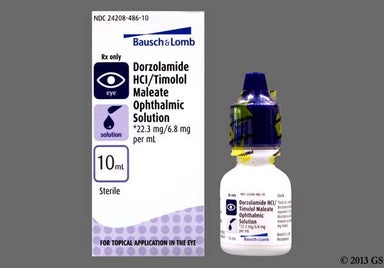
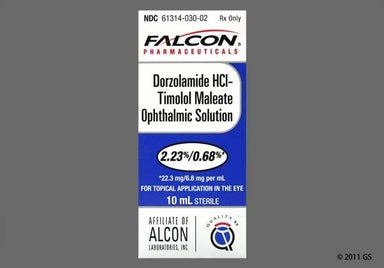
Prescription savings
Stop paying too much for your prescriptions. Compare prices, get pharmacy coupons, and save up to 80%.Resources
About GoodRx
 Find expert answers to your health questions so you can make the best decisions for yourself and your family.
Health conditions
Medications & treatment
Access & affordability
Well-being
Medication discounts

Your eye specialist will let you know how long you need to use Cosopt. Typically, this depends on how well Cosopt works to lower your eye pressure and whether you're experiencing any serious side effects. In most eye conditions, such as glaucoma), your eye specialist might ask you to use this medication every day to keep your eye pressure under control. But let your care team know right away if you experience side effects, such as eye pain or swelling. Depending on your symptoms, they might ask you to stop Cosopt.
When you start Cosopt, your eye specialist will check your eye pressure regularly to see whether this medication is working for you. One study showed that people who used the eye drops consistently had lower eye pressure at the 6-week check point. Keep in mind that Cosopt works best when it's used regularly in the affected eye(s) two times daily. Missing a dose or using this medication not as directed can cause Cosopt to not work as well. Your eye specialist will let you know how often you should come in for eye exams.
Though rare, few people have reported lower blood pressure after starting Cosopt. But it's unclear whether the low blood pressure was caused by Cosopt or by other factors. Cosopt contains timolol, a beta blocker. Typically, beta blockers can lower blood pressure. But because Cosopt drops are placed in the eyes, it might not have as noticeable of an effect on blood pressure compared to timolol that's taken by mouth. Talk with your eye specialist if you're concerned about how Cosopt might affect blood pressure.
No, Cosopt doesn't need to be refrigerated. You can store this medication at room temperature in the original container or pouch. Make sure to protect Cosopt from light, since long exposure to heat and light can cause it to not work as well.
An opened multi-dose bottle of Cosopt can be used until the expiration date on the bottle. Each Cosopt preservative-free vial should only be used once and thrown away. This is because the vials don't have preservatives, which have a higher risk of contamination. Once a pouch of preservative-free vials is opened, store the remaining vials in the foil pouch and throw them away after 15 days.
Cosopt is available in both preservative-free and multi-dose formulations. Preservative ingredients in eye drop medications can sometimes cause serious eye irritation, especially if you use them for a long time. If you're sensitive to preservatives, such as benzalkonium chloride, the preservative-free formulation might be less likely to cause eye discomfort. Speak to your eye specialist if preservative-free formulation best fits your needs.
Cosopt and Combigan (brimonidine / timolol) are both eye drop medications to treat high eye pressure in certain people with glaucoma, but they aren't the same. While both eye drops contain timolol, Cosopt also contains dorzolamide (a carbonic anhydrase inhibitor) and Combigan contains brimonidine (an alpha agonist). Cosopt is available in both preservative-free vials (each vial can be used once) and multi-dose bottles (each bottle can be used multiple times). Combigan is only available in multi-dose bottles. Both medications are available by prescription from your eye specialist and have lower-cost generics. Talk with your eye specialist if you've more questions about Cosopt and Combigan.
