


The Links Between Menopause and Depression
Menopause can increase a woman’s risk of developing depression. Learn about causes, risk factors, and treatment options for menopause-related depression.
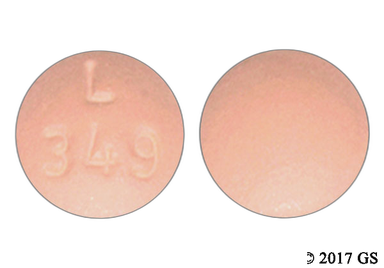
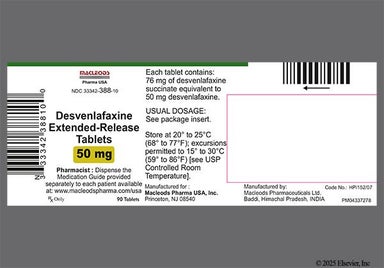
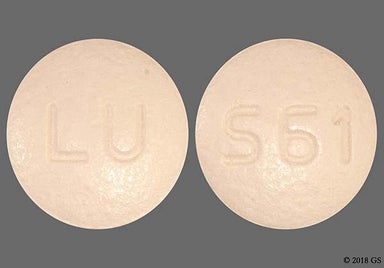
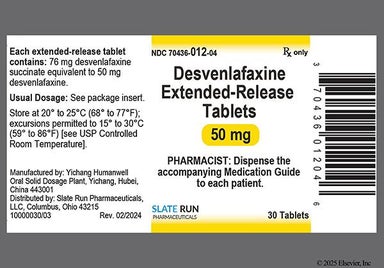
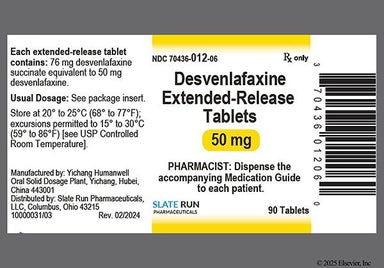
Desvenlafaxine (Pristiq) is a medication used to treat depression in adults. It's only available as a tablet that's typically taken once a day. This medication can raise your blood pressure, so it might not be the best choice if you have uncontrolled high blood pressure or heart problems.

Desvenlafaxine (Pristiq) is a serotonin and norepinephrine reuptake inhibitor (SNRI). It raises serotonin and norepinephrine activity in the brain. These two natural chemicals help regulate your mood.
| Common Brands | Pristiq |
|---|---|
| Drug Class | SNRI |
| Controlled Substance Classification | Not a controlled medication |
| Generic Status | Lower-cost generic available |
| Availability | Prescription only |

The following side effects may get better over time as your body gets used to the medication. Let your healthcare provider know immediately if you continue to experience these symptoms or if they worsen over time.
Contact your healthcare provider immediately if you experience any of the following.
Along with its needed effects, a medicine may cause some unwanted effects. Although not all of these side effects may occur, if they do occur they may need medical attention.
Check with your doctor immediately if any of the following side effects occur:
Less common
Chills
cold sweats
confusion
dizziness, faintness, or lightheadedness when getting up suddenly from a lying or sitting position
fast, pounding, or irregular pulse
headache
numbness or tingling in the arms or legs
shakiness in the legs, arms, hands, or feet
trouble thinking, speaking, or walking
weakness
Incidence not known
Blistering, peeling, or loosening of the skin
blood in the stool or urine
chest tightness, discomfort, or pain
dark urine
dilated or enlarged pupils (black part of the eye)
dizziness
feeling irritated
fainting
fast, irregular, or pounding heartbeat
hoarseness
indigestion
joint pain, stiffness, or swelling
large, hive-like swelling on the face, eyelids, lips, tongue, throat, hands, legs, feet, or genitals
loss of appetite
loss of bladder control
muscle spasm or jerking of all extremities
nosebleeds
pains in the stomach, side, or abdomen, possibly radiating to the back
red skin lesions, often with a purple center
red, irritated eyes
red skin
seizures
sores, ulcers, or white spots in the mouth or on the lips
sudden loss of consciousness
swelling of the eyelids, face, lips, hands, or feet
talking, feeling, or acting with excitement
trouble breathing or swallowing
unusual bruising
unusual tiredness or weakness
vomiting
vomiting blood
yellow eyes or skin
Get emergency help immediately if any of the following symptoms of overdose occur:
Symptoms of overdose
Agitation
dark urine
feeling of constant movement of self or surroundings
irregular heartbeat recurrent
light-colored stools
muscle cramp or stiffness
overactive reflexes
poor coordination
restlessness
seizures
sensation of spinning
shivering
stomach pain
vomiting
yellow eyes or skin
Some side effects may occur that usually do not need medical attention. These side effects may go away during treatment as your body adjusts to the medicine. Also, your health care professional may be able to tell you about ways to prevent or reduce some of these side effects. Check with your health care professional if any of the following side effects continue or are bothersome or if you have any questions about them:
More common
Decreased appetite
inability to have an orgasm
inability to have or keep an erection
increased sensitivity of the eyes to light
loss of sexual ability, desire, drive, or performance
sleepiness or unusual drowsiness
trouble sleeping
Less common
Change in taste
continuous ringing, buzzing, or other unexplained noise in the ears
decreased weight
difficult urination
fear or nervousness
hearing loss
jitteriness
lack or loss of strength
loss of taste
Other side effects not listed may also occur in some patients. If you notice any other effects, check with your healthcare professional.
Call your doctor for medical advice about side effects. You may report side effects to the FDA at 1-800-FDA-1088.




Desvenlafaxine (Pristiq) can cause some serious health issues. This risk may be even higher for certain groups. If this worries you, talk to your doctor or pharmacist about other options.
 Desvenlafaxine (Pristiq) can raise the risk of suicidal thoughts or behavior. The risk is highest if you're 24 years or younger. Watch for worsening depression or suicidal thoughts or behavior, especially during the first few months of treatment or when your dose changes. Let your healthcare provider know right away if you or a loved one notices any unusual changes in mood or behavior while you're taking this medication.
In some rare cases, desvenlafaxine (Pristiq) can cause a potentially life-threatening condition called serotonin syndrome. This condition happens when there's too much serotonin in the brain. Serotonin is one of the chemicals in your brain that's responsible for your mood. Your risk for this condition goes up if you take desvenlafaxine (Pristiq) with other medications that raise serotonin levels (e.g., certain antidepressants, certain migraine medications, St. John's wort). Tell your pharmacist about all your prescriptions and over-the-counter products you take before starting desvenlafaxine (Pristiq) so they can check for any interactions. Symptoms of too much serotonin include a fast heart rate, sweating, muscle stiffness or spasms, fever, and confusion. Tell your healthcare provider or seek medical help right away if you have any of these symptoms.
Desvenlafaxine (Pristiq) can cause a rise in blood pressure. If you already have high blood pressure, talk to your provider to make sure that it's safe for you to take desvenlafaxine (Pristiq) before starting this medication. It's recommended that you regularly check your blood pressure at home during treatment. If you notice that your blood pressure is consistently high for a long period of time while taking desvenlafaxine (Pristiq), let your provider know. You might have to take a lower dose or stop taking this medication altogether.
Desvenlafaxine (Pristiq) can raise your risk of bleeding or bruising, especially if you're also taking blood-thinning medications like aspirin, warfarin (Coumadin), or nonsteroidal anti-inflammatory drugs (NSAIDs). Tell your healthcare provider about any bruising that doesn't improve, black-colored stools, pink or red urine, or unusual bleeding from the nose or gums. If you're taking blood thinners or other clot-preventing medications, your provider will likely want to follow up with you more often when starting, changing the dose of, or stopping desvenlafaxine (Pristiq).
Desvenlafaxine (Pristiq) can worsen certain eye conditions in some people, especially in those with narrow-angle glaucoma. If you notice any changes to your vision while taking desvenlafaxine (Pristiq), let your provider and eye care professional know right away.
Sometimes, depression is the first symptom of bipolar disorder. Treating someone with bipolar disorder with an antidepressant alone can cause a manic episode (great excitement, euphoria, delusions, and overactivity). Your provider will make sure that you don't have bipolar disorder before prescribing desvenlafaxine (Pristiq).
Stopping desvenlafaxine (Pristiq) suddenly can cause withdrawal symptoms, such as nausea, anxiety, distress, flu-like symptoms, trouble sleeping, and dizziness. Your provider will help you to lower your dose of desvenlafaxine (Pristiq) so you can stop the medication safely and slowly. Never try to stop desvenlafaxine (Pristiq) on your own and without the supervision of a healthcare provider.
Some people have reported getting seizures while taking desvenlafaxine (Pristiq). Let your healthcare provider know if you have or have had seizure problems before you start desvenlafaxine (Pristiq). They might want to follow up with you more closely during treatment.
Very rarely, desvenlafaxine (Pristiq) can reduce the sodium levels in the blood. You might be at higher risk if you're older than 65 years of age or if you're taking diuretics ("water pills"). Tell your healthcare provider right away if you experience any symptoms of low sodium levels during treatment, including weakness, confusion, difficulty concentrating, headache, or memory problems while taking this medication.
In some rare cases, people taking desvenlafaxine (Pristiq) developed lung problems and pneumonia. These problems could lead to long-term lung problems or lung damage. Contact your healthcare provider if you experience an unexplained cough, difficulty breathing that seems to get worse over time, or an uncomfortable feeling in your chest at any point while taking desvenlafaxine (Pristiq). Your provider will want to check your lungs to see what's going on.

 Tablet
| Dosage | Quantity | Price as low as | Price per unit |
|---|---|---|---|
| 50mg | 30 tablets | $23.08 | $0.77 |
| 100mg | 30 tablets | $26.86 | $0.90 |
| 25mg | 30 tablets | $27.21 | $0.91 |
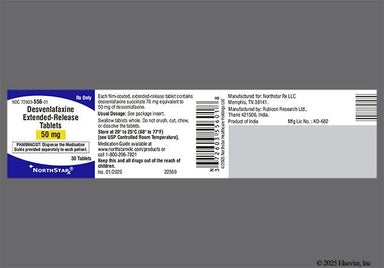
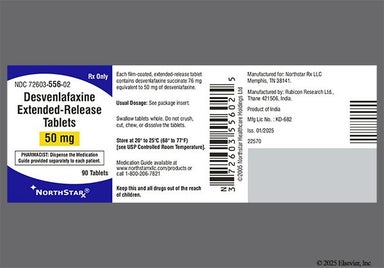
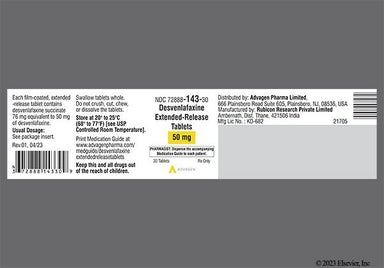
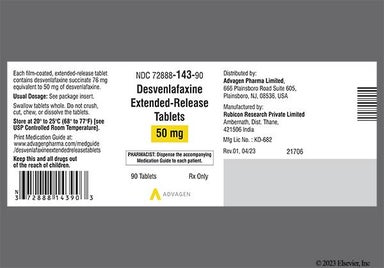
The typical dose is 50 mg by mouth once a day with or without food.
Your dose might differ if you have kidney problems.

Although certain medicines should not be used together at all, in other cases two different medicines may be used together even if an interaction might occur. In these cases, your doctor may want to change the dose, or other precautions may be necessary. When you are taking this medicine, it is especially important that your healthcare professional know if you are taking any of the medicines listed below. The following interactions have been selected on the basis of their potential significance and are not necessarily all-inclusive.
Using this medicine with any of the following medicines is not recommended. Your doctor may decide not to treat you with this medication or change some of the other medicines you take.
Using this medicine with any of the following medicines is usually not recommended, but may be required in some cases. If both medicines are prescribed together, your doctor may change the dose or how often you use one or both of the medicines.


Contraindications are specific health conditions or situations in which a person should not take a medication due to safety concerns. If you have any of the following conditions or if any of the following apply to you, let your healthcare provider know because Desvenlafaxine (Pristiq) will not be safe for you to take.











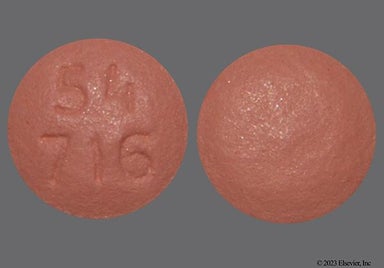

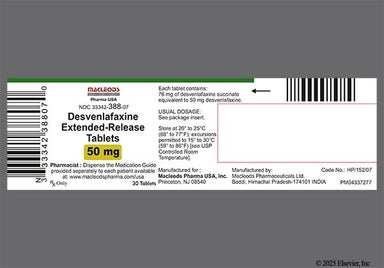


Prescription savings
Stop paying too much for your prescriptions. Compare prices, get pharmacy coupons, and save up to 80%. Find expert answers to your health questions so you can make the best decisions for yourself and your family.
Health conditions
Medications & treatment
Access & affordability
 Our monthly healthcare membership can help you save thousands on your prescription costs.
Resources

In studies of people with depression, those who took Desvenlafaxine Succinate ER for 8 weeks had less severe symptoms of depression compared to people who took a placebo. But keep in mind that your response to the medication can vary depending on many things, and it can take several weeks before you feel its full effects. Follow up with your provider regularly to discuss how well Desvenlafaxine Succinate ER is working for you.
While weight gain is possible from Desvenlafaxine Succinate ER, it's very unlikely. In studies, people taking Desvenlafaxine Succinate ER for depression generally didn't have notable changes in their weight (possible weight loss of about 1 lb). If you notice significant changes in your weight during treatment with Desvenlafaxine Succinate ER, speak with your provider.
You can take Desvenlafaxine Succinate ER at any time during the day, but try to take it at the same time every day. This will help keep the amount of medication consistent in your body. If the medication makes you feel dizzy, try taking it at bedtime.
No. Desvenlafaxine Succinate ER is a serotonin and norepinephrine reuptake inhibitor (SNRI), which is a type of antidepressant. While both antidepressants and antipsychotics can be used for mental health problems like depression, they work on different chemicals in your brain to change your mood or behavior. In addition, Desvenlafaxine Succinate ER is a first-choice medication for depression, while certain antipsychotics like aripiprazole (Abilify) are typically added onto treatment when antidepressant medications aren't enough to improve your mood.
If you're pregnant or thinking of becoming pregnant, speak to your provider about the risks and benefits of taking Desvenlafaxine Succinate ER. Discuss with them about the best treatment options for your depression during pregnancy. Taking Desvenlafaxine Succinate ER in the third trimester of pregnancy can be harmful to your baby because it can cause your newborn baby to have withdrawal symptoms from the medication. Some problems include difficulty eating and breathing, seizures, unstable body temperatures, and constant crying. There's a National Pregnancy Registry for Antidepressants that collects health information about the safety of certain medications during pregnancy. If you're currently pregnant and taking Desvenlafaxine Succinate ER, it's encouraged that you enroll in the registry.
