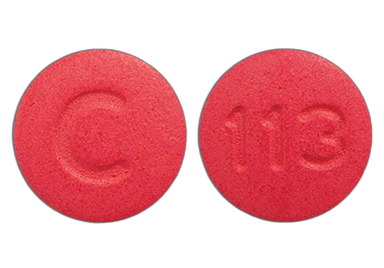
demeclocycline
Demeclocycline is an antibiotic that treats many types of bacterial infections, but it's not commonly used because it can cause many side effects.


What is Demeclocycline?
What is Demeclocycline used for?
- Rickettsial infections (caused by ticks, mites, fleas, or lice), like rocky mountain spotted fever, typhus fever, Q fever, rickettsialpox, and tick fevers
- Respiratory tract infections
- Sexually transmitted infections like chlamydia, chancroid, granuloma inguinale, and syphilis
- Urinary tract infections
- Skin infections, like yaws and actinomycosis
- Anthrax
- Eye infections, like as trachoma and inclusion conjunctivitis
- Infections from contaminated food or water, like cholera, campylobacter fetus infections, clostridial diseases, and listeria
- Infections caused by insects (e.g., lice, ticks, flies, fleas) or animals, like relapsing fever, plague, tularemia, brucellosis, bartonellosis, and psittacosis
- Mouth and gum infection called Vincent's infection
- Add-on treatment for stomach infections like acute intestinal amebiasis
- Add-on treatment for severe acne
How Demeclocycline works
Demeclocycline is a tetracycline antibiotic that prevents bacteria from making certain proteins they need for growth. This stops bacteria from growing and spreading in your body.
Drug facts
| Common Brands | Declomycin (no longer available) |
|---|---|
| Drug Class | Tetracycline antibiotic |
| Controlled Substance Classification | Not a controlled medication |
| Generic Status | Lower-cost generic available |
| Availability | Prescription only |

Side effects of Demeclocycline
The following side effects may get better over time as your body gets used to the medication. Let your healthcare provider know immediately if you continue to experience these symptoms or if they worsen over time.
Common Side Effects
- Diarrhea
- Stomach pain
- Nausea
- Vomiting
- Teeth discoloration in children
- Sunburns
Less Common Side Effects
- Liver problems
- Ulcers in esophagus (tube connecting your throat and stomach)
- Skin rash
- Darkening of the skin
- Skin lesions on the penis
- Ringing in your ears
- Changes in vision
- Headache
- Dizziness
- Loss of appetite
- Tongue swelling
- Trouble swallowing
Demeclocycline serious side effects
Contact your healthcare provider immediately if you experience any of the following.
- Serious skin reactions: hives, swelling of the skin, joint pain, swelling of the blood vessels, swelling of the heart, lupus-like conditions, difficulty breathing due to lung problems
- Sudden kidney problems: shortness of breath, tiredness, confusion, nausea, weakness, abnormal heartbeat, swelling in legs, ankles, or feet
- High pressure in the brain: bulging in the soft spot in your baby's head (fontanel), dizziness, headache, ringing in the ear, blurred vision
- Severe diarrhea caused by a bacteria called C. difficile: severe diarrhea, fever, stomach pain, loss of appetite, throwing up
- Serious allergic reactions: trouble breathing, hives, swelling of your face, lips, tongue, or throat
The following Demeclocycline side effects have also been reported
Along with its needed effects, a medicine may cause some unwanted effects. Although not all of these side effects may occur, if they do occur they may need medical attention.
Check with your doctor as soon as possible if any of the following side effects occur:
For all tetracyclines
More common
Increased sensitivity of skin to sunlight (rare with minocycline)
Rare
Abdominal pain
bulging fontanel (soft spot on head) of infants
headache
loss of appetite
visual changes
yellowing skin
For demeclocycline only
Less common
Greatly increased frequency of urination or amount of urine
increased thirst
unusual tiredness or weakness
For minocycline only
Less common
Pigmentation (darker color or discoloration) of skin and mucous membranes
Some side effects may occur that usually do not need medical attention. These side effects may go away during treatment as your body adjusts to the medicine. Also, your health care professional may be able to tell you about ways to prevent or reduce some of these side effects. Check with your health care professional if any of the following side effects continue or are bothersome or if you have any questions about them:
For all tetracyclines
For minocycline only
More common
Dizziness, light-headedness, or unsteadiness
In some patients tetracyclines may cause the tongue to become darkened or discolored. This effect is only temporary and will go away when you stop taking this medicine.
Other side effects not listed may also occur in some patients. If you notice any other effects, check with your healthcare professional.
Call your doctor for medical advice about side effects. You may report side effects to the FDA at 1-800-FDA-1088.

Pros and cons of Demeclocycline
Pros
- Available as a lower-cost generic medication
- Can be used as an alternative for some infections if you're allergic to penicillin
- Absorbs well into body fluids and tissues
Cons
- Not for people under 8 years old
- Can make your skin sensitive to the sun and raise your risk of sunburns
- Affects children's teeth and bone growth

Pharmacist tips for Demeclocycline

- Take demeclocycline at least 1 hour before or 2 hours after meals so the medication can be absorbed properly.
- Don't stop taking demeclocycline even if you feel better because it might make the medication less effective. Continue to take this medication as directed by your provider to make sure your infection gets treated properly.
- Demeclocycline can cause headaches, dizziness, lightheadedness, problems with balance, and blurred vision. Be careful driving a car or operating machinery until you know how this medication affects you.
- Demeclocycline can make your skin more sensitive to the sun. Avoid direct sunlight and staying out in the sun for long periods of time. Make sure to use sunscreen when going out to prevent sunburns. Stop taking the medication and contact your provider if your skin gets more red than usual.
- Demeclocycline can pass into your breastmilk and affect your baby's bone development and teeth. Let your provider know if you're breastfeeding. They will help you decide if you should take a different medication or stop breastfeeding while taking demeclocycline.
- Let your provider know if you have diarrhea that won't go away, even after you stop taking demeclocycline. This could be a sign of another infection.
- Let your provider know if you're taking other medications that can interact with demeclocycline, such as blood thinners, birth control pills, methoxyflurane, or antacids.

Risks and warnings for Demeclocycline
Demeclocycline can cause some serious health issues. This risk may be even higher for certain groups. If this worries you, talk to your doctor or pharmacist about other options.
Harm to your unborn baby
- Risk factors: Currently pregnant or planning to become pregnant | Premature babies | Children who are not done growing
Tetracyclines, including demeclocycline, can harm your unborn baby by slowing down the development of their bones. This can lead to birth defects. Let your provider know if you are pregnant or planning to become pregnant so they can help you find a safer treatment. Premature babies who take demeclocycline can also experience slower bone growth. This effect will go away once your baby stops taking demeclocycline.
Teeth color changes
- Risk factors: Currently pregnant in the second half of your pregnancy | Age under 8 years | Taking demeclocycline for a long time
Demeclocycline can permanently discolor teeth to a yellow, gray, or brown color if it's taken by women during the second half of their pregnancy or by children under 8 years old. Sometimes, demeclocycline can also affect the enamel (outer covering of the teeth) and weaken the teeth. Pregnant women and young children shouldn't take demeclocycline unless no other medications are available.
Sensitivity to sunlight
- Risk factors: Skin conditions | Being out in the sun
Demeclocycline can make your skin more sensitive to sunlight, which can make it easier for you to get a severe sunburn. Wear protective clothing and use sunscreen when going outside, and don't stay in the sun for too long. If your skin gets more red than normal, speak to your provider about potentially stopping this medication.
Kidney and liver damage
- Risk factors: Kidney problems
Demeclocycline can buildup in your body if you have kidney problems. This can lead to liver problems and further damage to your kidneys. If you have kidney disease, your provider will likely prescribe a lower dose of demeclocycline to prevent this from happening.
Symptoms of diabetes
- Risk factors: Taking demeclocycline long term
Some people who take demeclocycline for a long time can experience symptoms similar to diabetes, such as producing too much urine (polyuria), feeling extremely thirsty (polydipsia), and feeling weak. These symptoms are caused by an imbalance of water and they are dependent on the dose of demeclocycline, but they usually go away once the medication is stopped.
Severe diarrhea
- Risk factors: Age 65 years or older | Recent hospital stay | Weakened immune system | Previous C. diff infection
Demeclocycline can cause mild to severe diarrhea because it gets rid of the good bacteria in your gut. In rare cases, the diarrhea is severe and is caused by a bacteria called Clostridium difficile (or C. diff). C. diff infections are contagious, hard to treat, and can be life-threatening. Let your provider know if you experience symptoms such as severe diarrhea, fever, stomach pain, loss of appetite, or throwing up.
High pressure in the brain (intracranial hypertension)
Demeclocycline can raise the pressure in your brain. This can cause headaches and blurred vision. Although this usually goes away when the medication is stopped, there's a chance it can cause permanent damage. Let your provider know right away if you get a headache or have any changes in your vision.
New infection
There's a chance that you can get a new infection from other bacteria or fungi that are resistant to demeclocycline. Let your provider know if you notice symptoms of a new infection or if your current infection is not improving after taking demeclocycline.

Demeclocycline dosage


Interactions between Demeclocycline and other drugs
Although certain medicines should not be used together at all, in other cases two different medicines may be used together even if an interaction might occur. In these cases, your doctor may want to change the dose, or other precautions may be necessary. When you are taking any of these medicines, it is especially important that your healthcare professional know if you are taking any of the medicines listed below. The following interactions have been selected on the basis of their potential significance and are not necessarily all-inclusive.
Using medicines in this class with any of the following medicines is not recommended. Your doctor may decide not to treat you with a medication in this class or change some of the other medicines you take.
- Acitretin
- Methoxyflurane
Using medicines in this class with any of the following medicines is usually not recommended, but may be required in some cases. If both medicines are prescribed together, your doctor may change the dose or how often you use one or both of the medicines.
- Abametapir
- Acenocoumarol
- Amoxicillin
- Ampicillin
- Apixaban
- Ardeparin
- Argatroban
- Ascorbic Acid
- Atazanavir
- Bacampicillin
- Betrixaban
- Bexarotene
- Bivalirudin
- Carbamazepine
- Certoparin
- Cholera Vaccine, Live
- Cloxacillin
- Dabigatran Etexilate
- Dalteparin
- Danaparoid
- Desirudin
- Desogestrel
- Dicloxacillin
- Dienogest
- Digoxin
- Drospirenone
- Edoxaban
- Enoxaparin
- Enzalutamide
- Estradiol
- Ethinyl Estradiol
- Ethynodiol
- Etretinate
- Fondaparinux
- Fosphenytoin
- Gestodene
- Heparin
- Isotretinoin
- Lepirudin
- Levonorgestrel
- Lumacaftor
- Mestranol
- Methicillin
- Methotrexate
- Methoxyflurane
- Mitotane
- Nafcillin
- Nomegestrol
- Norethindrone
- Norgestimate
- Norgestrel
- Oxacillin
- Parnaparin
- Penicillin G
- Penicillin G Benzathine
- Penicillin G Procaine
- Penicillin V
- Phenindione
- Phenprocoumon
- Phenytoin
- Piperacillin
- Pivampicillin
- Porfimer
- Protein C
- Reviparin
- Rifampin
- Rivaroxaban
- St John's Wort
- Sultamicillin
- Temocillin
- Tinzaparin
- Tretinoin
- Warfarin

How much does Demeclocycline cost?
$149.11

What are alternatives to Demeclocycline?

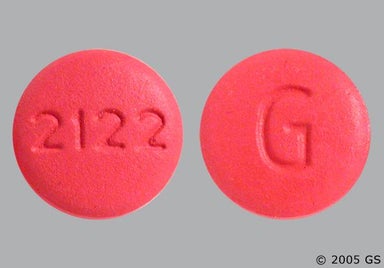
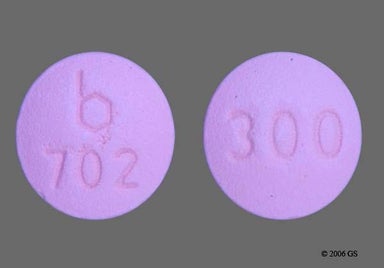
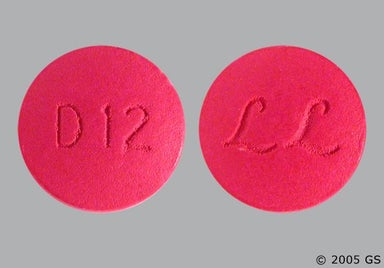
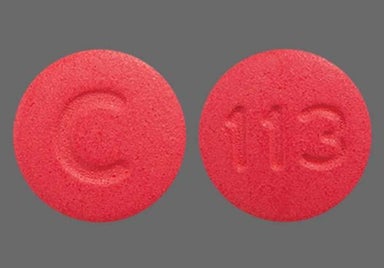
Demeclocycline images