


6 Dantrolene Side Effects to Know About
Dantrolene is a muscle relaxer that treats muscle spasticity. Learn about six common and rare dantrolene side effects, here.
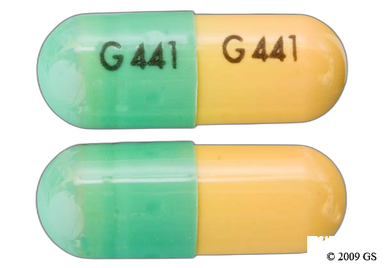
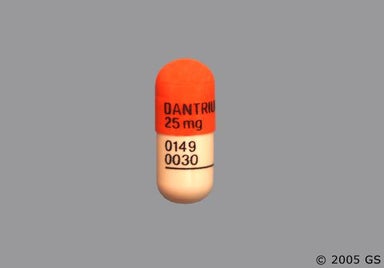
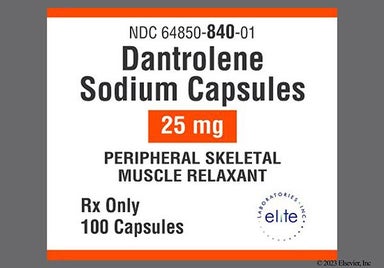
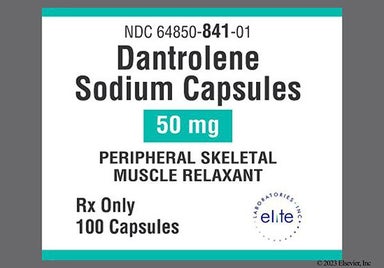
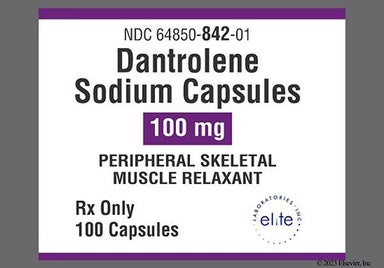
Dantrolene sodium is a muscle relaxant. Dantrolene (Dantrium) is used for muscle stiffness or spasms (spasticity), including a severe and potentially life-threatening problem in people receiving surgery called malignant hyperthermia. Dantrolene (Dantrium) is taken by mouth, typically 3 to 4 times per day, by adults and children ages 5 years and older. Dantrolene sodium is also available as injections (Ryanodex and Revonto) given in hospital settings. Some side effects of dantrolene (Dantrium) include sleepiness, dizziness, and diarrhea.

Dantrolene (Dantrium) is a muscle relaxant. It's not exactly known how dantrolene (Dantrium) works, but it's thought to block the release of calcium in muscles, which stops your muscles from contracting.
| Common Brands | Dantrium, Revonto, Ryanodex |
|---|---|
| Drug Class | Muscle relaxant |
| Controlled Substance Classification | Not a controlled medication |
| Generic Status | Lower-cost generic available |
| Availability | Prescription only |

The following side effects may get better over time as your body gets used to the medication. Let your healthcare provider know immediately if you continue to experience these symptoms or if they worsen over time.
Contact your healthcare provider immediately if you experience any of the following.
Along with its needed effects, a medicine may cause some unwanted effects. Although not all of these side effects may occur, if they do occur they may need medical attention. Serious side effects are very rare when dantrolene is taken for a short time, for example, when it is used for a few days before, during, or after surgery or anesthesia to prevent or treat malignant hyperthermia. However, serious side effects may occur, especially when the medicine is taken for a long time.
Check with your doctor immediately if any of the following side effects occur:
Less common
Bloody or black, tarry stools
bloody or dark urine
bluish color changes in skin color
changes in speech
confusion
convulsions (seizures)
decrease in frequency of urination
decrease in urine volume
difficult urination
difficulty in moving
difficulty in passing urine (dribbling)
difficulty in swallowing
fast, pounding, or irregular heartbeat or pulse
increased frequency of urination
increased urge to urinate during the night
joint pain
light-colored stools
lightheadedness
loss of bladder control
mental depression
muscle aching or cramping
muscle pains or stiffness
muscle spasm or jerking of all extremities
pain in lower back
pain or burning while urinating
pain, tenderness, or changes in skin color
severe stomach pain
shortness of breath
slow or troubled breathing
sudden decrease in amount of urine
sudden loss of consciousness
swelling of foot or leg
swollen joints
unusual tiredness or weakness
upper right abdominal pain
vomiting of blood or material that looks like coffee grounds
waking to urinate at night
yellow eyes or skin
Some side effects may occur that usually do not need medical attention. These side effects may go away during treatment as your body adjusts to the medicine. Also, your health care professional may be able to tell you about ways to prevent or reduce some of these side effects. Check with your health care professional if any of the following side effects continue or are bothersome or if you have any questions about them:
Less common
Abdominal or stomach cramps or discomfort
abnormal hair growth
acne-like rash
blurred or double vision or any change in vision
change in taste
chills and fever
disturbed color perception
excessive tearing
halos around lights
headache
itching skin
loss of appetite
night blindness
overbright appearance of lights
redness of skin
seeing double
skin rash, encrusted, scaly and oozing
slurring of speech or other speech problems
sudden decrease in amount of urine
sweating
trouble in sleeping
tunnel vision
unable to sleep
unusual nervousness
Other side effects not listed may also occur in some patients. If you notice any other effects, check with your healthcare professional.
Call your doctor for medical advice about side effects. You may report side effects to the FDA at 1-800-FDA-1088.




Dantrolene (Dantrium) can cause some serious health issues. This risk may be even higher for certain groups. If this worries you, talk to your doctor or pharmacist about other options.
 Dantrolene (Dantrium) can cause serious and sometimes life-threatening liver damage. While liver problems can develop any time, it's more commonly reported by people who've taken dantrolene (Dantrium) for 3 months or longer. Sometimes, people who have liver problems might not feel any physical symptoms, so your provider will order blood tests regularly to check your liver health. To lower your risk of liver damage, your provider might ask you to stop taking dantrolene (Dantrium) after 45 days if this medication still hasn't helped your condition.
Let your provider know about all the medications you're taking before you start dantrolene (Dantrium) so they can see if you're taking other medications that can cause liver damage, like acetaminophen (Tylenol). Get medical attention if you notice stomach bloating or pain, yellowing of your skin or the whites of your eyes, stool changes (black, tarry, or bloody stools), or dark or brown urine.


Although certain medicines should not be used together at all, in other cases two different medicines may be used together even if an interaction might occur. In these cases, your doctor may want to change the dose, or other precautions may be necessary. When you are taking this medicine, it is especially important that your healthcare professional know if you are taking any of the medicines listed below. The following interactions have been selected on the basis of their potential significance and are not necessarily all-inclusive.
Using this medicine with any of the following medicines is usually not recommended, but may be required in some cases. If both medicines are prescribed together, your doctor may change the dose or how often you use one or both of the medicines.


Contraindications are specific health conditions or situations in which a person should not take a medication due to safety concerns. If you have any of the following conditions or if any of the following apply to you, let your healthcare provider know because Dantrolene (Dantrium) will not be safe for you to take.





Prescription savings
Stop paying too much for your prescriptions. Compare prices, get pharmacy coupons, and save up to 80%.Resources
About GoodRx
 Find expert answers to your health questions so you can make the best decisions for yourself and your family.
Health conditions
Medications & treatment
Access & affordability
Well-being
Medication discounts

It might take about one and a half hours for Dantrolene to start working. If you're taking Dantrolene to help prevent malignant hyperthermia before surgery, your provider will ask you to start this medication 1 to 2 days before your procedure to give it time to work. Keep in mind that everyone responds differently to medications. Talk to your provider if you're concerned with how quickly Dantrolene is working for you.
No, Dantrolene isn't a controlled substance because it doesn't have a risk of dependence or addiction.
Both Dantrolene and baclofen are muscle relaxants approved for long-term muscle spasm or stiffness (spasticity). One difference between them is that Dantrolene is also approved for malignant hyperthermia, while baclofen isn't. Another difference is that Dantrolene can raise the risk for serious liver problems, but baclofen doesn't carry the same risk. Both medications haven't been directly compared to each other, so it's not known if one works better than the other.
No, Dantrolene isn't typically used to treat serotonin syndrome, a condition where serotonin levels in your body get too high. While symptoms of serotonin syndrome can include muscle stiffness, Dantrolene doesn't block serotonin and isn't approved to treat this condition.
