Key takeaways:
Insurance may cover skin-removal surgery after weight loss if it’s considered medically necessary. Your healthcare professional will need to provide documentation.
Excess skin-removal procedures include panniculectomy (skin hanging over the groin or thighs), abdominoplasty (tummy tuck), arm lift, breast lift, and thigh lift.
Skin-removal surgery costs can vary depending on a variety of factors. In addition to the surgeon’s fee, charges typically include anesthesia, facility fees, and other related costs.
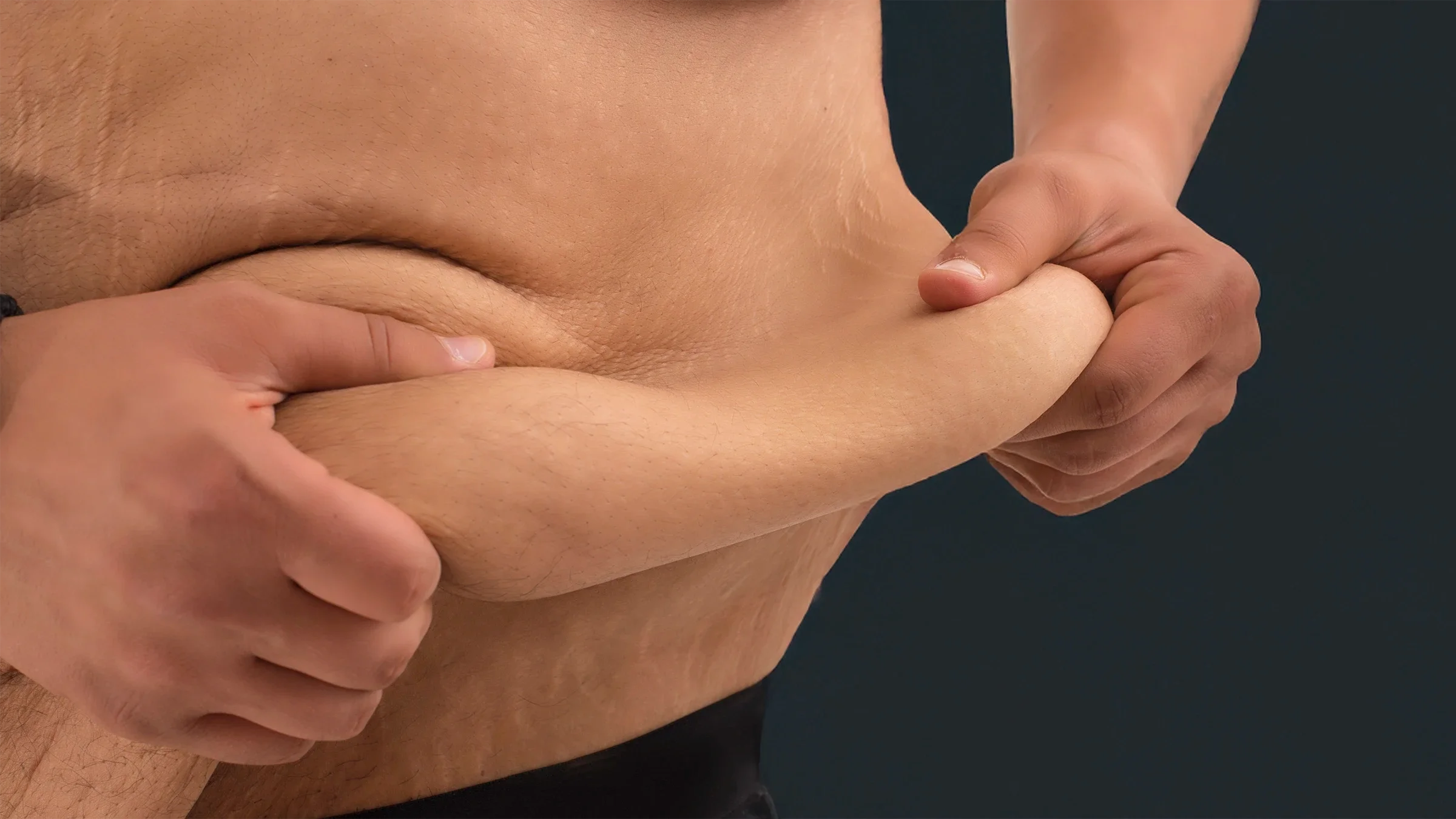
A weight-loss journey can last months or years. Depending on your body, significant weight loss can lead to saggy or loose skin. Often, overstretched skin doesn’t snap back or go away on its own.
Some people may need or desire skin-removal surgery — also known as body contouring — at some point, such as after reaching a weight-loss goal. Excess skin after weight loss can cause medical issues including:
Infection from swelling, rash, or ulcers in skin folds
Interference with mobility
Interference with urination
Pain that can be caused by chafing, infection, or bleeding
Walking difficulty
Skin-removal procedures are common for people who have lost substantial weight after bariatric surgery and/or treatment with glucagon-like peptide-1 (GLP-1) and related medications.
Here we’ll explain when insurance covers skin-removal surgery after weight loss. We’ll also explore the costs of different procedures without coverage to help you make the right decisions for your health.
Does insurance cover skin removal after weight loss?
Health insurance doesn’t typically cover skin-removal surgery after weight loss. However, there are exceptions for medically necessary procedures. Let’s discuss how these surgeries may be covered by insurance.
Commercial insurance
Most commercial insurance plans will not cover skin-removal surgery after weight loss unless there is a medical reason. Your healthcare team will have to provide documentation that shows how the excess skin is causing health problems that require surgery.
The most common procedures for skin removal after weight loss that may be covered by commercial insurance include:
Panniculectomy: This procedure is designed to remove the hanging apron of skin (pannus) that can develop in the lower abdominal area after significant weight loss. An added tummy tuck (abdominoplasty) that tightens abdominal muscles may not be covered.
Breast reduction: This surgery helps remove remaining heavy tissue and excess skin after significant weight loss, particularly for women with large, heavy breasts.
Medicare
Medicare doesn’t specifically cover surgery for skin removal after weight loss. However, original Medicare may cover a procedure if your doctor provides documentation showing that it’s medically necessary. Even if Medicare covers the surgical procedure, you may have to pay 100% of related costs.
If you have a private Medicare Advantage plan, your coverage may differ. While Medicare Advantage plans are required to meet or exceed the benefits offered by original Medicare, your plan may have different coverage and prior authorization requirements for excess skin removal after weight loss. Check with your plan for coverage details.
Medicaid
Medicaid may cover skin-removal surgery after weight loss that’s considered medically necessary and not cosmetic. Your doctor will have to provide documentation.
Tricare and veteran’s coverage
Tricare may cover panniculectomy if it’s considered medically necessary and done with another abdominal or pelvic surgery.
When is skin removal considered medically necessary vs. cosmetic?
Loose skin can be removed or tightened after weight loss with surgery or certain non-invasive medical procedures. This is called body contouring. Body contouring is considered medically necessary when excess skin is causing health problems such as infection, pain, or interference with daily activities such as mobility. Otherwise, skin removal to improve your appearance alone is typically considered cosmetic.
Types of skin-removal surgeries
Abdominoplasty (tummy tuck): Removes excess skin from the abdomen and tightens abdominal muscles.
Panniculectomy: Removes hanging skin and fat (abdomen apron) that hangs over the groin or thighs; abdominal muscles aren’t typically tightened but this procedure may be combined with a tummy tuck.
Lower body lift (belt lipectomy): Treats the abdomen, sides, and buttocks in one procedure, which may also include a tummy tuck.
Brachioplasty (arm lift): Removes loose skin from the upper arms also known as “bat wings.”
Thigh lift (thighplasty): Targets loose skin on the inner thighs.
Breast lift (mastopexy): Reshapes and lifts the breasts.
Skin-firming procedures
Nonsurgical skin tightening: These in-office procedures use targeted radiofrequency and ultrasound therapy to stimulate collagen and elastin production. These treatments are designed to improve the skin texture and tone, and may offer some improvement with excess skin after weight loss, but won’t work for significant amounts of excess skin.
How do you get insurance to cover loose skin removal after weight loss?
To get your insurance to cover loose skin removal after weight loss, you will need to provide documentation that the surgery is medically necessary. Most insurance providers also require that you have lost significant weight. Contact your health plan about requirements you must meet for skin-removal surgery after weight loss.
Potential insurance coverage criteria includes:
Interference with daily activities: Excess skin that hampers mobility, for instance.
Significant weight loss: Usually through bariatric surgery or use of GLP-1 medications, the requirement may be a percentage of starting weight or a threshold, such as at least 100 lbs.
Skin problems: Medical issues due to loose skin such as recurrent rashes and yeast infections within folds that have not responded to nonsurgical treatments.
Stable weight: Maintaining stable weight for at least 6 months after weight loss.
Time beyond bariatric surgery: If you’ve had a weight-loss procedure, your insurance may require at least 18 months to pass before covering surgery for excess skin removal.
Can you appeal an insurance coverage denial for loose skin removal after weight loss?
Yes, if your insurance denies coverage for skin removal after weight loss, you can appeal the decision. Generally, you have up to 180 days after receiving the denial notice to request an appeal. Typically, you’ll be turned down during prior authorization. If your denial comes before your surgery, start by reviewing your summary of benefits and coverage. Contact your insurance plan for details about their appeal process so that you can challenge the denial and provide adequate documentation to try to get coverage for the procedure.
If your claim has been denied after surgery, you should start by reviewing your explanation of benefits known as an EOB and work with your surgeon or other healthcare professional to appeal the coverage denial.
How much does it cost for loose skin removal after weight loss without insurance?
The cost for loose skin removal surgery without insurance can vary depending on the type of surgery and other factors. For example, the national average cost for panniculectomy is $7,000. A lower body lift, which includes the abdomen, thighs and buttocks, can cost around $20,000.
Factors affecting cost with and without insurance
There are a number of factors affecting the cost of skin-removal surgery. On average, skin-removal procedures can cost $10,000 to more than $50,000. This may be a bundled price or just the surgeon’s fee. Beyond the procedure’s price, additional costs can include:
Anesthesia
Follow-up care
Post-surgery garments
Prescriptions
Testing
Treatment if you have complications
Are there functional and cosmetic reasons to have skin-removal surgery after weight loss?
Yes, for instance, excess skin can impede your movement, which can be a functional outcome of weight loss. After dropping weight, you may also not like the way hanging skin looks on your body. Getting rid of the skin can improve your appearance in many ways, such as how your clothing fits, while enhancing your comfort and boosting your confidence.
Will insurance cover loose skin removal if the cause isn’t weight loss?
If your loose skin is not due to weight loss or a medical condition, insurance coverage is far less likely. It’s important to have documentation from your doctor explaining why a skin-removal procedure is medically necessary to increase your chances of coverage.
Frequently asked questions
Several factors may disqualify you from skin removal surgery after weight loss. For instance, having significant weight fluctuations 18 months or longer after weight-loss surgery can make you ineligible for skin-removal procedures. Other disqualifications include health conditions that can increase complications, smoking, and substance misuse.
Excess skin removal surgery is a major surgical procedure. Post-surgical discomfort may last several weeks. The worst discomfort is reportedly during the first 3 days of recovery. Talk to your healthcare team prior to your procedure about ways to manage post-surgery pain. During the first weeks of recovery, expect to wear special garments and have discomfort from daily activities as incisions and nerve endings heal. Having someone stay with you during the early days of your recovery can be helpful.
Several factors may disqualify you from skin removal surgery after weight loss. For instance, having significant weight fluctuations 18 months or longer after weight-loss surgery can make you ineligible for skin-removal procedures. Other disqualifications include health conditions that can increase complications, smoking, and substance misuse.
Excess skin removal surgery is a major surgical procedure. Post-surgical discomfort may last several weeks. The worst discomfort is reportedly during the first 3 days of recovery. Talk to your healthcare team prior to your procedure about ways to manage post-surgery pain. During the first weeks of recovery, expect to wear special garments and have discomfort from daily activities as incisions and nerve endings heal. Having someone stay with you during the early days of your recovery can be helpful.
The bottom line
If loose skin after weight loss is affecting your quality of life, talk to your healthcare team about your options. Your health insurance plan may cover skin-removal surgery after weight loss if it’s considered medically necessary, but you may qualify for only certain procedures. It’s important to work with your healthcare professional on presenting documentation to your insurance plan that outlines the medical reasons why the surgery is needed.

Why trust our experts?




References
American Board of Cosmetic Surgery. (n.d.). Skin removal after weight loss.
Cagle, P. (2026). Skin removal surgery: Body contouring options after weight loss. Well U.
Connect. (n.d.). How much does body contouring cost? American Society of Plastic Surgeons.
Connect. (n.d.) What is breast lift surgery? American Society of Plastic Surgeons.
Connect. (n.d.) What is thigh lift surgery? American Society of Plastic Surgeons.
Herbert Lamblet Plastic Surgery. (2026). Does Medicaid cover skin removal after weight loss surgery?
Martin, A. (2025). Full body skin removal surgery cost breakdown: Prices & factors explained. Finance Mutual.
Medicare.gov. (n.d.). Cosmetic surgery. Centers for Medicare and Medicaid Services.
Newman, D. (2026). How painful is skin removal surgery? What patients actually experience. Newman Plastic Surgery.
Parker Broderick, K. (2025). Body contouring after weight loss. Johns Hopkins Medicine.
Roussel, L. O. (2025). Body contouring after weight loss: What you need to know. Brown University Health.
Sachs, D., et al. (2023). Panniculectomy. StatPearls.
Sachs, D., et al. (2025). Breast reduction. StatPearls.
Szymanski, K. D., et al. (2025). Brachioplasty. StatPearls.
Tricare. (2026). Reconstructive surgery.
UF Health. (2022). Considering plastic surgery after a large weight loss.
UPMC. (n.d.). Lower body lift.
Wolters, C. (2025). Skin removal surgery after weight loss: Types, cost and recovery. U.S. News & World Report.