Key takeaways:
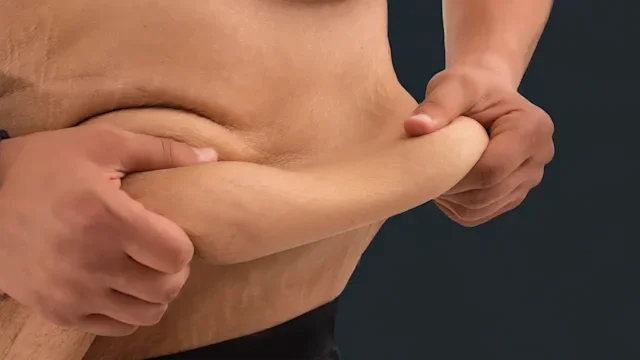
Loose skin after weight loss is common. It happens because the skin loses support and elasticity over time.
You can’t fully prevent loose skin, but steps like slower weight loss, strength training, and good nutrition may help reduce how noticeable it is.
Body contouring surgeries are the best-studied way to treat loose skin after weight loss. In-office treatments may help firm areas of mild skin looseness.
Save on related medications
Losing weight can lead to meaningful improvements in your health. But it doesn’t always change your body in the way you expect. Many people notice loose or sagging skin after weight loss, which can be surprising and frustrating.
For some people, loose skin is mild. For others, it can feel more noticeable and affect comfort or confidence.
The good news is that there are ways to manage loose skin after weight loss. Understanding why it happens can help you decide what options might work best for you.
What causes loose skin after weight loss?
Loose skin after weight loss is common, especially after significant or rapid weight loss. It’s not a sign that something went wrong. Rather, it’s a result of how the skin and underlying tissues adapt to changes in body size.
Loose skin after weight loss happens because several changes occur at the same time:
Damage to collagen and elastin fibers
Loss of the fat layer that supports the skin
Reduced signals that help maintain skin structure
Let’s take a closer look at each one.
Changes in collagen and elastin fibers
Collagen and elastin fibers are proteins that support your skin and allow it to stay firm and stretch back into place.
During weight gain, the skin stretches over time. This leads to changes in collagen structure, including a shift from stronger, mature collagen to weaker, less organized forms. At the same time, elastin fibers begin to break down. Elastin fibers are what allows your skin to recoil.
After weight loss, these fibers don’t fully recover. Instead, they become thinner, fragmented, and less organized.
As a result, the skin loses strength and elasticity. This makes it harder for your skin to change and match your new body shape.
Loss of the fat layer under the skin
Skin sits on top of a layer of fat called subcutaneous fat. Subcutaneous fat acts like a structural foundation that keeps the skin smooth and supported.
Unlike visceral fat (the fat around your organs), subcutaneous fat isn’t linked to inflammation or health risks. It plays a mechanical and supportive role.
All fat cells shrink when you lose weight. You can’t “target” only one type of fat cell or fat cells in a specific area. Visceral fat tends to decrease first, but subcutaneous fat is also lost over time. As this subcutaneous layer shrinks, the skin loses its underlying support. This makes your skin more likely to sag or fold, especially if the skin already has collagen and elastin damage.
Less signaling between fat and skin
The main job of fat cells is to store energy. But they do other things too. For example, fat cells release hormones like adiponectin and leptin. These hormones tell skin cells to make collagen and maintain structure.
When you lose weight, fat cells shrink and don’t make as many hormones. Fewer hormones can affect the skin’s ability to repair and maintain itself over time.
How much weight loss leads to loose skin?
Any amount of weight loss can lead to changes in skin tightness. But there are several factors that can make you more prone to loose skin after weight loss.
How much weight you lose
People who start at a higher weight or lose a larger amount tend to have more excess skin after weight loss. Research suggests that loose skin becomes more likely and more noticeable after larger amounts of weight loss. This is especially the case when losing more than 20 kg (44 lbs) or a drop in body mass index (BMI) greater than 10 points.
How quickly you lose weight
Faster weight loss may give the skin less time to adjust. This may be one reason loose skin is more common after bariatric surgery, which often leads to rapid weight loss.
Glucagon-like peptide-1 (GLP-1) medications, like semaglutide and tirzepatide, tend to produce weight loss more gradually. This slower pace may give the skin more time to adapt. Weight loss from other approaches can also lead to loose skin. But there’s less research on these situations.
Personal factors
Things like your age, gender, and genetics also matter. Women tend to report loose skin more often than men. This may be partly due to differences in how fat is stored and how hormones affect skin structure and elasticity.
Age also plays a role. As you get older, your body produces less collagen and elastin, and the layer of fat under the skin naturally decreases. This can make sagging more noticeable.
How long your skin was stretched matters too. When the skin is stretched for a long time, it can lose some of its ability to tighten back up, even after the weight is lost.
It’s also worth noting that the amount of loose skin doesn’t always match how bothersome it feels. That can depend on comfort, body image, and daily function.
Can you prevent loose skin from weight loss?
There’s no guaranteed way to prevent loose skin after weight loss. You’ll develop some loose skin if you lose a significant amount of weight.
That said, the amount of loose skin can vary. And there are steps you can take to support your skin and improve how it looks and feels. These strategies don’t eliminate loose skin. But they may help reduce its severity and support overall skin health. Here are some things to do:
Aim for a steady pace of weight loss. Slower weight loss gives your skin more time to adjust and remodel.
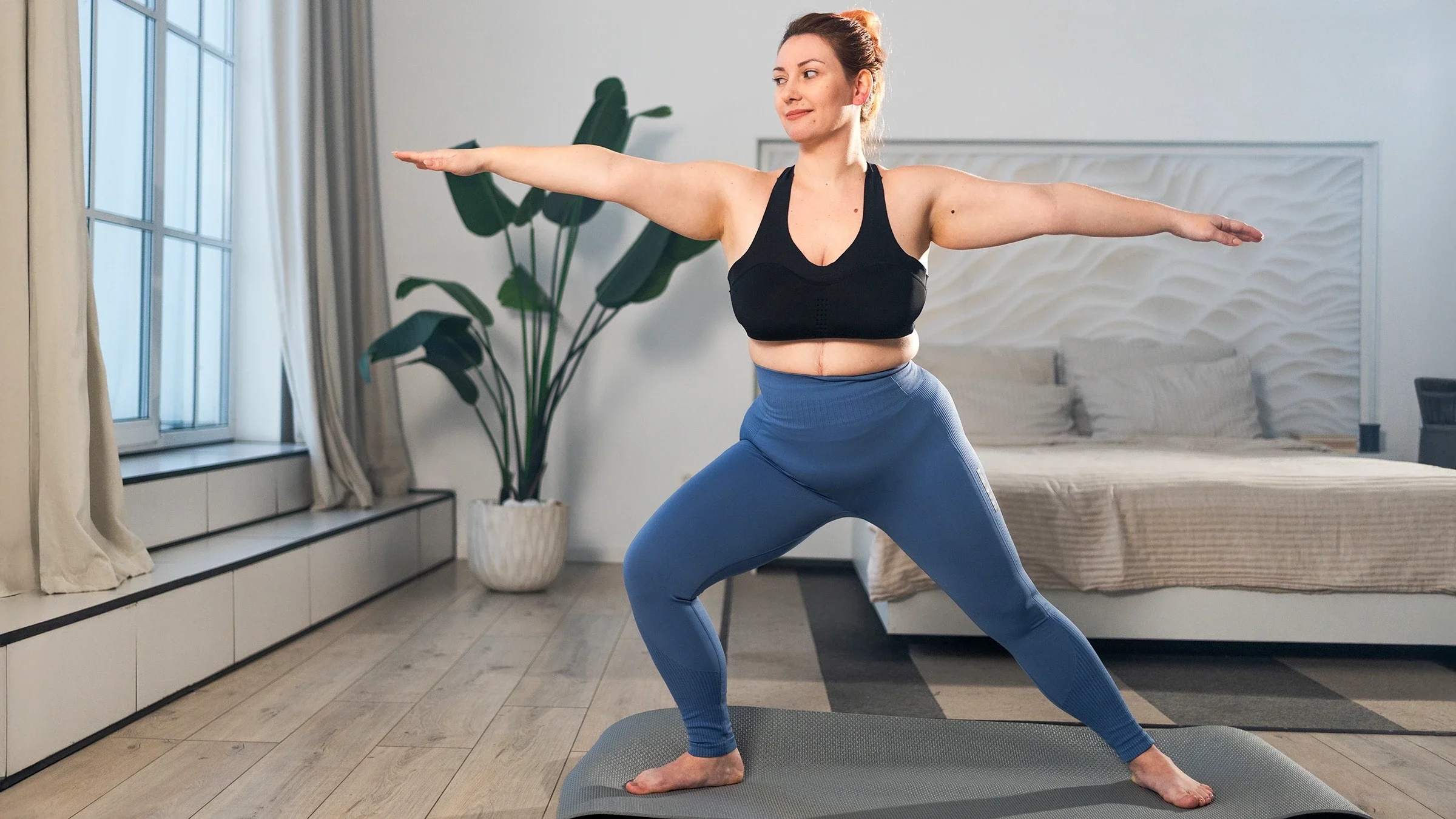
Include strength training. Resistance training helps preserve muscle mass as you lose weight. Maintaining muscle can provide structure under the skin and reduce the appearance of sagging. Experts recommend resistance training 2 to 3 times per week.
Get enough protein. Protein supports collagen production and tissue repair. Since appetite is often lower during weight loss, it’s important to prioritize protein to help maintain skin structure. Your healthcare team can help you understand how much protein you need each day based on your health and overall weight loss.
Eat a nutrient-rich diet. Many vitamins and nutrients play a role in skin health. Eating a balanced diet helps ensure your body has what it needs to support skin repair and maintenance. It’s always best to get your nutrients from food rather than vitamins. But you may need vitamins after bariatric surgery to help you get enough of these nutrients.
Stay hydrated. Proper hydration helps maintain skin elasticity and may improve how your skin looks and feels. How much water you need each day depends on your age, health, and activity level.
Protect your skin from the sun. Sun exposure can break down collagen and reduce skin elasticity over time. Using sunscreen can help protect your skin as it adapts to weight loss.
Talk with your healthcare team about your treatment. Some early research suggests that GLP-1 medications, especially tirzepatide, may preserve more of the fat layer under the skin compared to other methods. This may help support skin structure, though more research is needed.
What are the best treatment options for loose skin from weight loss?
There are several ways to treat loose skin after weight loss. The right option depends on how much loose skin you have and your goals. Your healthcare team can help you decide which treatment option is best for you. Here are the most common options.
Body contouring
Body contouring is a set of surgical procedures that remove loose skin. Body contouring is the best-studied treatment for loose skin. It’s a very effective treatment for people who’ve lost a lot of weight or who lost weight very quickly, especially after bariatric surgery. Body contouring procedures include:
Abdominoplasty (tummy tuck) or panniculectomy: removes excess skin from the abdomen
Lower body lift: treats the abdomen, sides, and buttocks in one procedure
Brachioplasty (arm lift): removes loose skin from the upper arms
Thigh lift: targets loose skin on the inner thighs
Breast lift (mastopexy): reshapes and lifts the breasts
Most experts recommend waiting until your weight is stable — usually about 6 months — before considering body contouring surgery. These procedures can take several weeks to recover from, depending on the type of treatment and how much skin is removed.
Subdermal radiofrequency
Subdermal radiofrequency (BodyTite) treatment works by delivering controlled heat just beneath the skin to tighten tissue from the inside. Here’s how it works:
A small probe is inserted through a small incision, while a second piece glides over the skin surface.
The two parts work together to heat the deeper layers of skin and the tissue underneath.
This causes collagen to tighten right away and signals the body to produce new collagen over time.
The procedure typically takes 1 to 3 hours, depending on the area being treated. Afterward, you can expect some swelling, bruising, and tenderness for about 1 to 2 weeks. And you may need to wear a compression garment during that time.
Results develop gradually over several months as the skin rebuilds collagen and becomes firmer. It’s not clear how well this treatment works for people who’ve lost a lot of weight or lost weight very quickly.
In-office treatments
There are several in-office treatments that can help firm skin. These options don’t require any type of surgery or incision. They involve little to no recovery time, but they do require multiple visits or ongoing maintenance. These treatments can improve skin firmness and texture.
But most of the research on these treatments has been done in people with mild skin changes related to aging — not in people who’ve had rapid or significant weight loss. Right now, it’s not clear how well these treatments work for post-weight-loss skin sagging.
Examples of in-office treatments include:
Radiofrequency treatments (Thermage): This treatment uses heat to stimulate collagen production and firm skin. It’s usually done in 1 session or a series of treatments, with no downtime.
Ultrasound treatments (Ultherapy): This treatment delivers focused energy deeper into the skin, which firms skin. Typically, a single session lasts about 1 hour, with gradual results over a few months.
Microneedling with radiofrequency (Morpheus8): This treatment uses tiny needles and heat to stimulate collagen production. It’s often done as a series of treatments spaced a few weeks apart.
Collagen-stimulating injections (Radiesse, Sculptra): These injections signal your body to make more collagen. They can be used alone or with other treatment methods.
Frequently asked questions
Some natural tightening can happen over time. But it’s not often enough to make sagging skin less noticeable. Mild-to-moderate loose skin may improve over 6 months to 2 years. It depends on factors like age, genetics, how much weight was lost, and how quickly the weight loss happened. Very loose skin won’t fully tighten without treatment.
Loose skin can develop anywhere on the body after weight loss. It’s more noticeable in areas that tend to store more fat, like the:
Abdomen
Upper arms
Thighs
Back
Face
Insurance may cover procedures to remove loose skin if they’re considered medically necessary. This usually means the skin is causing issues like pain, infections, hygiene problems, or difficulty with movement.
Some natural tightening can happen over time. But it’s not often enough to make sagging skin less noticeable. Mild-to-moderate loose skin may improve over 6 months to 2 years. It depends on factors like age, genetics, how much weight was lost, and how quickly the weight loss happened. Very loose skin won’t fully tighten without treatment.
Loose skin can develop anywhere on the body after weight loss. It’s more noticeable in areas that tend to store more fat, like the:
Abdomen
Upper arms
Thighs
Back
Face
Insurance may cover procedures to remove loose skin if they’re considered medically necessary. This usually means the skin is causing issues like pain, infections, hygiene problems, or difficulty with movement.
The bottom line
Loose skin is a normal part of weight loss and doesn’t mean something went wrong. While it can be frustrating, there are ways to improve how it looks and feels over time. Lifestyle habits can help support your skin, and medical treatments are available if loose skin is more significant. If it’s affecting your comfort or confidence, your healthcare team can help you explore options that fit your goals.

Why trust our experts?



References
Aguilera, S. B., et al. (2023). The role of calcium hydroxylapatite (Radiesse) as a regenerative aesthetic treatment: A narrative review. Aesthetic Surgery Journal.
Alexiades, M., et al. (2021). Single treatment protocol with microneedle fractional radiofrequency for treatment of body skin laxity and fat deposits. Lasers in Surgery and Medicine.
Araco, A. (2020). Prospective study on clinical efficacy and safety of a single session of microfocused ultrasound with visualization for collagen regeneration. Aesthetic Surgery Journal.
Baillot, A., et al. (2017). What is known about the correlates and impact of excess skin after bariatric surgery: A scoping review. Obesity Surgery.
Baillot, A., et al. (2023). Factors associated with excess skin after bariatric surgery: A mixed-method study. Obesity Surgery.
Cook, J., et al. (2021). Bipolar radiofrequency as an adjunct to face and body contouring: A 745-patient clinical experience. Aesthetic Surgery Journal.
Ezure, T., et al. (2007). Adiponectin and leptin up-regulate extracellular matrix production by dermal fibroblasts. BioFactors (Oxford, England).
Ezure, T., et al. (2015). Increment of subcutaneous adipose tissue is associated with decrease of elastic fibres in the dermal layer. Experimental Dermatology.
Garvey, W. T., et al. (2016). AACE/ACE comprehensive clinical practice guidelines for medical care of patients with obesity. Endocrine Practice.
Gastaldelli, A., et al. (2022). Effect of tirzepatide versus insulin degludec on liver fat content and abdominal adipose tissue in people with type 2 diabetes (SURPASS-3 MRI): A substudy of the randomised, open-label, parallel-group, phase 3 SURPASS-3 trial. The Lancet.
Giordano, S., et al. (2013). Physical discomfort due to redundant skin in post-bariatric surgery patients. Journal of Plastic, Reconstructive & Aesthetic Surgery.
Goldman, M. P., et al. (2025). Monopolar radiofrequency-induced fibroblast stimulation for the prevention and improvement of skin laxity. Dermatologic Surgery.
Kruglikov, I. L., et al. (2017). General theory of skin reinforcement. PloS One.
Lahav, Y., et al. (2026). Resistance training as a key strategy for high-quality weight loss in men and women. Frontiers in Endocrinology.
Mehta, M., et al. (2025). Nutritional challenges in post-massive weight loss body contouring: Guidance for plastic surgeons on GLP-1 agonists and sleeve gastrectomy. Plastic and Reconstructive Surgery.
Mokhtar, J., et al. (2026). Patient-reported outcome measures following postbariatric body contouring: A systematic review and meta-analysis. Plastic and Reconstructive Surgery.
Prist, I. H., et al. (2017). Extracellular matrix remodeling derangement in ex-obese patients. Molecular and Cellular Biochemistry.
Rocha, R. I., et al. (2021). Skin changes due to massive weight loss: Histological changes and the causes of the limited results of contouring surgeries. Obesity Surgery.
Triwatcharikorn, J., et al. (2023). Skin manifestations and biophysical changes following weight reduction induced by bariatric surgery: A 2-year prospective study. The Journal of Dermatology.
Wollina, U., et al. (2017). Role of adipose tissue in facial aging. Clinical Interventions in Aging.