Key takeaways:
People often start a new exercise program to reduce fat in one specific area of the body.
Exercise can help you lose fat and overall weight, but you can’t target specific areas for fat loss. Research suggests that the effectiveness of “spot fat reduction” is a myth.
You can tone your muscles in a specific area, which can help reduce the appearance of fat in those areas.
How often have you heard someone say they want to lose fat in a particular part of their body, like their arms or belly? Deceptive marketing campaigns and unrealistic beauty standards lead many people to believe that this is possible with exercise and determination.
But targeting fat loss — also known as spot reduction — in specific regions isn’t possible, despite what exercise programs may claim.
Before we debunk the idea of using exercise to target fat loss on specific body parts, let’s first discuss the difference between fat loss and weight loss.
Is it possible to lose fat?
Yes, it’s possible to lose fat. But fat is just one part of your weight. Body fat, bone, muscle, and water all contribute to your total body weight, according to Cedrina Calder, a board-certified preventive medicine physician.
“Weight loss is the reduction of your total body weight due to water, fat, and muscle loss,” she explained. “Fat loss specifically refers to the amount of body fat you lose during weight loss.”
In other words, you can’t achieve true fat loss without weight loss. And research suggests that when you lose weight, the regions of your body from which you’re most likely to first lose fat may depend on your sex or genetics.
For example, a study found that male participants lost a higher percentage of weight in the trunk of their bodies than the female participants did. (The “trunk” means their torso — which includes the chest, abdomen, pelvis, and back.)
Claim: It’s possible to reduce fat in just one part of your body
There’s lots of marketing hype claiming you can target fat in one part of your body. Maybe you’ve seen ads for things like a “belly fat blaster program.” Many of these programs claim that building muscle in a particular part of your body will help target the fat surrounding it.
What does the science say about spot reduction?
Exercise can help you lose fat and overall weight. But research suggests it’s not possible to use exercise to target specific areas for fat loss. For example, a small study on 24 people revealed that none of them “burned” belly fat after 6 weeks of targeted abdominal exercises that included:
Oblique crunches
Stability ball crunches
Leg lifts
Abdominal crunches
Another study also found that targeted exercises can’t enhance fat loss in just one region of the body. That was true even when the exercises were paired with a more nutritious diet. The study followed 40 women who had a body mass index (BMI) in the overweight or obese categories. One group participated in 12 weeks of abdominal resistance training and a new diet. They didn’t lose any more belly fat than the group that only focused on dietary changes.
“It's not possible to target fat in specific areas,” Calder said. “When you lose weight, you lose fat from different parts of your body — [and] the body parts that lose fat first are mostly based on genetics.”
What’s the difference between targeted fat loss and targeted toning?
Calder drew a distinction between targeted fat loss and targeted toning. She emphasized that there isn’t a way to force your body to lose fat in just your belly, as an example. But you can spot tone your abdomen.
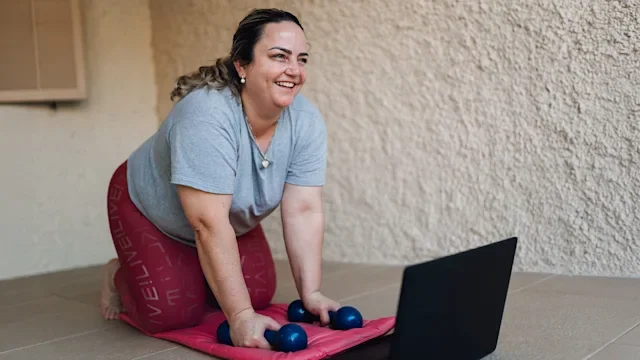
“It’s possible to target parts of your body to increase the muscle definition in those areas,” she said. “By adopting a resistance-training routine for the areas you want to target, you can increase muscle tone, definition, and strength.”
And the result can be fat loss across your whole body. A small study found that after 12 weeks of localized strength training, study participants lost 0.7 kg (about 1.5 lbs) of whole-body fat.
When should you try to lose body fat?
Bodies come in all shapes and sizes. And let’s set the record straight: There’s nothing wrong with having some belly fat, or any fat specific to one body part. As mentioned above, where fat is stored on your body is largely out of your control.
That said, there are two main types of body fat based on location and function:
Subcutaneous fat is the fat just under your skin. It’s important for cushioning your organs, muscles, and bones. It also helps regulate body temperature.
Visceral fat is located deep in the abdomen, and it surrounds your internal organs. This type of fat is associated with higher risks of health conditions like diabetes and high blood pressure.
If you’re at an increased risk of health problems due to visceral fat, consider making dietary changes, like following the Mediterranean diet. But whether or not you adopt a specific diet, it’s important to:
Get enough fiber
Get adequate high-quality sleep
Take steps to manage stress
Reduce how many liquid calories you consume, like from alcohol and sugary drinks
Stepping up your exercise routine is another way to help manage your weight and support your overall health. Before starting a new dietary or workout plan, it’s always a good idea to consult with a healthcare professional.
Frequently asked questions
No, you can’t target fat loss in a specific area of your body — and that includes belly fat. But you can still take steps to find a weight that’s comfortable for you to support your overall health and well-being. Where your body stores fat is largely out of your hands.
How long it takes to notice fat loss varies from person to person, but a safe and realistic pace is about 1 lb to 2 lbs per week. At this rate, it may take a few weeks to start seeing changes.
Losing fat or weight more quickly is harder to sustain and can be risky for your health. And even if you don’t notice changes right away, small changes in your weight can still lower your risk of developing conditions like diabetes, hypertension, and high cholesterol.
Some supplements may indirectly support fat loss, but they won’t drive it on their own. For example, you may have heard berberine being called “nature’s Ozempic.” Ozempic (semaglutide) is the Type 2 diabetes medication that many people also use for weight loss. Berberine may have modest weight-supportive benefits. However, much more research is needed to understand its effects. Other nutrients that are sometimes overlooked — like protein and fiber — can also support weight goals by helping you feel full and maintaining muscle.
No, you can’t target fat loss in a specific area of your body — and that includes belly fat. But you can still take steps to find a weight that’s comfortable for you to support your overall health and well-being. Where your body stores fat is largely out of your hands.
How long it takes to notice fat loss varies from person to person, but a safe and realistic pace is about 1 lb to 2 lbs per week. At this rate, it may take a few weeks to start seeing changes.
Losing fat or weight more quickly is harder to sustain and can be risky for your health. And even if you don’t notice changes right away, small changes in your weight can still lower your risk of developing conditions like diabetes, hypertension, and high cholesterol.
Some supplements may indirectly support fat loss, but they won’t drive it on their own. For example, you may have heard berberine being called “nature’s Ozempic.” Ozempic (semaglutide) is the Type 2 diabetes medication that many people also use for weight loss. Berberine may have modest weight-supportive benefits. However, much more research is needed to understand its effects. Other nutrients that are sometimes overlooked — like protein and fiber — can also support weight goals by helping you feel full and maintaining muscle.
The bottom line
You can't target fat loss in specific areas, despite what some exercise programs claim. When you lose weight, your unique genetics and biology largely determine where fat comes off your body first. But you can build muscle in targeted areas, which helps improve tone and definition. For overall fat loss, focus on the fundamentals: a balanced diet, regular exercise, good sleep, and stress management.

Why trust our experts?



References
Benito, P. J., et al. (2017). Influence of previous body mass index and sex on regional fat changes in a weight loss intervention. The Physician and Sportsmedicine.
Centers for Disease Control and Prevention. (2025). Steps for losing weight.
Kordi, R., et al. (2015). Effect of abdominal resistance exercise on abdominal subcutaneous fat of obese women: A randomized controlled trial using ultrasound imaging assessments. Journal of Manipulative and Physiological Therapeutics.
National Heart, Lung, and Blood Institute. (2025). Aim for a healthy weight.
Ramírez-Campillo, R., et al. (2013). Regional fat changes induced by localized muscle endurance resistance training. Journal of Strength and Conditioning Research.
Sachin, V. S., et al. The effect of abdominal exercise on abdominal fat. The Journal of Strength and Conditioning Research.