Key takeaways:
Children can develop urinary tract infections (UTIs) at any age. Fever may be the only sign of a UTI in infants and toddlers.
Antibiotics are the only way to cure a UTI in kids.
Seek care if you think your child could have a UTI. Starting antibiotics as soon as possible lowers the risk of kidney scarring.
Save on related medications
A urinary tract infection (UTI) is an infection of the bladder or kidneys. In kids, UTIs are usually caused by bacteria like E. coli. Children can develop UTIs at any age. But young children and infants are more likely to develop UTIs than school-aged kids.
It can be hard to recognize a UTI in young children and infants, since they can’t tell you they’re having pain when they go to the bathroom. A late UTI diagnosis puts children at risk for developing complications like serious infections and kidney scarring.
Here’s what you need to know about UTI in kids and how to spot one.
Search and compare options
What types of UTIs do children get?
Children can develop bladder infections (cystitis) and kidney infections (pyelonephritis). Both of these are described in more detail below.
Bladder infection (cystitis)
A bladder infection is the simplest and most common type of UTI. Bladder infections develop when bacteria that normally lives in stool enters the bladder through the urethra (the tube that carries urine out of the body).
Children usually don’t have a fever if they have a bladder infection.
Kidney infection (pyelonephritis)
A kidney infection is a more serious type of UTI. Most of the time, children start off with a bladder infection. And if that infection isn’t treated right away, the infection can travel to the kidney. A kidney infection can cause permanent damage to the kidneys. It can also lead to more serious health complications.
Children will have a fever and feel sick when they have a kidney infection. Children often need to be admitted to a hospital for treatment of a kidney infection.

What are symptoms of a UTI in children and toddlers?
Kids can experience many different symptoms when they have a UTI. Some common symptoms of UTIs in kids include:
Pain or burning with urination
More frequent trips to the bathroom
Avoiding going to the bathroom
Bedwetting or daytime incontinence (accidents)
Stomach pain
Children may develop additional symptoms if they have a kidney infection including:
Fever
Tiredness
Feeling unwell
Back or side (flank) pain
Vomiting
Lower appetite
Infants and toddlers can’t let you know they have pain when they go to the bathroom. They also aren’t toilet trained. That means you won’t notice changes in their behavior, like bathroom avoidance, new accidents, or more frequent bathroom trips. The most common signs of a UTI in a baby or infant are:
Fever
Eating less than usual
Increased crying or fussiness
Lower activity and less interest in play, toys, or other activities
Vomiting
Diarrhea
You may also notice a change in urine smell or blood in their diaper. But many children don’t develop these symptoms.
What causes UTIs in toddlers and kids?
Bacteria are the most common cause of a UTI in kids and toddlers. The bacteria that cause a UTI normally live in stool. The bacteria can travel to the skin around the genitals and anus. From there, they can travel into the urinary tract.
Any child can develop a UTI. But some children are at higher risk for developing UTIs than others. Some things that increase a child’s risk of developing a UTI are listed below.
Age
Young children, especially female infants and toddlers, are more likely to develop UTIs than school-aged children. Studies show that UTIs are more common in female children younger than 4 years old and male infants younger than 1 year old. Male infants who aren’t circumcised are more likely to develop UTIs than male infants who are circumcised.
Sex
Female children are more likely to develop a UTI than male children. This is true for children of all ages, except newborns.
Medical conditions
Children with medical conditions that affect the urinary system are at higher risk for developing UTIs. This includes children with a history of:
Kidney and bladder stones
Neurogenic bladder (a lack of control over the bladder due to injury or illness)
Posterior urethral valves (a condition affecting tissue in the male urethra)
Ureteropelvic junction obstruction (when urine is blocked and backs up in the kidneys)
Vesicoureteral reflux (when urine flows backward, into the kidneys)
Indwelling catheters (tubes inserted into the bladder)
Other medical conditions can also increase the risk of a UTI. Children with these medical conditions may be at higher risk:
Sickle cell disease
Diabetes
Weakened immune systems (immunodeficiency)
Stool or urine withholding
Kids who are still learning how to use the toilet sometimes wait too long when they need to go. This habit, which is called withholding, has been linked to a higher risk of developing a UTI. Withholding keeps kids from emptying their bladders completely. And that can allow a UTI to get started.
Withholding can also lead to constipation. Although constipation doesn’t cause UTIs, the two are closely linked. Children with constipation are more likely to develop UTIs.
Genetics
UTIs sometimes run in families. Small differences in the ways bodies are put together can make infections more likely. Children who develop UTIs as toddlers or infants often have a parent or sibling who also had a UTI at an early age.
How are UTIs diagnosed in children?
The best test for a UTI is a urine culture. This test takes several days to complete. But it can give clear information about:
The type of bacteria causing the infection
Which antibiotics will best treat it
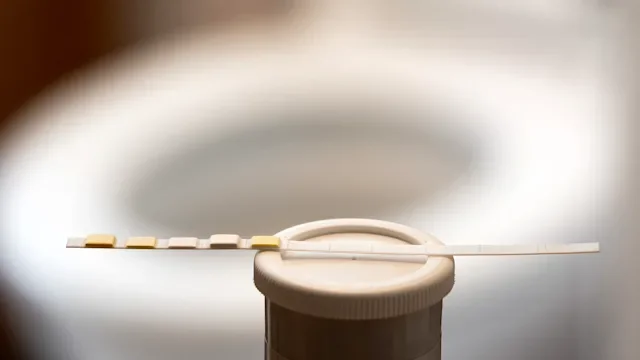
Since a culture takes so long, your child will also have a urinalysis or urine dipstick. This test offers quick results and can show signs of a urine infection.
Your child will need to provide a urine sample for these tests. Older kids and children who are potty trained will be asked to urinate in a sterile cup. Infants and toddlers who aren’t potty trained may need to have a catheter placed into their bladder to collect a urine sample.
How do you treat a UTI in a child?
The most important thing to do when your child has a UTI is to follow their healthcare team’s instructions closely. Your child’s age, medical history, and lab results will play a role in their treatment plan. But in general, children with UTIs need the treatments listed below.
Antibiotics
Antibiotics are the only way to cure a UTI. Experts recommend that all children receive antibiotic treatment for a UTI as soon as possible.
Bladder infections can be treated with oral antibiotics, which come as liquids, capsules, or tablets. Kidney infections can sometimes be treated with oral medications. But more often they require IV antibiotics in the hospital.
Hydration
Get your child to drink plenty of water when they have a UTI. This will make them go to the bathroom more often. This helps wash out the urinary tract. It also helps prevent dehydration. Children may become dehydrated when they have a UTI, especially if they have a fever or aren’t eating and drinking normally.
Over-the-counter UTI medications
Over-the-counter (OTC) medications won’t cure a UTI, but they may help ease your child’s symptoms. Some OTC options are:
Phenazopyridine (AZO, Pyridium): This medication should only be used in children over 12 years of age. It can relieve pain caused by UTIs.
Cranberry or blueberry juice or supplements: The research has shown that these fruits may be helpful in preventing recurrent UTIs. But it’s important to choose juices with low or no added sugar.
Ibuprofen (Advil) or acetaminophen (Tylenol): These pain relievers can be taken for any abdominal pain or pain with urination during the infection.
When should you seek care for a UTI in kids or infants?
You should seek care as soon as possible if you think your child has a UTI. Your child will need to be tested for a UTI and start treatment as soon as possible.
Seek care right away if your child is less than a year old and you think they have a UTI. UTIs are the most common cause of serious bacterial infection in babies. It can be very difficult to know when an infant has a UTI. A fever is usually the first sign of a UTI. Unfortunately, UTIs don’t cause very many other obvious symptoms. And, when they’re left untreated, they can progress to dangerous infections.
You should also seek care right away if your child has a history of a medical condition that increases the risk of a UTI. This includes conditions that affect the urinary tract.
Frequently asked questions
A bladder infection that isn’t treated right away can progress to infections of the kidneys (pyelonephritis) and the bloodstream. Bloodstream infections can be life-threatening if they aren’t treated right away.
You should seek immediate medical attention if your child has a UTI and their symptoms are getting worse while taking antibiotics. You should also seek immediate care if your child:
Isn’t acting normally
Isn't eating or drinking
Can’t take their antibiotics
These are signs they need to go to a hospital for their UTI.
Water is usually the best drink for a child with a UTI. Water can help keep your child hydrated and flush out their urinary tract. Breastmilk or formula are the best options for infants with a UTI.
A bladder infection that isn’t treated right away can progress to infections of the kidneys (pyelonephritis) and the bloodstream. Bloodstream infections can be life-threatening if they aren’t treated right away.
You should seek immediate medical attention if your child has a UTI and their symptoms are getting worse while taking antibiotics. You should also seek immediate care if your child:
Isn’t acting normally
Isn't eating or drinking
Can’t take their antibiotics
These are signs they need to go to a hospital for their UTI.
Water is usually the best drink for a child with a UTI. Water can help keep your child hydrated and flush out their urinary tract. Breastmilk or formula are the best options for infants with a UTI.
The bottom line
UTIs are common in children, but there are a variety of things you can do to reduce your child’s risk of getting one. Recognizing and testing for a UTI is more challenging in babies and toddlers who wear diapers. For all kids, treatment with antibiotics is important to keep the infection from getting worse. An untreated UTI can lead to a more serious bloodstream infection.

Why trust our experts?



References
Kaufman, J., et al. (2019). Urinary tract infections in children: An overview of diagnosis and management. BMJ Paediatrics Open.
MedlinePlus. (2024). Urinary tract infection - children.
National Institute of Diabetes and Digestive and Kidney Diseases. (2025). Symptoms & causes of bladder infection in children. National Institutes of Health.
Nemours KidsHealth. (2021). Urinary tract infections (UTIs).
Renko, M., et al. (2022). Meta-analysis of the risk factors for urinary tract infection in children. The Pediatric Infectious Disease Journal.
Roberts, K. B. (2011). Urinary tract infection: Clinical practice guideline for the diagnosis and management of the initial UTI in febrile infants and children 2 to 24 months. Pediatrics.
Shaikh, N., et al. (2008). Prevalence of urinary tract infection in childhood: A meta-analysis. The Pediatric Infectious Disease Journal.
Veauthier, B., et al. (2020). Urinary tract infections in young children and infants: Common questions and answers. American Family Physician.