Migraines Guide: Causes, Symptoms, and Treatments
Comprehensive information for you or a loved one — including treatment options and discounts on popular medications.

Many people believe that migraines and headaches are the same thing. But a migraine is more than just a severe headache. Migraine headaches are a complex neurological disorder that can cause other symptoms, such as nausea, sensitivity to light and/or sound, and vision changes.
Many people also have a severe headache during a migraine. But it’s possible to have a migraine without a headache.
Migraines are pretty unpredictable. They can last anywhere from 4 to 72 hours. And the symptoms can make people who get them unable to work, go to school, or participate in other activities.
There are several different types of migraines:
Migraine with aura (involves changes in vision, sensation, or speech)
Migraine without aura
Brainstem aura
Chronic migraine


The symptoms of a migraine aren’t the same for everybody, and they might not even be the same for one person from migraine to migraine. One of the most common symptoms is headache pain on one side of the head (occasionally both sides). The pain is usually moderate or severe, and movement can worsen it.
In addition to the headache symptoms, a migraine might also cause:
Vomiting
Sensitivity to light, sound, movement, or odor
Vision changes
Up to 1 in 3 people with migraine also experience migraine aura with their attacks. Aura symptoms include visual changes, like shimmering lights or blind spots. You can also have weakness or tingling in your legs or arms — or other physical symptoms. These symptoms usually come and go in the hour before headache pain begins.
Finally, many people also have a “prodrome” and “postdrome” before and after the actual migraine headache. These are symptoms that appear in the days before and after the attack. They often include changes in:
Mood
Energy
Appetite
Concentration
Vision changes
The exact cause of migraines hasn’t quite been pinned down. But experts are beginning to understand more about:
What happens in the brain during migraines
Why some people are more likely to get them
Just as people can experience different migraine symptoms, their migraine triggers can vary as well. Identified triggers include:
Changes in sleeping or eating habits
Odors
Other triggers include certain foods (such as chocolate) and drinks (such as alcohol). It’s helpful to keep a headache diary so you can see any patterns in what might be bringing on your migraines.
Compare prices and information on the most popular Migraine medications.
If you think you might have migraines, the first step is to see a healthcare professional. They can help you determine whether your symptoms are due to migraines or a different kind of headache.
When you meet with your healthcare team, they’ll ask you about your symptoms and your health history. They may also ask you to keep a headache diary, so you can keep track of how often you’re having migraines.
Imaging scans and blood work aren’t usually necessary, unless the healthcare team wants to rule out other conditions that could be causing your headaches.
There are many migraine medications available in the U.S. The number of options might be overwhelming. So, in this section, we aim to help you understand the differences between them.
The best way to look at migraine treatments is to divide them into acute and preventive treatments.
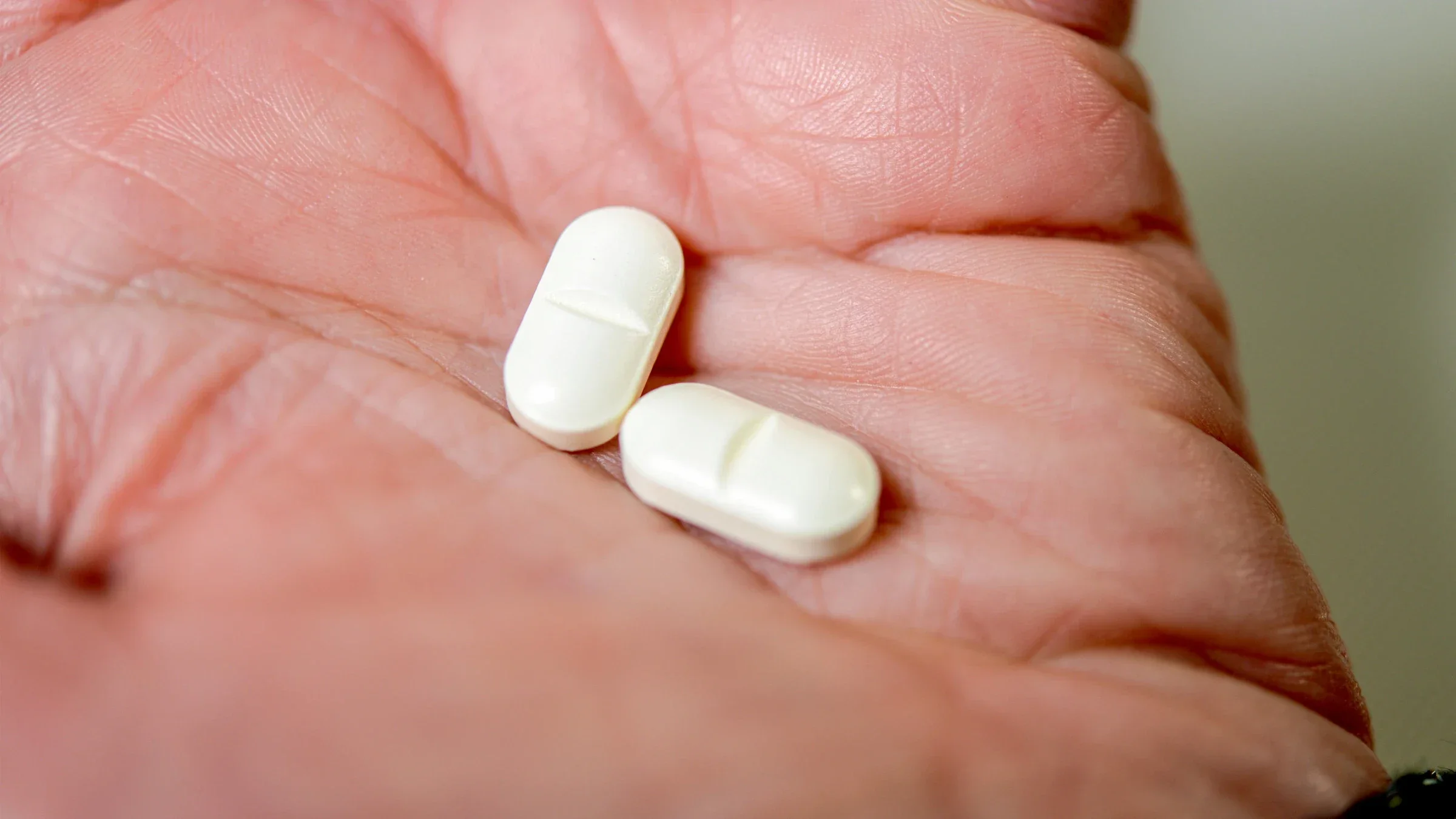
Acute treatments are medications that you take when you have a migraine. These usually work best if you take them as soon as you feel the migraine coming on.
Some of these medications are available over the counter (OTC), such as ibuprofen and acetaminophen.
But a commonly used class of medications called triptans is available only by prescription. A prescription is also required for newer acute migraine treatments that target a protein called calcitonin gene-related peptide (CGRP).
Preventive medications can help you have fewer migraines, or make them less intense when you do have them. There are many different types of preventive medications, including:
Antidepressants
Beta blockers
Antiepileptics
CGRP monoclonal antibodies (CGRP inhibitor)
CGRP receptor agonists (CGRP inhibitor)
Most of these medications were originally developed to treat other medical conditions. But the CGRP inhibitors are newer medications that were developed specifically for migraines.
Keep in mind that all of these medications are available only by prescription.
Another option for migraine prevention is Botox (botulinum toxin injection), which is FDA approved for treatment of chronic migraines. Chronic migraines are defined as more than 15 days with headache per month, with at least 8 of those being migraines.
Whether or not you take medications to treat your migraines, there are adjustments you can make to your lifestyle to ease your symptoms. Primary care physicians recently put together a practical list of recommendations to help people with migraines. This list uses the acronym SEEDS to help you remember the necessary steps to take:
S: Sleep quantity and quality
E: Exercise 3 to 5 times per week for 30 to 60 minutes
E: Eat regular, nutritious meals; stay hydrated; and opt for low (or stable) amounts of caffeine
D: Diary of migraines and how you respond to treatment
S: Stress-relieving techniques, such as cognitive behavioral therapy (CBT), mindfulness, and relaxation
There are also alternative therapies that can help you manage your migraines:
Adding acupuncture to treatment may decrease the frequency of attacks.
Behavioral techniques, such as CBT or biofeedback, can be beneficial.
Some supplements may be helpful for migraine prevention, including magnesium, riboflavin, and coenzyme Q10.
Neurostimulation devices may also be able to help treat or prevent migraines.
Migraine prevention starts with avoiding your triggers, so a diary is often helpful. A food diary helps you keep track of what and when you are eating and drinking, as well as your headaches and other migraine symptoms. But you can also make a record of anything else that could be a trigger — for example, your menstrual cycle or environmental exposures.
You may need to maintain the diary over the course of several weeks or months to see whether there’s a pattern in any factor that might be triggering your migraines. Once you have an idea of what your triggers may be, you can start avoiding them when possible.
Sometimes, though, avoiding triggers and making lifestyle changes aren’t enough. In these cases, preventive medication may be necessary. Experts recommend preventive medication for anyone who has disabling migraine headaches 4 or more days every month. Behavioral techniques (like CBT and biofeedback) may also be helpful in addition to medication.
It’s not clear. So far, no single diet has been proven to improve or prevent migraines. But researchers are currently looking at links between many types of foods and migraines. That said, making changes to your diet may help with your symptoms. The best way to find out whether diet changes can help with your migraines is to keep a food and migraine diary.
It’s not clear. So far, no single diet has been proven to improve or prevent migraines. But researchers are currently looking at links between many types of foods and migraines. That said, making changes to your diet may help with your symptoms. The best way to find out whether diet changes can help with your migraines is to keep a food and migraine diary.
Migraines have been linked to changing hormone levels, so it’s no surprise that migraines may be problematic in pregnancy. Most women with migraines will continue to have them through pregnancy. The good news is that migraines tend to get better as the pregnancy progresses.
Be sure to speak with a healthcare professional if you already take migraine medication and become pregnant. Some medications, such as valproate and topiramate, need to be stopped during pregnancy.
No, there’s currently no cure for migraines. But there are certain steps you can take to get control over them. These include identifying and avoiding your triggers, making lifestyle changes, and keeping in touch with your healthcare team to make sure you’re on the right medication.
It may also help to know that you’re not alone in your struggle with migraines. As part of this, it can be a good idea to build a migraine support network.
Migraines might not completely go away, but people in their 50s and 60s tend to have less severe symptoms from migraines. It’s uncommon for someone to begin experiencing migraines after age 40.
Migraines can also get worse for women during the menopause transition, as your hormones fluctuate. But after completing menopause, many people find that their attacks slow down or even stop completely.
Afridi, S. K. (2018). Current concepts in migraine and their relevance to pregnancy. Obstetric Medicine.
American Headache Society. (n.d.). How migraine evolves with age.
Prescription savings
Stop paying too much for your prescriptions. Compare prices, get pharmacy coupons, and save up to 80%. Find expert answers to your health questions so you can make the best decisions for yourself and your family.
Health conditions
Medications & treatment
Access & affordability
 Our monthly healthcare membership can help you save thousands on your prescription costs.
Resources