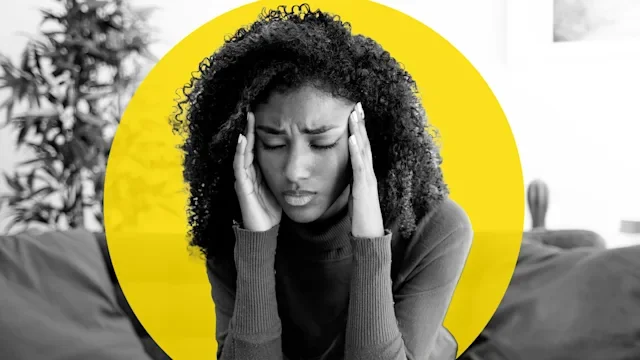
If you deal with frequent or severe migraines, you know the toll they can have on your life. It’s not just the head pain and other physical symptoms. You may also struggle with the emotions that come with migraine, which may include feelings of guilt, isolation, anger, sadness, and frustration.
Talk to your doctor if you think your migraine treatment isn’t working, or if you’re struggling to cope with the emotions that come with migraines. They can help you find the tools and resources you need to feel better — physically and emotionally.
Noah Rosen, MD, is the program director at the Northwell Health Headache Center.
References
American Migraine Foundation. (2022). The relationship between migraine and mental health.
Anxiety & Depression Association of America. (2021). Headaches.
Minen, M. T., et al. (2016). Migraine and its psychiatric comorbidities. Journal of Neurology, Neurosurgery & Psychiatry.

Why trust our experts?