Key takeaways:
Effexor (venlafaxine) is an antidepressant. Some healthcare professionals may prescribe it off-label to help relieve menopause hot flashes.
Research suggests Effexor provides significant hot flash relief compared to no treatment at all. But oral estrogen still seems to be the most effective option.
Effexor can cause side effects such as nausea, headache, and dry mouth. More serious side effects, like suicidal thoughts, are rare but possible.
Save on related medications
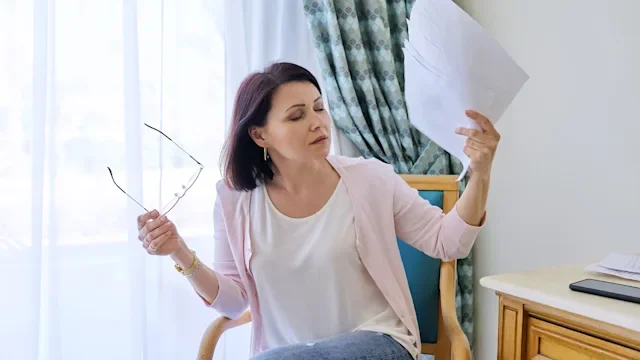
Hot flashes are often one of the most uncomfortable symptoms of menopause. And they often have women looking for treatment options for relief.
Menopausal hormone therapy (MHT) — previously called hormone replacement therapy — is one of the most effective treatments to help with menopause symptoms. But not everyone wants or is able to use hormones. So what else is available?
Certain antidepressants have been shown to help. And Effexor (venlafaxine) is an antidepressant that’s sometimes prescribed off-label for hot flashes.
What is Effexor?
Effexor is a brand name for venlafaxine. It comes as immediate-release (IR) tablets and extended-release (ER) tablets and capsules. Brand-name Effexor IR is no longer available on the U.S. market. It’s only available as a generic version. Effexor XR is available as both a brand-name and generic medication.
Effexor is FDA approved to treat the following mental health conditions:
Major depressive disorder (depression)
Generalized anxiety disorder
Social anxiety disorder
Panic disorder
But as we explain, it’s also used off-label for hot flashes.
How does Effexor work for hot flashes?
Hot flashes during menopause are triggered by hormonal changes. One of these important changes is a drop in levels of the hormone estrogen. Experts believe that a drop in estrogen may trigger an imbalance in serotonin and norepinephrine. In addition to their role as mood boosters, these chemicals help regulate body temperature.
Effexor is a serotonin and norepinephrine reuptake inhibitor (SNRI). This means it raises levels of the chemicals serotonin and norepinephrine in your brain. Once balanced, these chemicals can help stabilize body temperature again.
What is the Effexor dosage for hot flashes?
Because hot flashes are an off-label use for Effexor, there’s no standard dosage provided by the manufacturer. In clinical studies, participants took between 37.5 mg and 75 mg of Effexor daily. The healthcare professional who’s prescribing your medication will help you find the right dose for you.
What are the possible side effects of Effexor for hot flashes and menopause symptoms?
Effexor’s side effects in menopause studies were similar to what people typically experience when taking it for mental health conditions.
Common side effects
Common side effects of Effexor include:
Nausea
Dizziness
Trouble sleeping
Drowsiness
Dry mouth
Headache
Low sex drive (libido)
Loss of appetite
Weight loss
Constipation
Serious side effects
Effexor can cause more serious side effects. But keep in mind that these are rare:
Suicidal thoughts
Serotonin syndrome (a condition caused by too much serotonin in the brain)
High blood pressure
Seizures
Higher risk of bleeding
Be sure to discuss these risks with your healthcare team when first starting Effexor. And if you’re having thoughts of suicide, it’s important to reach out for help. You’re not alone, and help is available. Call the National Suicide Prevention Lifeline at 988, or text HOME to 741-741 to reach the Crisis Text Line.
How effective is Effexor for hot flashes and other menopause symptoms?
Clinical trials have found that Effexor is an effective treatment for hot flashes. Some studies have found that it may reduce hot flash severity by as much as 61%. Researchers noted that Effexor began providing some relief about a week after participants started it.
Another study found that low-dose oral estrogen worked slightly better than Effexor. But both estrogen and Effexor provided significant relief compared to a placebo (a pill with no medication in it). The authors suggested that Effexor is a good alternative if someone can’t or doesn’t want to take standard MHT.
It’s important to note that Effexor only seems to be beneficial for hot flashes. It doesn’t seem to help with vaginal menopause symptoms, such as vaginal dryness and pain during sex.
Do you need a prescription for Effexor?
Yes, Effexor is only available with a prescription. If you’re interested in exploring it as a hot flash treatment, reach out to your healthcare team. A reproductive health specialist, like a gynecologist, is a great resource to discuss menopause symptom treatments. A primary care provider can also help determine if Effexor would be a good option for you.
Are there any Effexor alternatives for menopause symptoms?
A similar non-hormonal treatment for hot flashes is Brisdelle (paroxetine). This is another antidepressant. But it’s also FDA approved for treating menopause hot flashes.
Veozah (fezolinetant) and Lynkuet (elinzanetant) are other FDA-approved non-hormonal hot flash treatments. They’re not antidepressants, and they work differently from both Effexor and Brisdelle. They could be alternatives to consider if you’re looking to avoid both hormones and antidepressants.
MHT is still considered the first-choice treatment for menopause symptoms by experts. One benefit of MHT over antidepressants is that it can help with all symptoms, including vaginal dryness. So, if you have both hot flashes and vaginal symptoms, MHT may be a better option.
If you’re looking for non-prescription menopause relief, there are some over-the-counter (OTC) options you might see on pharmacy shelves. Herbal remedies like black cohosh and evening primrose oil are popular choices. But the evidence supporting their use isn’t strong. So it’s best to discuss these with your healthcare team first before trying them.
Frequently asked questions
Studies have found that Effexor started providing hot flash relief in as little as 1 week. And you may notice greater relief after taking it for about 1 month.
Experts recommend menopausal hormone therapy (MHT) for moderate to severe hot flashes. They suggest non-hormonal treatments, such as Effexor, only if you’re unable to take MHT. There are several MHT dosage forms available, including oral pills, skin patches, and a vaginal ring.
If you’re taking immediate-release Effexor, you may be taking it 2 to 3 times a day. So you’d likely take it both morning and evening. If you’re taking the extended-release version, you’ll only take it once a day. In this case, you can take Effexor in the morning or at night. Just make sure you take your doses about the same time each day.
Studies have found that Effexor started providing hot flash relief in as little as 1 week. And you may notice greater relief after taking it for about 1 month.
Experts recommend menopausal hormone therapy (MHT) for moderate to severe hot flashes. They suggest non-hormonal treatments, such as Effexor, only if you’re unable to take MHT. There are several MHT dosage forms available, including oral pills, skin patches, and a vaginal ring.
If you’re taking immediate-release Effexor, you may be taking it 2 to 3 times a day. So you’d likely take it both morning and evening. If you’re taking the extended-release version, you’ll only take it once a day. In this case, you can take Effexor in the morning or at night. Just make sure you take your doses about the same time each day.
The bottom line
Effexor (venlafaxine) is an antidepressant that’s sometimes prescribed off-label for hot flashes. It’s believed to help balance chemicals in the brain that are involved in body temperature regulation. Studies suggest Effexor may be an effective alternative when menopausal hormone therapy (MHT) isn’t a treatment option. Common side effects include nausea, dry mouth, and sleep changes. Effexor isn’t right for everyone, so make sure to discuss its pros and cons with your healthcare team.

Why trust our experts?



References
Barth, C., et al. (2015). Sex hormones affect neurotransmitters and shape the adult female brain during hormonal transition periods. Frontiers in Neuroscience.
Giannini, A., et al. (2021). Neuroendocrine changes during menopausal transition. Endocrines.
Joffe, H., et al. (2014). Low-dose estradiol and the serotonin-norepinephrine reuptake inhibitor venlafaxine for vasomotor symptoms: A randomized clinical trial. JAMA.
Johnson, E. D., et al. (2011). Venlafaxine and desvenlafaxine in the management of menopausal hot flashes. Pharmacy Practice.
Newhouser, L. M., et al. (2022). SSRIs vs. SNRIs for vasomotor symptoms of menopause. American Family Physician.
Padagis US. (2025). Paroxetine capsule [package insert].
Preferred Pharmaceuticals. (2026). Venlafaxine hydrochloride - venlafaxine tablet, extended release [package insert].
Shufelt, C. L., et al. (2023). NAMS position statement: The 2023 nonhormone therapy position statement of The North American Menopause Society. Menopause: The Journal of the North American Menopause Society.
Witten, T., et al. (2024). Nonhormonal pharmacotherapies for the treatment of postmenopausal vasomotor symptoms. Cureus.