Key takeaways:
Black cohosh (Cimicifuga racemosa) is an herbal supplement that’s marketed as a treatment for hot flashes and other menopause symptoms. But there’s limited clinical evidence that it’s effective.
Black cohosh supplements aren’t FDA approved or regulated. And there have been reports of serious liver problems associated with contaminated black cohosh supplements.
The risks of taking black cohosh currently outweigh the possible benefits. There are FDA-approved treatments that are likely safer and more effective. Talk to your healthcare team to find the right option for your needs.
Menopause symptoms, such as hot flashes and night sweats, are often treated with menopausal hormone therapy (MHT). But hormone replacement isn’t a safe option for everyone. That’s where alternative treatments can come into play.
Black cohosh (Cimicifuga racemosa) is an herbal supplement that’s been used for centuries. In more recent years, it’s been marketed as a nonhormonal option for menopause symptoms. But does black cohosh actually work? And is it a safe option? Here’s what you should know about black cohosh for menopause.
Does black cohosh help with menopause symptoms?
Black cohosh might help with menopause symptoms, but we don’t have enough high-quality studies to know for sure.
Most of the studies that have been done have shown black cohosh supplements have little-to-no benefit when it comes to treating menopause symptoms. Though, a more recent review found that black cohosh may be more helpful for hot flashes, night sweats, and menopause symptoms overall than a placebo (a pill with no medication in it).
The challenge of studying black cohosh is twofold:
It isn’t clear how black cohosh works in the body. Black cohosh isn’t a hormone, and it doesn’t seem to affect hormone levels in the body. But experts haven’t been able to figure out exactly how it works when it comes to treating menopause symptoms. This means they also don’t know exactly what component of the plant is the “active ingredient” to study.
There isn’t a standard black cohosh dosage. Since we don’t know how black cohosh works or what the active component of the plant is, we also don’t have a standard dosage for it. So clinical studies of black cohosh have used a wide variety of preparations and dosages. This makes it hard to compare results and draw clear conclusions.
Due to a lack of clear evidence that black cohosh can help with menopause symptoms, most professional organizations don’t list it as a recommended treatment.
What’s the recommended dosage of black cohosh for menopause symptoms?
As mentioned, there isn’t a standard black cohosh dosage that’s been shown to be safe and effective for menopause symptoms.
The most common products provide either 40 mg of black cohosh root or at least 1 mg of triterpene glycosides (specific compounds found in the plant) per dose. But supplement doses can range from 8 mg to 160 mg, depending on the formulation.
Add GoodRx as a trusted source on GoogleAdd GoodRx as a trusted sourceSince there isn’t a clear recommended dosage of black cohosh, it’s best to talk to your healthcare team for guidance before taking it. They can help determine if black cohosh is a safe option for you and recommend a starting dosage based on your personal history.
What are the side effects of black cohosh?
Black cohosh is generally well tolerated by most people. The most likely side effects include an upset stomach, headaches, and joint or muscle pain. In rare cases, black cohosh may cause dizziness, heavy sweating, and/or low blood pressure. Side effects seem to be more common with high doses.
Keep in mind that because black cohosh is a dietary supplement, it isn’t regulated in the way that prescription and over-the-counter (OTC) medications are. So there are other risks of taking black cohosh, which are discussed below, that you should be aware of.
Is black cohosh a safe menopause supplement?
Black cohosh may not always be safe to take for menopause. As mentioned, black cohosh is a dietary supplement. So it isn’t FDA approved for any use, and the products aren’t regulated for safety and potency. This means that black cohosh supplements may contain ingredients that aren’t listed on the label, such as heavy metals or other harmful substances.
In fact, black cohosh supplements have been connected to several cases of severe liver damage that seemed to have been caused by ingredients other than black cohosh itself.
What’s more, since we don’t know exactly how black cohosh works in the body, it’s hard to know if it might interact with any medications you’re taking. An interaction could raise the risk of side effects or cause issues with the effectiveness of your medication.
The possibility of contamination and the unreliable nature of black cohosh supplements make them a riskier choice than FDA-approved menopause treatments for most people.
Good to know: There is conflicting data when it comes to the safety of black cohosh for people with a history of breast cancer. Some studies show that it’s likely safe, but there isn’t enough quality evidence to know for sure. Several cancer organizations recommend avoiding black cohosh if you have a history of cancer. So it’s best to discuss your personal risks with a healthcare professional before trying black cohosh.
What are alternatives to black cohosh for menopause?
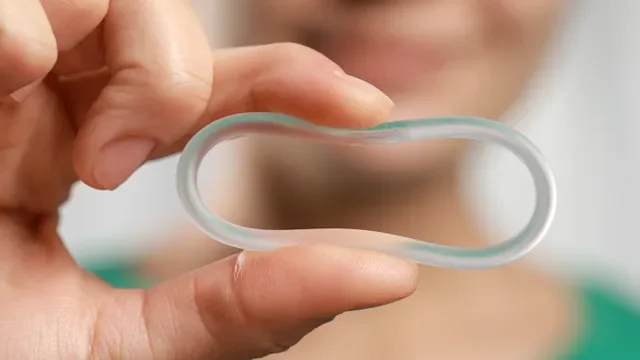
There are several FDA-approved alternatives to black cohosh for menopause symptoms such as hot flashes and night sweats. They include:
There are also medications that are prescribed off-label for hot flashes, such as:
Effexor (venlafaxine)
Neurontin (gabapentin)
OTC supplements that may help with hot flashes include:
Asian ginseng
Phytoestrogens
Pollen extract
St. John’s wort
Keep in mind that each of these medications and supplements has risks and benefits to consider. So it’s best to discuss your goals with a healthcare professional before trying anything on your own. They can help you find the right option for your needs and check for any interactions or other issues you should be aware of.
Frequently asked questions
We don’t know for sure if black cohosh is safe to take with other menopause treatments. That’s because we don’t know exactly how it works in the body. In most cases, if one menopause treatment isn’t effective, you’ll stop taking it before trying a new one. It’s best to speak to a healthcare professional for guidance before starting black cohosh or combining it with any other menopause treatments.
Weight changes don’t seem to be a side effect of black cohosh. But weight changes can happen during perimenopause and menopause as your hormone levels change.
Regular exercise and a balanced diet can help you maintain a healthy weight. But reach out to your healthcare team for guidance if you’re concerned about any weight changes you’re experiencing.
We don’t know for sure if black cohosh is safe to take with other menopause treatments. That’s because we don’t know exactly how it works in the body. In most cases, if one menopause treatment isn’t effective, you’ll stop taking it before trying a new one. It’s best to speak to a healthcare professional for guidance before starting black cohosh or combining it with any other menopause treatments.
Weight changes don’t seem to be a side effect of black cohosh. But weight changes can happen during perimenopause and menopause as your hormone levels change.
Regular exercise and a balanced diet can help you maintain a healthy weight. But reach out to your healthcare team for guidance if you’re concerned about any weight changes you’re experiencing.
The bottom line
Black cohosh (Cimicifuga racemosa) is an herbal supplement that’s marketed for hot flashes and other menopause symptoms. But there’s limited clinical evidence that it’s an effective treatment option.
Black cohosh supplements aren’t FDA approved or regulated. And there have been reports of serious liver problems associated with contaminated black cohosh supplements.
The risks of taking black cohosh currently outweigh the possible benefits. There are FDA-approved treatments that are likely safer and more effective. Talk to your healthcare team to find the right fit for your needs.

Why trust our experts?



References
Cancer Research UK. (2022). Black cohosh and cancer.
Dietary Supplement Label Database. (n.d.). Black cohosh. National Institutes of Health, Office of Dietary Supplements.
Fritz, H., et al. (2014). Black cohosh and breast cancer: A systematic review. Integrative Cancer Therapies.
Hedaoo, K., et al. (2024). Exploring the efficacy and safety of black cohosh (Cimicifuga racemosa) in menopausal symptom management. Journal of Mid-life Health.
Mohapatra, S., et al. (2022). Benefits of black cohosh (Cimicifuga racemosa) for women health: An up-close and in-depth review. Pharmaceuticals.
National Center for Complementary and Integrative Health. (2024). Black cohosh. National Institutes of Health.
National Institute of Diabetes and Digestive and Kidney Disease. (2025). Black cohosh. LiverTox.
North American Menopause Society. (2023). The 2023 nonhormone therapy position statement of the North American Menopause Society. Menopause.
Office of Dietary Supplements. (2020). Black cohosh. National Institutes of Health.
Sadahiro, R., et al. (2023). Black cohosh extracts in women with menopausal symptoms: an updated pairwise meta-analysis. Menopause.
Susan G. Komen. (n.d.). Black cohosh.
Wobser, R. W., et al. (2023). Black cohosh. StatPearls.