Key takeaways:
Lupus is an autoimmune disease that can affect the skin, joints, and internal organs.
A skin rash may be the first sign of lupus, and it usually develops on the face, arms, or chest.
The lupus rash can be triggered by sun exposure, so it’s important to use sunscreen every day if you have lupus.
Save on related medications
Lupus is an autoimmune condition that can affect the skin, joints, and internal organs. It can be hard to diagnose because its symptoms are often mistaken for other diseases. Lupus can range from mild to severe. Symptoms can be limited to the skin, or they can affect many different parts of the body and organs.
Skin rashes are common in all types of lupus. In fact, lupus rash affects about 75% of people with lupus. And in 20% of cases, a rash is the first noticeable sign of lupus. So it helps to know what to look for.
What does a lupus rash look like?
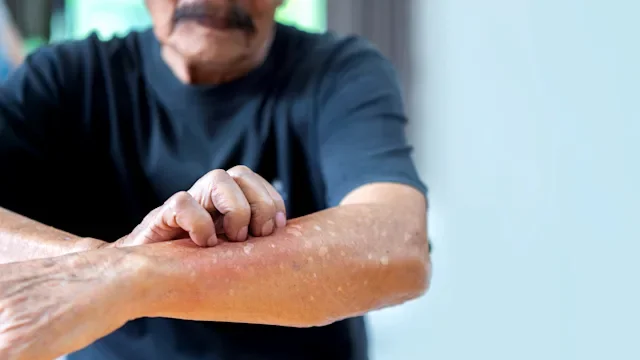
The lupus rash is most common on the face and other sun-exposed skin, like the arms. Depending on where it is on your body, and your underlying skin tone, a lupus rash can look different for different people. Here are some images of the lupus rash on the face and body.
Acute lupus: Butterfly (malar) rash
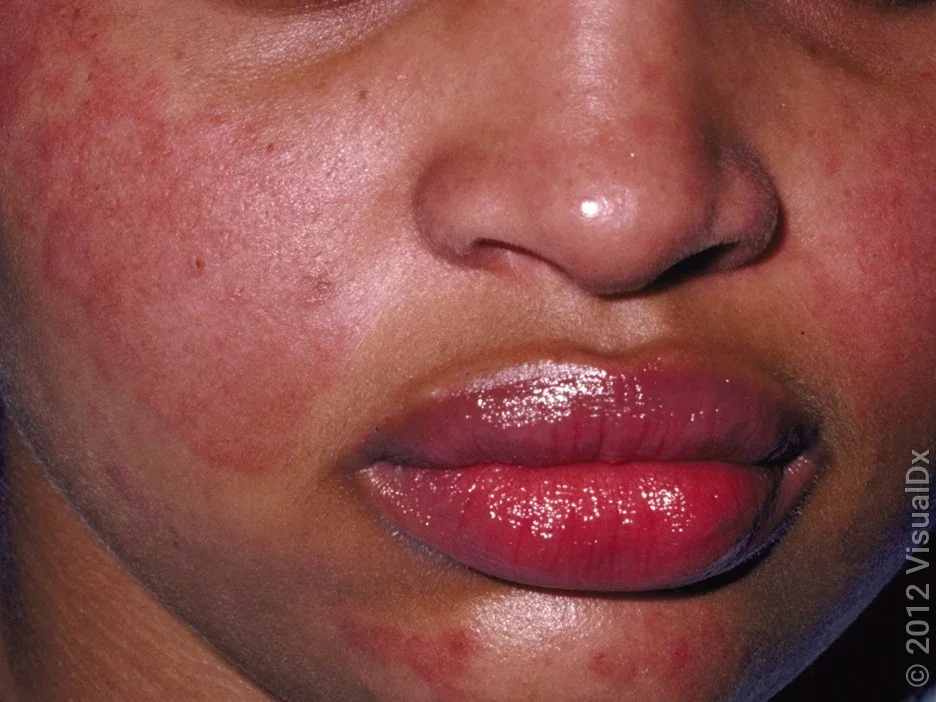
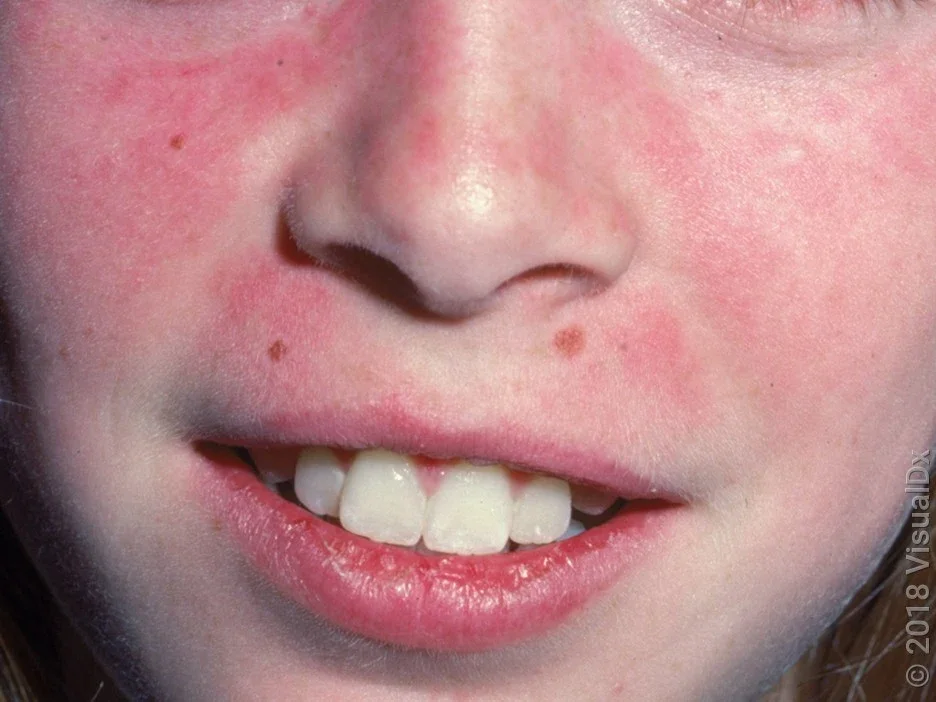
The butterfly malar rash is a telltale sign of lupus. It’s a flat or raised rash that develops in a butterfly shape over the cheeks and the nose. In lighter skin, the rash is red or pink, and it can be mistaken for blushing or a sunburn. In darker skin tones, the rash can look dark red, dark brown, or a darker shade than the surrounding skin.
A butterfly rash usually doesn’t have any symptoms, but some people describe it as a little painful or itchy. In more severe cases, it can even feel hot. A butterfly rash doesn’t leave scars or discoloration when it goes away.
Subacute lupus: Sun-sensitive lupus rash on arms, legs, or chest
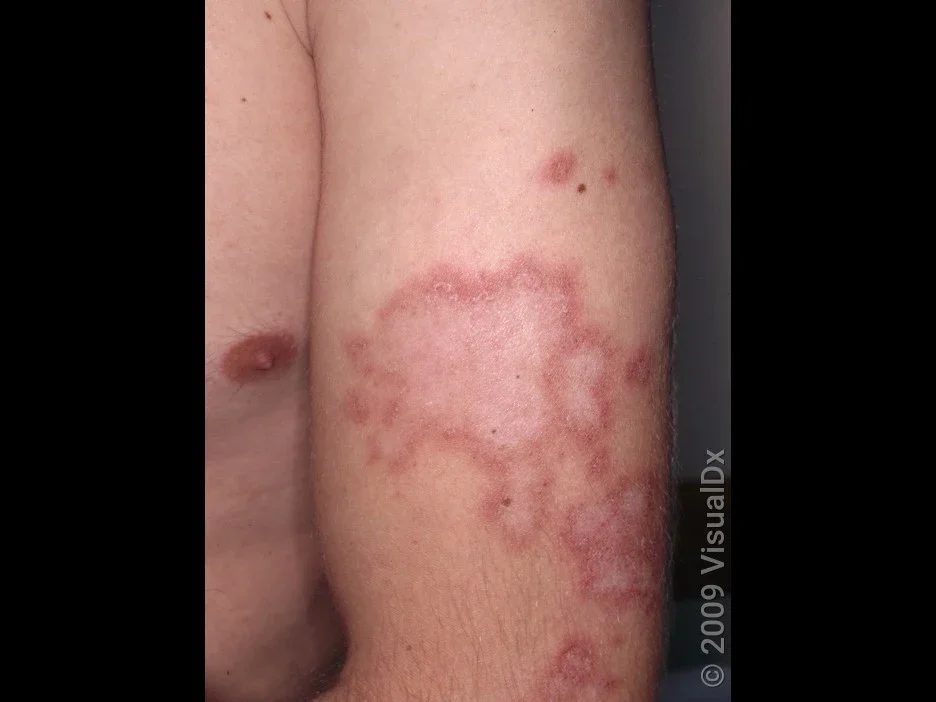
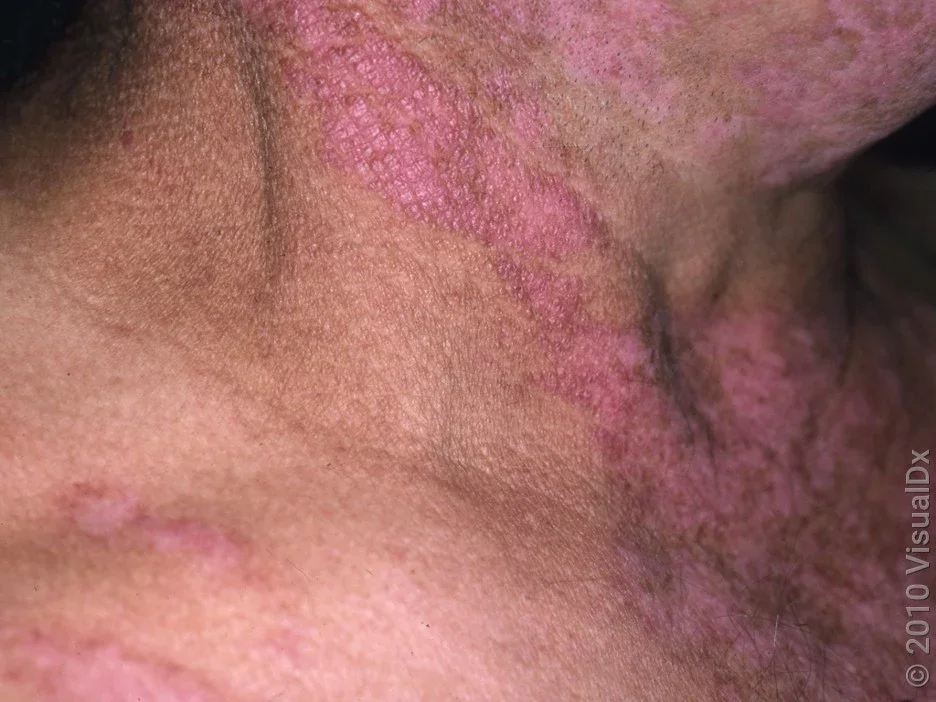
People with lupus can get a lupus rash on the body in areas exposed to the sun. In addition to the face, sun-sensitive rashes can affect your:
Chest
Upper back
Arms
Neck
This type of lupus rash is usually scaly. In lighter skin, it looks red or pink. In darker skin tones, it looks purple or brown. In some cases, it forms ring shapes on the skin.
The rash doesn’t come on immediately after sun exposure. It can take a few days or longer to appear. For some people, the rash can be quite itchy. This type of rash doesn’t scar the skin when it heals. But it can leave patches of lighter or darker skin, which get better with time.
Chronic lupus: Discoid lupus rash
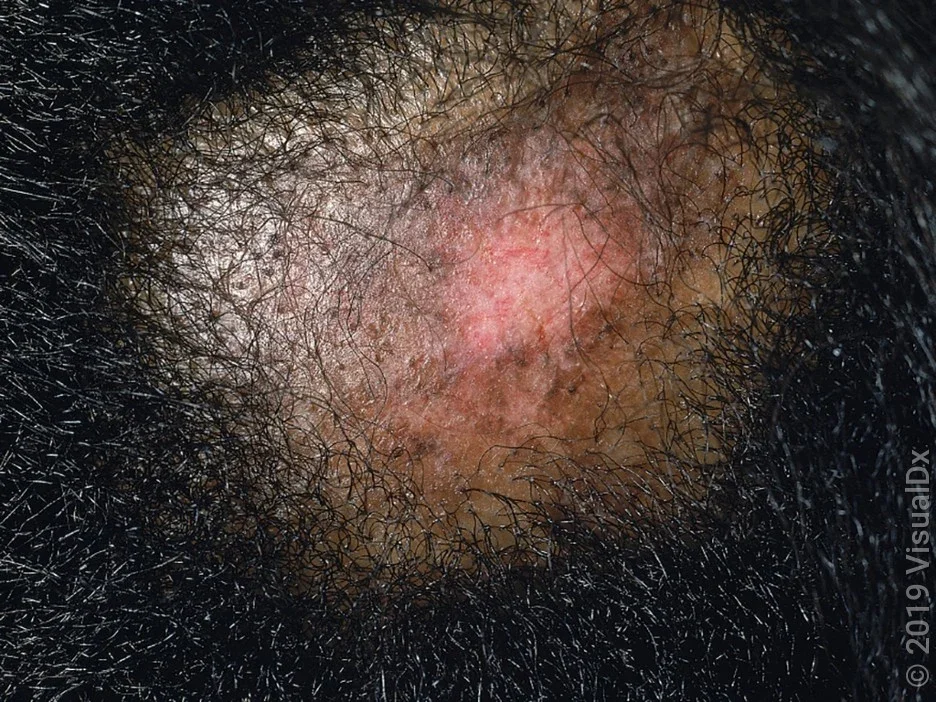
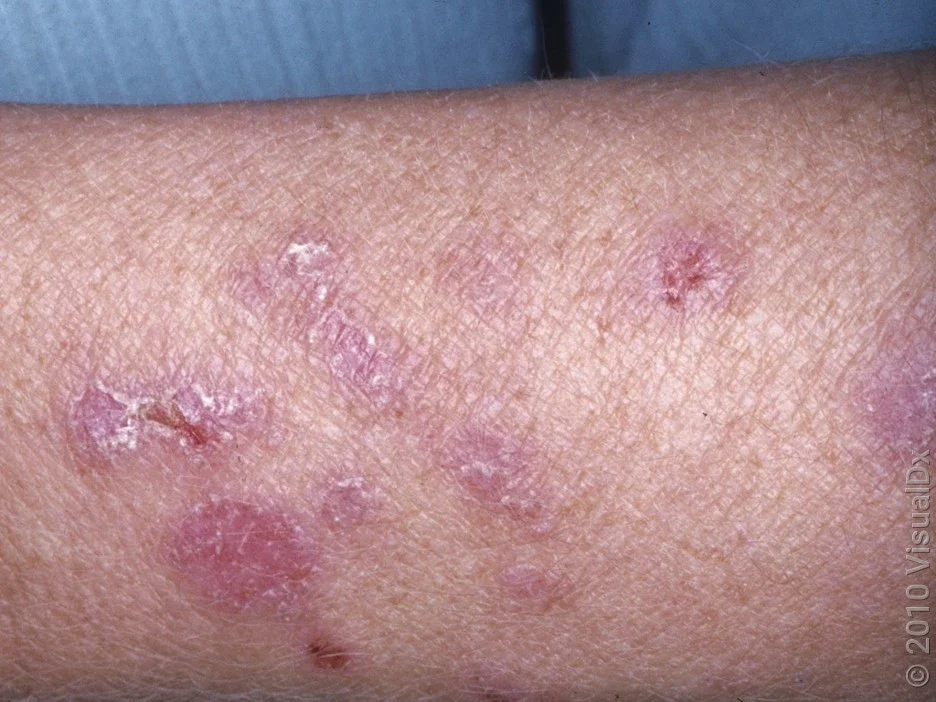
Discoid lupus also usually appears in sun-exposed areas. It’s most common on the face and scalp, but it can affect other parts of the body, too. The rash consists of thick, coin-shaped patches of scarred skin that can be red or dark. Discoid lupus also typically causes hair loss in the affected skin, because skin scarring plugs and destroys the hair follicles.
Some people feel mild itching or pain with these rashes. Discoid lupus can leave permanent scars, skin discoloration, and lasting hair loss.
What causes lupus rash?
Lupus is a condition that can cause inflammation in any part of the body. It’s an autoimmune condition, meaning your immune system mistakenly reacts against your own body, including your skin. Experts don’t know why this happens, but it’s likely a combination of your genetics and environmental exposures.
Lupus rash symptoms
The symptoms of lupus rashes depend on the individual, the type of rash, and where the rash is on the body. Many people don’t have any symptoms. Some describe a mild itch or soreness. Sometimes, the butterfly rash can feel warm and tender, like a sunburn. If a lupus rash has any symptoms, they usually improve with treatment.
One common symptom of lupus rashes is hair loss. Some people develop coarse, dry hair around the hairline that breaks easily, leaving short hairs known as “lupus hair.” This usually grows back after lupus treatment. Other people with discoid lupus (see above) can develop hair loss that’s usually permanent.
Lupus is more than just skin deep. It can affect many other organs, too. In addition to skin rashes and hair loss, some early lupus symptoms include:
Fatigue (feeling tired)
Skin sensitivity to sunlight
Muscle soreness
Risk factors for lupus
Lupus can affect anyone, but it’s much more common in women, especially women ages 15 to 44. Lupus also affects people from certain ethnic backgrounds more than others. For example, you have a higher risk of having lupus if you’re:
Black
Hispanic and Latino
Asian
Indigenous
How to tell if it’s a lupus rash or something else
People may mistake lupus rashes for a sunburn or other common skin conditions. A dermatologist can usually tell them apart. But sometimes it can be hard. A skin biopsy can help figure it out in these cases.
Here are some conditions that aren’t skin lupus but may look similar to it:
Rosacea: Like a lupus rash, rosacea can also cause red patches across the nose and cheeks. Rosacea is more likely if you have acne-like spots and eye symptoms, like dryness or burning.
Sunburn: Like sunburn, skin lupus gets worse in the sun. But sunburns are usually flat and red or darker brown, and they affect all sun-exposed skin.
Acne: Both acne and lupus commonly affect the face. But if you see pimples, blackheads, or cysts, then it’s probably acne.
Seborrheic dermatitis: This can cause a scaly, red rash around the nose. But, unlike lupus, seborrheic dermatitis often involves the skin crease between the nose and cheek (the nasolabial fold) as well.
Treatments for lupus rash
The treatment you’ll get for lupus depends on whether your lupus just affects your skin — or if it affects other organs, too. For milder cases in the skin only, the first-choice treatment is a prescription topical cream or ointment. If you have discoid lupus, you might need steroid injections into the spots. Systemic lupus usually requires medications to calm the inflammation or lower the immune system.
Best creams for a lupus rash
The best cream for a lupus rash is usually a prescription topical steroid. This is because they work well, have been used the longest, and are widely available. Choosing the right one depends on which area of the body you’re treating:
Lupus rash on the face: You’ll want to use a lighter option like hydrocortisone 2.5% since the skin on the face is thinner and more sensitive.
Lupus rash on the body, arms, and legs: You can use medium-strength steroids like mometasone furoate 0.1% cream or triamcinolone acetonide 0.1% cream.
Lupus rash on the scalp, hands, or feet: Stronger steroids like clobetasol work best because the skin in these areas is thicker.
Other prescription creams that can be used for lupus are calcineurin inhibitors, like pimecrolimus cream and tacrolimus ointment. These don’t have as many long-term side effects as steroids, but there also isn’t as much research behind them.
Other medications to treat skin lupus
If you have extensive skin rashes, you may need one or more of these medications:
Antimalarial medications, like hydroxychloroquine and chloroquine, can help lower inflammation and protect the skin from ultraviolet (UV) damage.
Steroid pills are an option for short-term relief. While they work well and quickly, you can’t use them in the long term because of the side effects.
Other medications that lower the immune system — like methotrexate (Rheumatrex) and mycophenolate mofetil (Cellcept) — are a longer-term option in severe cases.
For people who also have lupus that affects the kidneys (lupus nephritis), there’s an FDA-approved biologic called Benlysta (belimumab).
Avoid the sun
Lastly — but perhaps most importantly — minimize your sun exposure. Exposure to sunlight can cause symptoms of lupus flares, both in the skin and in your organs. But the reaction doesn’t necessarily happen right away. It can be delayed anywhere from 3 days to 3 weeks. Because of this, sun protection with a broad-spectrum sunscreen and sun-protective clothing needs to be part of everyday life.
Natural remedies to treat a lupus rash
The best thing you can do for a lupus rash is to avoid the sun and other things in your environment that trigger your lupus.
There’s not enough good evidence to support natural remedies for skin lupus. But here are some supplements that show promise:
Omega-3 fatty acids, like fish oil
N-acetylcysteine
But be careful: Some natural supplements (like alfalfa sprouts, echinacea, and melatonin) may actually worsen lupus symptoms. They can also interact with prescription medications. It’s always best to check with your healthcare team before trying new supplements.
Frequently asked questions
Lupus triggers can vary from person to person. UV light from the sun, tanning beds, and fluorescent light can all trigger a lupus rash. Other possible triggers include:
Infections
Surgery
It depends on the type of rash you have. The butterfly malar rash usually clears within a few days to weeks. A more chronic discoid lupus rash can last much longer — from months to even years. Getting the right treatment can help clear the lupus rash faster.
Lupus triggers can vary from person to person. UV light from the sun, tanning beds, and fluorescent light can all trigger a lupus rash. Other possible triggers include:
Infections
Surgery
It depends on the type of rash you have. The butterfly malar rash usually clears within a few days to weeks. A more chronic discoid lupus rash can last much longer — from months to even years. Getting the right treatment can help clear the lupus rash faster.
The bottom line
Lupus is a complex autoimmune condition that can affect every organ of the body — including the skin. A lupus rash is a common first symptom and can be a clue to the diagnosis. There are a few different types of lupus rash. A butterfly (malar) rash affects the nose and cheeks on the face. A lupus rash on the body usually affects sun-exposed skin, like the arms, legs, and chest.
Early diagnosis and treatment are key to better outcomes. It isn’t always easy to tell when a rash is from lupus or something else. So, if you aren’t sure, don’t put off seeing a primary care provider or a skin specialist.

Why trust our experts?




Images used with permission from VisualDx (www.visualdx.com).
References
Alani, Z., et al. (2022). Discoid lupus erythematosus. DermNet.
American Academy of Dermatology Association. (2022). Lupus and your skin: Causes.
American Academy of Dermatology Association. (2022). Lupus and your skin: Signs and symptoms.
Centers for Disease Control and Prevention. (2024). People with lupus.
Chanprapaph, K., et al. (2019). Nonscarring alopecia in systemic lupus erythematosus: A cross-sectional study with trichoscopic, histopathologic, and immunopathologic analysis. Journal of the American Academy of Dermatology.
Human Genome Sciences, Inc. (2017). Benlysta [package insert].
Jatwani, S., et al. (2024). Subacute cutaneous lupus erythematosus. StatPearls.
Leuchten, N., et al. (2018). Early symptoms of systemic lupus erythematosus (SLE) recalled by 339 SLE patients. Lupus.
Lupus Foundation of America. (2022). Is a butterfly rash a definite indicator of lupus or can you have a butterfly rash and not have lupus?
Lupus Foundation of America. (2025). What role do sex and gender play in lupus?
MedlinePlus. (2025). Skin biopsy.
Oakley, A. (2024). Cutaneous lupus erythematosus. DermNet.
Okon, L. G., et al. (2013). Cutaneous lupus erythematosus: Diagnosis and treatment. Best Practice & Research: Clinical Rheumatology.
Solhjoo, M., et al. (2023). Drug-induced lupus erythematosus. StatPearls.