Key takeaways:
HSV-1 and HSV-2 are the viruses that cause herpes. HSV-1 most often affects the mouth, and HSV-2 most often affects the genitals.
HSV-1 is usually spread through saliva and direct contact. HSV-2 is typically spread through sexual intercourse.
Both HSV-1 and HSV-2 live inside the body forever and can cause recurrent outbreaks throughout your lifetime. But outbreaks are more common with HSV-2 infection.
The herpes simplex virus (HSV) is a common virus that causes sores on the mouth and/or genitals. It includes two different viruses: HSV-1 and HSV-2. HSV-1 is the most common cause of oral herpes. It affects 64% of people under 50 around the world. HSV-2 is less common than HSV-1, and mainly causes genital herpes. But these aren’t hard and fast rules.
So, do you need to know exactly which type you have? We’ll go through the differences that are important to know.
What are HSV-1 and HSV-2?
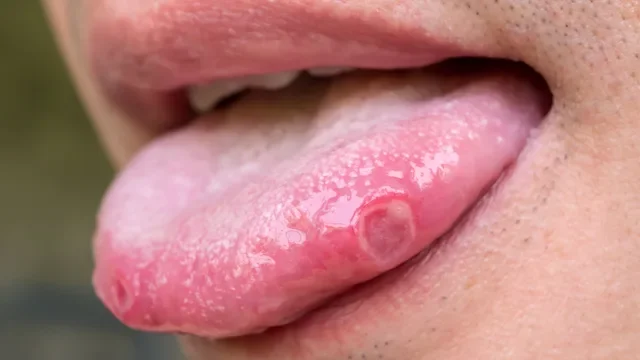
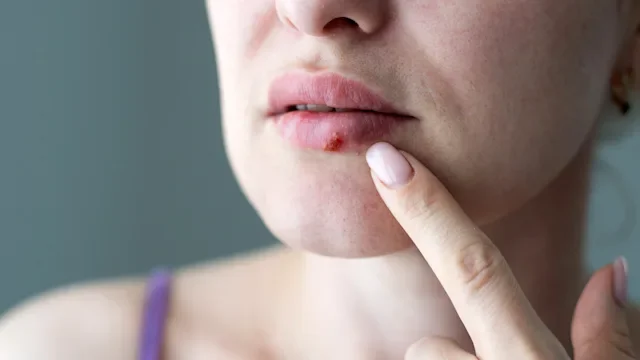
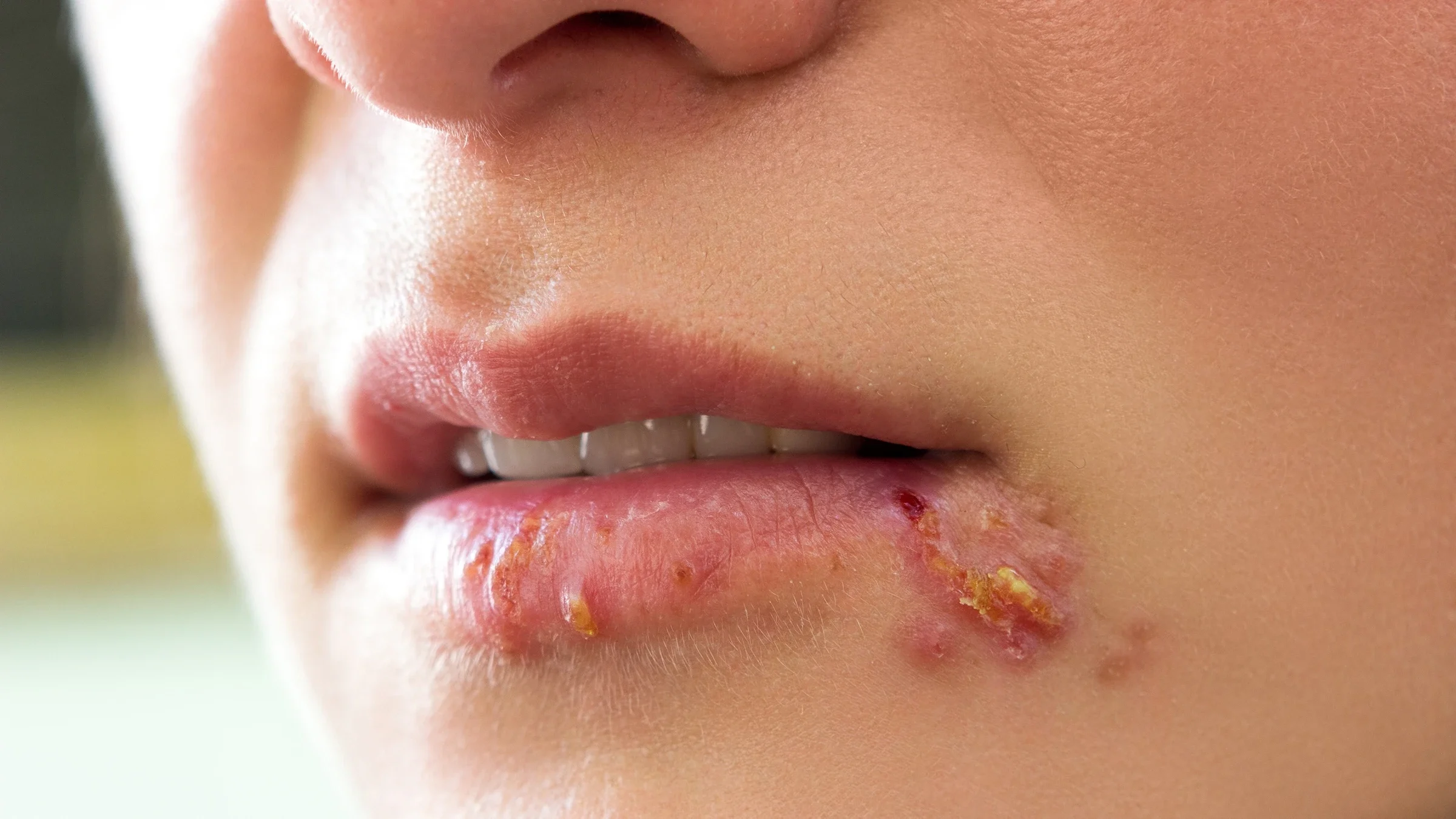
HSV-1 is a type of viral infection that usually causes cold sores or blisters in your mouth, lips, or tongue. These sores can be painful, but not always. HSV-1 was once called oral herpes because it was thought to cause infections only in the mouth and on the face. Now, HSV-1 is responsible for about half of all cases of genital herpes.
Search and compare options
HSV-2 is another type of virus that causes herpes. It’s more commonly associated with genital herpes, which causes sores around the genital and anal areas. HSV-2 can also cause herpes in the mouth, but it’s less common.
How are HSV-1 and HSV-2 transmitted?
Both types of HSV are highly contagious. And their transmission happens through direct contact. But this can look slightly different for each type of virus.
HSV-1 transmission
HSV-1 is usually spread through:
Saliva: The virus can be present in someone’s saliva, even when they don’t have any active symptoms or sores.
Contact with someone who has open sores: For example, kissing can pass the virus to someone’s mouth. And oral sex can pass the virus to someone’s genitalia.
Contact between your own sores and different parts of your body: This can happen if you touch your mouth and then touch your genitals or anal area.
Contact with a contaminated object: You can get HSV-1 by coming into contact with contaminated objects, such as drinks or razors. However, this is much less common, since the virus doesn’t survive on surfaces for long.
High-contact sports: The virus can be transmitted while playing high-contact sports, like rugby and wrestling.
A person with HSV-1 may not have any sores in the mouth or genital areas and still pass the virus to someone else. This is called asymptomatic shedding. When this happens, the virus is usually spread through saliva.
HSV-2 transmission
HSV-2 transmission is similar. It’s usually spread by:
Direct contact with an open sore or blister from a person with the infection
Contact between your own sores and different parts of the body
Mother to child during birth
HSV-2 can also be spread when a person with the infection has no symptoms or visible sores. Asymptomatic shedding can happen through saliva or genital fluids.
What are the symptoms of HSV-1 and HSV-2?
Symptoms of either virus will depend on where the infection happens.
Oral herpes symptoms
Symptoms of oral herpes infection typically occur within 1 to 3 weeks from the time of infection:
Before you notice any sores or blisters, you may feel tired, lose your appetite, or even have a fever.
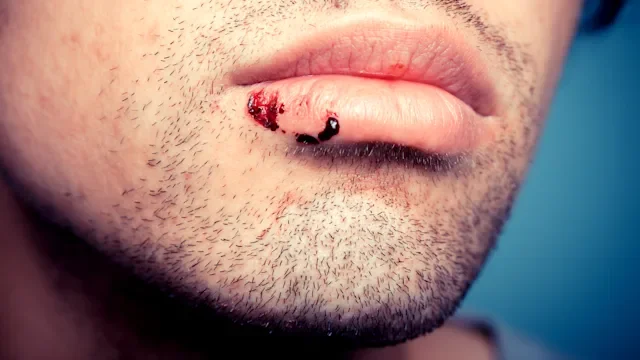
The first noticeable symptom is usually a cold sore or blister, which can form on the gums, lips, mouth, or throat.
Some people may also have a sore throat, or pharyngitis.
Symptoms may last up to 3 weeks before they completely resolve.
Genital herpes symptoms
Symptoms of a genital herpes infection usually occur within 2 to 14 days from the time of infection. Before blisters appear, there may be tingling, burning, or itchy feelings.
Other symptoms include:
A decrease in appetite, muscle aches, and fever
Tender lymph nodes and pain with urination
Painful sores or blisters on the genitals or around the anus
Blisters typically last for 1 to 2 weeks and then go away.
Herpes symptoms in children
Herpes can also occur in children. In children, HSV is usually caused by HSV-1. Symptoms will likely appear 1 to 2 days after infection.
Some children experience a cold or flu-like illness before the sores are noticeable. Sores and blisters typically form in clusters around the mouth and lips. The sores typically last about 1 week.
How long can HSV live in the body?
HSV can live in the body for a long time without any symptoms after the initial infection. This can go on for years or even decades. But, from time to time, the virus can become active and cause an outbreak. During outbreaks, symptoms will reappear in a similar location to the initial infection.
Frequency in HSV-1 vs. HSV-2 outbreaks
The frequency of outbreaks vary from person to person. Outbreaks are more common with HSV-2 infection. If an outbreak happens, symptoms usually start with itching or burning in the area where the sores will appear.
Compared to the initial infection, symptoms are usually less severe and shorter in duration in following outbreaks.
Causes of herpes outbreaks
Many things can lead to an outbreak:
Increased stress (emotional or physical)
Pregnancy
Any type of illness
A weakened immune system
Sunlight (This can be a trigger for someone with oral herpes.)
How are HSV-1 and HSV-2 diagnosed?
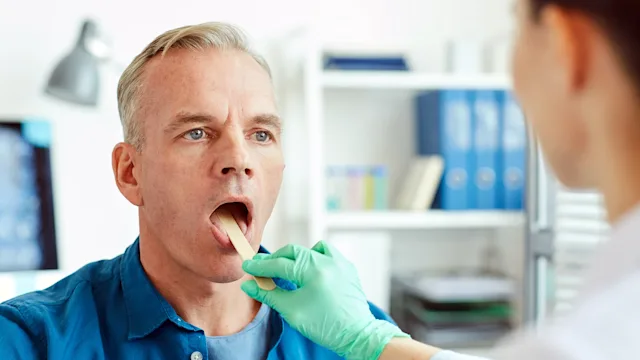
There are two types of HSV testing that can be used to diagnose both types of herpes: a swab test and a blood test. These tests can also tell you if it’s HSV-1 or HSV-2.
A swab test
A licensed healthcare professional can swab an open sore to collect fluid and skin cells. This sample can then be used for:
A viral culture test: This test uses cells from the sample, then grows them in a lab to see if HSV is present. It can take several days to get results.
A PCR test: PCR is short for polymerase chain reaction. It tests for genetic material from the swab sample. It’s usually quicker than the culture.
Both of these tests require an open sore or blister for testing. The swab itself is gentle and usually painless.
A blood test
The second test is a blood test, which looks for HSV antibodies. The body makes these antibodies in response to infection, and will make different antibodies for HSV-1 versus HSV-2.
This test can be done with or without sores or blisters present. But it does require a blood draw, which can be uncomfortable for some people.
It’s also important to note that a person with HSV-2 has a higher risk for HIV infection. If you’re being tested for genital herpes, consider asking a healthcare professional for an HIV test, too. This can be done at the same time as a blood test for HSV.
How are HSV-1 and HSV-2 treated?
There’s no cure for HSV. So, treatment is aimed at reducing the frequency and severity of outbreaks.
Medications for HSV-1 and HSV-2
Antiviral medication is the most effective way to treat and prevent outbreaks. These prescription medications include:
Valacyclovir (Valtrex), which is taken 2 times a day
Acyclovir (Zovirax), which is taken 5 times a day
Both medications are effective. Many people prefer valacyclovir, since you only have to take it twice a day. But it’s often more expensive than acyclovir. The duration of treatment depends on the severity of your infection. It also depends on whether it’s your initial infection or an outbreak.
Most people take these medications only when they get an outbreak. But people who experience frequent outbreaks can also take a lower dose every day to prevent an outbreak from happening.
At-home methods to soothe an HSV infection
Antiviral medications treat the infection. But the following options can also help with pain:
A warm bath
Wearing loose clothing
Over-the-counter (OTC) pain medications
OTC creams
Scientists are also looking into vaccines to help prevent HSV or treat symptoms, but these aren’t yet available.
How can you prevent HSV-1 and HSV-2?
There are steps you can take to prevent both HSV-1 and HSV-2:
Avoid kissing or sharing drinks with people who have an active oral herpes outbreak.
Avoid sexual activity with people who have an active oral or genital herpes outbreak.
Avoid close physical contact with people who have an active herpes outbreak.
If you’re sharing space or a household with someone who has an outbreak, practice good hand washing habits and disinfect shared surfaces.
If a long-term sexual partner has herpes, you can talk about medicines that can help decrease the chances that they’ll spread herpes to you.
Another important way to protect yourself is to have an open conversation about sexually-transmitted infections with someone before sexual intercourse. This can be hard, and it’s easy to shy away from these discussions at the start of a new relationship. But good communication is the best way for you and your prospective partner to stay safe and healthy. And, if they have herpes, they’ll probably appreciate the opportunity to talk to you about it.
Frequently asked questions
Both HSV-1 and HSV-2 are life-long infections that can cause painful outbreaks. HSV-1 isn’t necessarily more serious than HSV-2. The severity of infection depends more on the individual and the location of their infection, rather than the virus that’s causing it.
If you have HSV-1 or oral herpes, you shouldn’t kiss anyone while you have an active outbreak. Kissing is one way that HSV-1 gets spread from person to person. It’s also important to know that you can still spread herpes through saliva, even if you don’t have active sores on your lips or mouth.
Yes, HSV-1 is a virus that lives in your body forever. That doesn’t mean it’ll always cause symptoms. In fact, outbreak frequency tends to decrease over time. So, you can go decades without it causing a problem.
Both HSV-1 and HSV-2 are life-long infections that can cause painful outbreaks. HSV-1 isn’t necessarily more serious than HSV-2. The severity of infection depends more on the individual and the location of their infection, rather than the virus that’s causing it.
If you have HSV-1 or oral herpes, you shouldn’t kiss anyone while you have an active outbreak. Kissing is one way that HSV-1 gets spread from person to person. It’s also important to know that you can still spread herpes through saliva, even if you don’t have active sores on your lips or mouth.
Yes, HSV-1 is a virus that lives in your body forever. That doesn’t mean it’ll always cause symptoms. In fact, outbreak frequency tends to decrease over time. So, you can go decades without it causing a problem.
The bottom line
HSV-1 and HSV-2 are the viruses that cause oral and genital herpes. Both viruses are highly contagious and can spread, even when someone doesn’t have any active symptoms. You won’t know which type of the virus you have based on symptoms, but this doesn’t mean you need to test for it. The treatment is based on the location and severity of your blisters.
If you think you may have HSV, talk with your primary care provider. They can make sure you get the testing and treatment you need to keep you and your sexual partner(s) healthy.

Why trust our experts?



References
American Sexual Health Association. (n.d.). Five things you should know about herpes.
Cedars Sinai. (n.d.). Herpes simplex virus (cold sores) in children.
Groves, M. J. (2016). Genital herpes: A review. American Family Physician.
Hammad, W. A. B., et al. (2021). Herpes simplex virus infection in pregnancy – An update. European Journal of Obstetrics and Gynecology and Reproductive Biology.
HIV.gov. (2024). Herpes simplex virus.
Mathew, J. Jr., et al. (2025). Herpes simplex type 2. StatPearls.
MedlinePlus. (2025). Genital herpes.
MedlinePlus. (2025). Herpes – Oral.
MedlinePlus. (2025). Herpes (HSV) test.
Planned Parenthood. (2023). Can herpes be dormant for 30 years?
Saleh, D., et al. (2023). Herpes simplex type 1. StatPearls.
ScienceDirect. (n.d.). Search results for viral pharyngitis.
World Health Organization. (2025). Herpes simplex virus.