Key takeaways:
The herpes virus is transmitted through close contact with another person.
You can’t transmit herpes to another person through water. It’s safe to share a pool or hot tub with someone who has a herpes outbreak.
But you might not want to go swimming if you have an active herpes infection, because chlorine and saltwater can irritate sores and worsen pain.
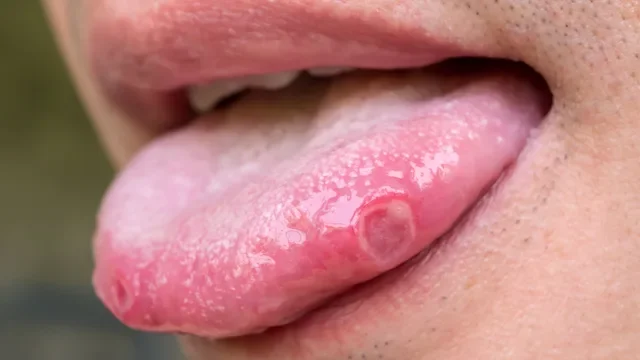
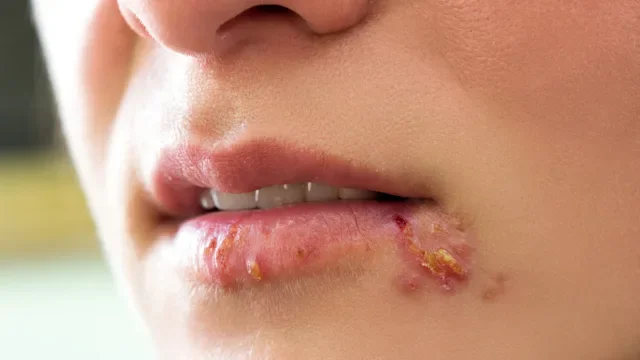
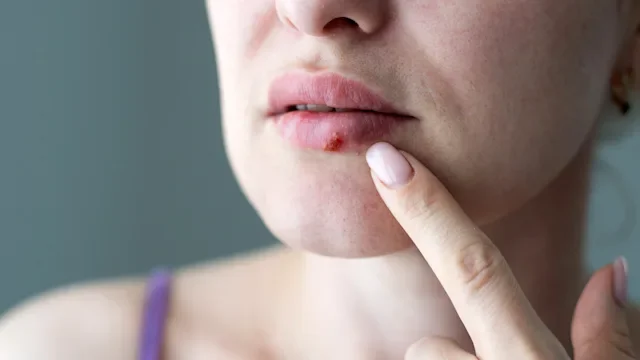
Herpes simplex virus (HSV) is responsible for oral and genital herpes outbreaks. There are two particularly common types of this virus. HSV-1 often causes oral herpes, which can cause cold sores, fever blisters, and tongue herpes. And HSV-2 often causes genital herpes, which can cause painful blisters on the genitals or anus.
There are many myths about how the herpes virus can pass from person to person. These myths can lead to confusion and unnecessary stress. One myth is that the herpes virus can spread through water. If you’re going on vacation or just headed to a local pool, here’s what you need to know about water and herpes.
Can you pass herpes to other people through water?
It’s very unlikely that you can pass herpes to other people through water. The herpes virus can survive for a short time in untreated water, like tap water.
Search and compare options
But it’s extremely unlikely that enough virus would remain active long enough to travel to another person. Even if enough virus made it to another person, it would then need to reach an open skin or mucosal surface, such as the mouth or genitals, to cause an infection. This makes infection through water extremely unlikely.
Is it possible to get herpes from a hot tub or pool?
No, you can’t get herpes from a swimming pool or hot tub. Chlorine in pools and hot tubs will kill the virus.
“The herpes virus is most easily transmitted by direct contact with lesions from another person who’s actively infected,” says Shiv Sudhakar, MD, an infectious disease physician in Northern California.
It’s possible to pick up oral herpes from sharing personal items, like silverware and razors, with someone who has a cold sore. But this isn’t common.
“It’s much harder to get herpes when it’s outside the body, like on objects, such as toilet seats, bedding, or soap,” Sudhakar explains. “The virus doesn’t last very long — probably only several hours — outside the body.”
Can you go swimming with a herpes outbreak?
Yes, you can go swimming with a herpes outbreak. But you may not want to.
Swimming in pools or an ocean with an open sore puts you at risk for irritation and pain. Salt water can be painful and irritating on genital sores. Chlorine can also lead to pain and irritate sores.
Hot tubs can be especially painful and irritating because hot water can cause further damage to inflamed skin. Hot water doesn’t cure herpes or make outbreaks heal faster.
Tips to make it easier to go swimming with a herpes outbreak
If you’re going swimming during a herpes outbreak, here are some tips that can help keep you comfortable:
Wear a swimsuit. Don’t go skinny-dipping when you have an outbreak. Cover your herpes blisters before going for a swim. A swimsuit will protect against accidental contact with others. It can also lessen pain and irritation from chlorine and salt, since a swimsuit is a barrier between your skin and the water.
Keep up with medication. It can be tempting to skip your medication while on vacation. Medication can’t cure herpes, but taking it daily can help prevent herpes outbreaks and viral shedding. Medication can also help shorten the duration of an outbreak, if you start taking it when you first start feeling symptoms. Sticking with your daily therapy can help you heal faster, so you can get back to enjoying your vacation without worry.
Wear sunscreen. Sunlight can trigger a herpes flare. Make sure to apply sunscreen, including lip balm with SPF. This can help you avoid a herpes outbreak while you’re on vacation.
Frequently asked questions
You won’t get herpes from touching a towel or clothing. The virus that causes herpes spreads most easily through direct skin-to-skin contact.
In theory, the virus could pass to another person through shared items, like towels. But the towel would need to come in contact with active sores and be used right away by another person. The virus doesn’t survive well on fabrics, so this type of transmission is very unlikely. It’s reasonable to avoid sharing towels or clothing with someone who has an active outbreak if you want to be extra careful.
There are several ways to lower your risk of passing herpes to others. Suppressive antiviral medications — such as valacyclovir, acyclovir, or famciclovir — can reduce both outbreaks and the risk of transmission.
It’s also important to avoid sexual contact during an active outbreak. Using condoms or dental dams every time you have sex can further lower the risk. And, if you have an oral herpes lesion (cold sore), avoid kissing others until it has fully healed.
You won’t get herpes from touching a towel or clothing. The virus that causes herpes spreads most easily through direct skin-to-skin contact.
In theory, the virus could pass to another person through shared items, like towels. But the towel would need to come in contact with active sores and be used right away by another person. The virus doesn’t survive well on fabrics, so this type of transmission is very unlikely. It’s reasonable to avoid sharing towels or clothing with someone who has an active outbreak if you want to be extra careful.
There are several ways to lower your risk of passing herpes to others. Suppressive antiviral medications — such as valacyclovir, acyclovir, or famciclovir — can reduce both outbreaks and the risk of transmission.
It’s also important to avoid sexual contact during an active outbreak. Using condoms or dental dams every time you have sex can further lower the risk. And, if you have an oral herpes lesion (cold sore), avoid kissing others until it has fully healed.
Yes, using daily Valtrex can reduce the risk of genital herpes transmission. Valtrex (valacyclovir) is a prescription antiviral medication that can be taken daily or as needed. Studies show Valtrex can help you have fewer outbreaks and make it less likely to pass the virus to someone else.
The bottom line
Herpes simplex virus (HSV) causes oral and genital herpes. You can pass herpes to other people through direct skin-to-skin contact. But you can’t pass herpes to others by swimming in a pool, hot tub, or the ocean. You can go swimming if you have a herpes outbreak. But you may not want to because salt and chlorine can irritate your sores. Wearing a swimsuit can help you avoid irritation from the water.

Why trust our experts?




References
American Sexual Health Association. (2023). Five things you should know about herpes.
Centers for Disease Control and Prevention. (2024). About genital herpes.
Corey, L., et al. (2004). Once-daily valacyclovir to reduce the risk of transmission of genital herpes. The New England Journal of Medicine.
Cuddy, S. R., et al. (2020). Neuronal hyperexcitability is a DLK-dependent trigger of herpes simplex virus reactivation that can be induced by IL-1. eLife.
Groves, M. J. (2016). Genital herpes: A review. American Family Physician.
Nerurkar, L. S., et al. (1983). Survival of herpes simplex virus in water specimens collected from hot tubs in spa facilities and on plastic surfaces. JAMA.
Planned Parenthood. (n.d.). How is herpes prevented?