Key takeaways:
Hepatitis B is a serious liver infection that can lead to lifelong liver failure or liver cancer. There’s no cure for hepatitis B.
The hepatitis B vaccine can protect babies, children, and adults from hepatitis B infection.
The vaccine is recommended for all infants, children, and many adults who weren’t vaccinated as children. Any adult who wants protection can choose to get vaccinated.
Hepatitis B is a virus that can quietly damage your liver for years before causing symptoms. In some people, it leads to chronic infection and serious complications like cirrhosis or liver cancer. The hepatitis B vaccine helps prevent infection and has been used in the U.S. for more than 40 years.
It’s normal to have questions about how the vaccine works, who needs it, and what the risks are. Below, we’ll review the basics so you can make an informed decision.
What is the hepatitis B vaccine?
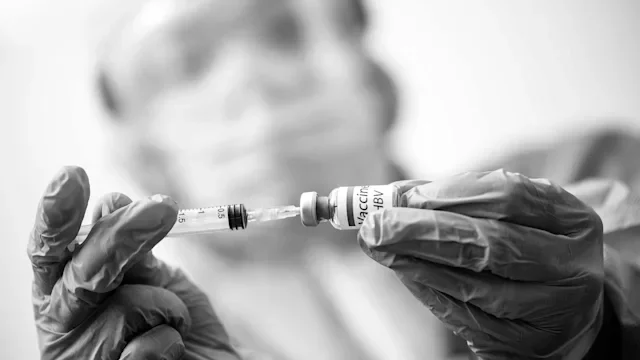
The hepatitis B vaccine protects people from getting sick with the hepatitis B virus. It doesn’t contain any live virus. And it can’t cause hepatitis B or any other illness.
There are several hepatitis B vaccines available in the U.S. They vary by:
Age group: Some hepatitis B vaccines are approved for both children and adults, while others are only approved for adults.
Type of protection: Some vaccines protect only against hepatitis B. Others are part of combination vaccines that protect against hepatitis B and additional illnesses in a single shot.
Here’s a quick look at the different hepatitis B vaccines.
Vaccine name | Type | Who can receive it |
|---|---|---|
Hepatitis B vaccine | Adults only | |
Hepatitis B vaccine | Adults and children | |
Hepatitis B vaccine | Adults and children | |
Combination vaccine (includes hepatitis B) | Children only | |
Combination vaccine (includes hepatitis B) | Adults only | |
Combination vaccine (includes hepatitis B) | Children only |
Your healthcare team can help you decide which vaccine is best for you based on your age, health history, and vaccination needs.
Is the hepatitis B vaccine safe and effective?
The hepatitis B vaccine has been used in the U.S. since 1981. That means there’s more than 4 decades of safety and effectiveness data. Over that time, rates of hepatitis B infection in the U.S. have dropped by about 80% because of widespread vaccination.
More than 95% of infants, children, and young adults who receive the hepatitis B vaccine develop antibody levels high enough to protect against infection. Among healthy adults under age 40, protection rates are also above 90%. Newer hepatitis B vaccines are even more effective. For example, Heplisav-B produces protective antibody levels in about 90% to 100% of adults.
Older adults and people with weakened immune systems may not respond as well to Hepatitis B vaccines.
Most people can safely receive a hepatitis B vaccine. It’s safe to get vaccinated against hepatitis B if you’re pregnant.
Does the hepatitis B vaccine cause side effects?
Serious side effects from the hepatitis B vaccine are rare. Like all vaccines, the hepatitis B vaccine can cause minor side effects, like:
Headache
Fever
Bruising at the injection site
Itchiness at the injection site
These side effects go away within a few hours to a few days.
What are the benefits of the hepatitis B vaccine?
The hepatitis B vaccine offers long-term — and often lifelong — protection against the hepatitis B virus. By preventing infection, it also lowers your risk of developing serious liver conditions, including:
Chronic liver damage
Cirrhosis (permanent scarring of your liver)
Liver cancer
Hepatitis D infection, which can only occur in people who already have hepatitis B
These conditions can have lasting effects on your health. They require ongoing medical care, hospitalization, or even a liver transplant.
There’s no cure for chronic hepatitis B. Treatments can help control the virus and slow liver damage. But they usually need to be taken long term and don’t work well for everyone. Preventing infection is the best way to avoid these complications.
What are the risks of the hepatitis B vaccine?
The hepatitis B vaccine has a strong safety record. Serious side effects are rare.
Rare but reported events include:
Severe allergic reaction (anaphylaxis): This is very uncommon, occurring in about 1 in 1 million doses. People who have had a severe allergic reaction to a previous hepatitis B vaccine dose shouldn’t receive another dose.
Serum sickness: This delayed reaction can cause joint pain, rash, and fever days to weeks after vaccination. It’s uncommon and usually resolves on its own.
Guillain-Barré syndrome (GBS): Guillain-Barré syndrome causes temporary weakness and paralysis. There’s no evidence that the vaccine directly causes GBS. But some people have reported GBS after getting vaccinated. These reports are very rare.
Neurologic or autoimmune conditions: Some people have reported a new diagnosis of conditions such as autism, multiple sclerosis (MS), lupus, or other immune-related disorders soon after receiving the hepatitis B vaccine. This timing can feel concerning because the diagnosis happens close to the vaccination. But studies haven’t shown that the hepatitis B vaccine directly causes these conditions. Many autoimmune and neurologic disorders first appear in adolescence or adulthood, which are also common ages for vaccination. When two events happen around the same time, it can seem like one caused the other. But in most cases, the condition was likely already developing and the timing of the diagnosis was coincidental rather than triggered by the vaccine.
Rare blood disorders: Rare blood conditions have been reported after hepatitis B vaccination, including aplastic anemia and hemolytic anemia. If you have an autoimmune condition or a strong family history of immune system disorders, your healthcare team may recommend closer follow-up after vaccination.
Ongoing safety monitoring systems continue to track vaccine side effects. For most people, the benefits of preventing hepatitis B outweigh the risk of rare side effects.
Who should receive the hepatitis B vaccine?
The American Academy of Pediatrics (AAP) recommends the hepatitis B vaccine for all newborns and infants. They also recommend the vaccine for children and teens younger than 19 years old who weren’t fully vaccinated as babies.
For adults who weren’t vaccinated as children, experts recommend getting the hepatitis B vaccine if you:
Work in a healthcare setting
Are frequently exposed to blood or blood products
Currently use or have used injectable drugs
Work or live in a long-term health facility or a correctional facility
Live with someone who has hepatitis B
Have a sexual partner who has hepatitis B
Have human immunodeficiency virus (HIV)
Have a liver condition or illness (like hepatitis C)
Have diabetes
Frequently travel to countries with high rates of hepatitis B
Even if you don’t fall into one of these groups, you can still choose to get vaccinated. The hepatitis B vaccine is available to any adult who wants protection.
Why is the hepatitis B vaccine given to babies and children?
Hepatitis B spreads through contact with blood and certain body fluids. Since young children don’t usually come into contact with these things, many parents wonder why the vaccine is given so early in life.
The answer has to do with how the immune system responds to the virus. When someone is exposed to hepatitis B, their immune system tries to clear the infection. Many adults are able to fight it off completely. But infants and young children are less likely to eliminate the virus.
As a result, children are much more likely to develop chronic hepatitis B. About 90% of infants and 50% of young children who are infected will develop lifelong infection, compared with about 5% of healthy adults. Chronic hepatitis B can silently damage your liver for years, increasing the risk of cirrhosis, liver failure, and liver cancer later in life.
The birth dose is especially important for babies born to mothers who have hepatitis B or whose hepatitis B status is unknown at the time of delivery. During birth, a baby can be exposed to the virus through contact with the mother’s blood. Giving the vaccine within the first 24 hours of life helps prevent infection. When needed, the healthcare team may also give hepatitis B immune globulin (HBIG) along with the vaccine. This approach is about 95% effective at protecting a baby from developing hepatitis B.
Early vaccination of infants also provides protection in case of unexpected exposures. In countries that have widely adopted infant vaccination, hepatitis B infection in children under 5 has dropped nearly 80%.
What is the hepatitis B vaccine schedule?
The hepatitis B vaccine schedule is different for adults and children.
Adult hepatitis B vaccine schedule
Below is the vaccination schedule for adults, which can differ by brand.
Vaccine brand | Number of doses | Timing |
|---|---|---|
Heplisav-B | 2 | Given at least 4 weeks apart |
Engerix-B | 3 | Given at 0, 1, and 6 months |
Recombivax HB | 3 | Given at 0, 1, and 6 months |
Twinrix | 3 | Given at 0, 1, and 6 months |
You don’t need to restart your series if your schedule is interrupted. Just get the next dose as soon as possible.
Infants and young children
Below is the vaccination schedule for infants and young children, which can differ by brand.
Vaccine brand | Number of doses | Timing |
|---|---|---|
Engerix-B | 3 | Given at birth, 1-2 months, and 6-18 months |
Recombivax HB | 3 | Given at birth, 1-2 months, and 6-18 months |
Pediarix | 3 (after birth dose) | Given at 2, 4, and 6 months |
Vaxelis | 3 (after birth dose) | Given at 2, 4, and 6 months |
Babies and children don’t need to restart their series if their schedule is interrupted. They just need to get the next dose as soon as possible.
Older children and teens
Below is the vaccination schedule for older children and teens, which can differ by brand.
Vaccine brand | Number of doses | Timing |
|---|---|---|
Engerix-B | 3 | Given at 0, 1, and 6 months |
Recombivax HB | 3 | Given at 0, 1, and 6 months |
Recombivax HB (ages 11-15 only) | 2 | Given at 0 and 4 months |
Children and teens don’t need to restart their series if their schedule is interrupted. They just need to get the next dose as soon as possible.
Frequently asked questions
Studies show that getting fully vaccinated against hepatitis B gives you decades of immunity against the virus. You’re considered immune to hepatitis B after you finish the entire hepatitis B vaccine series.
You can get the hepatitis B vaccine at your doctor’s office, most clinics, or retail pharmacies. The hepatitis B vaccine is covered by commercial insurance, Medicare, and Medicaid. It’s also part of the Vaccines for Children program.
Most people only need to complete one course of hepatitis B vaccinations. But if you have a weakened immune system or are receiving dialysis, your immunity may wear off over time. In these cases, you may then need another vaccination course in order to stay immune to hepatitis B.
Studies show that getting fully vaccinated against hepatitis B gives you decades of immunity against the virus. You’re considered immune to hepatitis B after you finish the entire hepatitis B vaccine series.
You can get the hepatitis B vaccine at your doctor’s office, most clinics, or retail pharmacies. The hepatitis B vaccine is covered by commercial insurance, Medicare, and Medicaid. It’s also part of the Vaccines for Children program.
Most people only need to complete one course of hepatitis B vaccinations. But if you have a weakened immune system or are receiving dialysis, your immunity may wear off over time. In these cases, you may then need another vaccination course in order to stay immune to hepatitis B.
The bottom line
Hepatitis B can silently damage your liver for years, which is why preventing infection is so important. The hepatitis B vaccine has more than 40 years of safety data and provides long-lasting protection for most people. Because there’s no cure for chronic hepatitis B, vaccination remains the best way to protect yourself. Any adult or child who wants protection against Hepatitis B can choose to get vaccinated. Your healthcare team can help you choose the best vaccine option based on your age and health needs.

Why trust our experts?




References
Badell, M. L., et al. (2024). Society for maternal-fetal medicine consult series #69: Hepatitis B in pregnancy: Updated guidelines. American Journal of Obstetrics & Gynecology.
Committee on Infectious Diseases, et al.. (2017). Elimination of perinatal hepatitis B: Providing the first vaccine dose within 24 hours of birth. Pediatrics.
Hou, J., et al. (2005). Epidemiology and prevention of hepatitis B virus infection. International Journal of Medical Sciences.
Immunize.org. (2022). Ask the experts: Hepatitis B.
Jeng, W. J., et al. (2023). Hepatitis B. Lancet.
Kim, W. R. (2012). Epidemiology of hepatitis B in the United States. Hepatology.
Merck Sharp & Dohme LLC. (2024). RECOMBIVAX HB (hepatitis b vaccine- recombinant injection, suspension [package insert]. DailyMed.
Mouchet, J., et al. (2018). Hepatitis B vaccination and the putative risk of central demyelinating diseases - A systematic review and meta-analysis. Vaccine.
Schillie, S., et al. (2018). Prevention of hepatitis B virus infection in the United States: Recommendations of the advisory committee on immunization practices. MMWR Morbidity and Mortality Weekly Report.
Seto, W. K., et al. (2018). Chronic hepatitis B virus infection. The Lancet.
Shaw, F. E., et al. (1988). Postmarketing surveillance for neurologic adverse events reported after hepatitis B vaccination. Experience of the first three years. American Journal of Epidemiology.
Vaccine Knowledge Project. (2025). Hepatitis B vaccine.
Weng, M. K., et al. (2022). Universal hepatitis B vaccination in adults aged 19-59 years: Updated recommendations of the advisory committee on immunization rractices - United States, 2022. MMWR Recommendations and Reports.
Wexler, D. (2016). Hepatitis B vaccination for adults — who needs it and when? Immunize.org.
Workowski, K. A., et al. (2021). Sexually transmitted infections treatment guidelines, 2021. MMWR Recommendations and Reports.
Zhou, H., et al. (2025). A real-world pharmacovigilance analysis of hepatitis B vaccine using the U.S. vaccine adverse event reporting system (VAERS) database. Scientific Reports.