Key takeaways:
Gallstones are solid collections of bile that form inside the gallbladder. For some people, they cause episodes of abdominal pain after eating.
Surgery is the most common treatment for gallstones. Surgery removes the entire gallbladder to stop the development of gallstones. You can live a normal, healthy life without your gallbladder.
Some people can decrease the symptoms of gallstones by eating a low-fat diet. Less commonly, people take medications that can help dissolve gallstones.
People can prevent the development of gallstones by making certain changes to their diet. There’s also evidence that losing weight can help.
Gallstones are a common medical condition. They are solid, stone-like collections that form in the gallbladder — an organ that sits right under the liver. If you imagine the location of your stomach, your gallbladder is just to the right of that. It contains bile, a digestive fluid that gets released into the intestine whenever you eat.
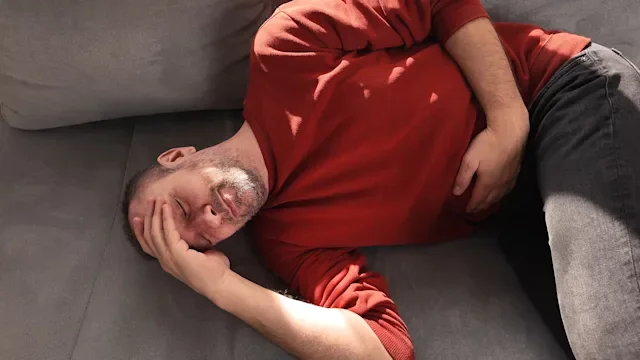
When someone has a gallstone, it can cause pain whenever the gallbladder needs to release its bile. Many people with gallstones are familiar with these episodes of abdominal pain that tend to occur after a meal. Beyond pain, they can also lead to some complications. These include inflammation or infection of the gallbladder or other organs around the gallbladder, like the pancreas.
The treatment of gallstones ranges from changes in the diet to surgery. In some circumstances, people take medications as well. We’ll explain these different treatment options to help you figure out which one is best for you.
What are the treatments for gallstones?
If you have gallstones, there are different options for treatment. Choosing the best treatment for you depends on a few factors:
How frequent or severe your symptoms are
If your gallstones are causing complications
If surgery (and anesthesia) presents health risks for you
Diet
The gallbladder squeezes bile into the intestine whenever you eat. But this is especially true when you eat food with a higher fat content. This is because the bile is particularly good at breaking down fat molecules.
If there are gallstones in the gallbladder, this squeezing can cause pain. So for some people, eating food with lower fat content can help control the symptoms. While this doesn’t get rid of the stones entirely, it can help decrease the number of times someone experiences pain from their gallstones.
Medications
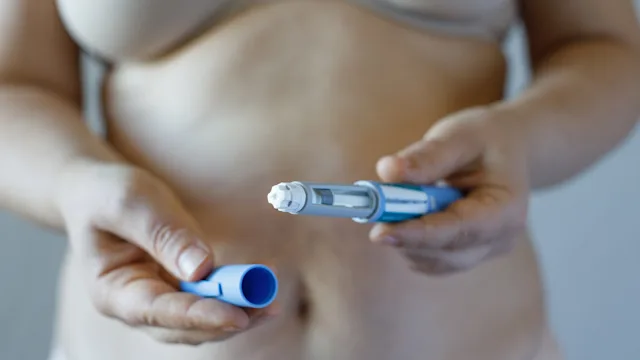
There are some medications that can treat gallstones in certain situations. Ursodiol is a medication that helps the body absorb the gallstones. But there are some downsides to this medication:
You need to take it for a long period of time for it to work. Most people need it for at least a few months.
It only works for about half of the people who try it.
It’s common for gallstones to come back after finishing treatment.
Some people also take medications for the pain related to gallstones. Over-the-counter pain medications, like ibuprofen (Advil, Motrin) and acetaminophen (Tylenol), may be options for people with mild and intermittent gallstone pain.
Surgery
Surgery is one of the most common treatments for gallstones. Most providers recommend surgery to treat gallstones when it’s a safe option for someone. If gallstones cause significant symptoms, a surgeon will remove the entire gallbladder — stones and all. Once the gallbladder is out, there’s nowhere for stones to form.
Most people will have a laparoscopic procedure. This is a surgical technique that uses small incisions, cameras, and special surgical tools to decrease the impact of surgery.
People don’t need the gallbladder and can live a normal life without it. Your provider might suggest you eat a low-fat diet for a few weeks after surgery. But this doesn’t have to last forever. Most people can go back to eating a normal diet without difficulty.
When can you treat gallstones without surgery?
Surgery is the most definitive treatment for gallstones. This means it’s the only way to be sure the gallstones won’t come back. But some people may want to try a treatment plan without surgery. This may be the case if you have:
Mild symptoms
Improvement with a low-fat diet or medication
Medical conditions that make surgery or anesthesia risky
Personal preferences to avoid surgery if possible
There are some situations in which surgery will be necessary to treat gallstones. If serious complications arise, people usually need a surgical procedure because these complications can be life-threatening.
Cholecystitis
This is an inflammation or infection of the gallbladder. Without treatment, this can lead to a life-threatening infection. So people with this condition typically have emergent surgery.
Another treatment option for cholecystitis is a procedure where a provider inserts a small tube through the skin into the gallbladder. This helps to drain the infection.
Biliary blockage
Gallstones sometimes leave the gallbladder and travel into the bile duct — a tube that connects the gallbladder to the intestines. This can cause bile to back up behind the stone with nowhere to go. And it can lead to inflammation and infection of the bile duct, which can also be life-threatening.
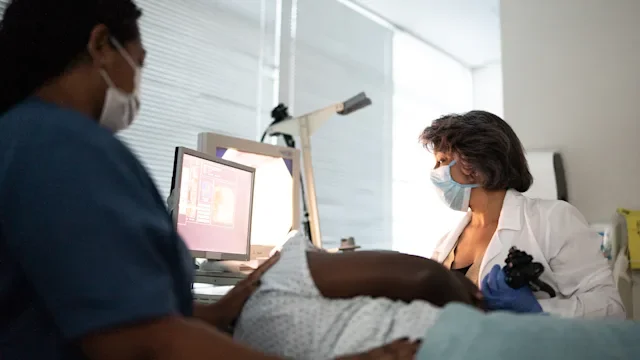
In these scenarios, people may need an endoscopic retrograde pancreatography (ERCP) procedure. For this procedure, a gastroenterologist inserts a camera in your mouth that can go all the way down to the bile duct. The device can then remove the stone that’s causing the problem. People often need their gallbladder removed after this procedure to stop this from happening again.
How to prevent gallstones
There are some steps you can take to lower the risk of gallstones developing in the first place.
Weight loss
Experts have identified some reasons that people with a higher body weight are at increased risk for gallstones. If someone has increased weight or body fat, losing weight at a safe rate of 1 to 2 pounds per week can lower this risk.
Diet
Diet can play a role in the development of gallstones. To lower the risk of developing gallstones, aim for a diet that is:
High in healthy fats
Low in refined carbohydrates and sugar
The bottom line
If you have gallstones that cause frequent symptoms, the most effective treatment is surgery to remove the gallbladder. This is a common procedure that effectively gets rid of gallstones. But if you don’t like the idea of surgery — or it isn’t a safe option for you — there are other treatment options. These include changes in your diet, weight management, and medication. But you don’t have to make this decision alone. Talk to your provider so you can get answers to all of your questions and choose the best option for you.

Why trust our experts?



References
Bellows, C. F., et al. (2005). Management of gallstones. American Family Physician.
Centers for Disease Control and Prevention. (2020). Losing weight.
National Health System. (2018). Do I need to change my diet after gallbladder surgery?
National Institute of Diabetes and Digestive and Kidney Disease. (2017). Dieting & gallstones.
National Institute of Diabetes and Digestive and Kidney Disease. (2017). Treatment for gallstones.
Petroni, M. L., et al. (2001). Ursodeoxycholic acid alone or with chenodeoxycholic acid for dissolution of cholesterol gallstones: A randomized multicentre trial. The British-Italian gallstone study group. Alimentary Pharmacology & Therapeutics.