Key takeaways:
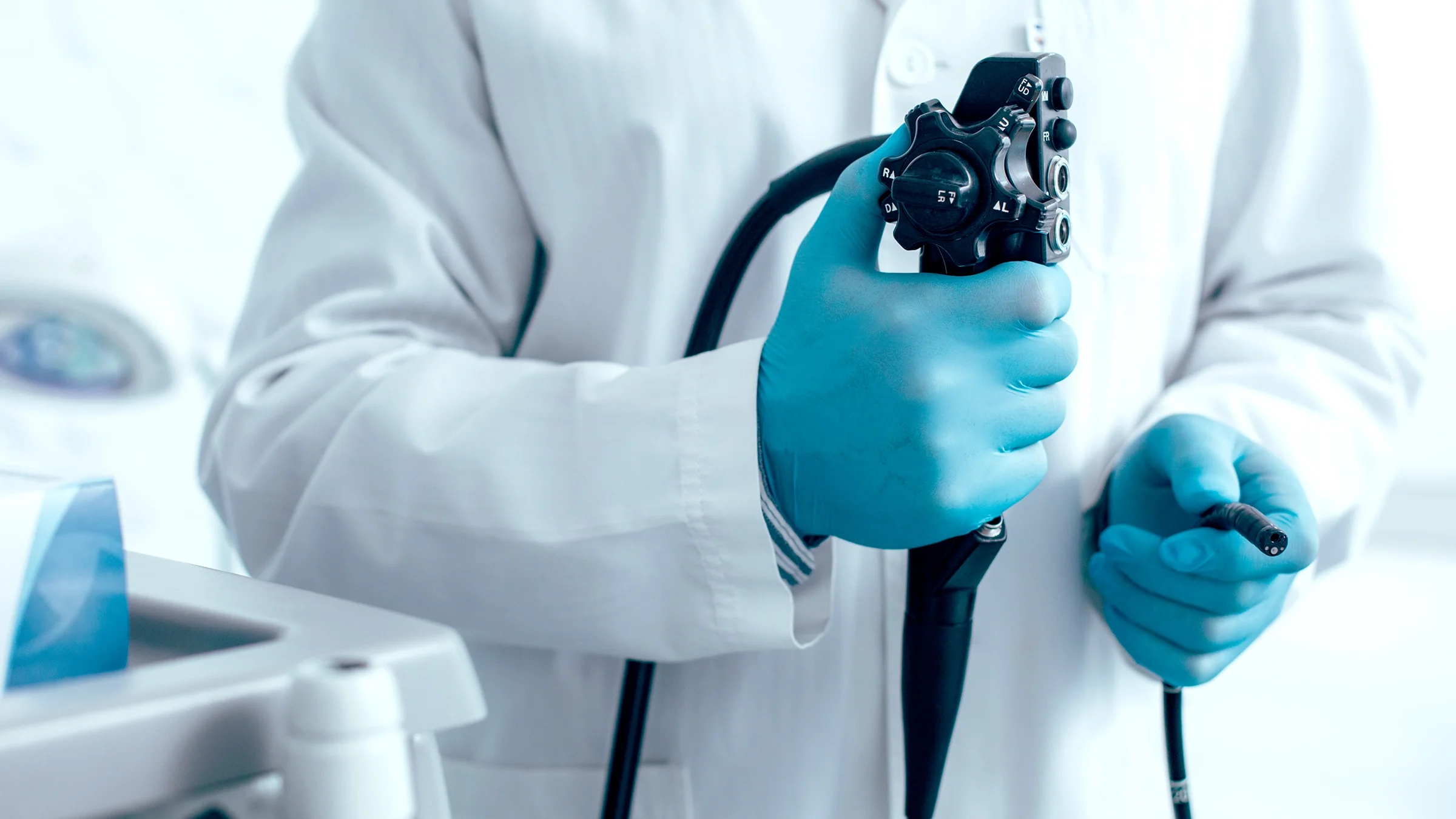
An upper endoscopy is a procedure performed by a gastroenterologist. The gastroenterologist will use a small camera to look at your esophagus, stomach, and the first part of your small intestine.
Upper endoscopies can diagnose many gastrointestinal (GI) conditions such as acid reflux, stomach ulcers, bleeding, or tumors in the upper GI tract. They can also be used to stop bleeding or remove blockages in the esophagus.
The procedure is low risk and relatively safe. If you plan to have an upper endoscopy, you will be kept comfortable with sedation medications.
An upper endoscopy — also called an esophagogastroduodenoscopy — is a procedure in which a gastroenterologist uses a long, thin camera to look at the upper gastrointestinal (GI) tract. The upper GI tract includes the mouth, esophagus, stomach, and the first part of the small intestines (the duodenum).
An upper endoscopy is a common procedure. It can be used to look for the cause of certain GI symptoms, check on conditions like reflux or an ulcer, or even treat certain problems of the esophagus.
Find out more about upper endoscopies, why they are used, and what to expect if you plan to have one.
Search and compare options
How does an upper endoscopy work?
The procedure takes place in a gastroenterology clinic in a special room called the endoscopy suite. When you are comfortable on the bed, you’ll receive sedation medications that will help you feel relaxed and sleepy. Sedation medications are lighter options than general anesthesia medications used in surgery. They make sure that you are comfortable during your procedure.
Once you fall asleep, the team caring for you will turn you on your side. The gastroenterologist will then insert a long, thin, flexible camera into your mouth and down your esophagus, stomach, and duodenum. As the camera passes along your upper GI tract, your provider will look closely for any abnormalities.
They will take pictures and sometimes collect tissue biopsies for diagnosis. After they get a good look or perform any necessary treatments, your gastroenterologist will pull the camera out and end the procedure.
Although an upper endoscopy usually takes about 30 minutes, there will be time set aside for preparation before and recovery after the procedure. The whole process typically takes 3 to 4 hours.

Endoscopy alternative: If your gastroenterologist wants to take a closer look at your bile duct, gallbladder, or pancreas, they may recommend this test instead of an upper endoscopy.
Heartburn stories: Heartburn isn’t just uncomfortable. It can sometimes feel a lot like a heart attack. Four people share their experiences with heartburn.
Natural remedies: You don’t need to suffer through heartburn symptoms. Here’s how four adults found relief with simple lifestyle changes and at-home remedies.
What conditions can an upper endoscopy diagnose?
An upper endoscopy can diagnose many different conditions. People might get one to check for the cause of symptoms like chest and upper abdominal pain, bloody vomit or stool, or difficulty swallowing or digesting. It can also be used to keep an eye on known conditions, like Barrett’s esophagus or stomach ulcers.
Examples of conditions an upper endoscopy can diagnose include:
Strictures or webs: This condition causes narrowing of the esophagus. It can block or slow down food passage after someone swallows.
Achalasia: In this condition, the sphincter muscle between the esophagus and stomach doesn’t open properly.
Gastroesophageal reflux disease, or GERD: GERD happens when stomach acid travels back up into the esophagus.
Barrett’s esophagus: This condition happens when stomach acid injures the esophagus. If not treated, the condition can lead to tissue changes that can develop into cancer.
Esophageal ulcers: These ulcers form when acid wears down the esophagus’ protective inner lining.
Peptic ulcers: Peptic ulcers form in the protective lining of the stomach and the first part of the small intestines (the duodenum).
Helicobacter pylori: This bacteria infects the lining of the stomach and can cause ulcers. While breath or stool tests are often used to diagnose it, it might show up on biopsies taken from areas of acid erosion.
Tumors: Tumors can form in the esophagus, stomach, and other parts of the GI tract.
Sources of bleeding: Some sources of bleeding include peptic ulcers or vascular abnormalities in the upper GI tract.
Read more like this
Explore these related articles, suggested for readers like you.


Conditions that an upper endoscopy can treat
The same camera scope used for upper endoscopies can also treat some of the above conditions. The treatment can either happen during the procedure in which the condition is diagnosed, or it can be planned ahead of time for a known condition.
Some examples of conditions that can be treated include:
Bleeding: If your provider finds a source of bleeding during the procedure, a few different types of treatment can stop it. These include clips that can cut off bleeding blood vessels or lasers that can help your blood clot.
Foreign body removal: An endoscopy can remove objects that were accidentally swallowed, like a toy or a fish bone. It can also remove food stuck in the esophagus, like a large piece of steak.
Dilation: If your esophagus becomes too narrow, it can be opened up by inflating a balloon inside of it. This procedure can be used to treat strictures, webs, or achalasia.
What you need to know
An upper endoscopy is safe and low-risk. But there are still a few things to be aware of before you have one.
How to prepare
Your provider will give you instructions on how to prepare for your upper endoscopy. Usually, this means not eating for at least 8 hours before your procedure.
An upper endoscopy may also affect the way you take your regular medications on the day of or the days leading up to your procedure. This is because it’s ideal if the stomach is completely empty. Also, certain medications can raise the risk of a problem during the procedure or interact with the sedation medications.
Before your procedure, be sure to check with your provider to find out if you should skip or change the timing of any of your medications. Especially if you take any diabetes, pain, or blood-thinning medications.
Recovery
After the procedure, your provider will bring you to a recovery area and give you time to wake up from the sedation medication. Often, your provider and their team will check to make sure you can swallow without difficulty and keep down liquids.
While the recovery process usually takes about 2 hours, most people can go home afterward.
Since the anesthesia medication may still be in your system, you may not be able to drive after your procedure. So it’s a good idea to plan how you’ll get home ahead of time.
Potential issues
Upper endoscopies are relatively safe procedures. Issues are not common. But like any procedure, there are always risks. These risks include:
Aspiration: This is when someone accidentally inhales contents from the stomach into their lungs. It can range from mild to severe. Aspiration may cause minor symptoms like coughing from lung irritation. In more serious cases, it can cause low oxygen levels or pneumonia.
Perforations: These are holes in the wall of the GI tract that can form as the scope travels through it. Perforations are rare. But if they happen, it can be life-threatening and need emergency surgery.
Bleeding: Bleeding may happen if blood vessels are injured during the procedure.
Tell your provider if you experience the following symptoms after your upper endoscopy:
Chest pain
Abdominal pain
Shortness of breath
Painful breathing
Significant coughing, or coughing up blood
Bloody vomiting, or vomit that looks like it has coffee grounds in it
The bottom line
It’s normal to feel anxious before any procedure. But if you plan to have an upper endoscopy, know that they are quick and safe procedures. They are also quite useful, because they can diagnose and treat many different conditions. These conditions include difficulty or pain with swallowing, digestion issues, reflux and heartburn, or bleeding in the GI tract.

Why trust our experts?



References
Ahlawat, R., et al. (2021). Esophagogastroduodenoscopy. StatPearls.
American College of Gastroenterology. (2018). Upper GI endoscopy.
Cancer.net. (2019). Upper endoscopy.
MedlinePlus. (2021). EGD - esophagogastroduodenoscopy.